
Many men over 45 run into the same discouraging issue: an enlarged prostate, medically known as benign prostatic hyperplasia (BPH). Getting up multiple times at night to urinate can ruin sleep, a weak stream can make bathroom visits stressful, and persistent urgency often chips away at energy and confidence. For millions of men, these lower urinary tract symptoms (LUTS) become a daily quality-of-life problem—sometimes paired with quiet concern about long-term bladder or kidney strain.
Because of that, research continues to explore gentler, plant-based ways some men use to complement medical care. Natural oils are frequently mentioned in these conversations, especially saw palmetto oil, known for its traditional use and distinctive fatty-acid makeup. The big question is whether saw palmetto—and a handful of other oils—can provide real, noticeable relief. The scientific picture is mixed: some smaller studies suggest symptom improvements, while larger reviews often report little difference versus placebo. Below is a clear, evidence-informed look at where these oils may fit into everyday wellness.

The Everyday Reality of an Enlarged Prostate
BPH becomes increasingly common as men age, influenced by hormonal changes and a tendency toward higher inflammation over time. Because the prostate sits around the urethra, enlargement can compress this tube and contribute to symptoms such as:
- Difficulty starting urination (hesitancy)
- Weak or interrupted stream
- Dribbling after urinating
- A feeling of incomplete emptying
- Waking at night to urinate (nocturia)
These effects are not just physical inconveniences. Poor sleep and constant planning around bathroom access can affect mood, productivity, travel, exercise, and relationships. Many men also delay addressing symptoms, hoping they will fade on their own—yet earlier, supportive lifestyle steps can make day-to-day life easier.
At the same time, nature contains compounds that researchers associate with inflammation support and hormone-related pathways. One of the most discussed options is saw palmetto oil.
Why Saw Palmetto Oil Gets So Much Attention
Saw palmetto comes from the berries of Serenoa repens. It contains fatty acids and phytosterols (including beta-sitosterol), which is part of why it has remained popular in prostate-health supplements for decades.
Modern interest often centers on its possible relationship with dihydrotestosterone (DHT)—a hormone involved in prostate growth. Some smaller clinical trials and select reviews report modest improvements in urinary symptoms, such as better flow or fewer nighttime bathroom trips when taken consistently.
However, larger and more rigorous investigations—including major reviews and NIH-related research—frequently conclude that saw palmetto performs no better than placebo for BPH symptoms, even at higher doses. This contrast is why you’ll see both enthusiastic testimonials and skeptical medical summaries: responses appear to vary, and study designs differ widely.
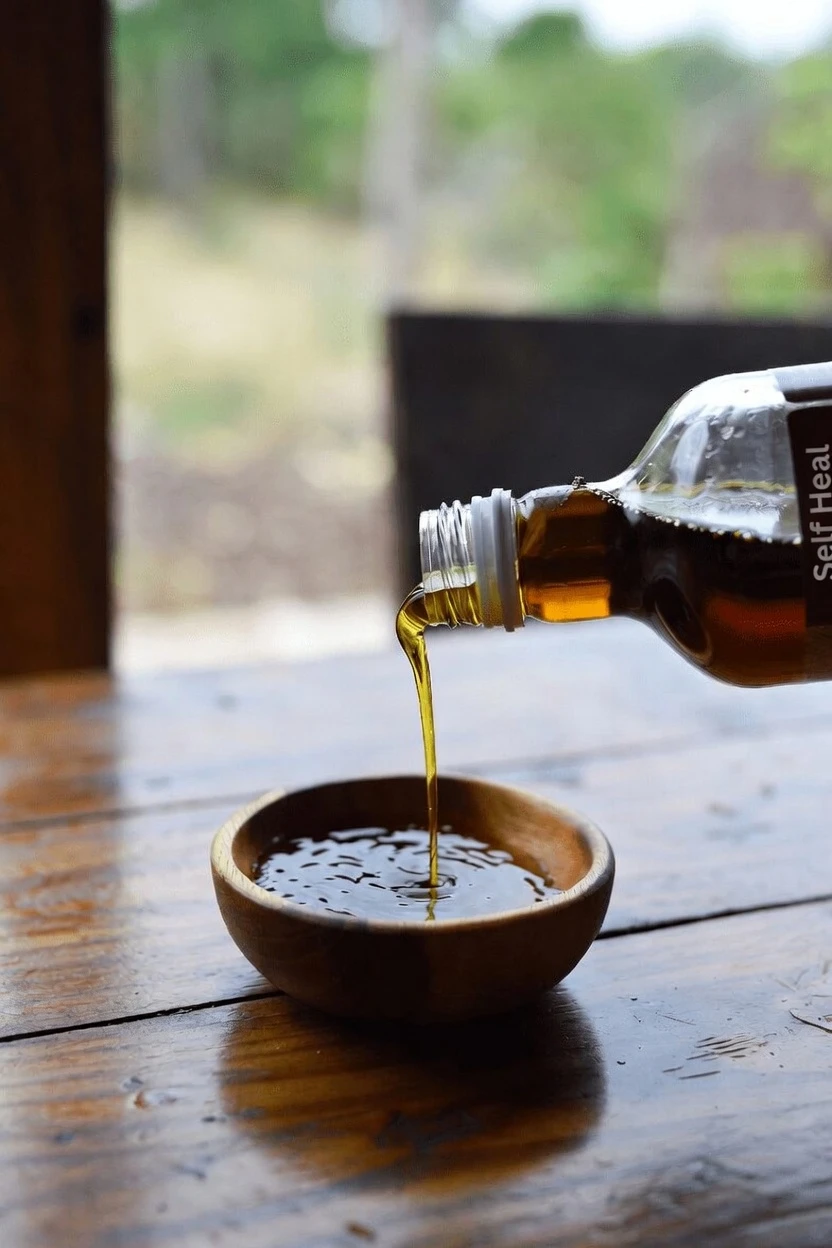
Commonly discussed potential upsides (with important context)
Based on limited clinical findings and observational use, saw palmetto oil is often associated with these possible benefits:
- May help reduce nighttime urgency for some men, supporting better sleep
- Could contribute to slightly improved urine flow in certain individuals
- Might support pelvic comfort through anti-inflammatory activity
- Frequently discussed in relation to hormone-pathway balance in laboratory research
- Typically considered well-tolerated, with relatively few reported side effects
These points should be understood as potential, not promises—especially given inconsistent results across large-scale analyses.
A Comparison of Seven Natural Oils Often Mentioned for Prostate Wellness
Saw palmetto is not the only oil discussed in prostate health and BPH support. Below is a simplified comparison of oils and plant-derived extracts that appear most often in prostate wellness discussions, along with the primary compounds they’re known for.
-
Saw Palmetto Oil
- Key compounds: fatty acids, beta-sitosterol
- Research takeaway: mixed outcomes; some trials show modest urinary symptom improvement, larger reviews often show no significant advantage over placebo
- Sensory note: earthy, nut-like
-
Pumpkin Seed Oil
- Key compounds: zinc, phytosterols
- Research takeaway: several studies associate it with symptom-score improvement over time (including IPSS in some trials)
- Sensory note: mild, toasty
-
Pygeum (African Plum) Extract
- Key compounds: phytosterols
- Research takeaway: some reviews suggest moderate support for nocturia and urinary flow
- Sensory note: woody, subtle
-
Stinging Nettle Root (often paired with other ingredients)
- Key compounds: lignans
- Research takeaway: commonly used in combination formulas; may support inflammation and urinary flow in certain studies
- Sensory note: fresh, green
-
Flaxseed Oil
- Key compounds: omega-3 fatty acids
- Research takeaway: more associated with general inflammation support and overall wellness than direct BPH outcomes
- Sensory note: smooth, nutty
-
Sesame Oil
- Key compounds: sesamin and related lignans
- Research takeaway: traditional use exists, but direct evidence for BPH symptom relief is limited
- Sensory note: warm, roasted
-
Extra Virgin Olive Oil
- Key compounds: polyphenols
- Research takeaway: strongly linked to general cardiometabolic health; potential protective benefits via anti-inflammatory patterns, but not a direct BPH treatment
- Sensory note: fruity, rich
Some men focus on oils that appear more closely tied to urinary symptoms (like pumpkin seed oil or saw palmetto), while others use oils mainly for broader inflammation and wellness support (like olive or flaxseed). A “layered approach” can be appealing, but it should be done thoughtfully.

Real-World Approaches Men Commonly Try
Many men explore natural oils after sleep disruption and urgency start interfering with normal routines.
- A 58-year-old might try saw palmetto oil after months of waking up at night, noticing gradual comfort changes only after consistent use—an experience that mirrors some smaller-study outcomes.
- A 62-year-old may start adding pumpkin seed oil to meals because it’s easy and tastes pleasant, then report fewer urgent moments during activities like walking or golf. Some clinical research has examined pumpkin seed preparations around 320 mg daily in certain study formats, with symptom-score improvements reported in some participants.
These experiences are common—but not universal. BPH symptoms can fluctuate, and what helps one person may not help another.
How to Use Natural Oils More Safely and Strategically
If you’re considering natural oils to support prostate comfort, a cautious, structured approach is best.
- Choose reputable quality
- Look for cold-pressed options when relevant and avoid products with unnecessary additives.
- Start with a modest amount
- For culinary oils, some begin around 1 teaspoon daily, or use standardized capsules when dosage consistency is important.
- Add them to food
- Mix into salads, smoothies, yogurt, or oatmeal to make the habit easy and improve tolerance.
- Track symptoms over time
- Use a simple journal for 4–8 weeks, noting nighttime trips, urgency, and stream strength.
- Talk with a healthcare professional
- Especially important if you take medications, have ongoing urinary symptoms, or need screening for more serious conditions.
Common Questions
-
How quickly do people notice changes?
Some men report differences within 2–4 weeks, but many studies evaluate outcomes over 3–12 months, which offers a clearer long-term view. -
Are these oils generally safe?
They are often well-tolerated in research, though mild digestive discomfort can occur. Individual risk varies, especially with medications or existing conditions. -
Can multiple oils be combined?
Some people combine them, but it’s smarter to start with one product so you can evaluate effect and tolerance. Clinical guidance helps avoid unnecessary stacking and interactions.
Key Takeaway: A Low-Intensity Option, Not a Guaranteed Fix
Natural oils—especially saw palmetto oil and pumpkin seed oil—are widely used as complementary approaches for men dealing with BPH-related urinary discomfort. The evidence is inconsistent: some studies suggest benefits, while larger reviews often find placebo-level results. Still, the generally gentle tolerance profile makes these oils appealing for men looking to support comfort and daily function alongside professional care.
Small, consistent steps—paired with symptom tracking and medical guidance—can help you make smarter decisions and aim for fewer disruptions, better sleep, and more day-to-day freedom.
This article is for informational purposes only and is not a substitute for professional medical advice. Readers are encouraged to consult their healthcare provider for personalized guidance.