
Fig Leaves (Ficus carica): Benefits, Research Insights, and How to Make Fig Leaf Tea
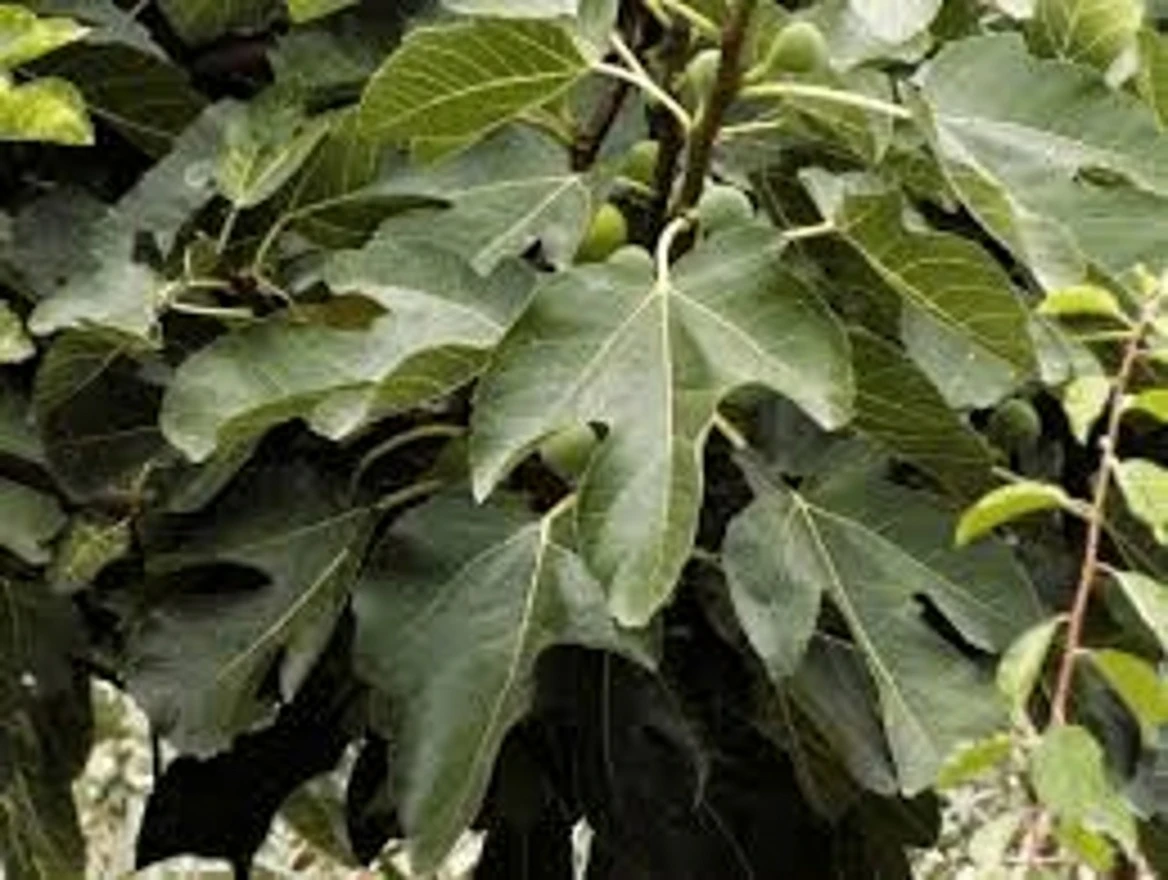
Fresh figs are loved for their natural sweetness, yet the fig tree’s leaves (Ficus carica) have a long history in traditional wellness practices across the Mediterranean and parts of Asia. While the fruit usually takes center stage, fig leaves contain bioactive plant compounds—including polyphenols, flavonoids, and fiber—that make them nutritionally noteworthy. As interest in herbal wellness grows, more people are exploring fig leaf tea as a simple, everyday way to enjoy these plant-based components.

At the same time, it’s important to stay grounded: many of the most exciting findings so far come from lab experiments and animal studies, and human research is still limited for several proposed uses. That’s why the best approach is thoughtful and realistic. Below, you’ll find what current evidence suggests about fig leaves, how to brew them safely at home, and practical tips for adding them to your routine without overpromising results.
Why Fig Leaves Are Nutritionally Interesting
Fig leaves have attracted research attention because they offer a wide range of phytochemicals (naturally occurring plant compounds). These include:
- Antioxidants such as flavonoids and phenolic acids
- Plant fiber, which may support digestion
- Minerals like calcium and magnesium (amounts vary by leaf quality and preparation)
- Small amounts of vitamins and micronutrients, depending on growing conditions
Traditionally, fig leaves are often prepared as an infusion or decoction (tea). Brewing is a practical method because it helps extract water-soluble compounds into a drinkable form.
Research reviews on Ficus carica frequently highlight antioxidant activity observed in extracts. In controlled lab settings, these compounds may help reduce oxidative stress. However, effects seen in test tubes or animals do not always carry over to real-world human outcomes—so stronger clinical studies are still needed.
Potential Wellness Benefits of Fig Leaves (What Research Suggests)
Evidence for fig leaf benefits is developing, and much of it is still preliminary. Below are key areas researchers have explored, alongside important context about the current limits of human data.
1) Blood Sugar Support
Some early studies—especially in animals, along with a few small human trials—suggest fig leaf extract or fig leaf tea may influence glucose levels. Researchers have proposed a few potential mechanisms, such as supporting insulin activity or slowing carbohydrate absorption. This has led to growing interest among people focused on healthy blood sugar balance as part of an overall lifestyle plan.
2) Heart and Cardiovascular Wellness
Fig leaves contain polyphenols that, in lab and animal research, have been associated with changes in lipid-related markers. Some studies report potential support for healthy cholesterol and triglyceride levels, which is one reason fig leaves are sometimes discussed alongside heart-smart habits like diet, exercise, and sleep.
3) Digestive Comfort
Because fig leaves provide fiber and have shown anti-inflammatory activity in certain studies, they are sometimes used traditionally for occasional digestive discomfort. Some research points toward possible support for gut motility and relief from mild bloating or irregularity, though more human data is needed.
4) Skin Health and Atopic Dermatitis Research
Fig leaves have been investigated for their antioxidant and anti-inflammatory properties in relation to skin wellness. Notably, a small randomized trial reported that drinking fig leaf tea reduced symptom severity in adults with mild atopic dermatitis over several weeks. While topical uses are common in folklore, current evidence is more supportive of internal use in specific contexts.
5) Antioxidant Defense
In laboratory testing, fig leaves demonstrate strong free-radical scavenging activity—sometimes reported as higher than the fruit in certain varieties. Antioxidants are relevant because oxidative stress is one factor involved in aging processes and overall cellular health.
6) Liver Function (Early-Stage Findings)
Animal research suggests fig leaf compounds may support natural detoxification pathways and help reduce markers associated with liver stress. This direction aligns with traditional uses, but it remains preliminary until confirmed in larger human studies.
7) Respiratory and Immune Support (Traditional Use + Limited Evidence)
In folk practices, fig leaf preparations are sometimes used during seasonal shifts to soothe the respiratory system. A few early studies suggest possible airway-related anti-inflammatory or expectorant-like effects, but human evidence remains limited.
8) Other Emerging Areas
Additional lab research has explored fig leaf activity related to inflammation and cell protection in various models, including metabolic health. These findings are exploratory and should be viewed as a foundation for future research—not definitive health claims.
How to Make Fig Leaf Tea (Simple Home Recipe)
A gentle tea is one of the easiest and most traditional ways to try fig leaves. This method is simple, flavorful, and allows you to control strength and serving size.

Ingredients (Makes About 2 Cups)
- 2–3 fresh or properly dried fig leaves (from unsprayed Ficus carica trees)
- 2 cups water
- Optional: lemon or honey for taste
Step-by-Step Instructions
- Rinse the leaves well under cool water to remove dust or residue.
- Bring the water to a gentle boil.
- Add the leaves, then reduce heat and simmer for 10–15 minutes.
- Turn off the heat, strain the liquid, and let it cool slightly.
- Drink warm or chilled. If you’re new to it, start with 1 cup per day and see how you feel.
Sourcing note: Only use leaves from healthy, pesticide-free trees. If you’re foraging, verify identification carefully to avoid look-alike plants.
Practical Tips for Using Fig Leaves Safely
- Begin gradually: Start with a small serving (such as one cup daily) to assess tolerance.
- Think “support,” not “cure”: Use fig leaf tea as a complement to healthy habits, not a replacement.
- Be consistent but moderate: Plant-based options often work best with regular, reasonable use rather than high doses.
- Check with a professional: If you have a medical condition, take prescriptions, or are managing blood sugar or blood pressure, consult a healthcare provider before adding herbal products.
Frequently Asked Questions
Is fig leaf tea safe to drink every day?
In moderate amounts, fig leaf tea appears generally well-tolerated based on traditional use and limited human research. Still, long-term daily use hasn’t been studied extensively, and individual reactions can vary.
Can fig leaves replace medications or medical treatment?
No. Fig leaves contain interesting plant compounds, but they are not a substitute for medical care or prescribed treatment. Follow your clinician’s guidance for any health condition.
Where can I find fig leaves?
- If you have access to a fig tree, you can use fresh leaves or air-dry them for later use.
- Otherwise, buy from reputable herbal suppliers offering food-grade dried Ficus carica leaves, ideally with quality testing for purity.
Final Thoughts
Fig leaves are an often-overlooked part of the fig tree, yet they offer a compelling mix of polyphenols, flavonoids, and fiber that continues to spark scientific interest. Early findings point to potential support for antioxidant defenses, digestion, metabolic wellness, and even certain skin concerns—but much of the strongest evidence is still developing.
If you’re curious, fig leaf tea is a simple, traditional way to explore this plant thoughtfully. Brew a mild cup, keep expectations realistic, and see whether it fits comfortably into your wellness routine.
Disclaimer
This article is for informational purposes only and does not provide medical advice. These statements have not been evaluated by the FDA. Fig leaves and fig leaf tea are not intended to diagnose, treat, cure, or prevent any disease. Consult a healthcare professional before using herbal remedies, especially if you are pregnant, nursing, or managing a medical condition.