
Living with elevated creatinine can be stressful. When creatinine is high, it often suggests your kidneys are working harder to filter waste—something that may show up as fatigue, swelling, or worries about long-term health. Because of this, many people look for straightforward diet upgrades that can better support kidney function and day-to-day well-being. One helpful (and often overlooked) place to start is fat quality: research and guidance from organizations such as the National Kidney Foundation consistently highlight the value of choosing heart-friendly fats—an important point because heart health and kidney health are closely connected.
At the same time, “fat” is not a single category. Some fats are anti-inflammatory and can support healthier cholesterol levels, while others may increase inflammation or raise LDL (“bad”) cholesterol over time—potentially creating extra strain on the cardiovascular system and indirectly affecting kidney health. Below is a practical, kidney-conscious guide to the fats worth using more often and the ones best kept to a minimum, plus easy swaps you can make right away.

Why Fat Choices Matter When Creatinine Is High
Fats are essential nutrients. They supply energy, help your body absorb vitamins (like A, D, E, and K), and support cell structure and hormone production. The key for kidney-conscious eating is selecting fats that support cardiovascular health—because people with kidney concerns, including chronic kidney disease (CKD), often face higher heart and blood vessel risks.
Evidence shows that replacing less favorable fats with healthier unsaturated fats can improve cholesterol patterns and support heart health. That matters for kidneys, too, since healthy blood flow and vascular function are critical for kidney performance.
In simple terms:
- Unsaturated fats (monounsaturated and polyunsaturated) are typically liquid at room temperature, often coming from plants and certain fish. They may help lower LDL cholesterol and reduce inflammation.
- Saturated fats and trans fats are more likely to raise LDL cholesterol and contribute to artery plaque buildup, which can increase cardiovascular strain and indirectly burden kidney health.
Health resources, including those from the National Institute of Diabetes and Digestive and Kidney Diseases (NIDDK), commonly recommend prioritizing unsaturated fats while limiting saturated and trans fats—especially for people managing CKD or related metabolic concerns.
4 Kidney-Supportive Fats to Include (In Moderation)
Adding the following fats thoughtfully can fit well into a kidney-conscious meal plan. They’re generally rich in unsaturated fats and frequently recommended in heart-healthy dietary patterns.
-
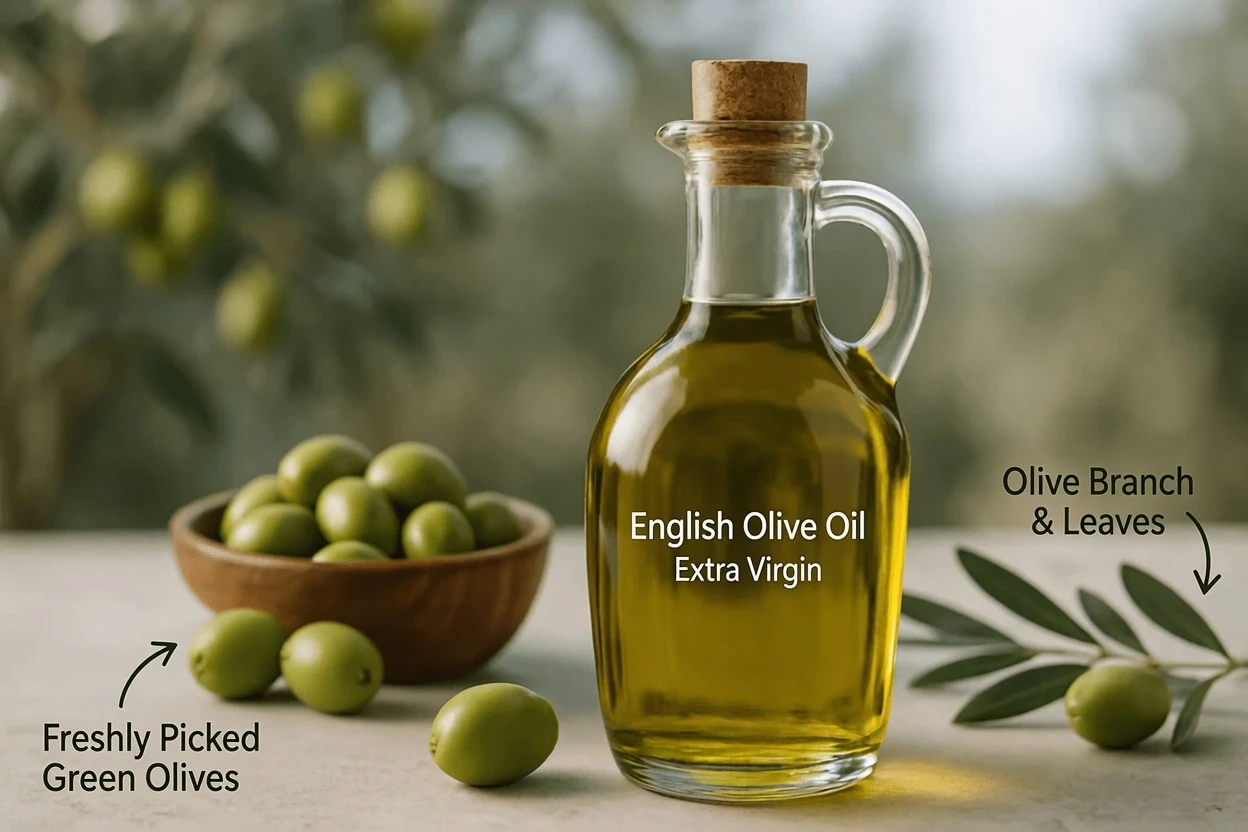
Olive Oil
- Rich in monounsaturated fat (including oleic acid), which is associated with anti-inflammatory effects.
- Best uses: salad dressings, drizzling over vegetables, or low-to-medium heat cooking.
-
Canola Oil
- Offers a balanced mix of monounsaturated and polyunsaturated fats with a mild flavor.
- Best uses: everyday cooking, baking, sautéing, and stir-frying.
-
Fatty Fish (Omega-3 Sources) مثل Salmon
- Provides omega-3 polyunsaturated fats, which support heart health and may help reduce inflammation.
- Many guidelines suggest aiming for 2–3 servings per week, depending on your overall plan and medical advice.
-
Avocado (Portion-Controlled)
- A nutrient-dense source of monounsaturated fats.
- Important note: avocado also contains potassium, so serving size may need adjustment based on your lab results and dietitian guidance.
These choices align with kidney-health messaging that favors unsaturated, heart-friendly fats to support overall wellness.
4 Fats to Limit for Better Kidney and Heart Support
Not all fats support kidney-friendly goals equally—especially when eaten often or in large amounts. Reducing these can help avoid worsening cholesterol and inflammation patterns.
-
Butter and Full-Fat Dairy Fats
- Typically higher in saturated fat, which can increase LDL cholesterol.
-
Processed Meats and Fried Foods
- Often contain a combination of saturated fats and, in some products, trans fats.
- Fried items may also come with excess sodium—another concern for many kidney patients.
-
Tropical Oils (Coconut Oil, Palm Oil)
- Despite being plant-based, these oils are generally higher in saturated fat than many other plant oils.
- Use occasionally rather than as daily staples.
-
Trans Fats (Some Baked Goods, Certain Margarines, Processed Snacks)
- Often linked to worse heart outcomes and offer no nutritional benefit.
- Common red flag on labels: “partially hydrogenated oils”.
Organizations such as the American Kidney Fund commonly encourage swapping these fats for unsaturated alternatives to better protect heart and kidney health.
Practical Swaps You Can Start Today
Improving fat quality does not require a total diet overhaul. Small, consistent changes are often the most sustainable.
- Swap butter for olive oil when sautéing vegetables or making simple dressings.
- Choose baked, grilled, or broiled fish instead of fried fish to keep omega-3 benefits without extra unhealthy fats.
- Use canola oil as an affordable everyday option with a cooking-friendly smoke point.
- Try a small avocado portion (for example, 1/4 avocado) on toast or blended into a smoothie—confirm portions with your clinician if potassium is a concern.
- Check ingredient lists and avoid products containing partially hydrogenated oils (a common source of trans fats).
- Mind serving sizes: fats are calorie-dense, and maintaining a healthy weight can support kidney outcomes.
For best results, pair these fat upgrades with a broader kidney-friendly approach: plenty of appropriate vegetables (based on potassium needs), controlled protein portions, and hydration targets set by your healthcare team.

Conclusion: Small Fat Changes, Meaningful Kidney Support
A kidney-supportive diet is built on consistent choices—not perfection. By emphasizing unsaturated fats (such as olive oil, canola oil, and omega-3-rich fish) and minimizing saturated and trans fats, you can take practical steps that support both cardiovascular and kidney wellness. Combine these choices with regular checkups, appropriate activity, and hydration guidance to strengthen long-term results.
Because needs vary based on lab values and the stage of kidney health, personalized advice from a clinician or registered dietitian is always the safest path.
FAQ
-
What cooking oils are best for kidney health?
Olive oil and canola oil are commonly recommended because they’re rich in unsaturated fats and support heart-healthy eating. They can often replace butter in daily cooking. -
Can I eat nuts on a kidney diet?
Some nuts provide healthy fats, but many are also higher in phosphorus and/or potassium. Portion size and personalized guidance from a dietitian are important. -
Do fats lower creatinine levels?
Fats do not directly reduce creatinine. However, choosing healthier unsaturated fats may support related factors like cholesterol and inflammation, which can indirectly benefit overall kidney and cardiovascular health.
Disclaimer
This article is for informational purposes only and is not medical advice. Consult your doctor or a registered dietitian before changing your diet—especially if you have kidney disease or elevated creatinine. Individual needs vary, and personalized recommendations are essential.