
Many men over 50 notice urinary changes that make everyday routines harder and sleep less restful. Waking up multiple times at night to urinate, dealing with a weak stream, or feeling like the bladder never fully empties can lead to fatigue, irritability, and real concern. These lower urinary tract symptoms (LUTS) are often associated with age-related shifts in prostate size and bladder function, turning simple tasks into ongoing frustration.
Fortunately, there are natural, supportive options that many people choose to explore. One of the most talked-about foods for urinary comfort is the humble pumpkin seed. Used traditionally for generations, pumpkin seeds are now gaining modern attention for their nutrient profile and the research behind their key compounds. This guide breaks down why pumpkin seeds matter, what studies suggest, and how to add them to your routine safely as part of a proactive men’s health approach.

Why Pumpkin Seeds Are Popular for Men’s Urinary Support
Pumpkin seeds—often called pepitas—come from the Cucurbita pepo plant and deliver impressive nutritional density. They provide:
- Healthy fats
- Plant-based protein
- Fiber
- Essential minerals
For prostate and bladder wellness, two components stand out most:
- Zinc, a mineral closely tied to normal prostate function (the prostate naturally contains higher zinc levels than many other tissues).
- Phytosterols (plant compounds such as beta-sitosterol), which may support pathways involved in prostate size and urinary flow.
Traditional use across cultures has long linked pumpkin seeds to urinary comfort. Today’s interest is driven by the same observations—plus growing scientific investigation into how pumpkin seed compounds may help men experiencing BPH-related LUTS.
What Research Suggests About Pumpkin Seeds and Urinary Symptoms
Clinical research has examined pumpkin seeds and various pumpkin seed preparations (whole seeds, oils, and extracts) in men with mild to moderate symptoms associated with benign prostatic hyperplasia (BPH).
One of the most cited trials, the GRANU study (a large randomized, placebo-controlled trial with 1,400+ men), reported that men who consumed pumpkin seeds for 12 months achieved a clinically meaningful improvement in the International Prostate Symptom Score (IPSS)—a standard tool for measuring urinary symptom severity.

Additional research includes a pilot study using an oil-free hydroethanolic pumpkin seed extract, where participants saw about a 30% average reduction in total IPSS after 12 weeks, including improvements in:
- Nocturia (nighttime urination)
- Urinary comfort and quality of life measures
Other studies comparing pumpkin seed oil with conventional approaches have also noted symptom relief—sometimes not as strong as medication, but generally with good tolerability.
Researchers propose several mechanisms that may explain these effects:
- Phytosterols may interact with hormone-related enzymes such as 5-alpha-reductase, which is involved in pathways linked to prostate growth.
- Zinc supports overall prostate tissue health and normal function.
- Animal studies have also shown pumpkin seed components may reduce certain testosterone-driven prostate changes.
While results differ between studies and more large-scale research is still needed, the current evidence supports pumpkin seeds as a gentle, food-based option for urinary wellness.
Potential Benefits Reported in Studies
- Possible reduction in nighttime bathroom trips
- Support for better urinary flow and less urgency
- Improved quality of life scores related to urinary comfort
- Few side effects reported in trial settings and good overall tolerability
Key Nutrients in Pumpkin Seeds That May Support Prostate and Bladder Health
Pumpkin seeds offer a combination of nutrients that align well with urinary and prostate wellness goals:
- Zinc: About one ounce can provide roughly 20–40% of daily needs, supporting prostate-related enzymes and immune function.
- Phytosterols (including beta-sitosterol): Studied for potential support of healthy prostate size and urinary patterns.
- Healthy fats (omega-3 and omega-6): Often associated with inflammation balance.
- Antioxidants (such as vitamin E): Help defend against oxidative stress.
Together, these nutrients make pumpkin seeds more than a “folk remedy”—they are a functional food with plausible biological value.
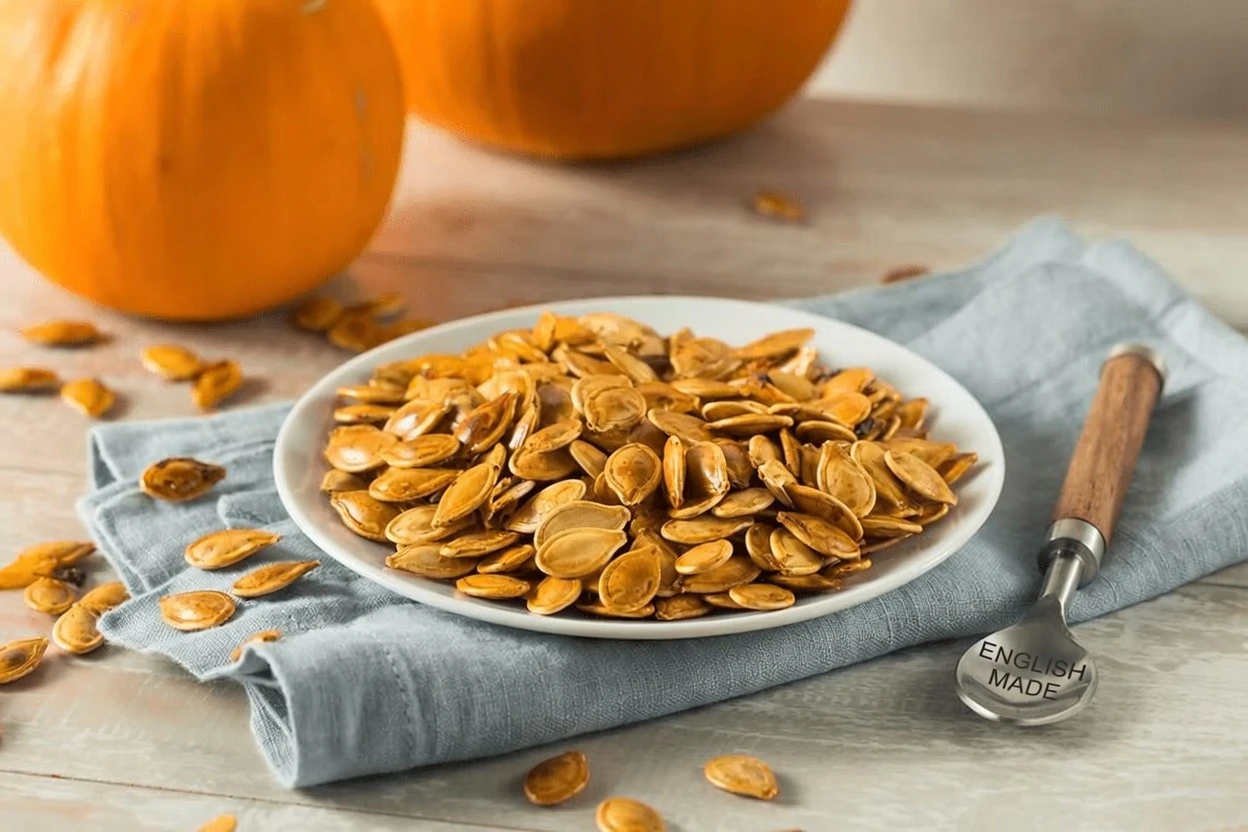
Practical Ways to Add Pumpkin Seeds to Your Routine
If you want to try pumpkin seeds for urinary comfort, consistency matters more than perfection. Research often uses the equivalent of about 5–10 g per day (or standardized extracts), while some traditional approaches use higher food amounts.
Method 1: Whole Seeds (Traditional Approach)
- Aim for about 90 g of whole pumpkin seeds per day (with hulls if tolerated).
- Split into three servings: morning, afternoon, and evening.
- Chew thoroughly or remove shells to aid digestion; avoid cracking shells with your teeth to reduce dental strain.
- For flavor, lightly roast at home:
- Spread on a baking sheet
- Bake at 300°F (about 150°C) for 10–15 minutes
Method 2: Ground Pumpkin Seed Powder (Easy to Mix Into Foods)
- Blend raw or roasted seeds into a fine powder (blender or coffee grinder).
- Take around 30 g (commonly described as 2–3 tablespoons, but adjust based on tolerance).
- Mix into:
- Yogurt
- Oatmeal
- Smoothies
- Salads
- Store in an airtight container in the refrigerator to keep it fresh.
When to Expect Changes
Some people notice improved comfort within 1–3 weeks, but many studies report more measurable changes over 4–12 weeks, with some lasting trials running for months.
Tips to Get Better Results
- Choose unsalted seeds (raw or dry-roasted) without added oils.
- Support your efforts with a balanced diet rich in fruits and vegetables and adequate hydration.
- Track symptoms (nocturia frequency, urgency, stream strength) in a simple journal so you can spot trends.
Safety Notes and When to Talk to a Healthcare Professional
In typical food amounts, pumpkin seeds are widely considered safe and well tolerated. Still, it’s smart to:
- Start with smaller servings if you are prone to digestive sensitivity.
- Check with a clinician first if you have known allergies to seeds or nuts.
Most importantly, pumpkin seeds are supportive nutrition, not a substitute for medical evaluation. Seek professional care promptly if symptoms:
- Persist or worsen
- Include pain
- Involve blood in the urine
- Affect kidney function or overall health
Severe prostate enlargement and other urinary conditions require proper assessment and treatment.
Disclaimer: This content is for informational purposes only and does not replace medical advice. Results vary by individual. Consult a qualified healthcare professional before changing your diet or health routine—especially if you have a medical condition or take medications.
Frequently Asked Questions (FAQ)
How long does it take to notice improvements after eating pumpkin seeds?
Many studies observe symptom improvements within 4–12 weeks of regular use, though timing can vary depending on age, baseline health, and symptom severity.
Should pumpkin seeds be eaten whole, or is oil/extract better?
Both forms appear in research. Whole seeds provide fiber and a broader nutrient profile, while oils or extracts may deliver more concentrated phytosterols and more consistent dosing.
Can pumpkin seeds support bladder health in women as well?
Some evidence suggests pumpkin seed oil may help with overactive bladder symptoms in both men and women, although most research focuses on men with prostate-related LUTS.
Pumpkin seeds have remained a trusted staple for a reason: they’re nutrient-rich, simple to use, and supported by growing evidence for urinary comfort. Consistent daily use—alongside healthy lifestyle habits—may make them a practical addition to a long-term wellness plan.