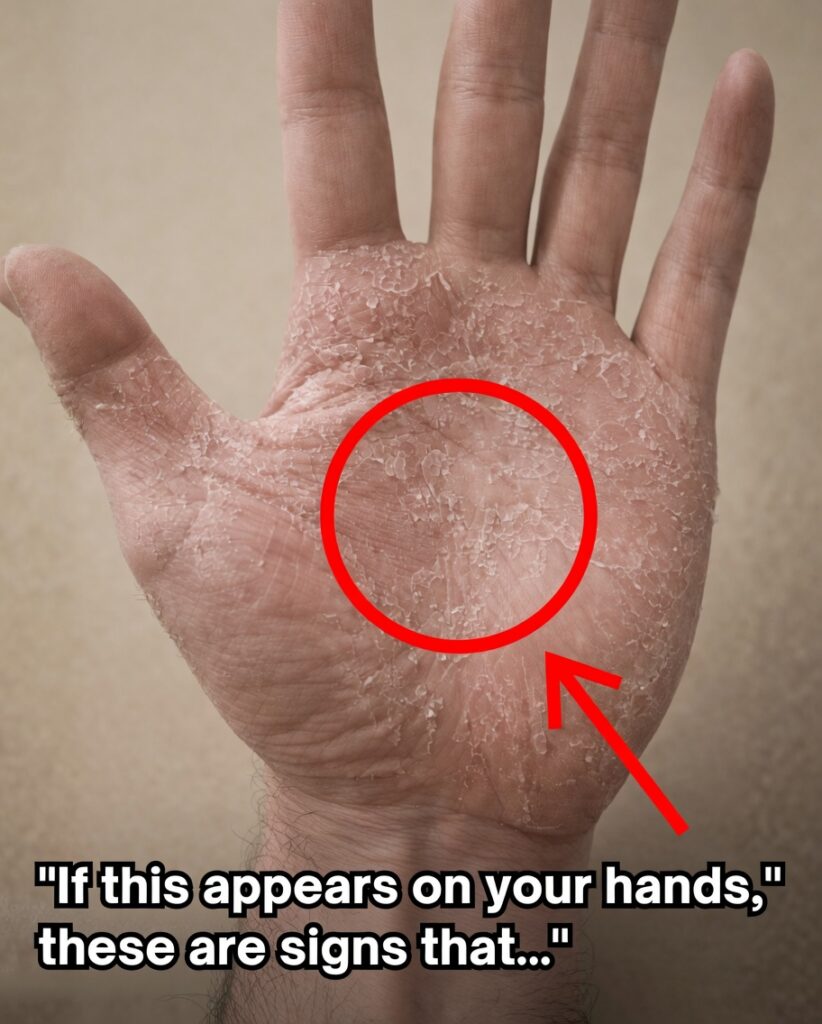
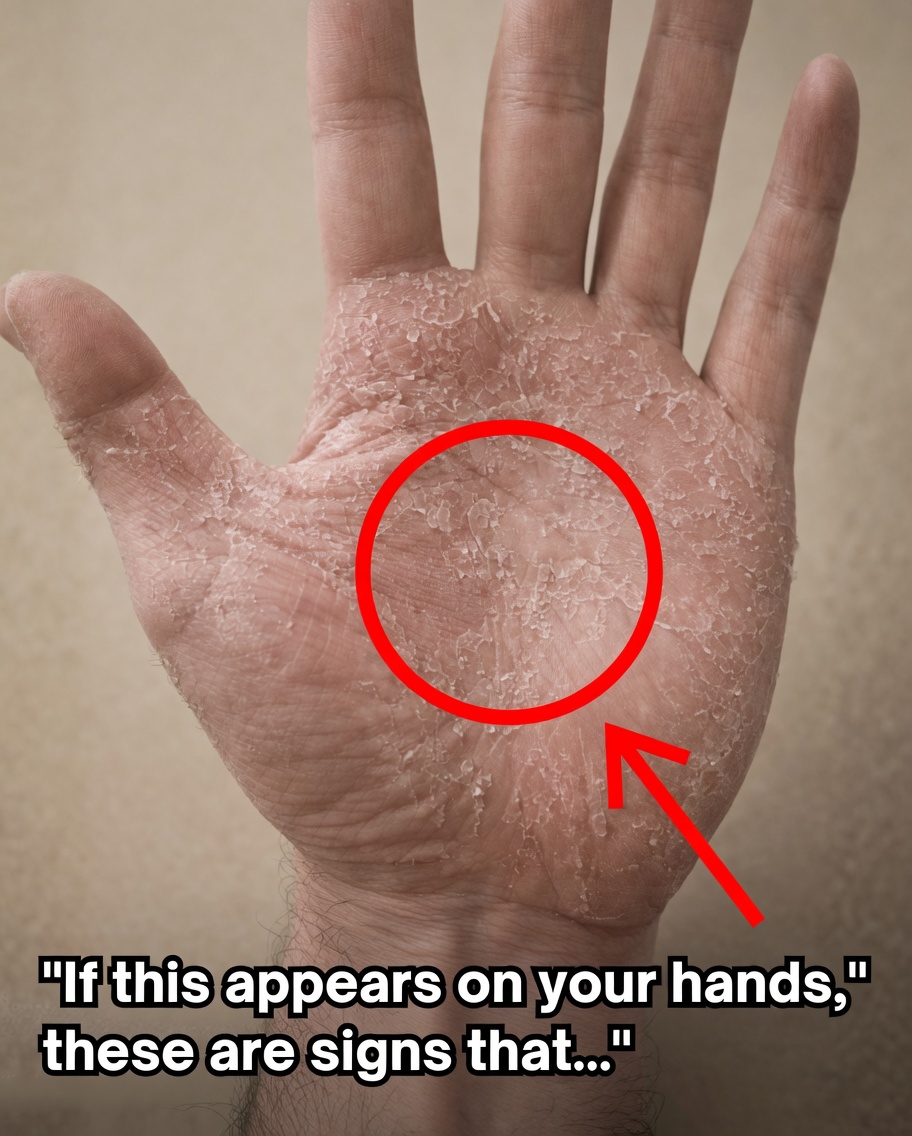
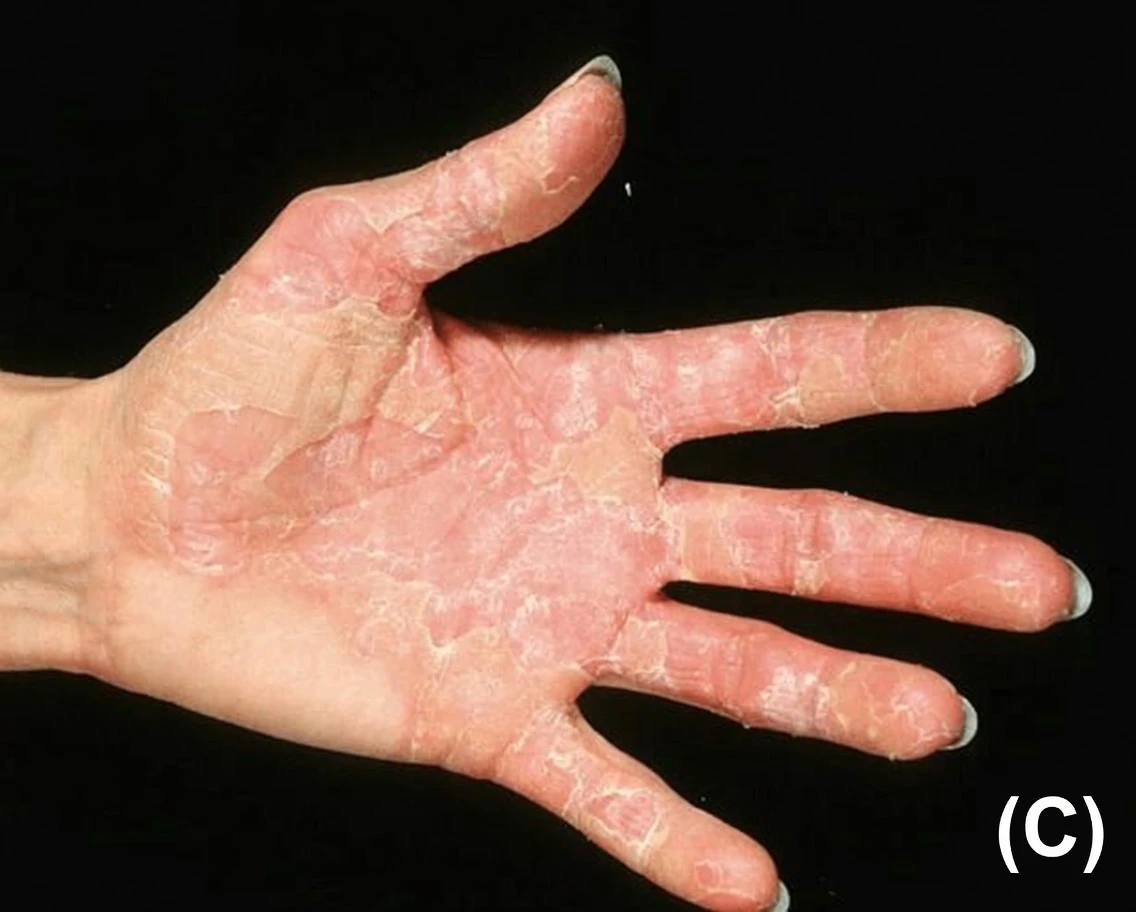
Have your palms suddenly turned rough, with thin white flakes that lift and peel away in sheets—leaving the skin underneath feeling tight, tender, and exposed? It can be especially annoying when everyday routines like dishwashing, frequent handwashing, or even a simple handshake seem to make things worse. While many people assume it’s “just dry skin,” a crisp, cracked, sheet-like peeling pattern on the palms often suggests more than a temporary reaction to the weather.
The reassuring part is that once you understand the most common causes, you can make a few practical adjustments that often bring noticeable relief.
Why Palms Start Peeling and Flaking
Palm peeling rarely appears out of nowhere. In most cases, it develops gradually when the skin’s protective barrier is repeatedly disrupted and can’t hold moisture effectively.
Common environmental and lifestyle drivers include:
- Cold, dry weather and indoor heating that draw moisture out of the skin
- Frequent handwashing, especially with hot water, which strips natural oils
- Harsh soaps and sanitizers that weaken the skin barrier over time
Some people notice a specific type of peeling that looks more dramatic—thin layers lifting in circular or sheet-like patches, sometimes without obvious redness or intense itching. Dermatology references often associate this pattern with a benign but recurring shedding of the outer skin layer, rather than a one-time episode of dryness.
On top of that, repeated exposure to irritants—like strong household cleaners or prolonged water contact—can keep the cycle going and make symptoms harder to settle.
Could It Be Hand Eczema (Hand Dermatitis) or a Similar Condition?
One of the most frequent explanations for ongoing dryness, scaling, and peeling on the palms is hand eczema, also known as hand dermatitis. It is commonly reported among adults, especially those whose work or daily routines involve frequent hand use and repeated exposure to water or chemicals.
Symptoms may begin mildly and build over time, such as:
- A dry, tight sensation
- Flaky or scaly areas that thicken
- Painful cracks that sting (and sometimes worsen with washing)
- Layered peeling as the skin attempts to repair itself
Irritants like detergents and cleaning agents can trigger flares, and factors like stress, sweating, and friction may also contribute. Dermatology guidance (including from major professional organizations) often emphasizes that what people label as “dry skin” can actually be dermatitis—especially when basic moisturizers don’t make much difference.
Another possibility is exfoliative keratolysis (also known as keratolysis exfoliativa). It commonly presents as small, superficial areas that peel in painless circles and may be more noticeable in warmer weather or when hands are sweaty.
The main point: these conditions are common, and many people experience them without realizing there’s a name—or a clear strategy—for what’s happening.
Everyday Triggers That Quietly Make Peeling Worse
Even if the root cause is mild, certain daily exposures can repeatedly set your skin barrier back. The most common culprits include:
- Frequent washing or sanitizing (constant removal of protective oils)
- Soaps, fragrances, and chemicals in household or workplace products
- Low-humidity environments (heated or air-conditioned rooms)
- Sweaty palms (moisture gets trapped, then dries quickly)
- Long water exposure (dishwashing or cleaning without hand protection)
If several of these apply to you, small routine changes can have a bigger impact than you might expect.
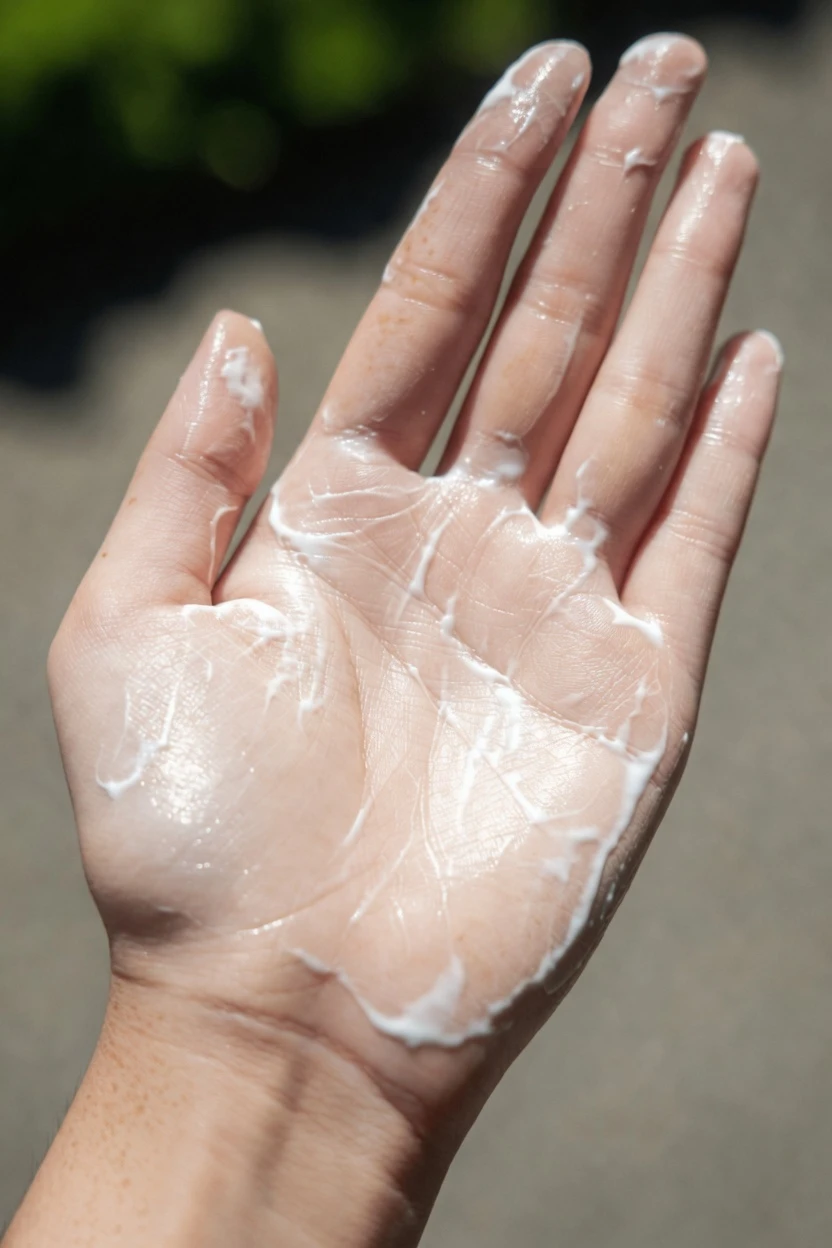
Simple Habits to Soothe Peeling Palms and Support Skin Repair
You don’t need complicated products to start improving comfort. Many people find these straightforward habits effective when done consistently:
-
Use gentler cleansers
- Pick fragrance-free, mild soaps made for sensitive skin.
- Wash with lukewarm water instead of hot.
-
Moisturize immediately after washing
- Apply a thick, unscented cream while hands are still slightly damp.
- Look for barrier-supporting ingredients such as ceramides or hyaluronic acid.
-
Wear protective gloves for wet or chemical tasks
- Use cotton-lined rubber gloves for cleaning or dishwashing to reduce direct irritation.
-
Build a simple nighttime routine
- Apply a generous layer of moisturizer before bed.
- Consider soft cotton gloves overnight to help seal in hydration.
-
Support your environment and hydration
- Drink enough fluids.
- Use a humidifier in dry rooms, especially during winter.
Consistency beats intensity. Reapplying moisturizer multiple times per day (even 4–5 times) is often more helpful than using a “stronger” product occasionally. Barrier-protection habits like these are widely recommended and may reduce flare frequency for many people with similar symptoms.
When It’s Time to Speak With a Dermatology Professional
Consider professional advice if:
- Peeling continues despite gentle care and protection
- Cracks become painful, bleed, or worsen
- The affected area spreads or becomes inflamed
- It interferes with daily tasks or sleep
A dermatologist can help identify the most likely cause, uncover specific triggers, and suggest a personalized plan. Addressing it early often prevents symptoms from becoming more persistent or uncomfortable.
Final Thoughts: Treat Peeling as a Skin-Barrier Warning Sign
Flaky, peeling palms are often your skin’s way of saying its protective barrier needs support. Whether the trigger is dry air, frequent washing, irritant exposure, or conditions like hand eczema or exfoliative keratolysis, adjusting daily habits can make a meaningful difference. Start with gentle cleansing, consistent moisturizing, and better protection—and track what helps your hands feel calmer over time.
FAQ
-
What typically causes peeling skin on the palms?
Common causes include dry air, frequent water exposure, irritants (soaps/cleaners), and skin conditions such as eczema/hand dermatitis or exfoliative keratolysis, which can make the outer layer shed more easily. -
How do I know if it’s just dry skin or something more persistent?
If it improves quickly with thick moisturizer and reduced exposure to irritants, it may be simple dryness. If peeling persists, cracks recur, or moisturizers barely help, an underlying condition like dermatitis may be involved. -
Are there fast ways to reduce discomfort from peeling hands?
Many people feel relief by moisturizing often, switching to mild fragrance-free products, using lukewarm water, and wearing gloves for wet work. Consistent care for several days to weeks typically brings the best results.
Disclaimer
This article is for informational purposes only and is not a substitute for professional medical advice. Skin changes can have multiple causes. For personalized guidance—especially if symptoms persist, worsen, or become painful—consult a qualified healthcare provider. This article does not diagnose conditions or recommend specific medical treatments.