
Many people begin the morning with lemon water for its clean, refreshing flavor and its reputation as a simple wellness habit. Lemons do provide vitamin C and antioxidants that can support hydration and overall health. However, the same natural acidity that makes lemon taste bright can also create problems when lemon water is prepared poorly or consumed too often—leading to tooth enamel wear, digestive irritation, and other uncomfortable side effects.
The encouraging part is that most of these issues come from a handful of common, avoidable habits. Below are 11 frequent mistakes people make with lemon water, along with practical, safer alternatives so you can keep the benefits and reduce the risks.
Lemon Water Benefits (When You Prepare It Properly)
Lemons contain vitamin C, citric acid, and beneficial plant compounds that contribute to immune support and antioxidant intake. One well-known advantage: citric acid may help reduce kidney stone risk in some people by increasing citrate levels in urine, which can inhibit stone formation.
When it’s well diluted, lemon water can also:
- Encourage better hydration (because it tastes better than plain water)
- Support digestion by stimulating saliva and gastric secretions
- Add flavor without added sugar or calories, making it a smart alternative to sweet drinks
- Support skin health over time, since vitamin C plays a role in collagen production
These advantages tend to show up most reliably with moderation and proper dilution—not extreme intake.

11 Common Lemon Water Mistakes (And How to Fix Each One)
1. Relying on Lemon Water for Weight Loss on an Empty Stomach (Especially Cold)
Lemon water doesn’t “melt fat.” Its biggest contribution to weight management is often indirect: improved hydration may reduce unnecessary snacking and help you feel more satisfied. But drinking cold lemon water on an empty stomach can trigger nausea or stomach discomfort for some people because the acid hits an unbuffered stomach lining.
Better option:
- Use lukewarm water
- Consider a small amount of honey if you need a softer taste
- Drink it 30 minutes before or after meals, rather than when you’re very hungry
2. Using It as a “Hangover Cure”
Lemon water doesn’t neutralize alcohol or undo its effects. If your stomach is already irritated from drinking, adding acidity may worsen nausea or burning sensations.
Smarter approach:
- Prioritize plain water and electrolytes for rehydration
- If you want lemon water, have it later—and keep it diluted
3. Drinking Too Much in One Day
Having lemon water all day long or drinking multiple strong servings increases acid exposure. For people prone to reflux or sensitive digestion, this can lead to heartburn, bloating, or abdominal discomfort.
A safer guideline:
- Limit intake to 1–2 glasses daily
- Keep it mild: roughly half a lemon across several glasses (not per glass)
4. Drinking It Immediately After Waking (With No Food)
For some, lemon water first thing in the morning is fine. For others—especially those with reflux, gastritis, or sensitivity—acidity on an empty stomach may cause irritation.
Try this instead:
- Have lemon water after a light breakfast
- If you insist on early intake, make it extra diluted and keep the portion small
5. Taking Straight Lemon Juice Shots
Undiluted lemon juice is highly acidic (around pH 2–3). Direct exposure can irritate your mouth, throat, and stomach.
Fix:
- Always dilute generously until it tastes light—not concentrated

6. Tossing the Peel and Missing Extra Value
Lemon peel contains aromatic oils and additional plant compounds. While you don’t need peel to benefit from lemon water, discarding it every time can mean missing potential nutrients and flavor.
Upgrade your routine:
- Wash lemons thoroughly, then add thin slices (with peel) to warm water
- Use zest for flavor (avoid bitter white pith if you dislike it)
7. Using Water That’s Too Hot or Too Cold
Very hot water can reduce heat-sensitive nutrients (like vitamin C). Very cold lemon water may feel harsh on sensitive digestion.
Best temperature:
- Aim for lukewarm (close to body temperature)
8. Putting Undiluted Lemon Juice on Skin for Acne or “Brightening”
Applying concentrated lemon juice can cause stinging, dryness, irritation, and increased sun sensitivity (phototoxic reactions).
Better alternative:
- Avoid direct lemon juice skincare
- If you still choose to try it, dilute heavily, patch-test, and stop immediately if irritation occurs
- For acne or pigmentation, a dermatologist-approved routine is safer and more predictable
9. Believing Lemon Water Causes Kidney Stones (Common Myth)
Many people worry lemons contribute to stones because they’re acidic. In reality, lemon’s citrate can be helpful for stone prevention in certain cases by reducing calcium stone formation.
Balanced takeaway:
- Lemon water is generally more supportive than harmful for kidney stone risk when used moderately
- Avoid heavy intake late at night if it disrupts sleep with frequent bathroom trips
10. Going Into Direct Sunlight After Using Lemon on Skin
Even diluted lemon mixtures can increase sun sensitivity for some people. This raises the chance of irritation or uneven pigmentation.
Precaution:
- Don’t apply lemon-based mixtures before sun exposure
- If you used it, avoid sun and consider sunscreen—though skipping lemon topicals is usually the safest choice
11. Ignoring Dental Protection
The most overlooked downside of lemon water is its effect on teeth. Frequent exposure to citric acid can soften enamel temporarily, and repeated contact may contribute to enamel erosion and sensitivity over time.
Protect your teeth with these habits:
- Drink with a straw to reduce contact with teeth
- Rinse with plain water afterward
- Wait 30–60 minutes before brushing (brushing too soon can increase enamel wear)
- Avoid sipping slowly for hours—drink it in one sitting
How to Drink Lemon Water Safely (Simple Routine)
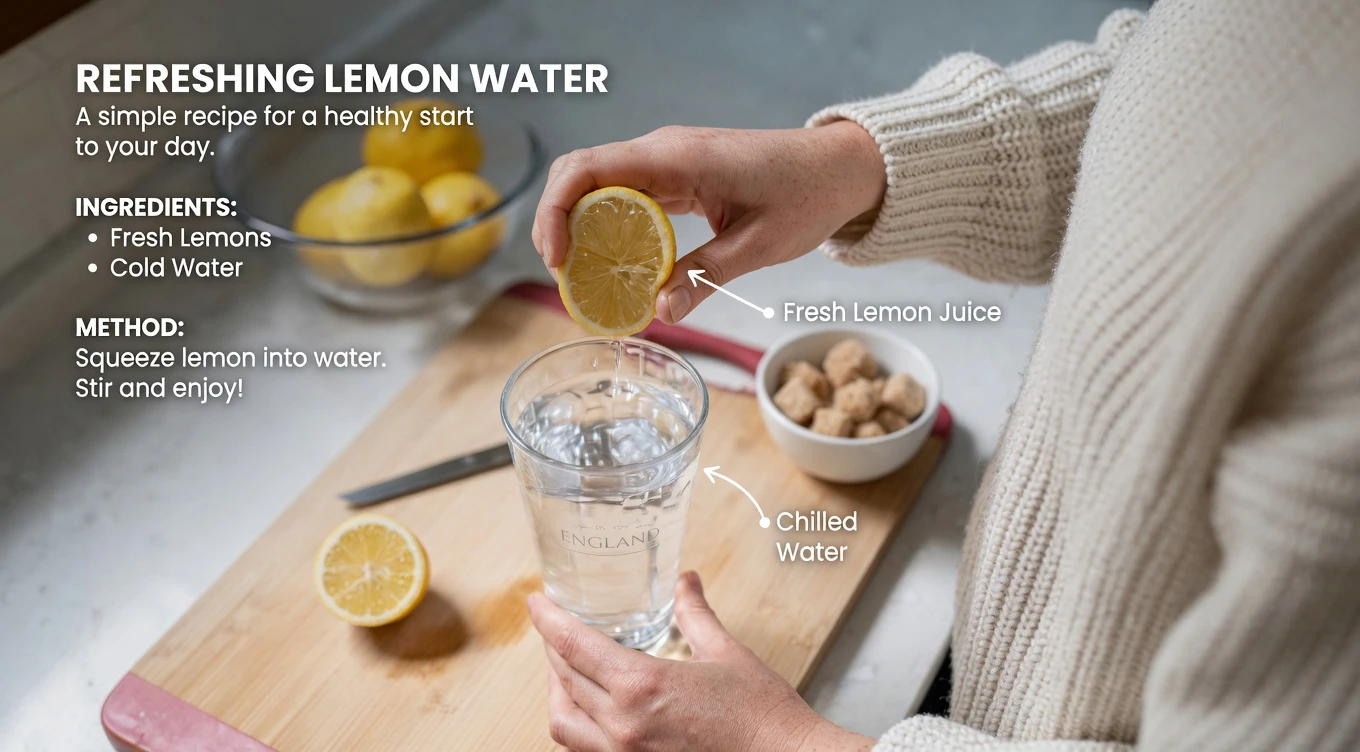
Use this practical method to keep lemon water gentle and effective:
- Squeeze ½ a fresh lemon into 8–12 oz of lukewarm water
- Optional additions: a small amount of honey, fresh mint, or ginger
- Use a straw when possible
- Rinse your mouth with plain water after finishing
- Keep it to 1–2 diluted servings per day
- If you tolerate it well, include thin lemon slices with peel (well washed)
- Pay attention to your body: reflux, burning, or tooth sensitivity are signs to reduce frequency or strength
Conclusion
Lemon water can be a smart, low-calorie way to improve hydration while adding vitamin C and beneficial plant compounds. The key is not overdoing it. By avoiding these 11 common mistakes—especially undiluted servings, excessive daily intake, and poor dental habits—you can enjoy lemon water as a gentle wellness tool rather than a source of irritation. The real “secret” is simple: dilution and moderation deliver the benefits while minimizing drawbacks.
FAQ
Is lemon water safe to drink every day?
For most people, yes—if it’s well diluted and limited to 1–2 glasses daily. If you have acid reflux, gastritis, or dental sensitivity, you may need to reduce frequency or avoid it.
Does lemon water actually help digestion?
It may help mildly by stimulating saliva and gastric activity, especially when served warm and consumed around meals rather than on a completely empty stomach.
Can lemon water permanently damage teeth?
It can contribute to enamel erosion over time if you drink it frequently, concentrate it, or sip it all day. Using a straw, rinsing afterward, waiting before brushing, and keeping intake moderate significantly lowers the risk.
Disclaimer: This article is for informational purposes only and does not replace professional medical advice. Speak with a healthcare provider for personalized guidance, especially if you have digestive conditions, dental concerns, or other health issues.