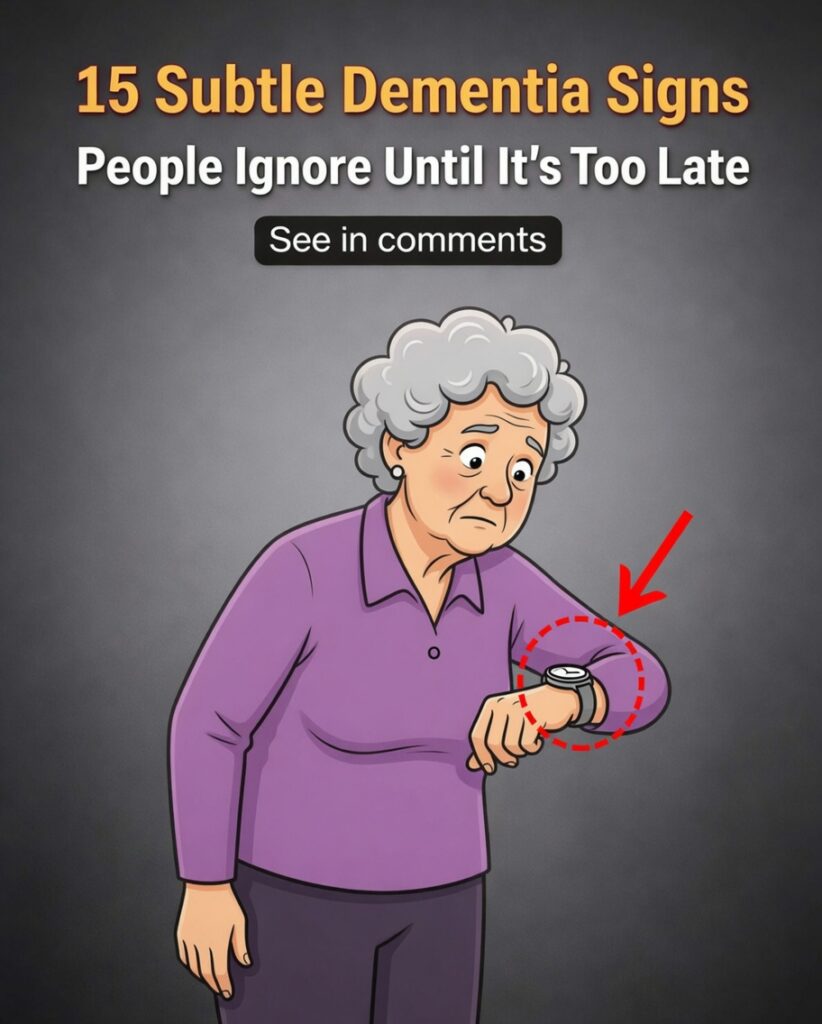
Many older adults notice small memory slips—misplacing keys, losing track of a name—and assume it’s simply part of aging. Yet in some cases, these seemingly minor changes can be the earliest hints of cognitive decline, including the early stages of dementia. Because the shifts are often gradual, they’re easy to dismiss at first, even as they begin to affect everyday routines over time.
The encouraging part is that early awareness can lead to timely medical conversations, practical lifestyle changes, and stronger support—steps that may help preserve independence for longer. Below are 15 subtle, frequently overlooked signs and a clear plan for what to do if you recognize them in yourself or someone you care about.
Normal Aging vs. Concerning Cognitive Changes
Some slowing of memory and processing speed is common with age. Health organizations such as the Alzheimer’s Association note that occasional lapses—like briefly forgetting where you parked or searching for a word—can be normal.
The concern grows when changes become persistent, happen more often, or begin to interfere with daily functioning and safety. Early cognitive decline frequently affects short-term memory first (recent conversations, today’s plans), while older memories may remain relatively clear. The most important clues are pattern and impact: if forgetfulness disrupts routine life, it’s worth discussing with a healthcare professional.
15 Subtle Signs People Often Overlook
The following early indicators are widely referenced by trusted sources such as the Alzheimer’s Association, Mayo Clinic, and similar medical organizations. They may appear slowly and look different from person to person.

-
Forgetting recent events
- Remembering long-ago stories clearly, but struggling to recall what happened earlier today or what was discussed a few hours ago.
-
Repeating questions or stories
- Asking the same question multiple times in a short window, even after receiving an answer.
-
Word-finding difficulty
- Losing the right word mid-sentence, using the wrong term, or describing an object instead of naming it.
-
Putting items in unusual places
- Leaving keys in the trash or glasses in the refrigerator—and being unable to logically retrace steps afterward.
-
Getting disoriented in familiar locations
- Feeling lost on a route you’ve taken for years or making wrong turns in a well-known neighborhood.
-
Trouble with planning or working with numbers
- Difficulty following a familiar recipe, keeping up with bills, or managing finances that were once routine.
-
Confusion about time or dates
- Mixing up days, losing track of the season, or confusing morning and evening more than occasionally.
-
Unexplained mood changes
- Becoming noticeably more anxious, irritable, or withdrawn without a clear reason.
-
Personality changes that feel out of character
- A previously social person becoming unusually apathetic, or someone becoming more suspicious than before.
-
Loss of interest in hobbies
- Dropping activities that once brought enjoyment, such as reading, gardening, crafts, or meeting friends.
- New driving difficulties
- Slower reaction time, uncertainty judging distance, or getting lost on familiar drives.
- Difficulty with abstract thinking
- Struggling with metaphors, jokes, or tasks involving symbols and numbers (for example, financial concepts).
- Decline in personal hygiene or self-care
- Skipping bathing, wearing mismatched clothing, or dressing inappropriately for the weather more often.
- Changes in movement and balance
- Slower walking, shuffling steps, or more frequent stumbles and near-falls.
- Inappropriate social responses
- Laughing or crying unexpectedly, or behaving unusually in public or social settings.
These signs often become more meaningful when they cluster together or gradually intensify over weeks or months.
Why Early Awareness Matters So Much
Recognizing early changes can shift the outcome in important ways. An evaluation may:
- Identify treatable causes that can mimic cognitive decline (for example, vitamin deficiencies, depression, thyroid issues, sleep problems, or medication side effects)
- Provide access to screening and monitoring, especially if symptoms are progressing
- Connect individuals and families to resources, support groups, and day-to-day strategies
- Encourage brain-supportive habits, including attention to heart health, physical activity, and social connection, which may help protect cognitive function

A Practical Action Plan You Can Start Today
If any of these signs sound familiar, use this step-by-step approach to move forward calmly and productively:
-
Track what you notice (2–4 weeks)
- Write specific examples with dates, what happened, and how it affected the day. Patterns are more useful than single incidents.
-
Have a supportive conversation
- Share concerns gently, focusing on safety and well-being—not labels or assumptions.
-
Book a medical check-up
- Bring your notes to a primary care clinician, who may perform a brief cognitive screen and decide whether specialist referral is appropriate.
-
Strengthen daily brain-health habits
- Prioritize evidence-supported basics: regular exercise, a nutrient-rich diet (fruits and vegetables emphasized), mental stimulation, consistent sleep, and meaningful social interaction.
-
Build a support network early
- Involve family members and explore community resources sooner rather than later to reduce stress and improve planning.
Quick Comparison: Normal Aging vs. Potential Red Flags
-
Memory
- Normal: Occasionally forgetting a name but remembering later
- Concerning: Regularly losing recent information or repeating questions
-
Daily activities
- Normal: Needing an occasional reminder for appointments
- Concerning: Struggling with familiar tasks like cooking, paying bills, or driving
-
Mood and behavior
- Normal: Mild irritability at times
- Concerning: Sudden personality shifts, unexplained anxiety, or social withdrawal
Conclusion: Awareness Is a Powerful First Step
Cognitive changes do not automatically mean the end of independence. Many people continue to live meaningful, connected lives for years—especially when changes are recognized early and addressed with the right support. Staying observant and proactive gives you or your loved one the best chance to protect safety, plan wisely, and focus on what matters most.
Frequently Asked Questions
-
What if I notice only one or two signs?
A single symptom may be related to stress, poor sleep, medications, or other non-dementia causes. If multiple signs appear, become more frequent, or worsen over time, a medical evaluation can provide clarity and peace of mind. -
Is cognitive decline unavoidable as we age?
No. Some changes are common, but significant decline is not inevitable. Genetics, overall health, and lifestyle all influence brain aging. -
Do lifestyle changes actually make a difference?
Many studies suggest they can. Regular physical activity, balanced nutrition, mental engagement, and social connection support brain health and may slow decline for some individuals.
Disclaimer: This article is for informational purposes only and does not replace professional medical advice. If you or someone you know is experiencing these changes, consult a qualified healthcare provider for evaluation and guidance.