Many adults over 60 start to notice subtle (and sometimes not-so-subtle) changes: knees that crackle when standing up, hips that feel stiff, or a lower back that tightens after sitting too long. Even simple actions—rising from a chair, walking across a room, or carrying groceries—can feel harder as muscle mass naturally declines and joints become less flexible.
The encouraging part is that staying active doesn’t have to mean long walks or standing workouts—especially if mobility limitations, arthritis discomfort, or balance concerns make those options unpleasant or unsafe. Seated chair exercises provide a joint-friendly way to maintain strength, balance, and everyday comfort from the safety of a sturdy chair at home. Many geriatrics and orthopedic professionals recommend these low-impact routines because research (including systematic reviews) suggests chair-based exercise programs can improve balance, muscle strength, and functional mobility in older adults.
In this guide, you’ll learn five simple chair exercises that are easy to fit into daily life—even while watching TV. At the end, you’ll find a quick-reference table plus practical safety tips to help you feel more confident as you move.

The Real Challenge After 60: Why Movement Matters More Than Ever
As we age, sarcopenia—the gradual loss of muscle mass—becomes increasingly common. This shift can reduce leg strength, affect balance, and make everyday movement feel less steady. Add in common issues like joint stiffness in the knees and hips, and many people begin to avoid activity out of discomfort or fear of falling.
For some, regular walking becomes difficult due to arthritis pain, fatigue, or uncertainty about stability. Yet guidance from major health organizations and findings across multiple studies consistently show that gentle, consistent movement helps support circulation, preserve muscle, and reduce day-to-day discomfort, including aches around the knees and lower back.
That’s where chair exercises for seniors stand out. Because you’re seated and supported, you can work muscles using controlled bodyweight movements without putting excessive stress on joints. Many older adults report feeling steadier and more energized when they practice regularly—and you can start small, then build up over time.
Why Chair Exercises Are a Smart Choice for Adults Over 60
Seated exercise routines are commonly recommended by geriatric and physical therapy professionals because they combine safety, accessibility, and real functional benefits. They minimize impact on sensitive joints, reduce the chance of falls during training, and still encourage blood flow and muscle engagement.
You don’t need special equipment—just a stable chair and a few minutes. With consistency, many people notice:
- Improved posture and body control
- Less stiffness, especially after sitting or in the morning
- More ease when standing up or walking short distances
Evidence from research reviews and meta-analyses on chair-based programs supports improvements in strength and balance in older populations.
Key advantages include:
- Low joint stress: Movements stay controlled and seated
- Balance-building without risk: Train ankles and legs without standing
- Convenience: Do them anywhere—living room, kitchen, or during TV time
- Progressive approach: Begin with fewer reps and increase gradually
The 5 Chair Exercises Specialists Often Recommend
These movements reflect common recommendations in senior fitness and rehabilitation resources, aligned with the well-supported benefits of seated training.
5) Seated Leg Raises (Quad Strength for Everyday Stability)
This exercise targets the quadriceps, the front-thigh muscles that help you stand up, climb steps, and walk with more confidence.
How to do it:
- Sit tall in a firm chair, back straight, feet flat on the floor.
- Slowly extend one leg forward until it’s straight (keep the knee slightly soft if needed).
- Hold for 3–5 seconds, then lower with control.
- Do 8–10 repetitions per leg.
You should feel a mild, controlled contraction in the thigh. Over time, this can support better steadiness and improved sit-to-stand strength.
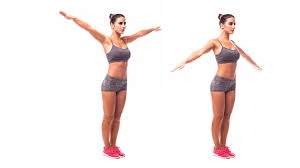
4) Arm Circles (Shoulder Mobility and Upper-Body Comfort)
With age, shoulders can tighten, making it harder to reach, lift, or do overhead tasks. Arm circles are a gentle way to maintain shoulder range of motion.
How to do it:
- Sit upright. Extend both arms out to the sides at shoulder height (or lower if preferred).
- Make small forward circles for 10 repetitions.
- Reverse and do 10 circles backward.
This movement can help reduce upper back tension, support posture, and keep shoulders feeling more mobile—without strain.
3) Seated March (Gentle Cardio for Circulation and Core Activation)
A seated march mimics walking while keeping you stable and supported. It’s a simple way to wake up the legs and lightly engage the core.
How to do it:
- Sit tall. Place hands on thighs or hold the sides of the chair for support.
- Lift one knee toward your chest as far as comfortable, then lower.
- Alternate legs in a steady rhythm for 20–30 total marches.
It’s an easy option for a circulation boost, especially helpful if you sit for long periods.
2) Torso Rotations (Spinal Flexibility and Lower-Back Comfort)
Lower-back stiffness is common, and gentle twisting helps maintain spinal mobility for daily tasks like reaching, turning, and getting in and out of a car.
How to do it:
- Sit tall with feet flat. Place hands on thighs or cross arms over your chest.
- Gently rotate your upper body to one side; look over your shoulder if comfortable.
- Hold 2–3 seconds, return to center, then rotate to the other side.
- Repeat 8–10 times per side.
Keep the movement slow and controlled—this is about mobility, not forcing a deeper twist.
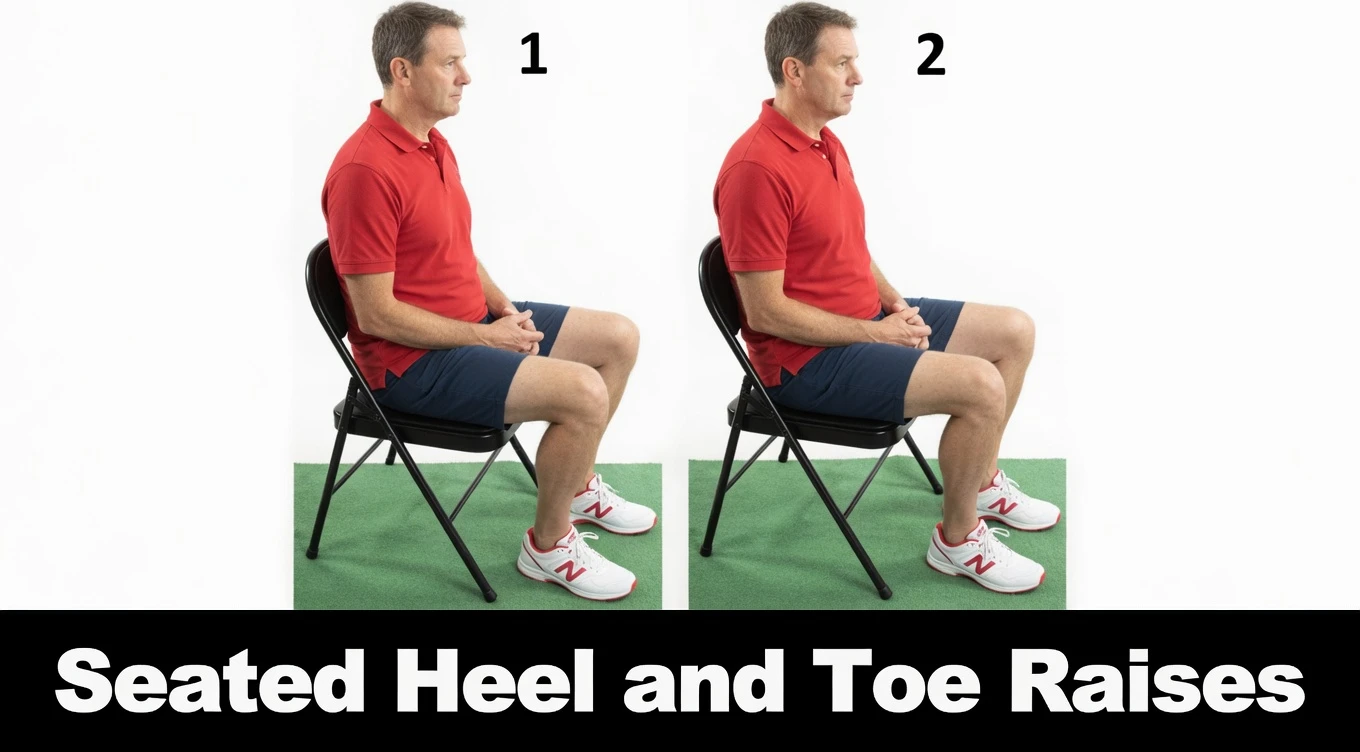
1) Heel and Toe Raises (Ankle Strength for Better Balance)
Strong ankles help reduce the risk of trips and improve overall stability. This simple move strengthens the ankles and calves—key for balance and confident walking.
How to do it:
- Keep both feet flat on the floor.
- Lift your heels (so you’re on your toes), hold briefly, then lower.
- Next, lift your toes while keeping heels down, then lower.
- Do 10–15 reps of each, or alternate for 15–20 total repetitions.
Small movement, big payoff: better ankle control can translate into better balance and fall prevention support.
Quick Reference: Benefits at a Glance
- Seated Leg Raises — Thighs & knees — Supports standing and walking stability — 8–10 per leg
- Arm Circles — Shoulders & upper back — Improves mobility and posture — 10 each direction
- Seated March — Legs, core & circulation — Gentle cardio and energy boost — 20–30 total
- Torso Rotations — Spine & back — Promotes flexibility and comfort — 8–10 per side
- Heel/Toe Raises — Ankles & calves — Enhances balance and stability — 15–20 total
How to Practice These Safely at Home
For safe chair workouts, choose a sturdy, non-rolling chair with solid support. Sit tall, keep feet grounded, and breathe steadily.
Helpful safety guidelines:
- Aim for 1–2 sets of each exercise
- Practice 3–5 days per week
- Move slowly and stay in a comfortable range
- Never push through sharp pain
- Start with fewer repetitions and build gradually
If you feel sharp, unusual, or worsening discomfort, stop and check with a healthcare professional.
Don’t Let Age Limit Your Movement—Small Steps Add Up
Imagine daily life feeling a little easier: getting up from a chair more smoothly, walking short distances with more confidence, and feeling less stiff throughout the day. These chair exercises for older adults support strength, balance, and everyday mobility in a gentle, practical way.
You don’t need long walks or intense workouts—just a chair, a few minutes, and consistency. Try one or two exercises today and see how your body responds. Pairing the movements with slow, deep breathing can make the routine feel even more comfortable.
Frequently Asked Questions
How often should I do chair exercises?
A practical goal is 3–5 days per week, starting with 1 set per exercise and increasing gradually as you feel stronger. Consistency matters more than intensity—especially for improving comfort, balance, and daily function.