Daily Prilosec Use: What Long-Term Acid Suppression May Mean for Your Health
For many people living with frequent heartburn or acid reflux, taking Prilosec every day becomes part of normal life. It can make meals more comfortable, reduce that familiar burning in the chest, and help prevent nighttime symptoms from disrupting sleep. Over time, though, a simple daily habit can raise bigger questions. If stomach acid is being reduced for months or even years, what effect could that have on the rest of the body?
That concern is understandable. Ongoing reflux symptoms can be exhausting, and relying on medication indefinitely may feel frustrating, especially when everyday pleasures like coffee or spicy food start to trigger stress instead of enjoyment. Looking more closely at the role of long-term Prilosec use can help you better understand your options and have a more informed conversation with your doctor.
How Prilosec Helps Relieve Acid Reflux
Prilosec is the brand name for omeprazole, a medication in the proton pump inhibitor (PPI) family. PPIs work by lowering the amount of acid the stomach produces. With less acid, irritation from reflux and related digestive issues often improves, giving many people meaningful short-term relief.
Used for limited periods, Prilosec can be highly effective and easy to fit into daily life. However, when it becomes a long-term routine, research has identified several health areas worth monitoring. These findings do not prove that the drug directly causes every problem, but they do suggest that extended daily use deserves careful review.
What Research Has Examined About Long-Term Daily Prilosec Use
Medical studies and large reviews have explored how prolonged PPI use may be associated with changes in the body. These are generally described as associations, not guaranteed outcomes, and personal health factors matter a great deal. Still, knowing the common concerns can help you make better decisions with your healthcare provider.
1. Bone Strength and Fracture Risk
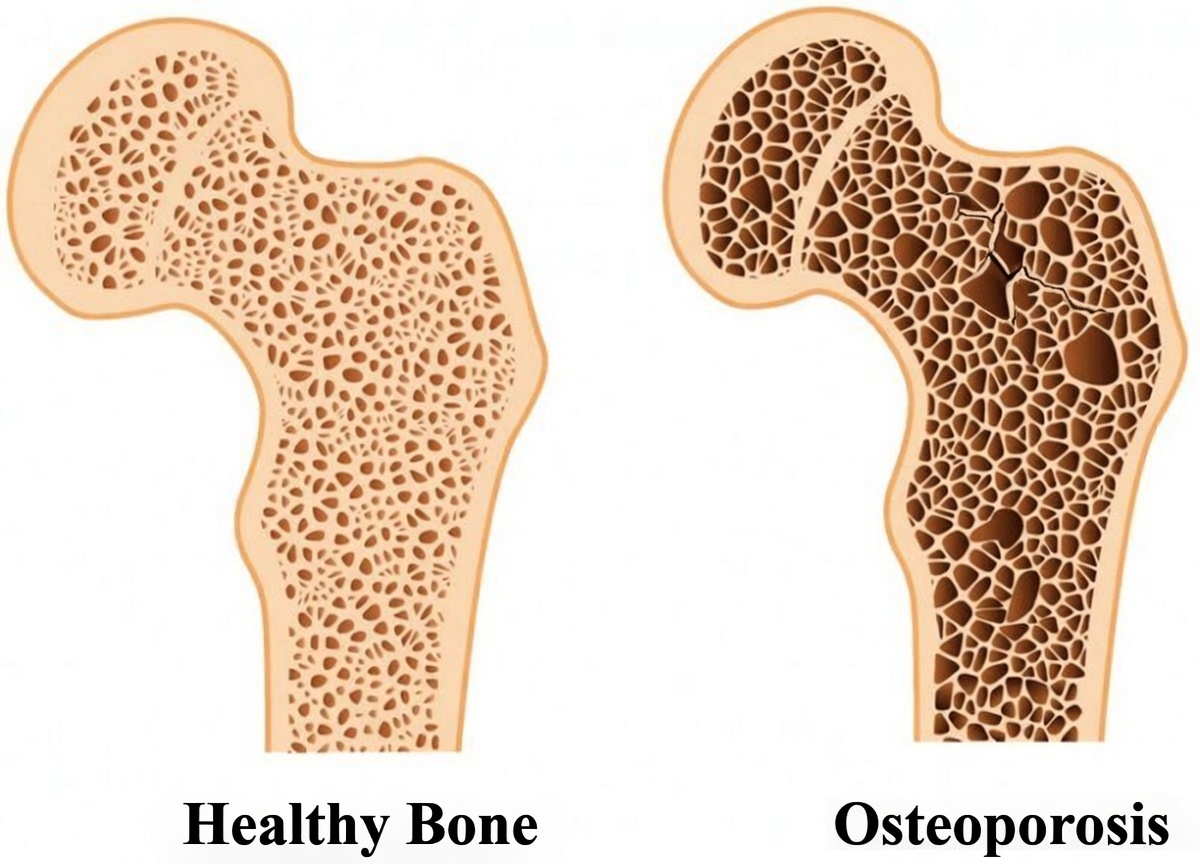
Some research suggests that taking PPIs such as Prilosec every day for longer than a year, especially at higher doses, may be linked to a modestly higher risk of fractures involving the:
- Hip
- Wrist
- Spine
One possible reason is that reduced stomach acid may interfere with calcium absorption, which is important for maintaining healthy bones. This issue may be especially relevant for adults over 50.
2. Reduced Absorption of Important Nutrients
Lower stomach acid can also affect how the body absorbs certain vitamins and minerals. Research has noted possible links between long-term PPI use and:
- Vitamin B12 deficiency, which may contribute to fatigue, weakness, or tingling sensations
- Low magnesium levels, which in rare cases can affect muscle function and heart rhythm
These issues do not happen to everyone, but they are important enough to discuss if you have been taking Prilosec for an extended period.
3. Greater Risk of Certain Digestive Infections
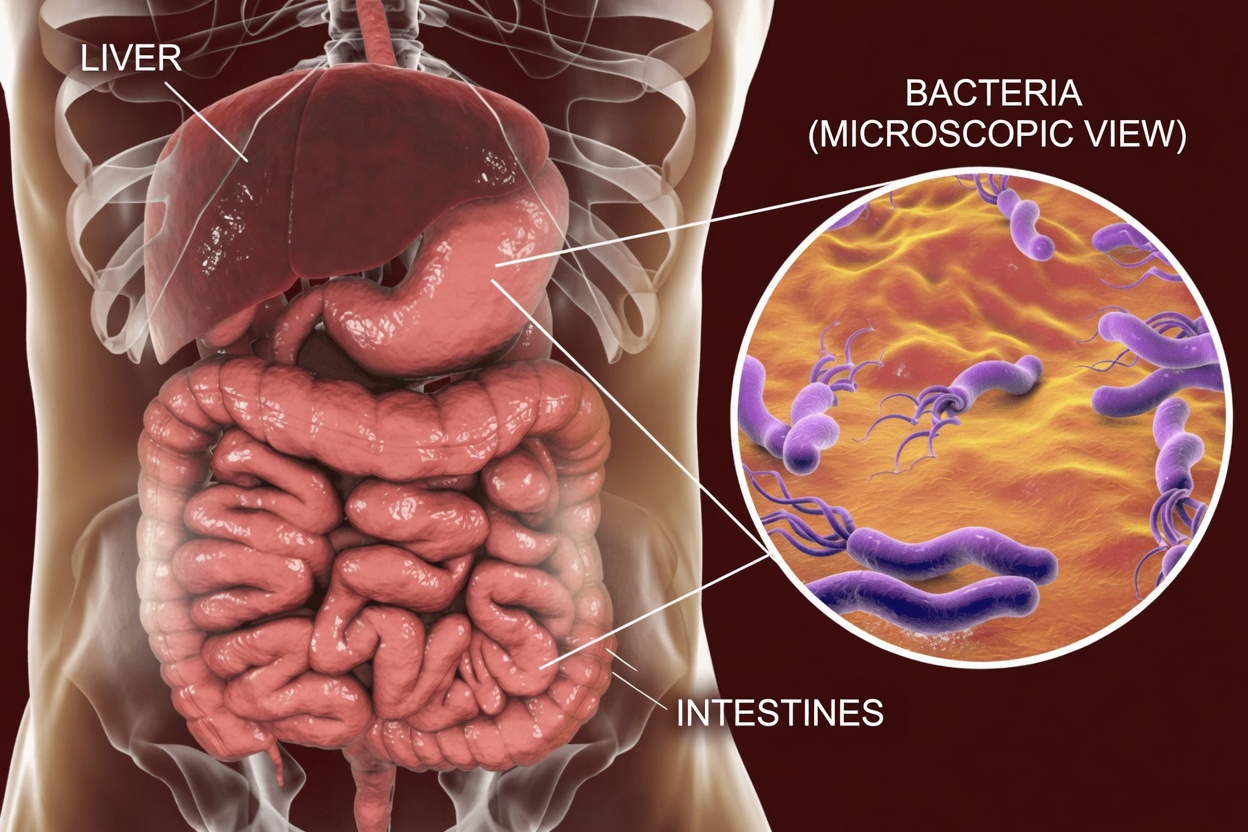
Stomach acid serves as one of the body's natural defenses against harmful microbes. When acid stays suppressed over time, some observational studies suggest a possible increased risk of infections such as Clostridium difficile (C. diff).
This kind of infection can lead to symptoms like:
- Significant diarrhea
- Stomach pain
- Cramping
- General digestive upset
Prompt medical attention is important if these symptoms appear.
4. Kidney Health Concerns
Long-term PPI use has also been associated in some studies with kidney-related problems, including inflammation or changes in kidney function. These effects are considered uncommon, but they can be serious if overlooked.
Possible warning signs may include:
- Swelling
- Changes in urination
- Unexplained fatigue
- Other unusual symptoms that should be medically evaluated
5. Changes in the Stomach Lining
Some studies have linked prolonged acid suppression with the development of fundic gland polyps, which are small growths found in the upper part of the stomach. These are usually benign and often discovered incidentally during exams or procedures.
The key point is not to panic, but to stay informed and proactive.
Why Stomach Acid Is More Important Than It Seems
Stomach acid does much more than cause heartburn when it rises into the esophagus. It also plays a role in:
- Breaking down food
- Helping the body absorb nutrients
- Protecting against harmful bacteria and other microbes
When acid production is lowered day after day, the body may adapt in ways researchers are still studying. The good news is that many people manage reflux successfully while also keeping an eye on long-term health. Regular check-ins with a healthcare professional can help make sure your treatment plan still fits your needs.
Practical Steps to Take if You Use Prilosec Every Day
If daily Prilosec has been part of your routine for a while, there are several simple ways to stay informed and involved in your care. These are not meant for self-diagnosis or self-treatment. Instead, they can help you prepare for a productive discussion with your doctor.
Track Your Symptoms and Medication Use
Keep a brief daily record of:
- When you take Prilosec
- How often symptoms appear
- Any side effects or unusual changes
This kind of log can reveal patterns over time and give your doctor useful details.
Schedule a Medication Review
Set up a visit specifically to talk about your PPI use. Ask whether your current dose, frequency, and duration still make sense. Many clinicians recommend reassessing treatment after the initial 4 to 8 weeks, especially if the medication has become a long-term habit.
Ask About Blood Tests
If you have been on Prilosec for a long time, it may be reasonable to request basic lab work to check levels of:
- Vitamin B12
- Magnesium
This can offer reassurance or help identify problems early.
Strengthen Symptom Control With Lifestyle Habits
Small daily changes can often support reflux management, including:
- Eating smaller meals
- Avoiding foods that personally trigger symptoms
- Limiting caffeine if it worsens reflux
- Avoiding heavy meals close to bedtime
- Staying upright after eating
These habits may work well alongside medical treatment.
Discuss Alternatives to Daily Use
In some cases, your doctor may recommend exploring:
- Lower doses
- Occasional-use approaches
- Other reflux-management strategies
Any medication change should be made under professional guidance, not on your own.
Everyday Habits That Support Digestive Comfort
Medication is only one part of the picture. Daily routines can also affect how your digestive system feels. Many people benefit from focusing on habits such as:
- Drinking enough water
- Managing stress through light exercise or relaxation techniques
- Choosing balanced meals with whole, nutrient-rich foods
- Paying attention to how specific foods affect symptoms
These consistent choices may improve overall digestive comfort and help you feel more in control while working with your doctor on treatment decisions.
Final Thoughts: Stay Informed and Review Your Routine Regularly
Prilosec can be a valuable short-term tool for relieving heartburn and acid reflux. But when daily use continues over the long term, it is smart to understand what research has found and to review your plan periodically. Awareness does not mean fear. It means making informed choices.
The most important takeaway is simple: stay in close communication with your healthcare team, revisit your treatment plan regularly, and ask questions whenever something feels unclear. A thoughtful, proactive approach can help you manage symptoms while also protecting your long-term health.
Frequently Asked Questions
How long is considered long-term use for Prilosec?
Guidelines often suggest reassessing PPI therapy after several weeks to a few months. In research, long-term use is commonly discussed as use extending beyond a few months, and many studies focus on periods of a year or longer.
Should I stop taking Prilosec if I have been using it daily?
Do not stop it abruptly without medical advice. The best next step is to speak with your doctor about whether you still need daily treatment, whether the dose is appropriate, and whether other strategies may help.
Are the risks guaranteed if I use Prilosec for a long time?
No. Most of the research identifies possible associations, not certain outcomes. Individual risk depends on your age, dose, medical history, and how long you have been taking the medication.
What should I ask my doctor about at my next visit?
A useful conversation might include:
- Whether you still need daily Prilosec
- Whether your dosage can be adjusted
- If blood work for vitamin B12 or magnesium is appropriate
- What lifestyle changes may reduce reflux symptoms
- Whether another treatment approach could work for you