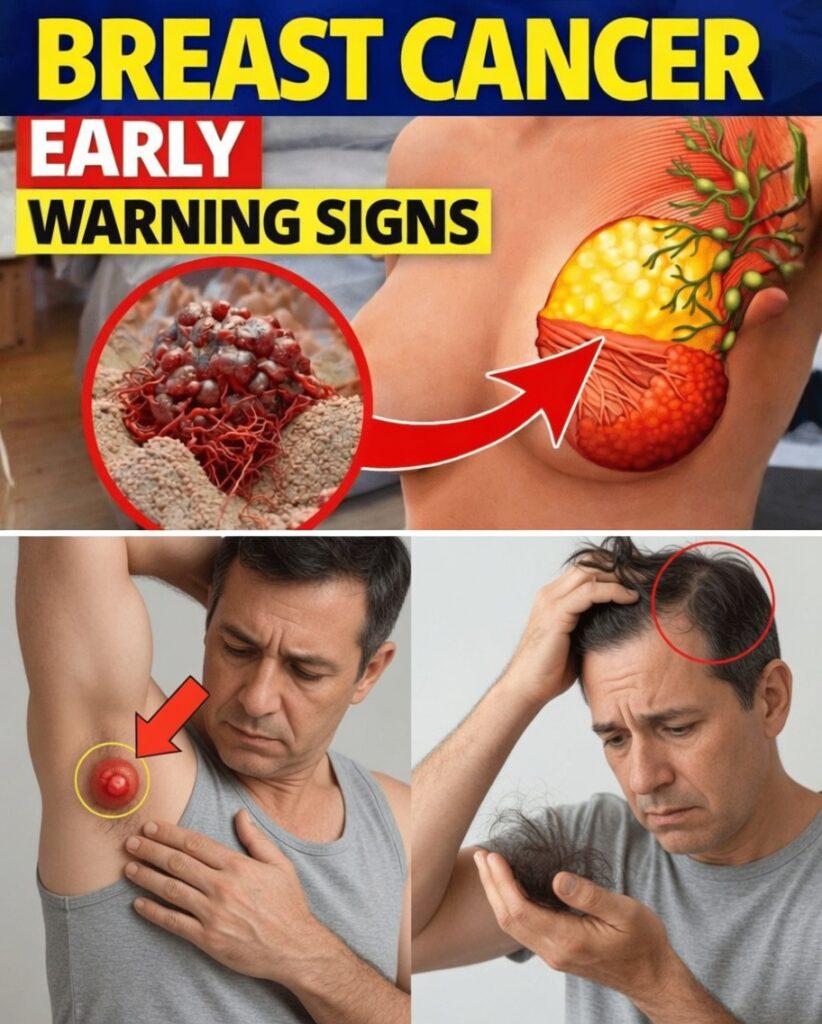
Breast Cancer Warning Signs in 2025: 10 Symptoms You Shouldn’t Ignore
In 2025, approximately 316,950 women and 2,800 men in the United States are expected to be diagnosed with invasive breast cancer, and about 42,170 women may die from the disease. For women, that equals about one new case every two minutes, making breast cancer the most common cancer after skin cancer in American women.
These numbers underscore why breast health awareness matters: many early changes are subtle and easy to dismiss as hormones, stress, or aging.
The encouraging reality is that early detection saves lives. When breast cancer is found while still localized, the five-year relative survival rate is over 99%. Below are 10 key warning signs supported by widely trusted medical sources (including guidance consistent with organizations such as the American Cancer Society and Mayo Clinic), plus simple steps to help you check your breasts with confidence.
Why Paying Attention Early Makes a Bigger Difference Than You Expect
Breast changes can feel uncomfortable to talk about, and it’s common to delay action—especially when life is busy and symptoms seem minor. But timing matters. While screenings and self-checks can catch many issues early, some aggressive forms (such as inflammatory breast cancer) may progress quickly between routine appointments.
You don’t need medical training to notice what’s different for your body. The goal is simple: recognize changes early and get them checked promptly.
10 Warning Signs of Breast Cancer (From Subtle to More Obvious)
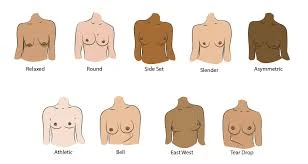
10. Noticeable Change in Breast Size or Shape
If one breast suddenly looks larger, smaller, or differently shaped—and the change doesn’t fade after your normal hormonal cycle—it deserves attention. Some people also notice a new sense of firmness or a change in how the breast “sits” in a bra.
Small differences between breasts can be normal. What’s more concerning is a new, persistent change affecting one side.
9. Skin Dimpling or an Orange-Peel Texture
Gently feel and look at the skin on your breast. Do you see puckering, dimples, or a texture like orange peel (often described as peau d’orange)?
This can happen when a growth affects deeper tissue or when lymphatic flow is disrupted, causing swelling and thickening. If it doesn’t improve quickly—or appears alongside swelling or redness—don’t brush it off.
8. Persistent Itching, Irritation, or a Rash That Won’t Clear
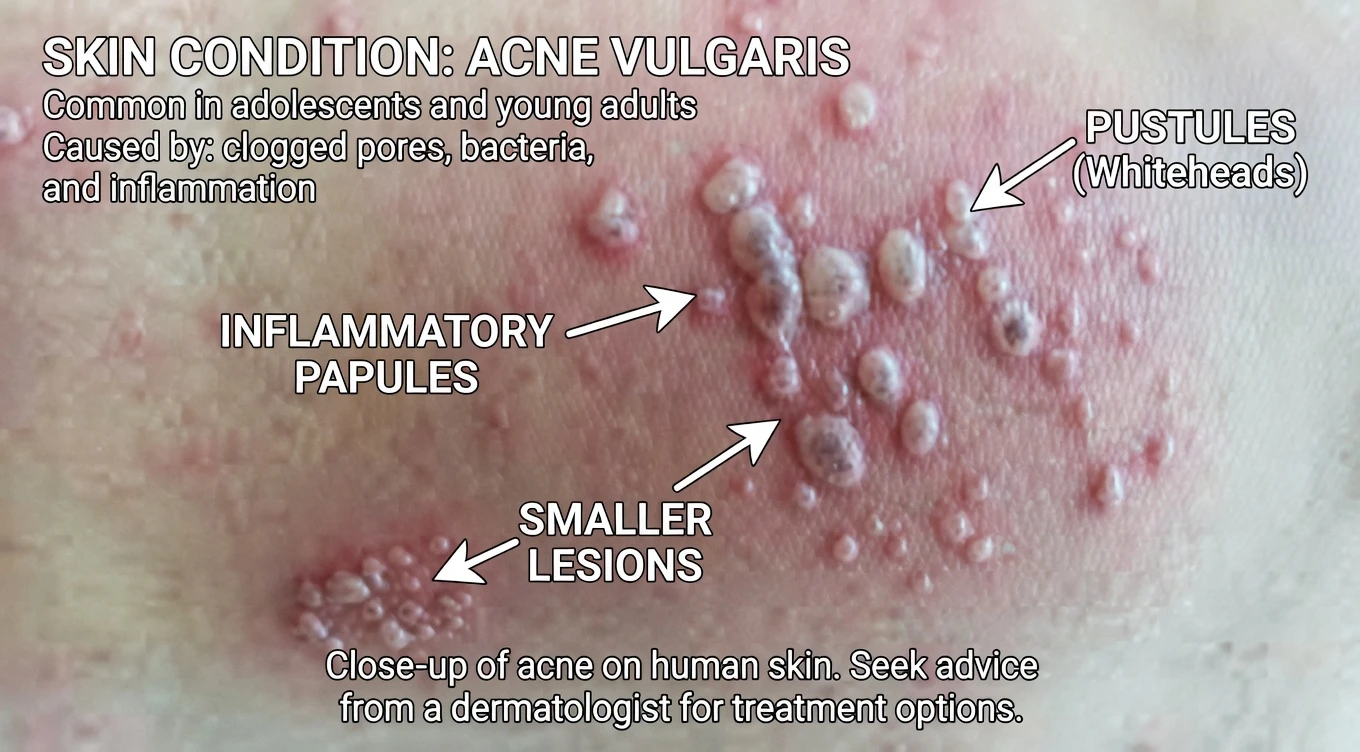
An itchy patch, redness, or rash-like area on the breast that doesn’t respond to typical treatments (like moisturizers or anti-itch creams) should be evaluated. Sometimes these symptoms resemble dermatitis or infection but have a different underlying cause.
On darker skin tones, changes may look more like bruising or purple discoloration. If symptoms persist or worsen, it’s safest to get medical input.
7. A Hard Lump or Thickened Area That Doesn’t Move
A new lump is the most widely known warning sign—but not all lumps feel the same. Concerning lumps are often described as:
- Hard
- Irregularly shaped
- Fixed in place (not easily movable)
- Sometimes painless
Even if a lump doesn’t hurt, it still needs assessment. This guidance applies to everyone, including men—where a lump near or under the nipple can be an early clue.
6. Breast or Nipple Pain That Persists
Many people experience breast tenderness related to their menstrual cycle. However, ongoing pain in one specific area, especially if it feels warm or consistently sore, can be different from typical hormonal discomfort.
Persistent, localized pain is worth discussing with a healthcare professional—particularly when it’s new and unexplained.
5. Swelling in Part or All of One Breast
A breast can become puffy, enlarged, heavy, or swollen even when there’s no obvious lump. This may point to inflammation or drainage issues within breast tissue.
Swelling is especially concerning when it shows up with:
- Redness
- Warmth
- Skin thickening
- Rapid change over days or weeks
4. New Nipple Inversion or Retraction
If a nipple that normally points outward becomes pulled inward, flattened, or newly inverted, it may be caused by tissue changes affecting the ducts behind the nipple.
A lifelong inverted nipple can be normal. A new change in one breast is the key reason to get checked.
3. Dry, Flaky, Thickened Skin on the Nipple or Areola
Crusting, scaling, persistent redness, or eczema-like skin changes on the nipple/areola that do not resolve should not be ignored. One condition doctors may want to rule out is Paget’s disease of the breast, which can start with irritation, flaking, and itching.
If the area keeps returning or fails to improve, schedule an evaluation.
2. Nipple Discharge (When You’re Not Breastfeeding)
Unexpected fluid coming from one nipple—especially if it is:
- Clear
- Yellow
- Bloody
- Occurs spontaneously (without squeezing)
can indicate a duct-related issue that needs medical review. While some discharge is benign, unusual discharge should always be assessed.
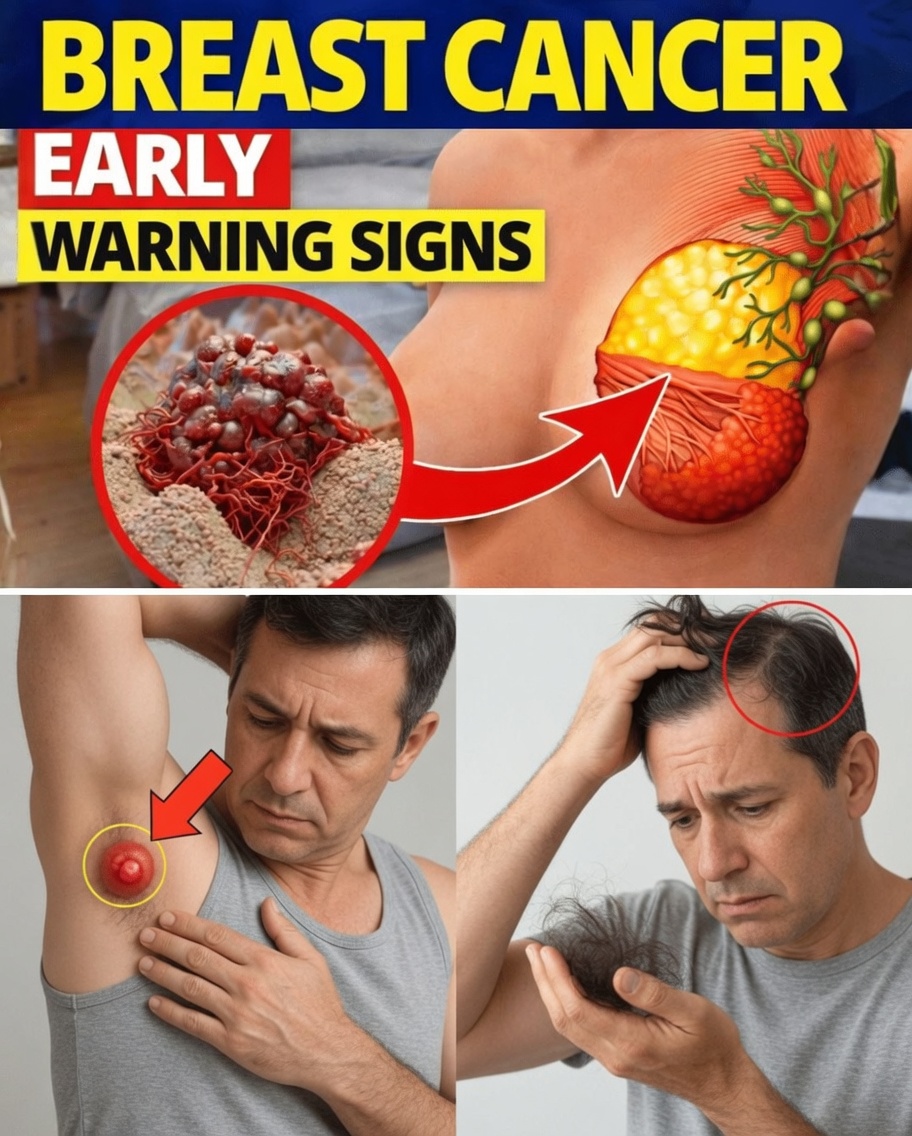
1. Swollen Lymph Nodes in the Armpit or Near the Collarbone
A firm or tender lump in the armpit or along the collarbone area can be an early warning sign—sometimes even before breast changes are obvious. Because lymph nodes help filter fluid and immune cells, enlargement may occur when something abnormal is happening nearby.
Any new, persistent swelling in these areas should be checked promptly.
Quick Guide: What’s Common vs. What’s Concerning?
Often normal or temporary:
- Breast tenderness that follows your menstrual cycle
- Small, movable cysts (especially if they come and go)
- Mild swelling that resolves on its own
Worth getting checked:
- A persistent lump or thickened area
- Unexplained, lasting breast asymmetry
- Dimpling or orange-peel skin texture
- A rash that doesn’t heal
- New nipple inversion
- Bloody or clear spontaneous discharge
- Swollen lymph nodes in the armpit/collarbone area
How to Do a Simple Breast Self-Exam (Step by Step)
-
Look in the mirror
- Arms at your sides, then raised overhead
- Watch for changes in shape, size, skin texture, or nipple position
-
Feel the breast tissue
- Lie down and use the pads of your fingers with the opposite hand
- Use small circles to cover the entire breast and move into the armpit area
-
Check the nipple
- Gently squeeze to see if there is any discharge
-
Repeat monthly
- Ideally a few days after your period ends
- If postmenopausal, choose the same day each month
-
Track changes
- Write down anything new so you can explain it clearly to your clinician
This entire routine takes only a few minutes, and it can help you recognize changes earlier.
What to Do If You Notice a Warning Sign
If you see or feel any of the signs above, book an appointment with a healthcare provider as soon as possible. They may recommend imaging tests such as a mammogram or ultrasound, depending on your age, symptoms, and risk factors.
Many guidelines for average-risk women commonly recommend starting regular screening around age 40, with earlier evaluation if you have significant risk factors (such as a strong family history). The best protection comes from combining:
- Self-awareness
- Professional exams
- Age-appropriate screening
FAQ
What if I notice a change but can’t feel a lump?
That can still be significant. Symptoms like skin dimpling, swelling, nipple changes, or lymph node lumps may occur without a noticeable breast lump. A clinician can evaluate these changes using imaging and exam techniques.
Do these symptoms always mean breast cancer?
No. Many breast changes are caused by benign conditions (cysts, infections, hormonal shifts, or skin irritation). However, only a healthcare professional can confirm the cause—so prompt evaluation is the safest approach.
How often should I do a breast self-exam?
A monthly self-check is a practical routine for many people, alongside clinical exams and mammograms based on your age and personal risk.
Medical Disclaimer
This article is for informational purposes only and does not replace professional medical advice. If you notice any breast changes or have concerns, consult a qualified healthcare provider for personalized evaluation and guidance.