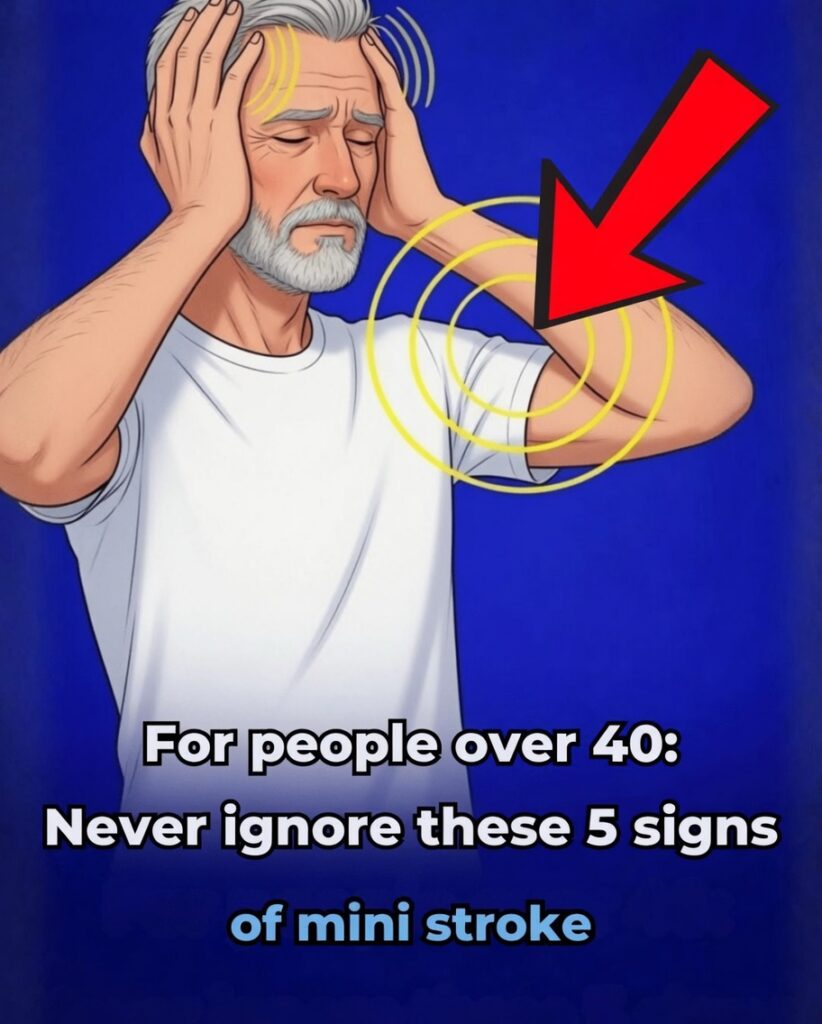
You may have noticed it before: sudden facial numbness on one side, a few minutes of slurred speech that quickly clears, or a brief wave of dizziness that comes and goes. For many adults over 40, these short-lived episodes seem harmless—just a strange moment that passes.
Yet evidence summarized by trusted organizations such as the Mayo Clinic and the American Heart Association suggests these symptoms can point to a transient ischemic attack (TIA), often referred to as a mini-stroke. A TIA happens when blood flow to part of the brain is temporarily blocked. Even though the symptoms fade fast, a TIA can be a serious warning that a major stroke may occur soon, especially if the underlying cause is not addressed.
The encouraging part: recognizing the signs early and taking practical, everyday steps can meaningfully support long-term brain and vascular health.
What Is a Transient Ischemic Attack (TIA)?
A TIA is a short interruption of blood supply to the brain that produces stroke-like symptoms, usually lasting minutes to hours (often under one hour). Because symptoms can disappear completely and no permanent brain injury is immediately obvious, many people dismiss it.
Medical experts strongly advise against that. A TIA is widely viewed as a warning event, not a minor inconvenience. Research indicates that up to 1 in 3 people who experience a TIA may go on to have a full stroke within a year if risk factors aren’t treated—many strokes occur in the first days after the TIA.
While age increases risk, many contributing factors are modifiable, meaning your daily choices and medical management can make a real difference.
Mini-Stroke Symptoms You Should Never Ignore
TIA symptoms tend to start suddenly and closely resemble stroke symptoms. A simple way to remember key warning signs is the F.A.S.T. method from the American Stroke Association:
- Face drooping — One side of the face feels numb or looks uneven when smiling.
- Arm weakness — One arm feels weak or drifts downward when both arms are raised.
- Speech difficulty — Slurred speech or trouble understanding what others are saying.
- Time to call emergency services — Get emergency help immediately, even if the symptoms stop.
Additional possible signs include:
- Sudden confusion or difficulty understanding
- Vision problems such as blurred or double vision (one or both eyes)
- Dizziness, balance issues, or trouble walking
- A severe headache with no clear explanation
Because TIAs can be brief, people often underestimate them. However, prompt evaluation after a suspected TIA can significantly affect outcomes and reduce future stroke risk.

Why TIAs Become More Common After Age 40
After 40, the likelihood of a TIA increases due to a mix of normal aging changes and health conditions that become more common over time. Factors that can raise risk include:
- High blood pressure, which gradually damages and stiffens arteries
- Atherosclerosis (plaque buildup), narrowing blood vessels and reducing blood flow
- Medical conditions such as diabetes, high cholesterol, or atrial fibrillation
- Lifestyle patterns including smoking, excess body weight, and inactivity
These issues can narrow arteries or increase clot formation—two major pathways leading to a temporary blockage in brain blood flow. Although you cannot change age or genetics, many powerful risk factors are within your control.
Controllable vs. Non-Controllable Risk Factors
Controllable factors:
- High blood pressure
- Smoking
- Unhealthy diet
- Sedentary lifestyle
- Excess alcohol intake
Non-controllable factors:
- Age (including being over 40)
- Family history of stroke
- Prior TIA or stroke
Focusing on controllable risks gives you the most direct leverage to reduce your chances of a future stroke.
Practical Ways to Lower Your Risk Starting Today
You do not need extreme changes overnight. Consistent, manageable habits—supported by recommendations from major health organizations—can strengthen vascular health over time.
Steps that matter most
-
Check your blood pressure regularly
Many guidelines highlight 120/80 mmHg as an optimal target. If your readings are repeatedly high, follow up with a clinician. -
Adopt a heart-healthy eating pattern
Emphasize:- Fruits and vegetables
- Whole grains
- Lean protein sources
- Healthy fats (for example, fish, nuts, seeds)
Reduce: - High-sodium foods
- Ultra-processed snacks and meals
- Saturated fats
-
Move your body most days
A common evidence-based target is 150 minutes per week of moderate activity (brisk walking, cycling, swimming). Even short walks done consistently are beneficial. -
Stop smoking (if applicable)
Stroke risk begins to drop soon after quitting, with benefits accumulating over time. -
Keep alcohol moderate
Common guidance suggests:- Up to 1 drink/day for women
- Up to 2 drinks/day for men
-
Treat related conditions with your doctor
Managing diabetes, cholesterol, and irregular heartbeat can reduce the likelihood of future events.
A simple daily checklist
- Choose water instead of sugary drinks
- Add one extra serving of vegetables to a meal
- Take a 10-minute walk after eating
- Track blood pressure weekly
- Take stairs when feasible
These actions are not guarantees, but strong evidence links these lifestyle choices to better cardiovascular and cerebrovascular outcomes.

When to Get Help (and What Medical Evaluation May Include)
If you experience any F.A.S.T. symptoms—even if they last only a few minutes—call emergency services immediately. Do not wait for symptoms to return or “prove” themselves.
In urgent care or emergency settings, clinicians may use:
- Brain and blood vessel imaging
- Blood tests
- Heart rhythm evaluation (to look for atrial fibrillation or other issues)
Based on findings, you may receive a personalized prevention plan to reduce the chance of a future stroke.
Key Takeaway: Don’t Treat a Mini-Stroke as “Nothing”
A suspected mini-stroke after 40 is best viewed as an urgent warning—your body signaling that brain and heart health need attention now. By learning the signs, seeking prompt medical evaluation, and building sustainable habits around diet, movement, and risk-factor control, you can take meaningful steps to protect your future health.
Frequently Asked Questions
What’s the difference between a TIA and a stroke?
A TIA causes symptoms that fully resolve, while a stroke typically results in lasting brain injury or long-term impairment. Both involve disrupted brain blood flow, and a TIA can be a precursor to a stroke.
How long do TIA symptoms last?
Most TIA symptoms last minutes to an hour, though they can occasionally persist longer (rarely up to 24 hours). Any sudden neurological symptom should be treated as an emergency.
Do lifestyle changes still help after a TIA?
Yes. Guidance from organizations such as the American Heart Association emphasizes that controlling blood pressure, improving diet quality, staying active, and avoiding smoking can substantially support risk reduction.
Disclaimer
This article is for informational purposes only and does not replace professional medical advice. If you experience any symptoms described above, seek immediate medical care. Always consult a qualified healthcare professional for guidance tailored to your situation.