Prazosin Hydrochloride Recall: What Happened and What Patients Should Do
If you take prazosin hydrochloride for high blood pressure or to reduce PTSD-related nightmares, reports of a major U.S. recall may be concerning. More than 580,000 bottles of this widely used medication have been removed from distribution after testing found increased levels of a nitrosamine impurity known as N-nitroso Prazosin impurity C.
The FDA has categorized the action as a Class II recall, which generally indicates that any health effects—if they occur—are likely to be temporary or medically reversible, and that the probability of serious harm is low. Even so, this situation highlights how closely medications must be monitored for quality and safety. The most important takeaway: with the right information and a few practical steps, you can protect your health without unnecessary alarm.
What We Know About the 2025–2026 Prazosin Recall
In October 2025, Teva Pharmaceuticals USA initiated a voluntary recall involving prazosin hydrochloride capsules in multiple strengths:
- 1 mg
- 2 mg
- 5 mg
Soon after, distributor Amerisource Health Services implemented related actions. Altogether, close to 590,000 bottles across many lots were involved, with product distributed nationwide during 2025 through early 2026.
Why the product was recalled
Quality testing found N-nitroso Prazosin impurity C above the FDA’s acceptable intake threshold, calculated using the Carcinogenic Potency Categorization Approach (CPCA).
What are nitrosamines—and why do they matter?
Nitrosamines are not a new concern in pharmaceuticals. They can develop in small amounts during manufacturing or storage when conditions are not perfectly controlled. Importantly, nitrosamines also exist in everyday environments—such as processed foods, drinking water, and even the air—typically at very low levels.
Regulators (including the FDA) have stated that long-term exposure to nitrosamines above recommended limits may increase cancer risk in certain scenarios. However, the FDA has also emphasized that the short-term risk associated with this specific recall is considered low, which is consistent with its Class II classification.
Why Prazosin Is So Commonly Prescribed
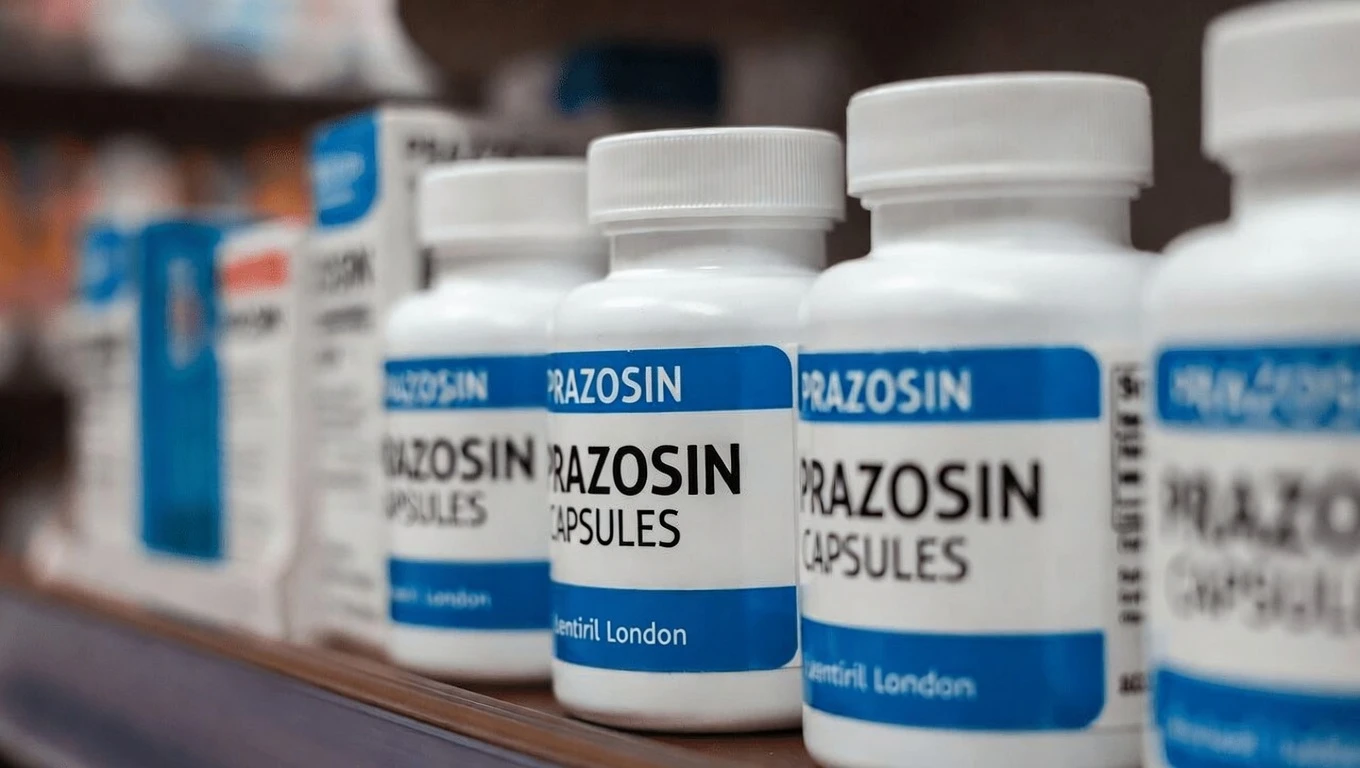
Prazosin hydrochloride is an alpha-blocker that helps relax blood vessels, improving blood flow and reducing blood pressure. By lowering strain on the cardiovascular system, it can support long-term heart and kidney health when used appropriately.
Clinicians prescribe prazosin for several reasons, including:
- Hypertension (high blood pressure) to reduce the risk of complications such as stroke, heart attack, and kidney damage
- Symptom relief in some cases of benign prostatic hyperplasia (BPH)
- Off-label use to help reduce nightmares associated with PTSD
Because prazosin is used by a large patient population, recalls can generate immediate questions. A key point: this recall applies only to specific lots associated with Teva-manufactured product, not every prazosin medication on the market.
Reported recalled quantities (approximate)
- 1 mg: ~181,659 bottles
- 2 mg: ~291,512 bottles
- 5 mg: ~107,673 bottles (plus additional distributor-related amounts)
Many bottles contain 100 to 1,000 capsules, and affected lots include expiration dates from late 2025 through mid-2026.
This event also fits a broader industry pattern: in recent years, multiple medications (including some blood pressure drugs) have faced nitrosamine impurity findings, leading to increased FDA oversight and tighter monitoring of supply chains.
Understanding the FDA’s Class II Recall Label
A Class II recall means the product could potentially cause temporary or medically reversible health effects, and the likelihood of severe outcomes is considered remote.
This is different from:
- Class I: high probability of serious harm or death
- Class III: unlikely to cause adverse health consequences
While the science-based classification is reassuring, it’s also normal to feel uneasy when words like “nitrosamine” or “cancer risk” appear in the news. The best approach is to rely on verified updates from the FDA, your pharmacist, and your prescribing clinician.
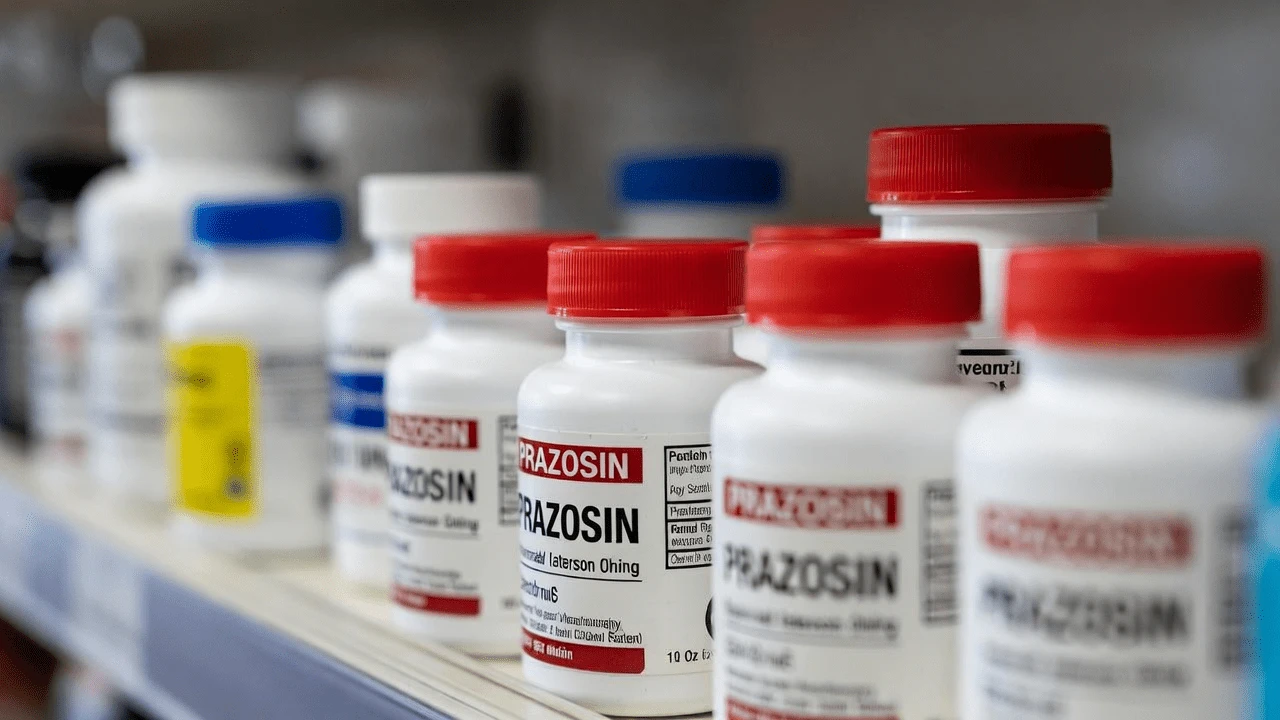
What to Do Now: Clear, Practical Patient Steps
1) Do not stop prazosin abruptly
Do not discontinue blood pressure medication without medical guidance. Stopping suddenly can lead to rebound hypertension or dangerously elevated readings.
2) Check the label details on your bottle
Look for:
- Manufacturer name (Teva Pharmaceuticals USA may appear)
- Strength (1 mg, 2 mg, or 5 mg)
- Lot number
- Potential identifiers such as an NDC (Teva products often have NDCs beginning with 0093)
3) Verify whether your lot is included
Use one of these options:
- Search the FDA’s recall/enforcement listings for the prazosin recall event ID
- Ask your pharmacist to confirm whether your exact lot is affected
4) Contact a pharmacist or healthcare provider for next steps
If your supply is part of the recall, your pharmacist or clinician can:
- Arrange a replacement
- Recommend an unaffected generic prazosin product
- Discuss alternative medications if necessary
5) Follow the return or replacement process
Returns are typically handled through the pharmacy or distributor process aligned with Teva’s instructions. Use only recommended channels for safe handling and replacement.
6) Continue monitoring your health
Keep track of:
- Blood pressure readings
- Any unusual symptoms (even though reports to date note no related complaints linked to this impurity)
Teva has stated that it prioritizes safety and quality and that no adverse events associated with this impurity have been identified so far.
What This Recall Teaches Us About Medication Safety
Modern medicines depend on complex global supply networks, and even small deviations in processes can create quality issues. The positive side is that monitoring has intensified: the FDA has expanded nitrosamine testing and oversight across many drug categories in response to past findings.
For patients, this recall is also a useful reminder to:
- Get updates from reliable sources such as the FDA and your healthcare provider
- Ask questions about manufacturer, lot numbers, and recall status
- Keep routine check-ups, especially when managing chronic conditions like hypertension
It’s also worth noting that strong evidence shows that consistent blood pressure control significantly lowers the risk of major cardiovascular events—benefits that generally outweigh low-probability risks when recalls are handled correctly.
Frequently Asked Questions (FAQ)
Is every prazosin product being recalled?
No. The recall applies only to certain lots associated with Teva Pharmaceuticals USA. Prazosin made by other manufacturers is not included.
Should I worry about cancer from this exposure?
The FDA indicates that the short-term risk is low, and the recall is precautionary. Concerns about nitrosamines primarily relate to extended exposure above acceptable limits; for this event, the FDA considers serious harm unlikely.
What if my bottle is part of the recall?
Contact your pharmacist or prescribing clinician promptly. They can help you continue treatment safely by providing an unaffected product or an appropriate alternative.
Are there alternatives to prazosin?
Yes. There are multiple blood pressure medications and alpha-blockers available. Your provider can recommend the best option based on your medical history and treatment goals.
Have other hypertension drugs faced nitrosamine recalls?
Yes. Several blood pressure medications have been recalled in recent years due to nitrosamine impurities, which has led to stronger monitoring and updated testing expectations.
Disclaimer
This article is for informational purposes only and does not replace professional medical advice. Always consult your healthcare provider or pharmacist before changing your medication routine. The content is based on publicly available FDA information and reputable health sources as of late 2025.