Many people dismiss subtle physical changes as “just stress,” aging, or a busy schedule—expecting symptoms to fade on their own. Ongoing fatigue that sleep doesn’t fix, unexplained weight loss, or a cough that drags on for weeks can be easy to ignore until they become harder to manage. Sometimes, though, these small shifts may signal a more serious condition, including cancer—where earlier attention often expands your options.
The positive takeaway: staying alert to unusual changes and acting quickly can help you get professional guidance sooner. Below are key warning signs commonly referenced by trusted organizations such as the American Cancer Society, explained in a practical, real-life way so you can feel more confident about protecting your health.
Why Listening to Your Body Matters More Than Ever
Data summarized by the American Cancer Society points to meaningful progress: the overall 5-year relative survival rate for all cancers combined is now around 70% for more recent diagnoses. Improvements in awareness, prevention habits, screening, and treatment have contributed to this shift.
Still, many cancers are found later than ideal, when care becomes more complex. A clear example is lung cancer: outcomes are significantly better when identified at a localized stage compared with distant-stage disease.
Ignoring ongoing symptoms can create avoidable stress and delays. On the other hand, building simple daily awareness—like tracking new or persistent changes—can help you know when it’s time to talk with a clinician.
The Advantage of Catching Changes Early
Noticing potential red flags is not the same as assuming the worst. It simply means taking your body seriously. When symptoms are evaluated sooner, underlying issues—cancer-related or not—are more likely to be found at a stage where they’re easier to address.
Next, you’ll find 14 often-overlooked signs, why they matter, and a straightforward action you can take for each.

14 Common Warning Signs People Often Overlook
1. Unexplained Weight Loss
If you lose 10 pounds (about 4.5 kg) or more without trying—no major diet shift, no increase in exercise—it may feel like a lucky break. But unintentional loss of about 5–10% of body weight can be associated with multiple medical issues, including cancers such as pancreatic, stomach, or lung cancer. This can happen when the body uses more energy than usual or when appetite drops.
- Simple action: Weigh yourself monthly. If your weight keeps trending down without a clear reason, bring it up at your next appointment.
2. Persistent or Repeating Fevers
Recurring low-grade fevers without an obvious infection may reflect an immune system under strain. The American Cancer Society notes that persistent fevers can sometimes be associated with blood cancers like leukemia or lymphoma.
- Simple action: Track your temperature for 1–2 weeks to see patterns before contacting your healthcare provider.
3. A Cough That Doesn’t Resolve (or Hoarseness)
A cough lasting more than a few weeks is often blamed on allergies, post-viral irritation, or pollution. But a cough that persists—especially if it’s dry, worsening, or includes blood—should be assessed. Ongoing cough or hoarseness can be related to lung or throat conditions.
- Simple action: If symptoms last 3–4 weeks, note timing, triggers, and any blood, and schedule a medical review.
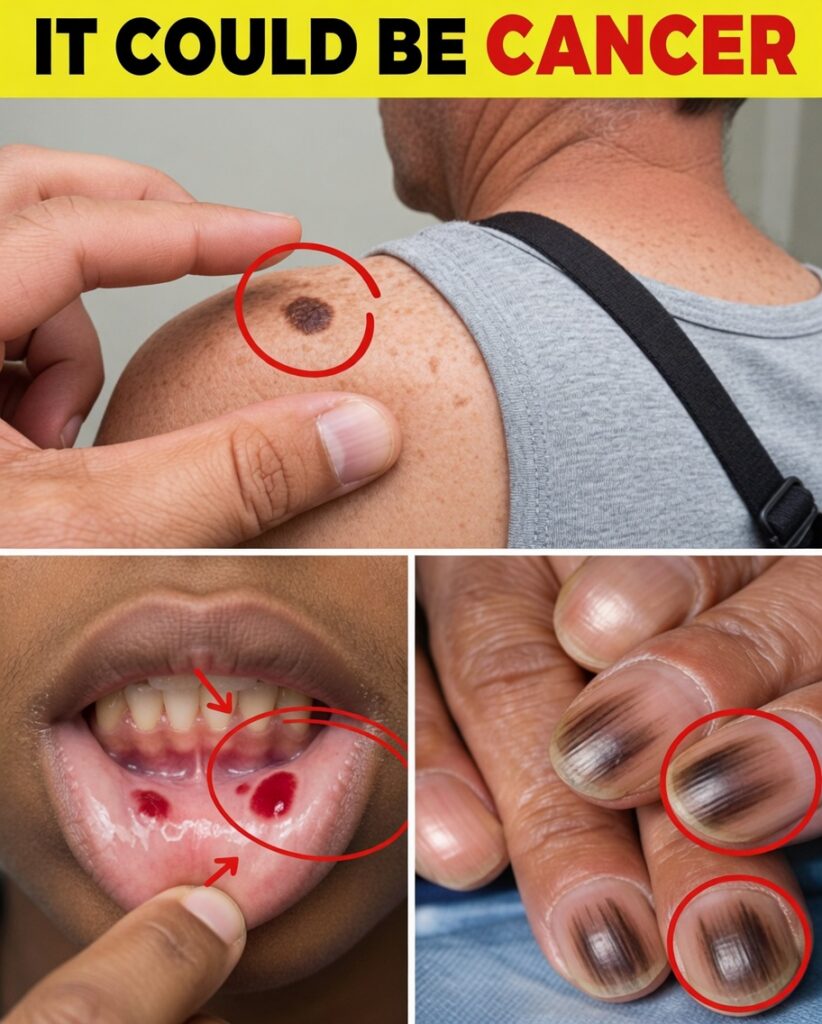
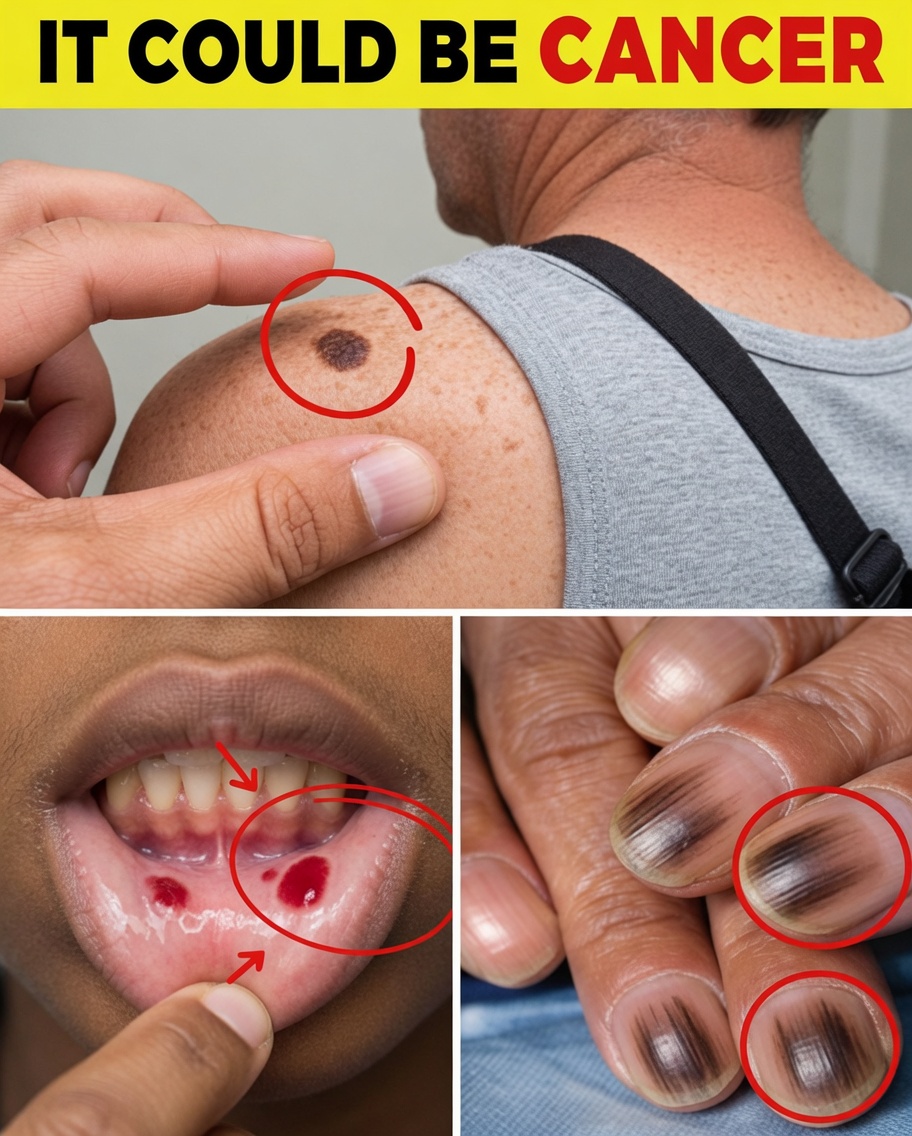
4. Skin Changes or a New/Changing Mole
Skin can provide early, visible clues. New spots, changing moles, or sores that do not heal—especially in sun-exposed areas—deserve attention. For melanoma awareness, many clinicians recommend the ABCDE checklist:
-
Asymmetry
-
Border irregularity
-
Color variation
-
Diameter over ~6 mm (about the size of a pencil eraser)
-
Evolving (changing over time)
-
Simple action: Do a monthly skin check in bright light (including scalp, back, and soles).
Quick Skin Self-Check (ABCDE)
- Look for asymmetry
- Check for uneven borders
- Notice multiple colors within one spot
- Measure anything larger than a pencil eraser
- Watch for changes over time
5. Sores That Don’t Heal
A sore on your skin—or inside your mouth—that lingers beyond 3 weeks without improvement warrants evaluation. Some oral and skin cancers may present as persistent, non-healing areas.
- Simple action: Take weekly photos to document change (or lack of change) for your clinician.
6. Unusual Bleeding or Discharge
Blood where it shouldn’t be is never something to “normalize.” This includes blood in stool, urine, cough, or unexpected vaginal spotting. Reputable medical sources (including major clinical organizations) associate these symptoms with conditions ranging from infection to cancers such as colorectal, bladder, or cervical cancer.
- Simple action: Report unexpected bleeding promptly rather than waiting to see if it repeats.
7. Changes in Bowel or Bladder Habits
If diarrhea, constipation, narrower stools, or new urinary frequency/urgency lasts for weeks, it may signal a digestive or urinary tract problem that needs assessment.
- Simple action: Keep a 2-week log of symptoms, diet changes, and timing to support a more accurate evaluation.
8. Difficulty Swallowing
Feeling like food “sticks,” or experiencing painful swallowing (dysphagia), can involve the throat or esophagus and should be assessed if it doesn’t resolve.
- Simple action: Choose softer foods temporarily, but seek medical advice if it continues.

9. Ongoing Voice Changes (Especially Hoarseness)
Hoarseness that lasts longer than 2 weeks, particularly without a cold, may involve irritation or issues affecting the vocal cords and surrounding structures.
- Simple action: Rest your voice when possible, but book a check if hoarseness persists.
10. Lumps, Swelling, or Thickened Areas
A new lump—especially if painless—in the neck, armpit, groin, breast, or elsewhere should be examined. Not all lumps are dangerous, but new or growing ones should be evaluated promptly.
- Simple action: Build a consistent monthly self-check routine and note any new findings.
11. Persistent Indigestion or Ongoing Abdominal Discomfort
Frequent indigestion, ongoing bloating, feeling full after small meals, or upper abdominal pain that won’t settle may signal gastrointestinal concerns that deserve review.
- Simple action: Track symptoms alongside meals to identify patterns and support clinical decision-making.
12. Breast Changes (in Women or Men)
Breast symptoms aren’t limited to women. Swelling, dimpling, redness, persistent pain, skin texture changes, or nipple changes should be assessed—especially when they’re new or progressing.
- Simple action: Practice breast self-awareness and follow recommended screening schedules for your age and risk factors.
13. Severe, Unrelenting Fatigue
This is not typical “I’m tired” fatigue. If exhaustion persists and rest doesn’t help, it can be linked to issues like anemia or broader metabolic changes associated with illness.
- Simple action: Rate your daily energy on a 1–10 scale for two weeks and share the pattern with your clinician.
14. Persistent, Unexplained Pain
Ongoing pain—such as in bones, the back, or the abdomen—without a clear injury or explanation should be investigated, especially if it gradually worsens or disrupts sleep.
- Simple action: Write down the location, intensity, duration, and what makes it better or worse.
Quick Comparison Table: Signs, What They May Affect, and What to Do
-
Unexplained weight loss
- Possible areas: pancreatic, stomach, lung (among others)
- Why it stands out: sustained energy imbalance or appetite changes
- Action: weigh monthly and note dietary changes
-
Persistent cough
- Possible areas: lung, throat
- Why it stands out: lasts for weeks without clear cause
- Action: track duration and any blood; seek evaluation
-
Skin or mole changes
- Possible areas: skin cancers
- Why it stands out: visible and evolving
- Action: monthly ABCDE self-check
-
Non-healing sores
- Possible areas: skin, oral
- Why it stands out: no improvement after 3+ weeks
- Action: photograph progress weekly
-
Unexpected bleeding
- Possible areas: colorectal, bladder, cervical (among others)
- Why it stands out: not “normal” bleeding
- Action: contact a healthcare professional promptly
-
Bowel/bladder habit shifts
- Possible areas: colorectal, prostate, urinary tract
- Why it stands out: persistent changes over weeks
- Action: keep a 2-week symptom log

Practical Ways to Build Health Vigilance Starting Today
Use this simple timeline to stay proactive without becoming anxious:
-
Weeks 1–2: Start a symptom journal
- Track weight, energy, skin observations, and bowel/bladder patterns
-
Weeks 3–4: Add self-check routines
- Skin checks and breast self-awareness
- Schedule a general physical if anything feels unusual or persistent
-
Ongoing: Stay current with age- and risk-appropriate screenings
- Examples include mammograms, colon cancer screening, and low-dose CT scans for eligible high-risk groups
-
Helpful upgrade: Set monthly phone reminders for skin checks and bring your journal to appointments.
Closing Thoughts: Awareness Is a Strong First Step
Any one of these signs can have a harmless explanation. However, when symptoms persist, repeat, or stack together, paying attention becomes crucial. Early conversations with healthcare professionals can bring clarity—sometimes reassurance, sometimes earlier detection and more manageable treatment choices.
FAQ
What should I do if I notice one of these signs?
Stay calm—many symptoms have non-cancer causes. Still, it’s wise to schedule an appointment to discuss what you’re noticing and determine whether any tests are appropriate.
How often should I check for skin or breast changes?
For most adults, monthly is a practical routine. Pick an easy date to remember, such as the first day of each month.
Do these warning signs always mean cancer?
No. These signs can result from many conditions, including infections, hormonal shifts, digestive issues, and stress. That’s exactly why professional evaluation matters.
Medical disclaimer: This article is for informational purposes only and does not replace medical advice. Always consult a qualified healthcare professional about symptoms or health concerns.