
Chronic Kidney Disease: Why So Many People Miss the Early Clues
Nearly 35 million adults in the United States are living with chronic kidney disease (CKD)—yet up to 90% may not know it until the condition has already advanced. One reason is that kidney problems often build slowly, with mild symptoms that are easy to dismiss as stress, aging, poor sleep, or “just not feeling like yourself.”
The risk of ignoring these small changes is that CKD can quietly worsen over time, impacting energy levels, heart health, and overall wellness. The upside is powerful: early awareness and routine screening (simple urine and blood tests) can help protect kidney function and slow progression.
Many “everyday annoyances”—like unusual exhaustion or feeling different after meals—can be worth a closer look. Below are 10 commonly overlooked warning signs, aligned with guidance and insights often emphasized by trusted medical organizations such as the National Kidney Foundation and Mayo Clinic. You’ll also find practical steps you can start today to support kidney health.
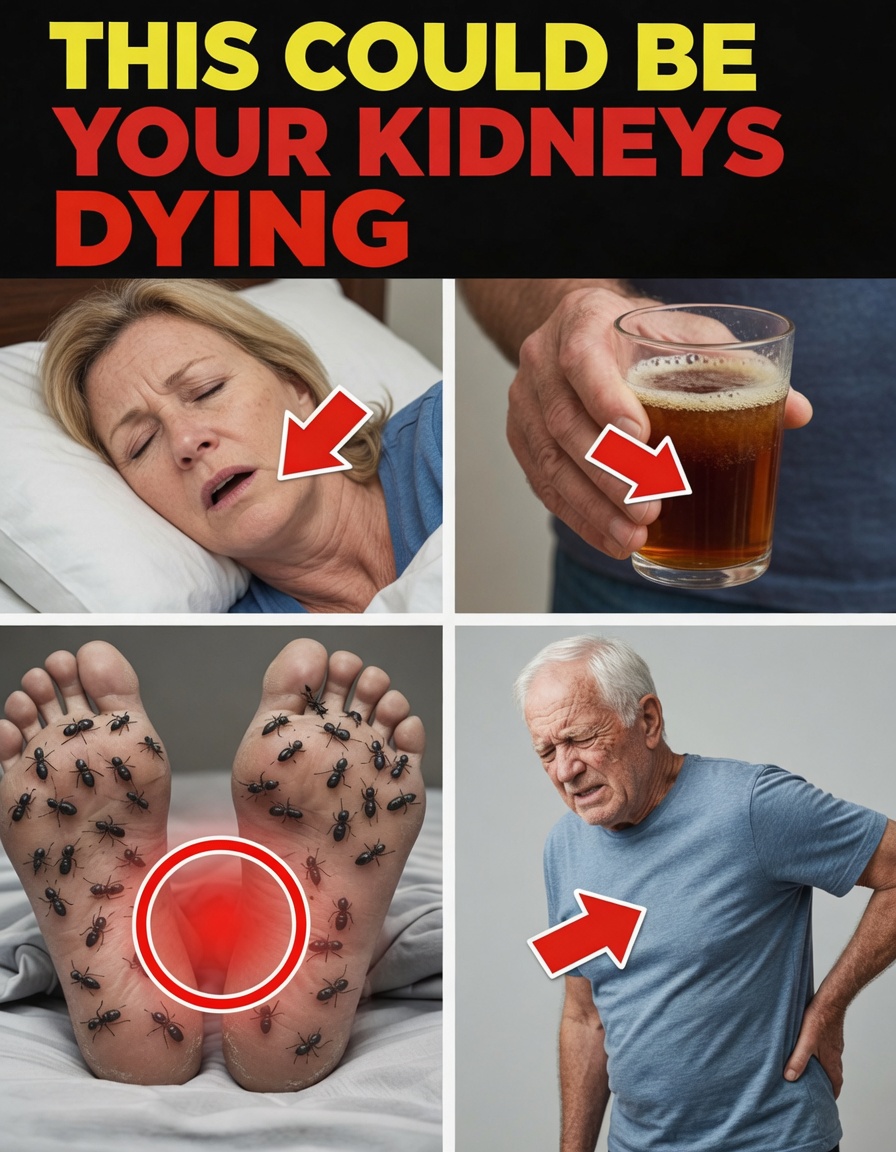
Why Kidney Issues Can Feel “Invisible” at First
After age 40, it’s common to explain symptoms like fatigue, mild swelling, or restless sleep as part of a demanding lifestyle. Many people assume these changes will pass. However, your kidneys do much more than make urine—they:
- Filter waste and toxins from the blood
- Balance fluids and electrolytes
- Help regulate blood pressure
- Support red blood cell production through hormone signaling
When kidney function begins to decline, symptoms may stay subtle for a long time. According to widely cited public health research, about 1 in 7 U.S. adults has CKD, often connected to diabetes and high blood pressure. The most important takeaway: recognizing patterns early and speaking with a healthcare professional can make a meaningful difference before problems become severe.
What’s Happening in the Body When These Signs Appear?
Your kidneys continuously manage the body’s internal balance—removing waste, controlling minerals like sodium and potassium, and helping regulate hormones. When kidneys are under strain:
- Waste products can build up, affecting appetite, breath, and nausea
- Fluid may be retained, contributing to swelling
- Electrolytes can shift, triggering cramps or tremors
- Hormone output may drop, lowering red blood cell support and increasing fatigue
A helpful check-in: compared with a few years ago, how would you rate your typical daily energy from 1–10? If you’ve noticed a decline that doesn’t match your lifestyle changes, the signs below are worth discussing with your clinician.
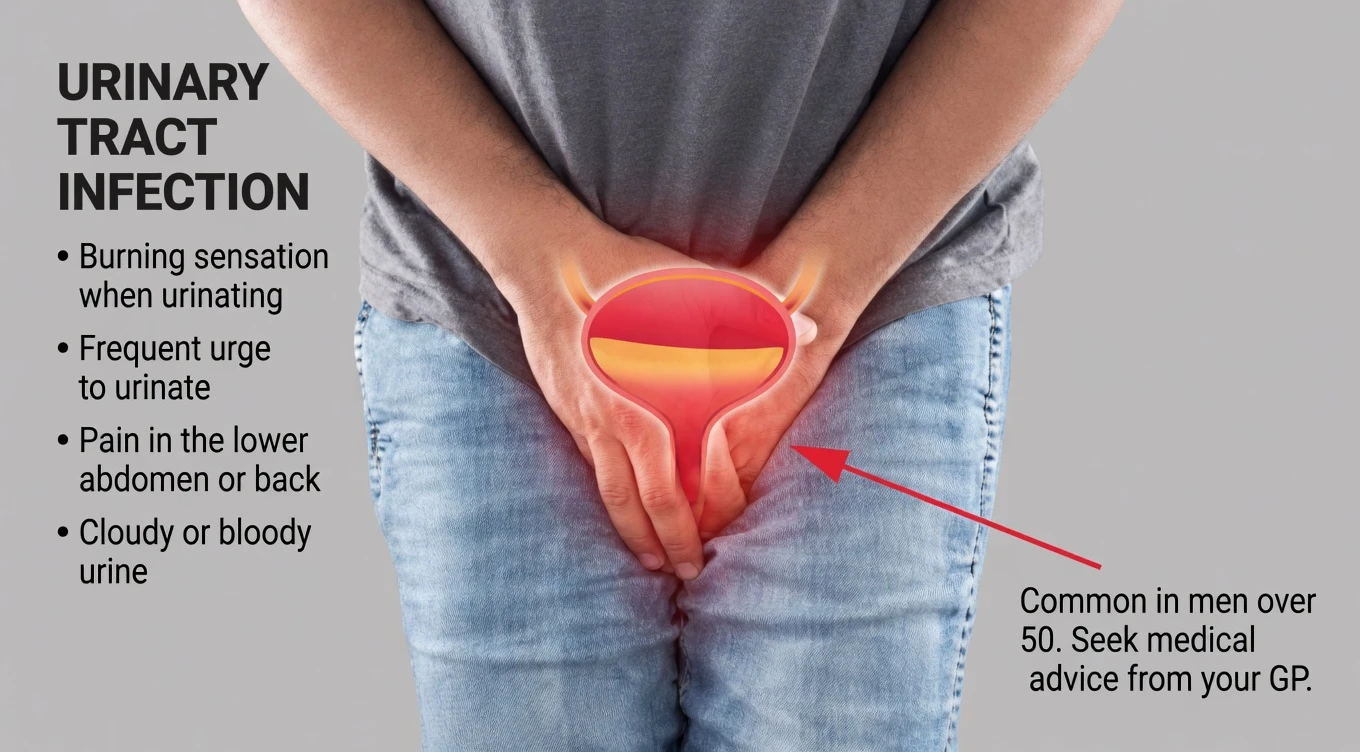
10 Surprising Kidney Disease Symptoms People Often Overlook
1) Frequent urination—especially at night
Waking up repeatedly to urinate can happen when kidneys have trouble concentrating urine. If nighttime trips are increasing consistently, it’s worth tracking for a week and mentioning to your doctor.
2) Foamy or bubbly urine that persists
Urine that looks unusually foamy—especially when bubbles linger—can be a sign of protein in the urine (proteinuria), which may occur early in kidney stress.
3) Ongoing fatigue that doesn’t improve with rest
Deep, persistent tiredness can be linked to reduced erythropoietin, a hormone kidneys help produce to support red blood cell production. Many people describe this fatigue as “heavier” than normal sleepiness.
4) Poor sleep or restless nights
When toxins build up or fluids shift, sleep can be disrupted. Some people feel uncomfortable lying down or struggle with consistent, restorative sleep.
5) Unexplained itching
Kidney changes can lead to mineral imbalances (including higher phosphorus), which may contribute to itchy skin without a clear rash or allergy trigger.
6) Swelling in the feet, ankles, legs, or face
If kidneys can’t manage sodium and fluid effectively, the body may retain water. Swelling often shows up first in the lower legs and ankles, and sometimes around the eyes.
7) Reduced appetite or a metallic taste
Waste accumulation may change how foods taste, leading to a metallic or ammonia-like flavor and less interest in eating.
8) Nausea that keeps returning
Toxin buildup can trigger queasiness. Some people feel nauseated even after small meals or notice persistent stomach discomfort.
9) Breath that smells chemical or metallic
When urea levels rise, breath can take on an unusual odor that regular brushing doesn’t fully fix.
10) Muscle twitches, cramps, or hand tremors
Electrolyte shifts can interfere with nerve and muscle signaling, sometimes leading to cramping, twitching, or shaky hands.
These symptoms can also be caused by other health issues, so they don’t confirm CKD on their own. The key is noticing consistent patterns—and getting checked rather than guessing.
Real-World Examples: Why Early Attention Matters
Small observations can lead to early action. For instance:
- A woman in her 50s noticed recurring ankle swelling and fatigue. Routine lab work showed early kidney-related changes, allowing her to adjust habits and monitor progress sooner.
- A man kept track of foamy urine and an ongoing metallic taste, which helped prompt timely testing and a more targeted plan with his doctor.
These kinds of experiences highlight a simple truth: paying attention early can create options later.

Simple, Practical Ways to Support Kidney Health
You don’t need extreme routines. Consistent basics have the biggest impact:
- Hydrate thoughtfully: Many adults do well aiming around 2–3 liters per day, spread throughout the day—unless your clinician has advised a different target.
- Reduce sodium intake: Try to stay under 2,300 mg daily by limiting processed foods and prioritizing fresh ingredients.
- Control the biggest risk factors: Keep blood pressure and blood sugar in healthy ranges with regular monitoring and lifestyle support.
- Make routine testing normal: Standard blood and urine tests during checkups can catch early changes before symptoms become obvious.
Quick Reference: Signs, Possible Connections, and What to Track
- Frequent urination (night): Possible urine-concentration issues → Track increasing nighttime trips
- Foamy urine: Possible protein leakage → Note persistent bubbles that don’t fade quickly
- Extreme fatigue: Possible reduced red blood cell support → Watch for no improvement after rest
- Itching: Possible mineral imbalance → Persistent itching without a rash
- Swelling: Possible fluid retention → Puffy ankles, legs, face
- Metallic taste / nausea: Possible waste buildup → Appetite changes, recurring queasiness
What to Do Next: Start Listening This Week
Over the next 7 days:
- Write down any symptoms that match the list (when they occur, how often, what makes them better/worse).
- Share the pattern with your healthcare provider. Ask whether kidney screening (blood and urine tests) is appropriate for you.
- Start with one easy kidney-friendly habit—like a breakfast of oatmeal topped with berries and a small portion of unsalted nuts.
Small steps now can support better comfort, energy, and long-term health.
Frequently Asked Questions
What are the earliest signs of chronic kidney disease?
Early CKD symptoms are often mild or absent. When they show up, they may include changes in urination, unusual fatigue, and foamy urine.
Can I test for kidney problems at home?
You can’t diagnose CKD at home, but you can track symptoms (urination changes, swelling, energy shifts) and bring that information to your clinician, who can order urine and blood tests.
Who is at higher risk for kidney disease?
Risk is higher for people who are older (especially over 60), or who have diabetes, high blood pressure, or a family history of kidney disease. Regular screening can help detect problems earlier.
Medical note: This article is for informational purposes only and does not replace professional medical advice. Always consult a qualified healthcare provider about symptoms, testing, or changes to your routine.