
Many adults over 50 start the morning with stiff joints, creaky knees, or a tight lower back, making even simple tasks feel harder than they should. CDC data estimates that about 53 million U.S. adults live with arthritis, and the likelihood rises sharply with age—around half of people over 65 report arthritis-related joint problems. That kind of discomfort can interfere with everyday life, from bending down and climbing stairs to opening jars or gripping items comfortably.
The encouraging part is that gentle, natural daily habits may help you feel more comfortable—especially when they support the body from the inside. Below, you’ll find a simple one-cup morning drink made from common ingredients that research links to healthy inflammation response and circulation support—plus an easy recipe you can try right away.

Why Joint Stiffness Often Feels Worse After 50
Aging brings normal physical changes that can affect joint comfort:
- Cartilage gradually wears down, reducing cushioning
- Blood flow may slow, which can affect tissue nourishment
- Low-grade inflammation can accumulate due to stress, diet, and daily wear-and-tear
One of the most common causes is osteoarthritis, which affects over 32 million U.S. adults. Many people notice morning stiffness that improves with movement, but can still linger and disrupt the start of the day.
While approaches like stretching, warm showers, or heat packs can provide short-term relief, internal support matters too. Factors such as oxidative stress and nutrient gaps may contribute to how joints feel over time. That’s why simple, consistent additions—rather than complicated routines—often make the biggest difference.
The Research Behind This Gentle Morning Drink
Comfortable, functional joints depend on several internal systems working well, including:
- Healthy circulation
- Balanced inflammation response
- Adequate nutrient delivery
Three plant-based ingredients stand out in the research:
- Turmeric (curcumin): Curcumin has been widely studied for helping maintain a healthy inflammatory response. Publications in journals such as Phytotherapy Research report that curcumin may help reduce biological markers associated with joint discomfort.
- Black pepper (piperine): Piperine is known for dramatically improving curcumin absorption—studies commonly cite increases of up to 2000% in bioavailability, making the pairing far more effective than turmeric alone.
- Moringa oleifera: Moringa leaf powder provides antioxidants, vitamins, and protective plant compounds. Preclinical research suggests it may help combat oxidative stress and support tissue health, with evidence pointing to benefits in inflammation-related models.
Together, these ingredients form a synergistic trio: improved absorption, broader antioxidant coverage, and supportive anti-inflammatory activity. Human research is still developing, and results can vary—but the science behind the combination is promising, and it’s easy to test as part of a routine.
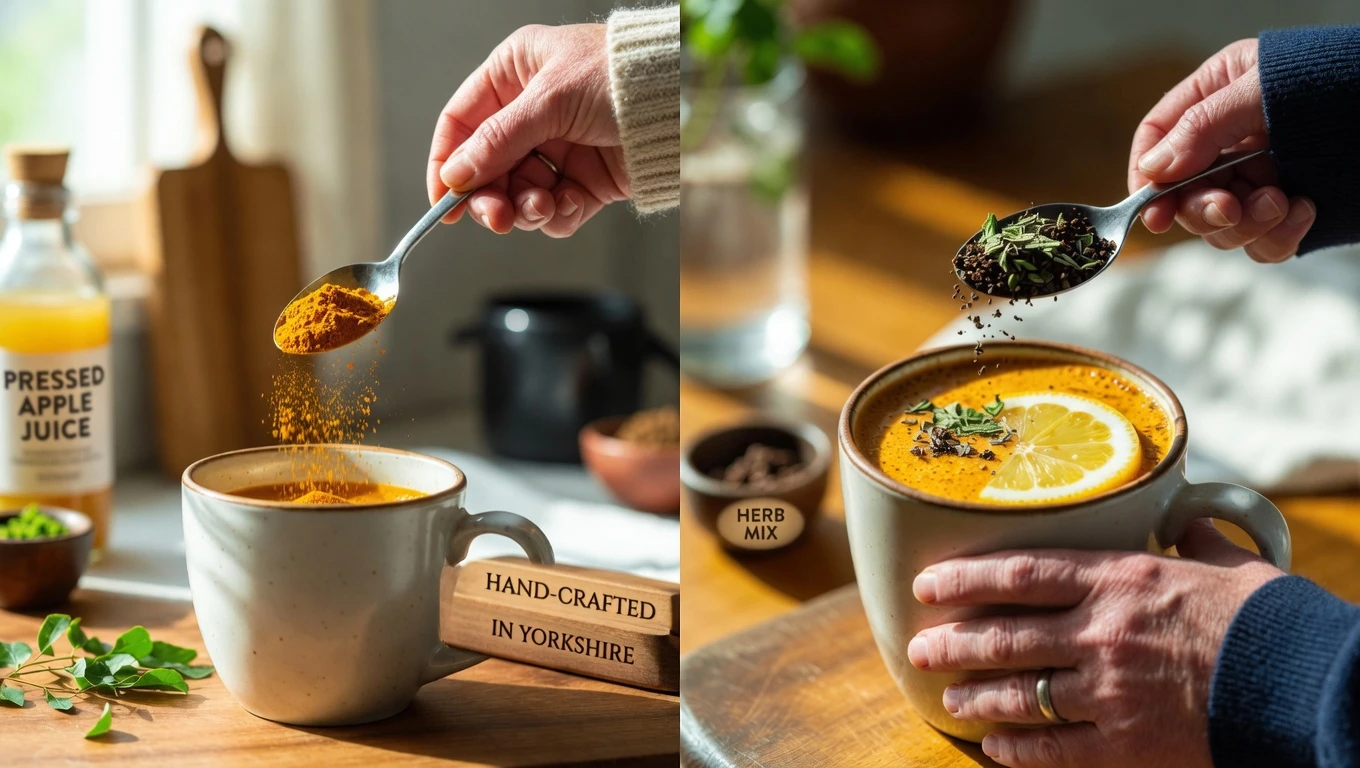
How to Make This 1-Cup Morning Drink
This recipe uses basic pantry staples and takes about a minute. Start with smaller amounts if you’re new to the flavors.
Ingredients (1 serving)
- ¼ to ½ teaspoon turmeric powder
- A pinch of black pepper (about 1/8 teaspoon)
- ½ to 1 teaspoon moringa powder
- 1 cup warm water (not boiling—about 100–110°F to help preserve benefits)
- Optional: 1 tablespoon fresh lemon or lime juice (for flavor + vitamin C)
Step-by-step directions
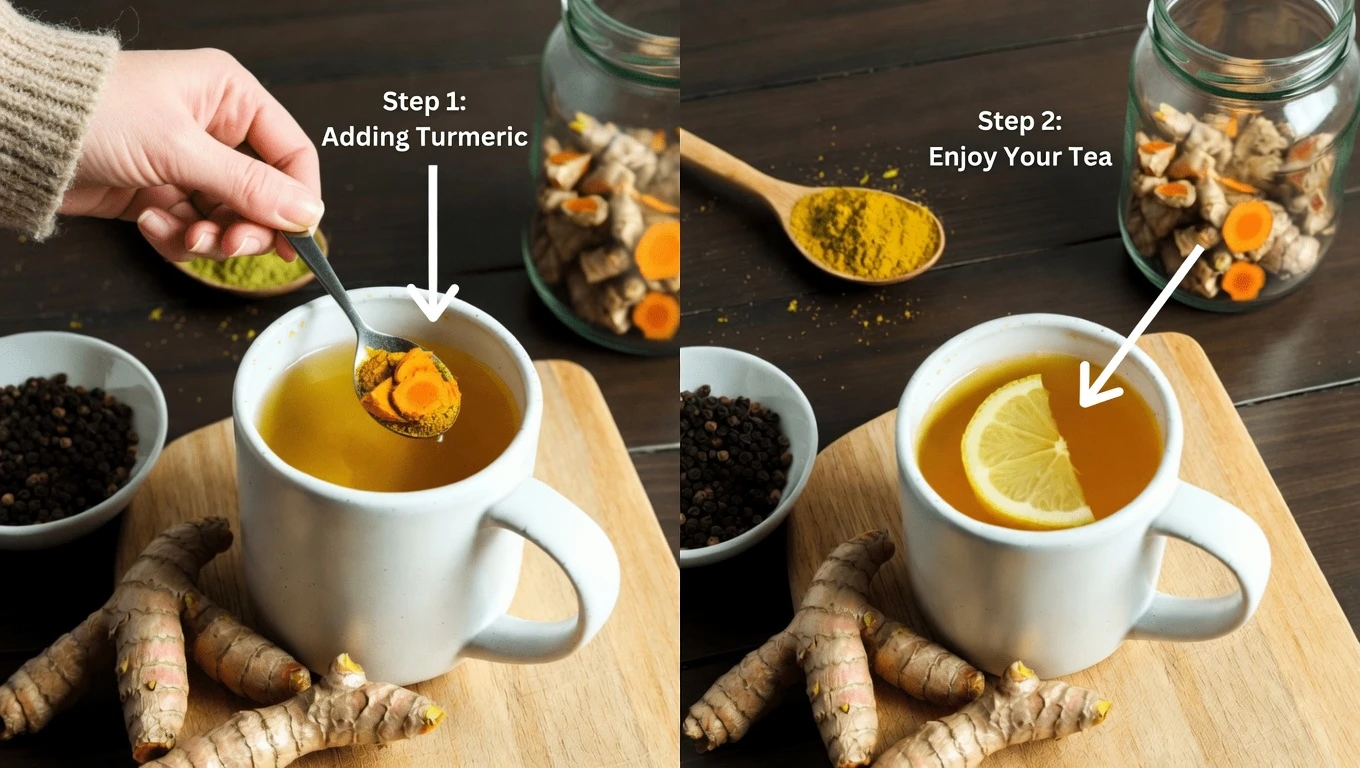
- Add turmeric, black pepper, and moringa to a mug.
- Pour in the warm water slowly.
- Stir well for 30–60 seconds until evenly mixed.
- Add lemon/lime juice (optional) and stir again.
- Drink first thing in the morning, ideally on an empty stomach for better uptake.
Tip: If moringa tastes too earthy at first, begin with a smaller amount and increase gradually. The biggest factor is consistency—aim for daily use.
Why Turmeric, Black Pepper, and Moringa Work Well Together
Each ingredient contributes something different, which is why the blend is so popular:
- Turmeric (curcumin): Supports a balanced inflammation response and may aid circulation.
- Black pepper (piperine): Helps your body absorb far more curcumin, increasing the impact of a small dose.
- Moringa: Adds a wide nutrient profile, including antioxidants and vitamins such as C and E, plus minerals that support overall tissue function and daily energy.
A helpful way to stay focused: identify your main issue—knees, back, hands, hips, or something else—and track how it changes over time.
What People Commonly Report After Trying It
Experiences differ from person to person, but many people sharing feedback online describe positive shifts after consistent use.
- A woman in her early 60s noted that mornings felt easier after a few weeks, with less knee stiffness and smoother movement.
- A man in his late 50s reported better energy and less back tightness, especially when he combined the drink with light daily activity.
Anecdotes aren’t the same as clinical proof, but they do show how small, repeatable habits may add up over time.
Quick Check-In: How Are Your Joints Doing Right Now?
Take 30 seconds and answer these for yourself:
- On a 1–10 scale, how strong is your morning stiffness most days?
- What’s one activity it limits (stairs, bending, walking, gripping)?
- Can you commit to trying this for two weeks?
Writing it down makes progress easier to notice and keeps motivation high.
Extra Supports Some People Add (Optional)
If you want broader support, some people also consider:
- Boswellia: Studied for its potential to support cartilage and help maintain healthy inflammation markers.
- Magnesium (glycinate): Often used in the evening to support muscle relaxation; many adults over 50 are low in magnesium.
- Vitamin D: Important for bones and joints; deficiency is common and sometimes associated with more discomfort.
Always speak with a healthcare professional before adding supplements—especially if you take medications or manage chronic conditions.
Simple Diet Habits That Can Improve Results
To get more from the drink, pair it with a few sustainable habits:
- Choose cooked vegetables and lean proteins, especially if digestion is sensitive.
- Add other supportive spices like ginger.
- Stay well-hydrated, since circulation and tissue lubrication rely on water.
- Avoid extreme diets—balance is easier to maintain long-term.
When Might You Notice a Difference?
Many people describe small improvements within 7–14 days, such as:
- easier mornings
- less “rusty” movement
- lighter steps
More noticeable changes are often reported around 3–4 weeks with consistent daily use. Consider tracking your stiffness score weekly to spot gradual progress.
Your Simple Plan to Start Tomorrow
- In the morning, make the drink and sip it mindfully.
- Follow it with 5–10 minutes of gentle movement, such as arm circles, easy knee lifts, or a slow walk.
- Reassess how you feel after 15–30 days.
Small daily steps can create meaningful change—especially when they’re simple enough to repeat.
Note: Pairing hydration with gentle movement often enhances joint comfort—many joints respond best to warmth, fluids, and light motion.
Frequently Asked Questions
Can I prepare this drink in advance?
It’s best made fresh. However, you can pre-mix the dry ingredients in a small jar to save time. Keep it sealed in a cool, dry place.
Is it safe if I take medications?
Turmeric and moringa are generally well-tolerated, but you should consult your clinician—particularly if you take blood thinners or other medications, since interactions are possible.
What if the flavor is too strong?
Start with smaller amounts, increase the lemon/lime, or mix it into herbal tea. Gradual adjustments usually help.
Disclaimer
This content is for informational purposes only and does not provide medical advice. It is not intended to diagnose, treat, cure, or prevent any condition. Always consult a qualified healthcare professional before starting new remedies or supplements—especially if you have a medical condition, are pregnant, or take medications. Individual results vary.