
5 Everyday Vegetables That Support Kidney Health Naturally
It can feel unsettling when a routine blood test shows changes in creatinine or GFR. For many people, those numbers quickly turn everyday choices—especially food—into a source of stress. Even a simple trip to the grocery store may start to feel complicated, and meals that once felt easy can suddenly raise questions.
The good news is that some common vegetables can provide gentle nutritional support for kidney-conscious eating. When used as part of a balanced lifestyle and alongside medical guidance, they can help you build meals that feel both nourishing and manageable. And at the end, there is one simple daily habit that brings all five of these vegetables together in an easy, practical way.
Vegetables often play an understated but important role in kidney-friendly nutrition. They can supply fiber, antioxidants, and key vitamins without placing too much strain on the body with minerals that may need closer monitoring. Guidance from organizations such as the National Kidney Foundation suggests that diets rich in carefully chosen vegetables can work well alongside professional care to support overall wellness. Best of all, you do not need specialty foods—just a handful of familiar vegetables that fit naturally into daily cooking.
Why These Vegetables Are Especially Helpful
Not every vegetable is equally suited to a kidney-friendly eating pattern. The best choices are often lower in potassium, phosphorus, and sodium while still providing valuable nutrients and plant compounds.
Research on plant-focused eating patterns, including findings published in nutrition journals, suggests that eating more vegetables may help support the body’s ability to manage waste products more efficiently. That is one reason these five options stand out so clearly.

1. Red Bell Peppers: Bright Flavor Without the Burden
Red bell peppers are often recommended in kidney-conscious meal plans because they are naturally gentle in terms of mineral content. A half-cup serving contains about 1 mg of sodium, 88 mg of potassium, and 10 mg of phosphorus. At the same time, they offer vitamins A, C, and B6, along with fiber and the antioxidant lycopene.
Their biggest advantage is simple: they bring bold taste and crisp texture without needing added salt. That makes it easier to enjoy food while staying aligned with kidney-supportive eating goals.
Easy ways to eat red bell peppers every day
- Slice them raw and pair with hummus for a crunchy snack
- Roast them and mix into salads or pasta dishes
- Fill them with lean protein and bake them as a colorful side
- Dice them into omelets, sautés, or stir-fries
2. Cabbage: Budget-Friendly and Rich in Protective Nutrients
Cabbage is one of the most affordable vegetables you can buy, and it offers impressive nutritional value. A half-cup of green cabbage has around 6 mg of sodium, 60 mg of potassium, and 9 mg of phosphorus. It also contains vitamin K, vitamin C, fiber, and phytochemicals that help protect cells.
Another benefit is its fiber content, which can support the body’s normal waste-handling processes. Many people overlook cabbage until they begin using it regularly and discover how versatile it really is.
Simple ways to include cabbage
- Shred it into a quick slaw with lemon juice and herbs
- Steam it lightly for a warm, easy side dish
- Use cabbage leaves as wraps instead of bread or tortillas
- Stir it into soups and stews for extra volume and texture
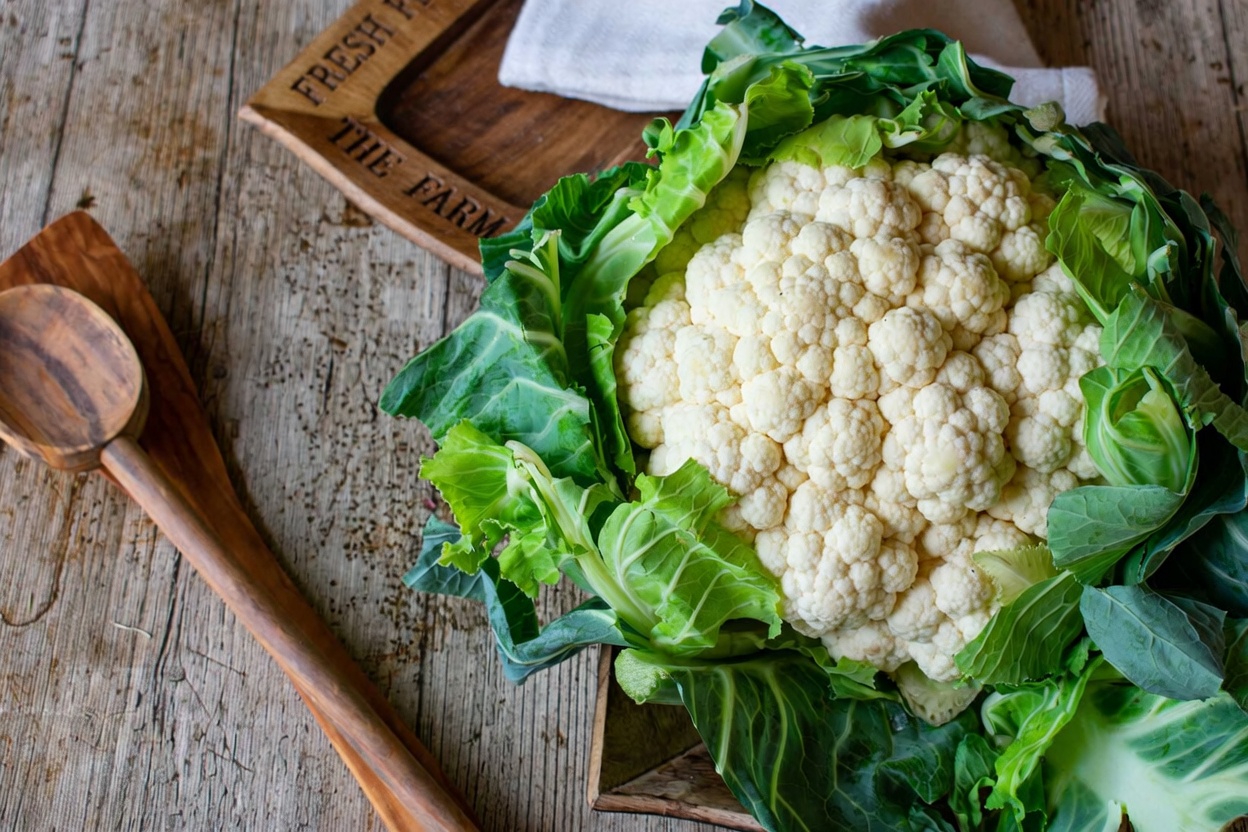
3. Cauliflower: Flexible, Filling, and Nutrient-Dense
Cauliflower is a strong choice for kidney-friendly meals because it provides fiber, folate, and vitamin C while staying relatively low in sodium, potassium, and phosphorus. A half-cup of boiled cauliflower contains about 9 mg sodium, 88 mg potassium, and 20 mg phosphorus.
What makes cauliflower especially appealing is its natural plant compounds, including glucosinolates and indoles, which may support the liver’s normal detoxification activity. It is also remarkably adaptable in the kitchen, making it easier to stay interested in healthy meals over time.
Smart ways to use cauliflower
- Roast florets with olive oil and herbs
- Pulse it into cauliflower “rice” for bowls or stir-fries
- Steam and blend it into smooth soups
- Serve it raw with a light, simple dip
4. Garlic: Small Ingredient, Big Benefit
Garlic may be tiny, but it adds major flavor and useful plant compounds. One clove contains only about 1 mg sodium, 12 mg potassium, and 4 mg phosphorus. It also provides antimicrobial and anti-inflammatory properties.
One of garlic’s biggest strengths is that it can reduce dependence on salt. Fresh garlic makes ordinary food taste richer and more satisfying, which is especially helpful for people trying to follow a kidney-supportive eating plan.
Quick ways to use garlic more often
- Mince fresh cloves into marinades
- Roast whole garlic bulbs for a soft, sweet spread
- Sprinkle salt-free garlic powder on cooked vegetables
- Mix garlic into sauces, dressings, or soup bases
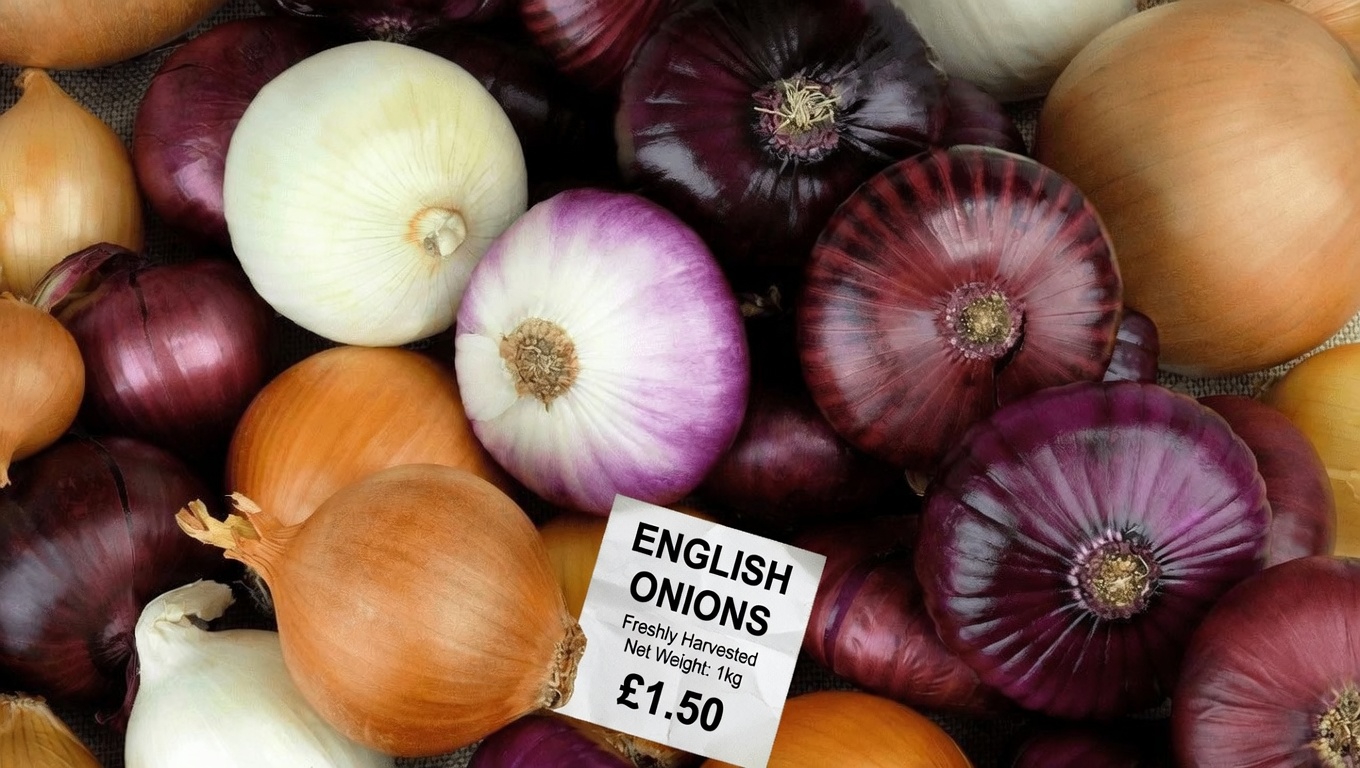
5. Onions: A Flavor Base With Added Antioxidants
Onions are a kitchen staple that do much more than boost taste. A half-cup serving contains about 3 mg sodium, 116 mg potassium, and only 3 mg phosphorus. They also supply quercetin and other flavonoids that may support heart health.
Their sulfur-containing compounds may help the body respond better to daily oxidative stress, making onions a useful ingredient for overall wellness. They are easy to use in countless dishes, which makes them one of the most practical vegetables on this list.
Everyday ways to enjoy onions
- Cook them slowly until caramelized for a rich topping
- Add raw slices to sandwiches or burgers
- Use them as a base for homemade soups and casseroles
- Grill thick onion rounds beside your protein source
Daily Habits That Help These Vegetables Do More
Once you know which vegetables to choose, the next step is making them part of your routine. The best results usually come from small actions repeated consistently.
5 simple habits to start this week
- Make a breakfast omelet with onions and red bell peppers
- Keep washed cabbage and chopped cauliflower ready in the fridge
- Roast a large tray of peppers, onions, and cauliflower for easy lunches
- Use fresh garlic in place of extra salt whenever possible
- Replace one packaged snack each day with raw pepper strips or cabbage slaw
There is another important piece to remember: these vegetables work even better when paired with good hydration and regular light movement. A balanced lifestyle helps your body make better use of the nutrients they provide.
What Research Says About Vegetables and Kidney Markers
Organizations such as the National Kidney Foundation and DaVita Kidney Care frequently include these vegetables in kidney-conscious nutrition guidance. Broader research on plant-forward diets also suggests that higher vegetable and fiber intake may support healthy creatinine balance and overall kidney function when combined with proper medical care.
The most important lesson from this research is not perfection—it is consistency. Eating supportive foods regularly matters more than following an ideal plan for only a few days.
How to Make This Approach Sustainable
One reason these five vegetables work so well is that they fit easily into real life. They are affordable, widely available, and easy to rotate through meals during the week. That variety helps prevent boredom and makes healthy eating feel more realistic in the long run.
Many people also notice that meals feel more satisfying when they include more color, texture, and freshness. A plate filled with crisp peppers, tender cauliflower, savory onions, cabbage, and garlic-rich flavor often feels more enjoyable—not more restrictive.
Frequently Asked Questions
Can these vegetables actually help improve creatinine levels?
No single vegetable will act as a cure or instant fix. However, kidney health experts suggest that including more low-mineral vegetables in a balanced eating pattern may support the body’s natural processes and overall kidney wellness.
How much should I eat each day?
A practical goal is around 2 to 3 cups of mixed low-potassium vegetables spread across your meals. Start gradually and pay attention to how you feel. Your doctor or dietitian can help you determine the right amount for your needs.
Are there vegetables I should avoid or prepare differently?
Fresh or frozen vegetables without heavy sauces are usually the best choice. If potassium needs strict control, your healthcare provider may recommend special preparation methods for higher-potassium vegetables. The five listed in this article are generally considered kidney-friendly options.
Is it better to eat them raw or cooked?
Both can work well. Cooked vegetables may be easier to digest for some people, while raw vegetables add crunch and freshness. Using a mix of both is often the easiest way to keep meals interesting.
Is this suitable for everyone?
These vegetables are healthy for most people, but anyone with kidney disease or other medical concerns should speak with a healthcare provider or registered dietitian before making major dietary changes.
A Simple Step Toward Better Kidney Support
Supporting healthy creatinine levels and kidney function does not have to begin with dramatic changes. Often, it starts with small food choices that are flavorful, practical, and easy to repeat.
Red bell peppers, cabbage, cauliflower, garlic, and onions offer a smart combination of taste, convenience, and nutrition. Start with just one new habit this week, and build from there. Even a small shift toward more kidney-friendly vegetables can make your meals feel better and support your body in a gentle, everyday way.
Disclaimer
This article is for informational purposes only and does not replace medical advice, diagnosis, or treatment. Always speak with your healthcare provider or a registered dietitian before changing your diet, especially if you have kidney disease or other ongoing health concerns.