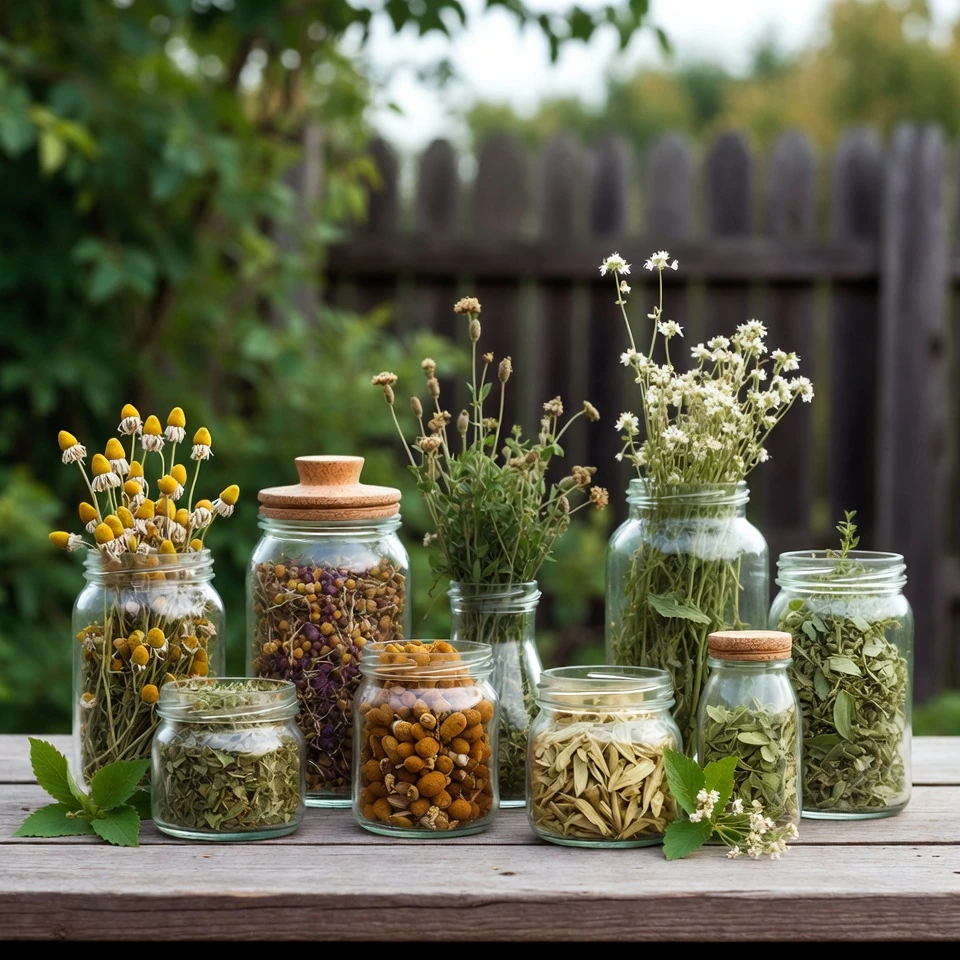
Many men over 40 begin to notice subtle shifts in urinary habits—such as a slower stream, more frequent bathroom visits (often at night), or the feeling that the bladder never fully empties. These changes are commonly linked to benign prostatic hyperplasia (BPH), a non-cancerous enlargement of the prostate that becomes increasingly common with age. Over time, disrupted sleep can turn into daytime fatigue, lower confidence, and real strain on work, travel, and relationships.
The encouraging part is that everyday routines can help support overall comfort. Herbal teas are not a cure and cannot replace medical evaluation, but both traditional use and early research suggest certain plant compounds—like antioxidants and anti-inflammatory polyphenols—may contribute to prostate wellness as part of a broader lifestyle plan. Below are seven herbal teas often discussed for prostate support, along with brewing guidance, realistic benefits, and safety considerations—plus a simple synergy tip you can use in daily routines.
Prostate Changes After 40: What’s Happening?
With age, hormonal shifts, low-grade inflammation, and changes in tissue response can contribute to prostate enlargement. This may trigger lower urinary tract symptoms (LUTS) such as:
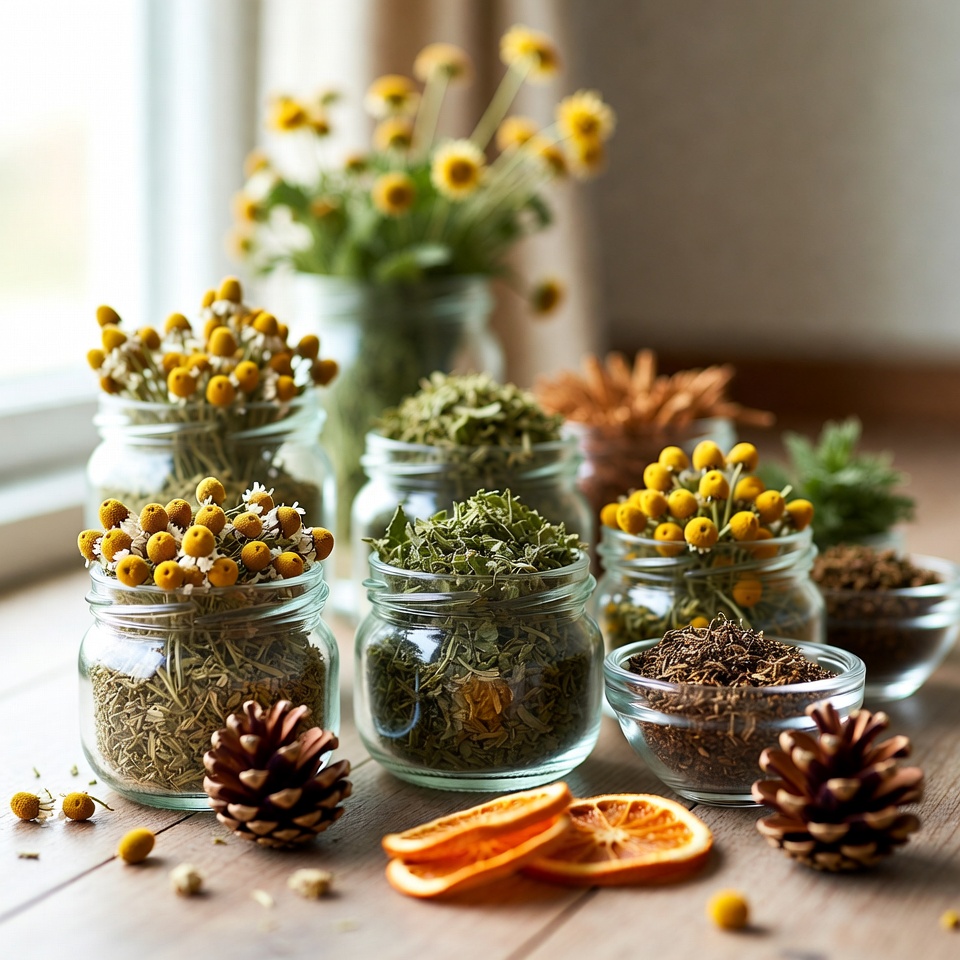
- Urgency or frequent urination
- Hesitancy (difficulty starting)
- Weak stream
- Nighttime urination (nocturia)
- Incomplete emptying
BPH is not prostate cancer, but it can significantly affect quality of life through sleep disruption, stress, and reduced energy.
Lifestyle still matters. Adequate hydration, regular movement, and a diet rich in plant nutrients may support general urinary and prostate comfort. Herbal tea fits well here: it’s accessible, often caffeine-free (depending on the tea), and easy to maintain as a routine—though research results vary and more human studies are still needed.
How Herbal Teas May Support Prostate Wellness
Prostate comfort is influenced by several overlapping processes, including:
- Inflammation balance
- Oxidative stress control
- Hormonal signaling (including pathways related to DHT)
Herbal teas are not proven treatments for BPH, but many contain bioactive compounds—such as catechins, phytosterols, and polyphenols—that have shown potential benefits in laboratory research and limited human studies.
Here’s a quick overview of the teas covered in this guide:
- Green tea — strong antioxidant profile; most consistent research interest
- Stinging nettle root — traditional urinary support; some clinical evidence for symptom improvement
- Hibiscus — antioxidant-rich and hydration-friendly
- Pumpkin seed tea — nutrient and phytosterol content; oil studies suggest symptom support
- Turmeric tea — promising anti-inflammatory mechanisms (especially curcumin)
- Saw palmetto — classic prostate herb; evidence is mixed in trials
- Herbal blends — potential synergy by combining multiple supportive plants
Use these as complementary habits—not replacements for screening or medical guidance (including PSA discussions when appropriate).
1. Green Tea: A Daily Antioxidant Staple
Green tea is widely recognized for its catechins, especially EGCG (epigallocatechin gallate).
How to brew
- Steep 1 teaspoon loose leaf (or 1–2 tea bags) in hot water that is not boiling
- Brew for 3–5 minutes
- Typical routine: 2–4 cups per day, depending on caffeine tolerance
Why it may help
- EGCG is studied for its role in reducing oxidative stress and supporting healthy cellular pathways
- Observational and lab research often links regular green tea intake with markers related to prostate wellness, although direct evidence for BPH symptom relief is not definitive
For many men, green tea is the easiest place to start because it’s widely available and simple to make a consistent habit.
2. Stinging Nettle Root Tea: Traditional Urinary Comfort Support
Stinging nettle root has a long history of use for urinary function and male wellness.
How to brew (decoction method)
- Simmer 1 teaspoon dried nettle root in water for 10 minutes
- Strain and drink
- Common use: 2–3 cups daily
Why it may help
- Nettle root contains compounds studied for inflammation balance and urinary function support
- Some clinical research has reported improvements in BPH-related symptoms such as nighttime urination and urgency
It’s naturally caffeine-free and is often combined with other herbs in prostate-focused blends.
3. Hibiscus Tea: Antioxidants + Hydration Support
Hibiscus tea is tart, bright, and usually caffeine-free—making it a popular alternative to sugary drinks.
How to brew
- Steep 1–2 teaspoons dried hibiscus flowers for 5–10 minutes
- Drink hot or chilled over ice
Why it may help
- Hibiscus provides polyphenols and antioxidants
- While it’s not a direct BPH intervention, hydration and antioxidant intake can support overall urinary comfort and wellness patterns
If nighttime bathroom trips are a concern, consider drinking hibiscus earlier in the day rather than close to bedtime.
4. Pumpkin Seed Tea: Nutrient-Rich and Prostate-Friendly
Pumpkin seeds are known for nutrients often associated with prostate wellness, including zinc and phytosterols.
How to brew
- Lightly toast pumpkin seeds
- Crush them slightly and steep in hot water for 10 minutes
- Aim for 1–2 cups daily as a gentle routine
Why it may help
- Research on pumpkin seed oil has suggested potential benefits for urinary symptoms in some men with BPH
- The phytosterols and nutrient profile may support prostate comfort as part of an overall diet
The flavor is mild and nutty—an easy way to add variety if you get bored with standard teas.
5. Turmeric “Golden Tea”: Supporting Inflammation Balance
Turmeric contains curcumin, a compound studied extensively for inflammation-related pathways.
How to brew
- Simmer turmeric (fresh or powdered) in water for 5–10 minutes
- Add a pinch of black pepper (commonly used to improve curcumin absorption)
- Add milk or plant milk if desired (fat can also support absorption)
- Typical use: 1–2 cups per day
Why it may help
- Curcumin is studied for its ability to modulate inflammatory signaling
- Research is promising in mechanisms and prostate-related markers, though it’s not established as a BPH treatment
Many people prefer turmeric tea in the evening because it’s warm, calming, and caffeine-free.
6. Saw Palmetto Tea: A Classic With Mixed Evidence
Saw palmetto is one of the most well-known traditional herbs used for prostate support.
How to use
- Tea bags and infusions exist, but many studies use standardized extracts in supplement form
- It’s often paired with herbs like nettle in prostate blends
Why it may help (and where evidence is unclear)
- Saw palmetto is commonly discussed for effects related to DHT pathways
- Clinical evidence is mixed: some reviews show symptom improvements, while larger trials have found results similar to placebo
If you’re curious, it may be most practical as part of a thoughtfully formulated blend rather than as a stand-alone tea.
7. Herbal Blends: The “Synergy” Approach for Daily Routine
Rather than relying on a single herb, many people choose multi-herb prostate teas that combine complementary ingredients.
How to brew
- Use a commercial prostate-support blend, or combine compatible options such as:
- nettle root + green tea (morning/early afternoon)
- hibiscus + pumpkin seed tea (daytime)
- turmeric blend (evening)
- Focus on consistency for several weeks, not a one-time trial
Why blends may help
- Different herbs may support different wellness pathways (oxidative stress, inflammation balance, urinary comfort)
- Traditional systems often emphasize combination formulas, and some modern approaches echo this logic
Simple synergy tip: Pair an antioxidant-forward tea (like green tea or hibiscus) earlier in the day with a calming, caffeine-free option (like turmeric) later—this supports consistency without disrupting sleep.
Realistic Expectations + Safety Notes
Herbal teas may gently support wellness and may help some men feel more comfortable over time, but they do not cure BPH and do not prevent serious conditions like prostate cancer. Think of them as supportive habits that work best alongside:
- Regular exercise and healthy weight management
- Balanced, plant-forward eating
- Smart hydration timing (more earlier in the day)
- Appropriate medical checkups and screening discussions
Safety reminders
- Watch for drug interactions (for example, with blood thinners or blood pressure medications)
- Consider caffeine sensitivity (especially with green tea)
- Start with small amounts to check tolerance and allergies
If urinary symptoms are new, worsening, or affecting sleep, consult a clinician to rule out infection, complications, or other causes.
Frequently Asked Questions (FAQ)
-
Can herbal teas replace medication for prostate problems?
No. Herbal teas may support comfort but are not a replacement for medical treatment. Speak with a healthcare professional before changing any treatment plan. -
How long does it take to notice results?
It varies. Some men report gradual changes over a few weeks with consistent use, while others notice little difference. -
Are these teas safe to drink every day?
Often yes in moderate amounts, but safety depends on your health conditions, medications, and sensitivities. If you’re on medication or managing chronic conditions, confirm with your clinician.
Disclaimer
This article is for informational purposes only and does not provide medical advice. It is not intended to diagnose, treat, cure, or prevent any disease. Always consult a qualified healthcare provider before starting new dietary habits, especially if you have medical conditions or take medications.