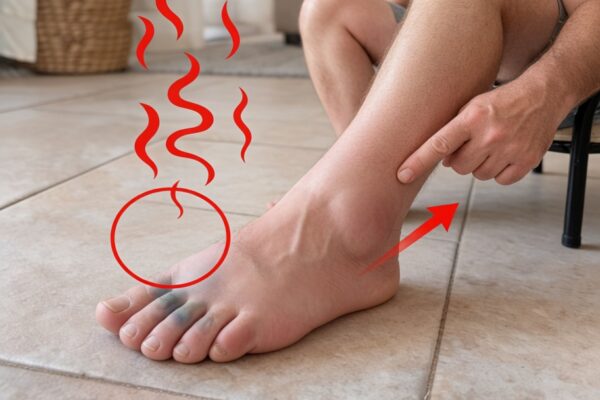
Living with tingling, burning, or numbness in the hands and feet can turn everyday activities—typing, walking, even sleeping—into a constant struggle. These sensations are often tied to peripheral neuropathy, and while the causes can vary, nutrition is one area you can often improve. Certain nerve-supporting vitamins are essential for nerve repair, signal transmission, and inflammation control—and getting enough of them may help reduce discomfort.
Below are four key vitamins for neuropathy support, backed by research and commonly recommended in nerve-health conversations, plus practical ways to add them to your daily routine.
What Is Neuropathy (and Why It Feels So Uncomfortable)?
Neuropathy describes damage or irritation to the peripheral nerves—the network that carries messages between the brain/spinal cord and the rest of the body.

When these nerves are disrupted, symptoms often include:
- Tingling or “pins and needles”, usually starting in toes or fingertips
- Burning pain, frequently worse at night
- Numbness that can affect balance and coordination
- Sensitivity to touch or temperature changes
The underlying triggers can include nutrient deficiencies, blood sugar imbalance, medication effects, or physical pressure on nerves. Supporting the body with the right nutrients is a practical, evidence-informed step that can complement medical care.
Everyday Factors That Can Weaken Nerve Health
Nerve function is influenced by more than age or genetics. Common contributors include:
- Low vitamin intake or poor absorption (especially B vitamins and vitamin D)
- Chronically high blood sugar, which can irritate nerves over time
- Alcohol use, which can interfere with nutrient status
- Certain medications, which may reduce absorption of key nutrients
- Lifestyle patterns (limited movement, poor posture, highly processed diets)
The encouraging part: many people see benefits by addressing nutrition and daily habits consistently.
Vitamin B12: Essential for Myelin and Nerve Signaling
Vitamin B12 is fundamental for maintaining the myelin sheath, the protective coating around nerves. Without enough B12, nerve signaling can become inefficient and symptoms may worsen.
Research has repeatedly associated low B12 levels with neuropathy-like symptoms, including tingling and numbness.
Top food sources of vitamin B12:
- Eggs
- Fish (salmon, tuna)
- Poultry
- Milk, yogurt, cheese
If you follow a plant-based diet or have absorption concerns, fortified foods or supplements may be necessary. Ask a healthcare professional about testing your level—B12 is one of the most common nutrients to evaluate when neuropathy symptoms appear.
Vitamin B1 (Thiamine): Fuel for Nerve Function
Thiamine (vitamin B1) supports the body’s ability to convert food into energy—an essential process for nerves, which require steady fuel to function properly.
Low thiamine status has been linked to nerve discomfort, particularly in people with certain metabolic or health conditions.
Best dietary sources of thiamine:
- Whole grains
- Beans and lentils
- Nuts and seeds
- Pork
Some studies highlight benfotiamine, a fat-soluble form of B1 that may be better absorbed in some individuals. Research interest in thiamine continues to grow due to its potential role in nerve support beyond simply preventing deficiency.
Vitamin B6: Helpful for Neurotransmitters (But Dose Matters)
Vitamin B6 helps the body produce neurotransmitters, which are chemical messengers used for nerve communication. Balanced B6 levels support healthy nerve signaling and function.
A key point: both low and excessive B6 intake can contribute to nerve symptoms, so it’s important to avoid megadoses unless supervised by a clinician.
Natural sources of vitamin B6:
- Chickpeas
- Salmon
- Potatoes
- Bananas
- Spinach
Because B vitamins often work best together, many clinicians prefer a carefully dosed B-complex approach rather than high amounts of a single B vitamin.
Vitamin D: The “Sunshine Vitamin” With Nerve Benefits
Vitamin D is widely known for bone health, but it also supports the nervous system by influencing inflammation regulation and nerve growth factors.
Multiple studies have found associations between low vitamin D levels and increased neuropathy symptoms, especially in people with metabolic concerns.
Ways to get more vitamin D:
- Safe sunlight exposure
- Fatty fish (salmon, sardines)
- Egg yolks
- Fortified milk or fortified alternatives
- Supplements (often used in low-sunlight regions)
Many people who correct low vitamin D report broader improvements such as better mood and overall comfort, in addition to possible nerve-related benefits.
Simple Daily Strategies to Add These Vitamins
You don’t need a complicated plan. Start with consistent, realistic upgrades:
- Build a nutrient-focused breakfast
- Eggs (B12, D) or oatmeal topped with nuts/seeds (B1)
- Eat fatty fish twice weekly
- Salmon provides vitamin D and B6 (plus omega-3s)
- Choose smart snacks
- Bananas or roasted chickpeas for B6
- Discuss supplements with your healthcare provider
- Especially B12, B-complex, or vitamin D if levels are low
- Check vitamin D status periodically
- Many people benefit from annual testing
- Take fat-soluble nutrients with food
- Vitamin D (and some forms of B1 like benfotiamine) may absorb better with meals containing healthy fats
Small changes done consistently tend to produce the most noticeable results.
Quick Guide: Foods Rich in Nerve-Supporting Vitamins
- Vitamin B12: eggs, salmon, yogurt
- Serving idea: scrambled eggs with spinach
- Vitamin B1 (Thiamine): sunflower seeds, black beans, whole grains
- Serving idea: bean salad topped with seeds
- Vitamin B6: chickpeas, chicken, potatoes
- Serving idea: roasted potato wedges with hummus
- Vitamin D: fatty fish, fortified milk, egg yolks, mushrooms
- Serving idea: grilled salmon with vegetables
Lifestyle Habits That Improve Results
Nutrition works even better when paired with supportive habits:
- Move regularly (walking, swimming, gentle strength training) to aid circulation
- Keep blood sugar steady with balanced meals
- Maintain posture and ergonomic positioning to reduce nerve pressure
- Limit alcohol and ultra-processed foods that may disrupt nutrient balance
Frequently Asked Questions
-
Can vitamins alone fix neuropathy?
Vitamins can support nerve health, but they’re most effective as part of a broader plan that may include medical evaluation, diet changes, movement, and targeted treatment. -
When might I notice improvement?
Many people track changes over 4–12 weeks of consistent nutrition and appropriate supplementation, though outcomes vary. -
Is it safe to supplement without testing?
Testing is strongly recommended, especially for B12, vitamin D, and B6, since too much or too little can be an issue depending on the nutrient.
Final Thoughts
Nerve discomfort can feel relentless, but improving your nutrient foundation is a practical step you can control. By prioritizing vitamin B12, vitamin B1 (thiamine), vitamin B6, and vitamin D through food—and using supplements thoughtfully when appropriate—many people find meaningful improvement in daily comfort and function.
Disclaimer: This content is for educational purposes only and is not intended to diagnose, treat, cure, or prevent any disease. Always consult a qualified healthcare professional before starting supplements or making significant dietary changes.