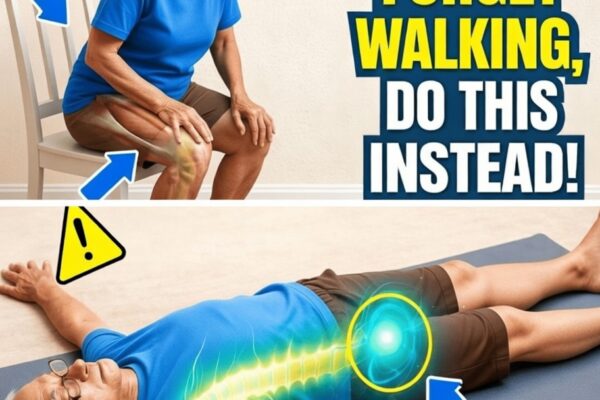
Nighttime Leg or Foot Pain: Could It Be Reduced Circulation?
Waking up at night with aching, burning, or cramping in your legs or feet can be more than just “a long day” catching up with you. While muscle fatigue and ordinary cramps are common, recurring nighttime discomfort may also point to reduced blood flow in the legs—often associated with peripheral artery disease (PAD), a condition where arteries narrow and circulation becomes limited.
Reputable medical organizations and health systems (including the American Heart Association, Mayo Clinic, and others) note that as PAD progresses, symptoms may move beyond activity-related pain and begin interfering with rest and sleep. The encouraging part is that identifying patterns early—then taking a few consistent, practical steps—can support healthier circulation and overall vascular function.
This guide breaks down what these nighttime signs may indicate, why they tend to flare after you lie down, and what you can start doing today to help your legs feel better at night. Stay to the end for a commonly overlooked daily habit that research suggests can make a meaningful difference.

What “Reduced Blood Flow in the Legs” Really Means
Peripheral artery disease (PAD) typically develops when plaque builds up inside arteries, making them narrower and less able to deliver oxygen-rich blood to the legs and feet. This is the same underlying process involved in coronary artery disease, which is why PAD is often considered a marker of broader cardiovascular risk.
In the early stages, many people feel symptoms mainly during movement—especially walking—because the leg muscles demand more oxygen. This is often called intermittent claudication, and the discomfort usually improves with rest.
As artery narrowing becomes more severe, however, circulation may not be enough even when you’re resting. Nighttime can be particularly uncomfortable because lying flat reduces gravity’s assistance in getting blood down to the lower legs and feet. Clinical resources from organizations like the Cleveland Clinic and major health references often emphasize that PAD is common—especially in adults over 50 and in people with risk factors such as:
- Smoking (current or past)
- Diabetes
- High blood pressure
- High cholesterol
- A history of cardiovascular disease
Nighttime Symptoms That May Signal Poor Leg Circulation
Not everyone with PAD has obvious signs, and many symptoms can overlap with other issues. Still, the following nighttime patterns are frequently linked to reduced blood flow:
-
Burning, aching, or cramping in the feet, toes, or lower legs
Often begins after you lie down and may feel worse if your legs are propped up on pillows. People commonly describe a deep, throbbing discomfort that interrupts sleep. -
Feeling better when you hang your legs off the bed
Letting the legs dangle uses gravity to temporarily improve circulation. Medical references often cite this as a classic “rest pain” behavior in more advanced PAD. -
Tingling, numbness, or pins-and-needles sensations
These can wake you up and are sometimes related to reduced oxygen delivery to nerves and tissues. -
Cold feet or lower legs (even under blankets)
One foot or leg may feel noticeably cooler than the other or cooler than the rest of your body. -
Restlessness or an urge to move your legs to get comfortable
This can overlap with other conditions, but when paired with other circulation signs, it’s worth noting.
Also pay attention to warning signs beyond discomfort, especially if you notice them repeatedly:
- Shiny or discolored skin on the legs or feet
- Slow-healing sores or wounds
- Weaker pulses in the feet
- Changes that develop gradually over weeks
Tracking symptoms over time can help reveal patterns you might otherwise miss.
Why Leg Symptoms Often Feel Worse at Night
Body position plays a major role in circulation. During the day, when you’re standing or sitting upright, gravity helps move blood into the lower body. At night, lying flat changes that pressure support, and in narrowed arteries the difference can be noticeable.
Nighttime flare-ups can happen because:
- Narrowed arteries struggle to deliver enough blood without gravity’s help
- Even though muscles need less oxygen at rest, severe narrowing may still fail to meet baseline needs
- Elevating the legs (pillows, recliners, raised footrests) can sometimes reduce blood flow further and aggravate pain
In more advanced disease—sometimes described clinically as severe ischemia—rest pain becomes a key feature and can strongly disrupt sleep and quality of life.
Day vs. Night: A Simple Symptom Comparison
-
Daytime (activity-related patterns):
- Cramping or tightness in calves, thighs, or buttocks while walking
- Symptoms improve relatively quickly with rest
-
Nighttime (rest-related patterns):
- Burning/aching in the feet or toes while lying flat
- Symptoms may ease temporarily when legs dangle downward
Practical Ways to Support Leg Circulation (Starting Tonight)
You don’t need extreme measures to begin supporting better blood flow. The key is consistency and choosing habits that fit your daily life.
1) Use Position to Get Quick Relief
If pain wakes you up:
- Sit up and let your legs hang off the bed for a few minutes
- If needed, walk slowly around the room to stimulate circulation
2) Be Strategic About Leg Elevation
During the day:
- Avoid keeping legs elevated for long stretches if it worsens symptoms
- When relaxing, aim for a neutral position (level) or only slight elevation, depending on comfort
3) Build a Gentle Walking Habit
Regular walking is one of the most evidence-supported approaches for improving symptoms related to PAD.
- Start small (even 5–10 minutes) and repeat more than once daily
- Increase gradually as tolerated
- If available, ask your clinician about supervised exercise programs, which research shows can improve walking distance and circulation-related symptoms
4) Strengthen the “Heart-and-Artery” Foundations
Healthy circulation depends heavily on overall vascular health. Helpful steps include:
- Stop smoking (smoking directly damages blood vessels and worsens narrowing)
- Eat a heart-supportive diet:
- Fruits and vegetables
- Whole grains
- Lean proteins
- Healthy fats (as advised)
- Work with your healthcare professional to manage:
- Blood pressure
- Cholesterol
- Blood sugar (especially for diabetes)
5) Avoid Dehydration and Temperature Extremes
- Drink enough fluids unless your clinician has you on restrictions
- Be cautious with very hot or very cold environments, which can stress circulation in sensitive individuals
A Simple Daily Checklist
Use this to track progress and spot trends:
- Walked at least 10–15 minutes today (total)?
- Avoided smoking and secondhand smoke?
- Any change in nighttime pain or burning?
- Checked feet for redness, sores, blisters, or color changes?
Small improvements may take weeks, but steady habits often matter more than quick fixes.
When to See a Healthcare Professional
Lifestyle steps can support circulation, but persistent rest pain should not be ignored. Contact a healthcare professional if you have:
- Nighttime or rest pain that repeatedly disrupts sleep
- Wounds or sores on the feet/legs that don’t heal
- Sudden changes in leg or foot color (pale, bluish, very red)
- Worsening numbness, weakness, or loss of function
A common screening tool is the ankle-brachial index (ABI), which compares blood pressure in the ankle and arm to check for signs of PAD. Early evaluation can lead to a personalized plan, which may include medications, structured exercise therapy, and further testing when appropriate.
Final Takeaway
Nighttime leg and foot discomfort deserves attention—especially when it becomes a pattern. In some cases, it can be an early indicator of reduced circulation linked to PAD. By recognizing symptoms early and adopting supportive daily habits, many people can improve comfort, protect mobility, and sleep more soundly.
One surprisingly powerful (and often missed) habit is consistent gentle movement—even on low-energy days. Research and clinical guidance frequently emphasize that regular walking and movement help the body adapt and improve circulation over time.
This article is for informational purposes only and is not intended to diagnose, treat, cure, or prevent any disease. Always consult a qualified healthcare professional for medical guidance tailored to your situation.
FAQ
What causes nighttime leg pain when circulation is poor?
When arteries are narrowed, leg muscles and nerves may receive less oxygen-rich blood. Lying flat reduces gravity’s assistance, which can make symptoms more noticeable during rest.
Is leg pain at night always a serious warning sign?
Not always. Leg cramps, dehydration, overuse, and other issues can cause nighttime pain. However, frequent pain—especially pain that improves only when you dangle your legs—should be evaluated for circulation problems.
Can exercise reduce nighttime symptoms?
Often, yes. Regular moderate walking is widely recommended to support better leg circulation and function over time, including in people with PAD (under appropriate medical guidance).
Disclaimer
This content is educational and reflects general medical information from reputable sources. It does not replace professional medical advice, diagnosis, or treatment. Always seek guidance from your physician or another qualified provider for concerns about symptoms or health conditions.