Papaya Leaves for Hair: What They Can (and Can’t) Do for Scalp and Growth
Noticing a receding hairline, thinning at the crown, or hair that simply won’t grow as fast as you want can be genuinely discouraging. It’s also why so many people look for gentle, natural hair care remedies—especially when store-bought formulas feel too harsh, trigger itching, or don’t deliver results.
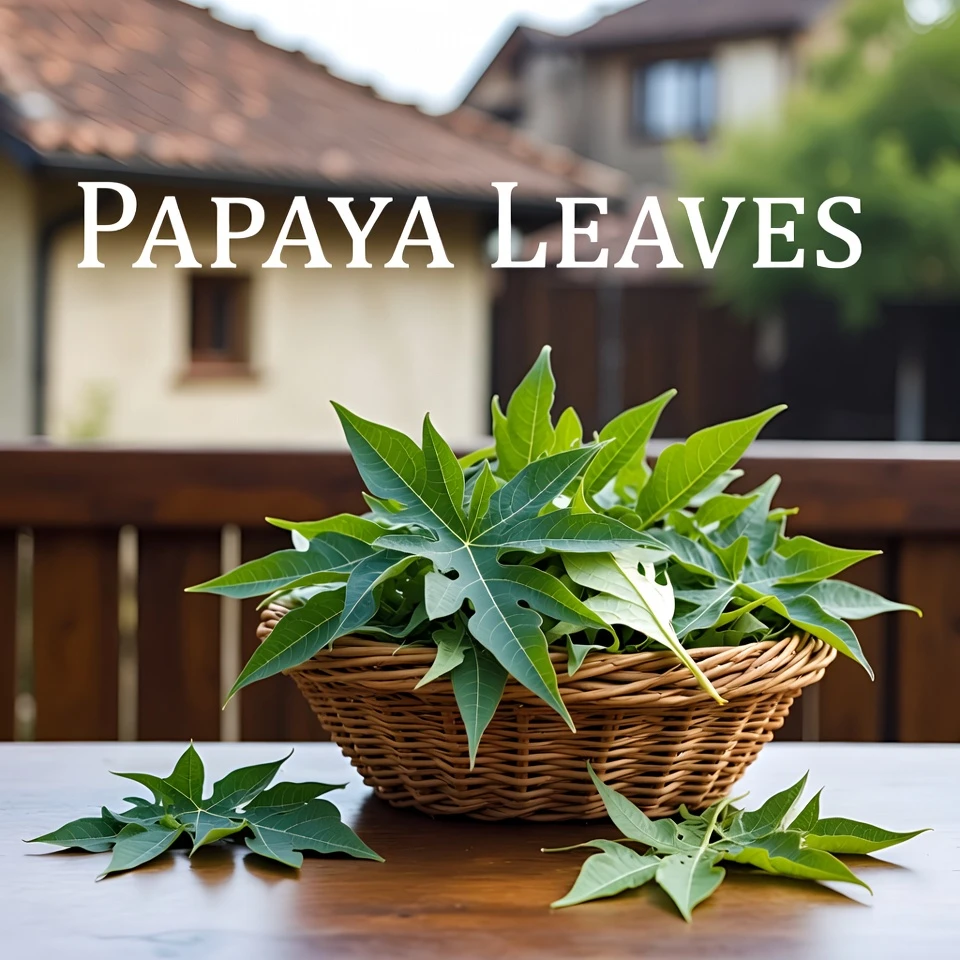
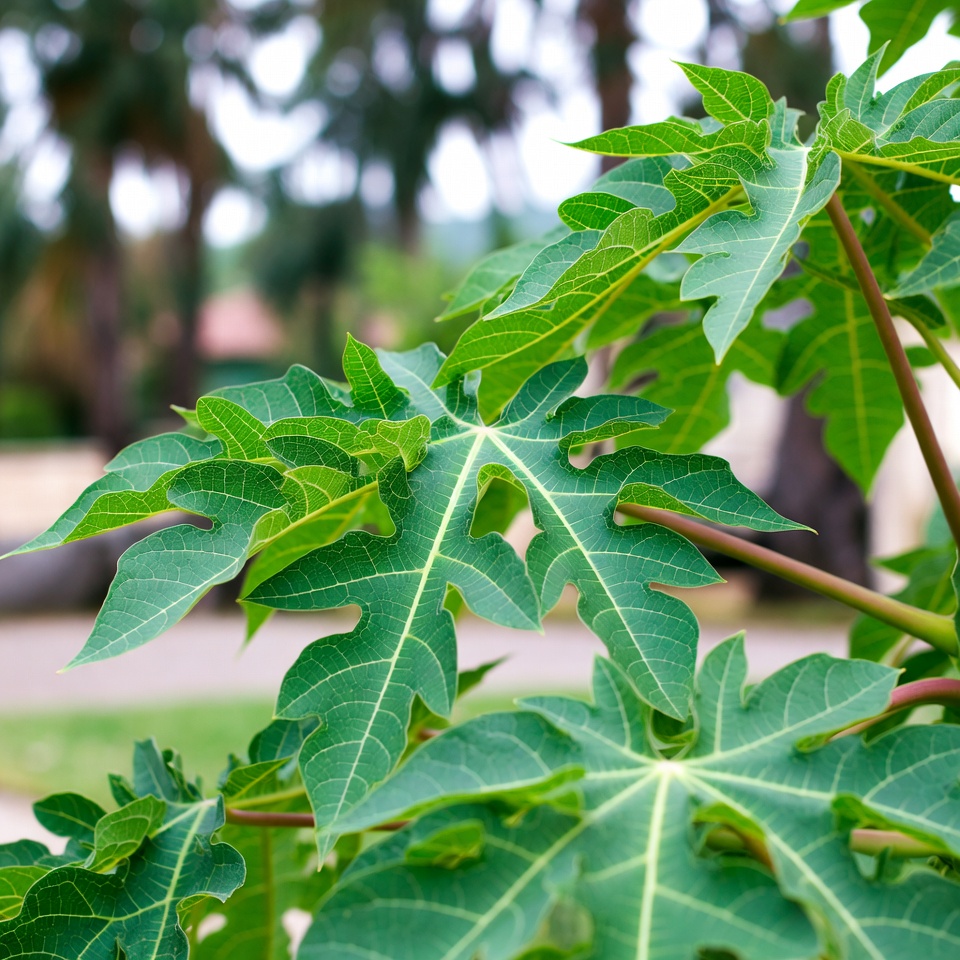
One ingredient that keeps showing up in traditional routines and modern online conversations is papaya leaves from the tropical Carica papaya plant. They’re often discussed as a natural way to support scalp health and improve hair quality. Before you add them to your routine, it helps to understand what’s actually known (and what’s mostly hype).
Papaya leaves are interesting because they contain enzymes, antioxidants, and vitamins that may support a healthier scalp environment when used topically. That said, the current science is limited: most findings come from lab studies, animal research, or small observations—not large, high-quality human trials. In other words, papaya leaves are not a guaranteed hair-growth solution.
Still, many users report that with consistent use, their scalp feels cleaner and calmer, and their hair seems easier to manage. If you’re curious, the safest approach is to try them carefully and realistically.
Why Papaya Leaves Are Popular in Natural Hair Care
Papaya leaves contain several plant-based compounds that make them attractive for scalp care, including:
- Flavonoids (plant antioxidants)
- Vitamin E (commonly linked to antioxidant support)
- Papain (a natural enzyme found in papaya)
These compounds are often associated with antioxidant activity, which may help reduce oxidative stress—a factor sometimes connected to scalp imbalance and slower hair growth.
In traditional hair and herbal practices, papaya leaf mixtures are commonly used to:
- help remove buildup
- soothe an irritated scalp
- support general scalp cleanliness
Modern interest has also been fueled by early research on other papaya-based preparations (including fermented forms or other plant parts). Some studies suggest the plant contains compounds that could influence biological pathways relevant to hair concerns. However, trustworthy health resources note that evidence specifically supporting papaya leaf topical use for hair regrowth remains very limited, with no strong human data confirming dramatic results.
Bottom line: papaya leaves may offer supportive scalp-care benefits, but they should be treated as an optional add-on—not a replacement for proven hair health strategies.
Potential Benefits (Based on Traditional Use + Limited Research)
Claims of “instant” or “extreme” growth aren’t supported by current evidence. But papaya leaves may still contribute to a healthier scalp and better-looking hair in more modest ways:
-
Antioxidant support
Flavonoids and vitamin E may help reduce oxidative stress, which is sometimes associated with healthier follicle conditions. -
Gentle scalp exfoliation and cleansing
Papain may help break down buildup and lift away dead skin cells or excess oil that can block follicles. -
Possible antifungal activity
Some lab studies suggest papaya leaf compounds may inhibit certain fungi, which could align with anecdotal reports related to dandruff management. -
Nutrient support for hair appearance
Vitamins and minerals may contribute over time to hair that looks shinier and feels stronger, especially when paired with good overall hair care.
Many positive experiences appear to come from consistent, gentle use, not overnight changes. For a lot of people, the real benefit is a calmer scalp and improved hair feel.
How to Make a Simple Papaya Leaf Hair Spray at Home
If you want to try papaya leaves safely, a papaya leaf scalp spray is one of the easiest DIY options. It’s inspired by common traditional methods and widely shared routines.
Step-by-step instructions
-
Choose fresh leaves
Pick young, healthy green papaya leaves. Avoid leaves that are old, torn, or spotted. -
Wash thoroughly
Rinse under running water to remove dust and debris. -
Boil (or blend) the leaves
- Chop about 10–15 medium leaves.
- Boil in 2–3 cups of water for 15–20 minutes until the water turns greenish.
- Alternative: blend fresh leaves with water, then strain for a “fresh” version.
-
Cool and strain
Let the mixture cool completely. Strain using a fine sieve, cheesecloth, or clean mesh cloth. -
Store safely
Pour into a clean spray bottle and refrigerate. Use within about 7 days. -
Apply to scalp and hair
After shampooing, spray onto the scalp and hair, massage gently, and leave it in (no rinse needed).
Typical use: 2–3 times per week.
Patch test first (important)
Because papaya leaves contain active enzymes, some people may experience irritation. Apply a small amount to the inner arm first and wait 24 hours.
Tips for Better Results (and What Not to Do)
To get the best outcome with minimal risk, focus on consistency and a scalp-friendly routine.
Practical tips
-
Support hair from the inside, too
Pair topical care with a nutrient-rich diet that includes adequate protein, iron, and biotin sources. -
Give it time
Changes in scalp comfort or hair quality often take 4–8 weeks of steady use. -
Don’t over-apply
Using it too often may leave the scalp dry or sensitive, especially if your skin is already reactive.
Precautions to keep in mind
- Avoid use if you have a papaya allergy or latex allergy (cross-reactivity can happen).
- If you are pregnant or breastfeeding, speak with a healthcare professional before trying new topical remedies.
- Stop immediately if you notice itching, redness, burning, or discomfort.
Final Verdict: Are Papaya Leaves Worth Trying for Hair?
Papaya leaves can be a reasonable natural option if your goal is scalp support and healthier-looking hair over time, not dramatic regrowth. Their antioxidants and enzymes may help create a cleaner, more balanced scalp environment—but the science does not support “unstoppable hair growth” claims.
If you prefer evidence-backed approaches, stick with fundamentals like balanced nutrition, gentle hair handling, and proven scalp care. If you do try papaya leaves, listen to your scalp, start slowly, and adjust based on how your hair responds.
FAQ
-
How often can I use papaya leaf spray on my scalp?
A common starting point is 2–3 times per week. If your scalp feels dry or irritated, reduce frequency. -
Can papaya leaves replace shampoo or conditioner?
No. Think of papaya leaf spray as a supplementary scalp treatment, not a substitute. Pair it with mild, scalp-friendly products (many people prefer sulfate-free formulas). -
What foods support hair health alongside topical care?
Prioritize nutrient-dense options such as eggs, leafy greens (like spinach), nuts, and fatty fish to support hair growth and strength from within.
Disclaimer
This article is for informational purposes only and does not provide medical advice. The content reflects general knowledge and currently available research, and results can vary widely between individuals. Natural topical ingredients—including papaya leaves—can cause irritation or allergic reactions. Consult a qualified healthcare professional before trying new remedies, especially if you are pregnant, breastfeeding, have a medical condition, or take medications.