Why “Miracle Leaf” Cancer Headlines Go Viral — and What the Science Really Says
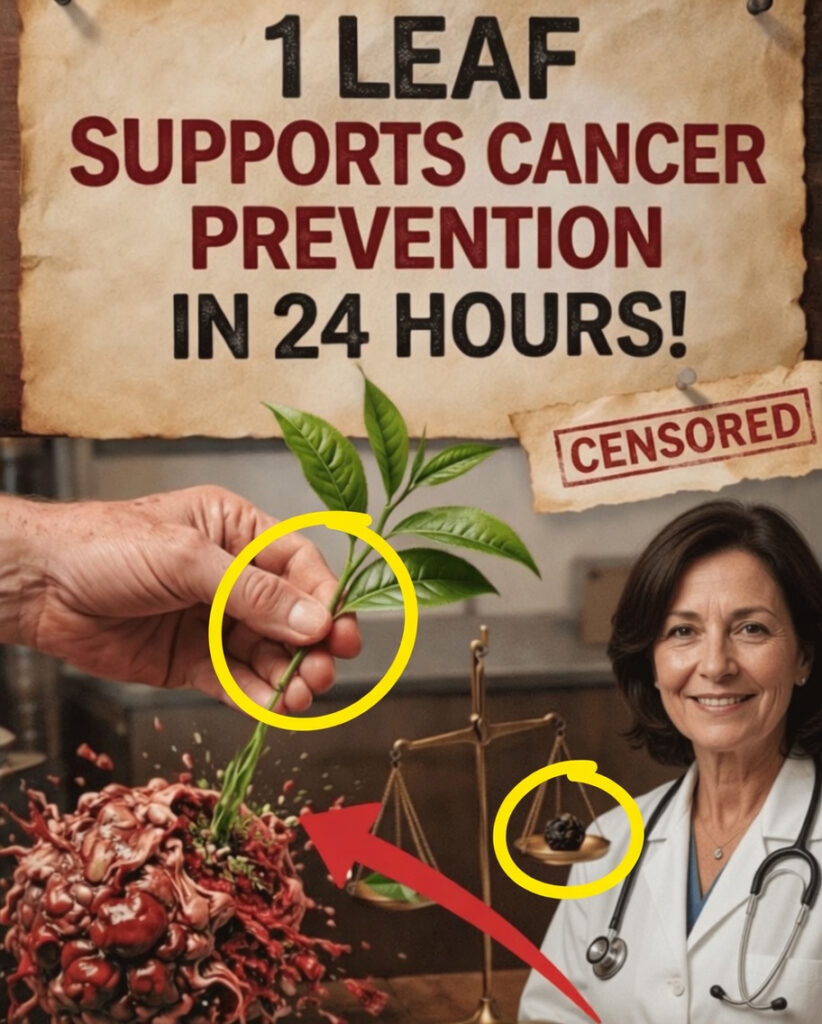
Late-night scrolling can be dangerous for peace of mind, especially when a dramatic headline claims that an everyday leaf can affect cancer cells. For people who have cared for a loved one through serious illness, these posts can spark both hope and anxiety. The idea that a natural remedy might hold answers feels comforting, but it also raises an important question: how much of it is actually supported by science?
The truth is more complex than social media suggests. Real research does exist, but its findings are often early, limited, and easy to misinterpret. Understanding that difference can help you read these stories with more confidence and less confusion.
Why These Stories Spread So Fast
Online platforms reward simple solutions to complicated problems. When people feel overwhelmed by serious health concerns, claims about natural remedies can offer a sense of relief and control.
That is one reason stories about a familiar leaf “fighting cancer cells” move so quickly across the internet.
Many of these posts are not completely invented. They often begin with legitimate laboratory studies that examine chemicals found in plants. The problem starts when early findings are turned into bold conclusions that go far beyond the actual evidence.
The Plant Most Commonly Mentioned
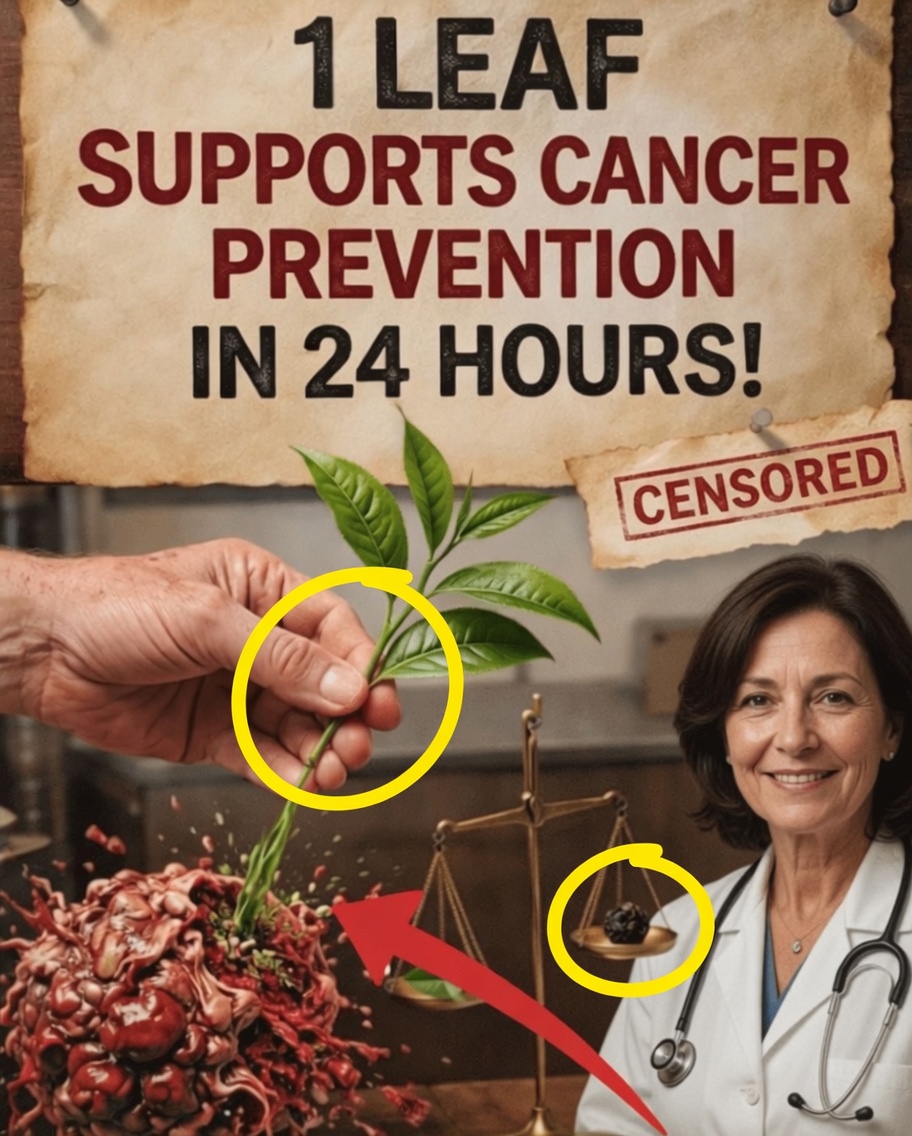
A plant that appears frequently in these viral claims is dandelion root. It is the same plant many people consider a garden weed.
Scientists have studied extracts from dandelion root under laboratory conditions. One of the most cited experiments reported effects on colon cancer cells grown outside the body in a controlled setting.
That sounds exciting at first. However, the details matter far more than the headline.
What Laboratory Research Has Really Shown
In test tubes and petri dishes, dandelion root extract has demonstrated the ability to trigger certain changes in cancer cells. Some studies have reported notable effects within 48 hours in vitro.
Those findings can seem impressive, but they come from highly controlled experiments using isolated cells. This is very different from what happens inside a living person.
A lab dish is not the human body. That distinction is essential when interpreting any health claim.
Why Lab Results Do Not Equal Human Results
Cancer inside the body exists in a far more complicated environment. It interacts with:
- The immune system
- Blood circulation
- Nearby tissues
- Hormones
- Other biological processes
These factors can significantly influence how a substance behaves. A compound that affects cells in a dish may not work the same way in people.
There is another major issue: dosage. The concentrations used in laboratory studies are often much higher than what could be safely reached through tea, powders, or supplements.
So while early plant research may be promising, it should not be mistaken for proof that a home remedy can treat disease.

Why Plant Research Still Matters
Recognizing the limits of lab findings does not mean plant science is unimportant. In fact, plants have helped inspire major medical breakthroughs.
Several established medicines trace their origins to plant compounds discovered through years of careful investigation. Well-known examples include substances derived from:
- The Pacific yew tree
- The Madagascar periwinkle
These discoveries did not become treatments overnight. Researchers had to isolate the active molecules, test them repeatedly, refine their use, and move through lengthy clinical trials.
Nature has enormous scientific value. But turning a natural compound into an approved therapy is a long, careful process.
8 Key Facts That Put Viral Claims in Perspective
To better understand headlines about “healing leaves,” keep these important points in mind:
- Plants produce thousands of biologically active compounds for their own survival and defense.
- Some of these molecules show interesting effects in early lab experiments.
- A number of modern medicines have indeed come from plant-based sources.
- Laboratory studies take place in controlled conditions that do not reflect the complexity of the human body.
- The amounts used in experiments may be far beyond what is safe for people to consume.
- Developing a new treatment often takes 10 to 20 years or more.
- Scientists continue studying plant compounds because they may reveal useful future therapies.
- Critical thinking is one of the best ways to separate promising science from exaggerated hype.
These points are consistent with patterns seen across many peer-reviewed studies. In many cases, the most valuable lesson is not about a single plant at all, but about learning how to evaluate health information wisely.
Viral Headlines vs. Scientific Reality
Here is a clearer way to compare attention-grabbing claims with what research actually supports:
| Viral Headline | What the Evidence Really Shows |
|---|---|
| A leaf can affect cancer cells within 24 hours | Effects were observed in lab-grown cell cultures, not in humans |
| Natural remedies can replace standard treatment | Professional medical care remains the foundation of treatment |
| If it works in a lab, it works the same in people | Human biology adds many more variables and barriers |
| Plant research is all hype | Some plant compounds have contributed to approved medicines |
This comparison helps cut through the confusion that often surrounds online health content.
How to Approach Natural Health Claims Safely
Interest in plants and natural wellness is understandable. It can even be beneficial when approached responsibly. Many experts recommend the following steps:
- Speak with your healthcare provider before trying any new tea, herb, or supplement
- Rely on trusted scientific and medical sources rather than social media posts
- Treat complementary options as support, not as a substitute for standard care
- Prioritize proven health habits such as balanced nutrition, exercise, and routine medical check-ups
- Ask whether a study was performed in humans or only in cells or animals
These habits can help you stay informed while protecting your health.
The Real Lesson Behind Plant Research
Plants contain remarkable chemistry, and scientists continue to study them with great interest. That research may eventually lead to valuable discoveries.
At the same time, no single leaf offers an instant answer to a complex disease. The most empowering approach is to stay curious, remain cautious, and rely on evidence-based information.
Conclusion
Stories about leaves and cancer cells attract attention because they promise simple answers in situations that are anything but simple.
When you understand the gap between early lab findings and real-world medical use, it becomes much easier to judge health headlines more accurately. Plant science is full of potential, but meaningful progress requires time, testing, and careful interpretation.
FAQ
1. Is dandelion root generally safe to use?
Many people consume dandelion root as a tea or herbal product. Still, it is best to talk with a healthcare professional before using it, especially if you have a medical condition or take prescription medications, since interactions are possible.
2. Should I try a natural remedy because I saw it online?
It is better to treat natural products as possible supportive options rather than primary solutions. For any serious health issue, professional medical guidance should come first.
3. How can I tell whether a health headline is trustworthy?
Look for references to human clinical trials, recognized medical or scientific institutions, and balanced language. Reliable sources usually discuss limits, uncertainty, and ongoing research instead of making absolute promises.
Disclaimer
This article is provided for informational and educational purposes only. It is not medical advice and should not replace guidance from qualified healthcare professionals. Always consult a licensed medical provider before making health-related decisions.