
Six Powerful Herbs to Support Everyday Wellness Naturally
In today’s always-on lifestyle, it’s easy to end up feeling run-down, notice mild digestive discomfort after eating, or sense that your body takes longer to recover than it once did. These common issues can gradually wear on your energy and make daily life feel harder than it should.
Fortunately, nature provides simple, affordable tools that many people are turning to again for gentle daily support. Certain herbs have long been valued in traditional wellness practices, and modern research is now exploring many of their potential benefits.
In this guide, you’ll discover six well-known herbs that may help your body maintain better balance, along with practical ways to use them in food and drinks. Be sure to read to the end, where you’ll find an easy habit that combines their strengths in a surprisingly effective way.
Why Herbs Are Becoming More Popular for Daily Health
Choosing herbs over highly processed solutions is more than a passing trend. Research suggests that many plants contain beneficial compounds, including antioxidants and polyphenols, that may help support the body’s natural response to inflammation, aid digestion, and promote overall vitality.
Rather than offering a quick fix, herbs work best as part of a steady routine. Across many cultures, these plants have been used for generations, and modern studies continue to examine their value in supporting everyday wellness.
One of the biggest advantages is convenience. Many of these herbs are already found in ordinary kitchens, so getting started often requires little to no extra cost.

Turmeric: The Golden Herb for Whole-Body Support
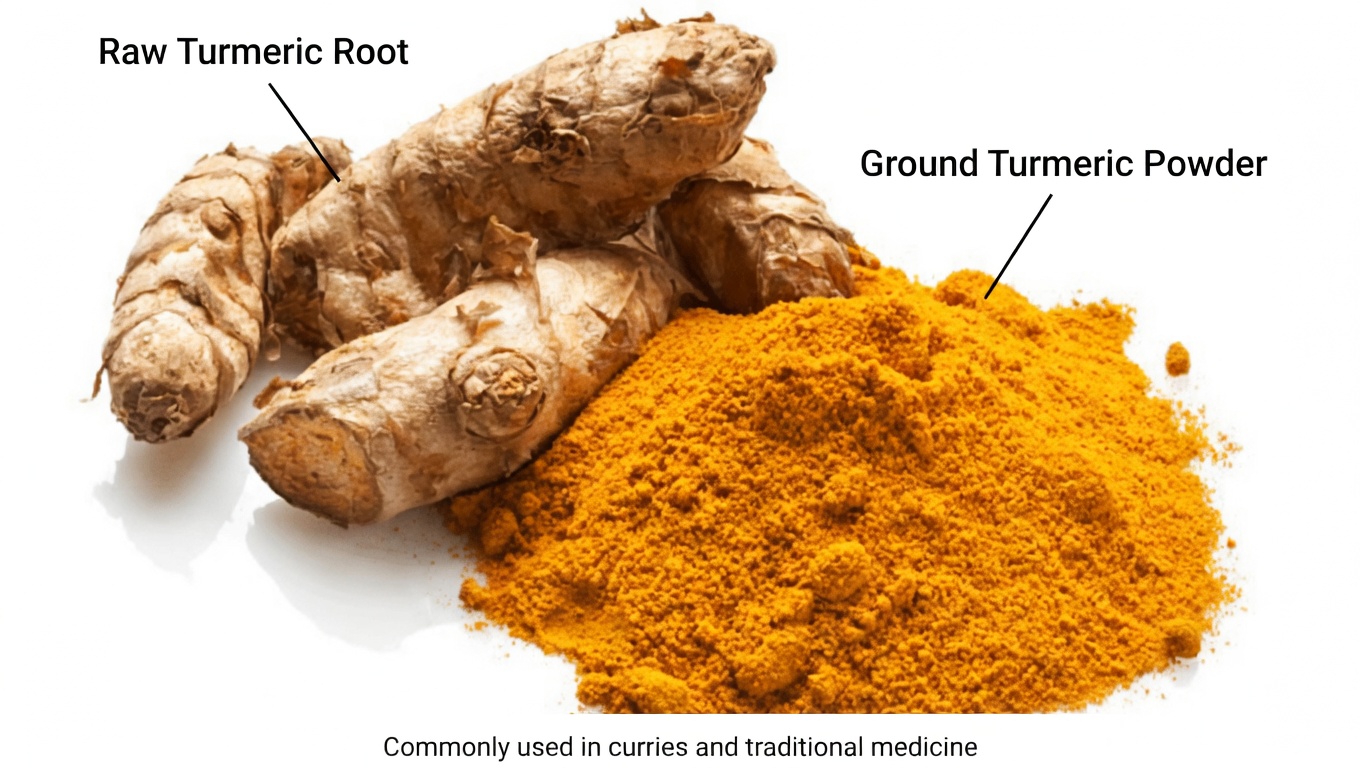
Turmeric is instantly recognizable for its deep golden color. Its best-known active compound, curcumin, has been studied for its potential to support a healthy inflammatory response and provide antioxidant protection.
Many people include turmeric in their routine to support joint comfort, mobility, and general well-being. Its long history in Ayurvedic tradition has also made it a major focus of scientific interest.
Easy ways to use turmeric
- Stir 1 teaspoon into soups, stews, or rice for added color and warmth
- Blend it into smoothies with a small pinch of black pepper to support absorption
- Prepare golden milk with turmeric, ginger, milk, and honey
- Toss it over roasted vegetables before baking
Simple golden milk recipe
- Warm 1 cup of milk in a small saucepan
- Add 1/2 teaspoon of turmeric and a pinch of black pepper
- Sweeten with honey if desired
- Simmer gently for 5 minutes
- Drink before bed as a calming evening ritual
Ginger: A Trusted Choice for Digestive Comfort
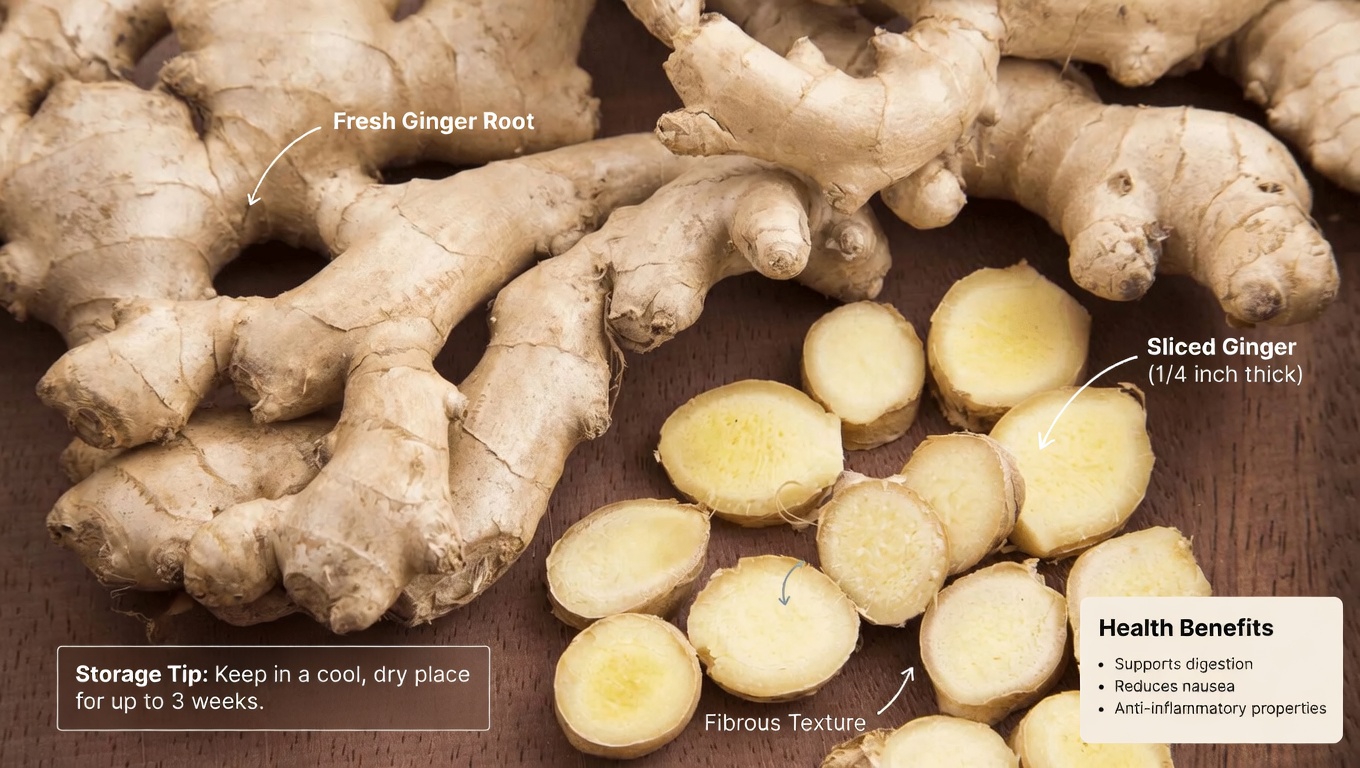
Ginger has been used for centuries to support digestion. Its natural compounds, especially gingerol, may help ease occasional stomach discomfort, reduce bloating, and encourage smoother digestion after heavier meals.
Research also points to mild antioxidant effects that may contribute to broader wellness. If you often feel unsettled after eating, ginger is one of the easiest herbs to add to your routine.
Practical ways to enjoy ginger
- Make fresh ginger tea by steeping sliced root in hot water for 10 minutes
- Grate it into stir-fries, marinades, or salad dressings
- Add it to juices and smoothies for a fresh, spicy kick
- Keep crystallized ginger on hand as a convenient snack
Helpful tip
Store fresh ginger in the freezer so you can grate it easily whenever you need it.
Garlic: A Flavorful Herb for Heart and Immune Support
Garlic does much more than enhance flavor. It contains sulfur compounds such as allicin, which have been researched for their possible role in supporting heart health and the body’s natural immune defenses.
Some studies suggest that regular garlic intake may help maintain healthy cholesterol levels already within the normal range and contribute to immune function. To get the most from it, crush or chop garlic before using it, since this helps activate its beneficial compounds.
Simple ways to eat more garlic
- Mix minced fresh garlic into dressings, sauces, and dips
- Roast whole bulbs until soft and sweet, then spread on toast
- Flavor olive oil with garlic for cooking, storing it safely in the refrigerator
- Add chopped garlic to soups and stews near the end of cooking
Rosemary: A Fragrant Herb for Mind and Body Balance
Rosemary is known for its fresh, pine-like aroma, but its value goes far beyond taste and scent. It is rich in antioxidants and has been linked in some research to cognitive support and healthy circulation.
Traditionally, rosemary has been used both in cooking and in herbal preparations. Many people find that using it regularly not only enhances meals but also creates a sense of uplift and freshness.
Creative ways to use rosemary
- Roast it with potatoes or chicken
- Infuse rosemary into olive oil or vinegar for homemade dressings
- Brew it as an herbal tea
- Mix chopped rosemary into bread dough or focaccia
Peppermint: Cooling Relief for Digestive Ease
Peppermint is widely appreciated for its refreshing menthol content. It may help relax the muscles of the digestive tract and ease occasional bloating or gas.
Because it is generally considered one of the milder herbal options, peppermint works well for many people. Modern research continues to support its traditional use for digestive comfort.
Easy ways to add peppermint to your day
- Brew fresh or dried leaves into a soothing tea after meals
- Add peppermint leaves to water for naturally flavored hydration
- Use it in fruit salads or chocolate desserts for a refreshing contrast
- Diffuse peppermint essential oil for aromatherapy, and only use food-grade versions for teas if appropriate
Sage: An Herb Associated With Memory and Antioxidant Support
Sage is packed with antioxidants and has long been connected with brain health and memory support. Some studies suggest it may help preserve mental sharpness as part of healthy aging.
Its rich, savory flavor makes it ideal for hearty dishes, while sage tea is a familiar evening habit in many traditional food cultures.
Ways to use sage
- Season roasted meats, squash, or beans with fresh or dried sage
- Brew sage tea and add honey for soothing comfort
- Fry fresh sage leaves in butter for a crisp garnish
- Blend it into stuffing or homemade sausages, including plant-based versions
Eight Smart Ways to Combine These Herbs
Once you know how each herb works on its own, combining them becomes even more interesting. These pairings can create both delicious flavors and complementary wellness benefits.
Herb combination ideas
- Morning turmeric and ginger drink with warm water and lemon
- Herb-infused olive oil made with rosemary, garlic, and sage
- Digestive tea using peppermint, ginger, and a little sage
- Roasted vegetables seasoned with turmeric, rosemary, and garlic
- Nourishing soup base with garlic, ginger, and turmeric
- Fresh dressing with mint and rosemary
- Everyday seasoning blend for vegetables and proteins
- Evening tea with peppermint and sage to help you wind down
How to Choose and Store Herbs Properly
When buying fresh herbs, look for bright color and a strong, clean aroma. If you are choosing dried herbs, select high-quality options, preferably organic when possible, and check expiration dates carefully.
Storage tips
- Wrap fresh herbs in damp paper towels and keep them in the refrigerator
- Store dried herbs in airtight containers
- Keep dried herbs away from heat, moisture, and direct light
To make the process easier, start small. Introduce one new herb each week and pay attention to how your body responds. This gradual method helps you build sustainable habits without feeling overwhelmed.
Important Safety Considerations
These herbs are generally considered safe when used in normal culinary amounts. However, concentrated products such as extracts or supplements may require more caution.
Before making major changes, speak with a qualified healthcare professional, especially if you:
- Have an existing medical condition
- Are pregnant or breastfeeding
- Take prescription medications
- Plan to use high-dose herbal supplements
Final Thoughts on Creating an Herbal Wellness Routine
Adding these six herbs to your daily routine can be a simple, natural way to support better overall wellness. From the warming qualities of turmeric to the cooling calm of peppermint, each herb offers something different and valuable.
The best approach is to begin with the herbs you already enjoy and slowly build from there. Over time, these small additions can turn into satisfying rituals that support digestion, comfort, energy, and balance in a gentle, sustainable way.