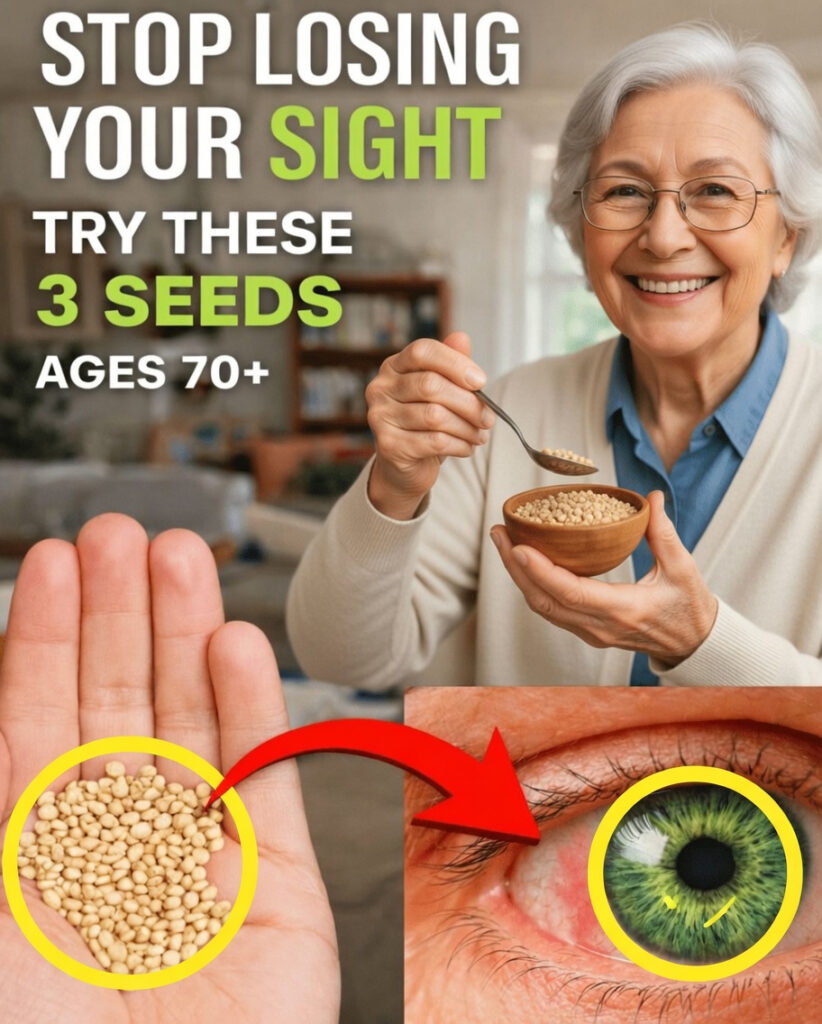
Why Chia Seeds May Be a Smart Addition to Support Eye Health as You Age
As people grow older, vision often changes in ways that can be both discouraging and disruptive. Reading may become harder because text looks blurry, eyes may feel dry and irritated, and night driving can suddenly seem stressful or unsafe. Even color perception can shift over time. These common age-related vision problems can affect confidence, independence, and overall peace of mind.
In many cases, oxidative stress, inflammation, and nutritional shortfalls may play a role in worsening these concerns. That can mean straining to read prescription labels, avoiding evening outings, or stepping back from favorite hobbies. For many older adults, these daily frustrations create a real sense of anxiety.
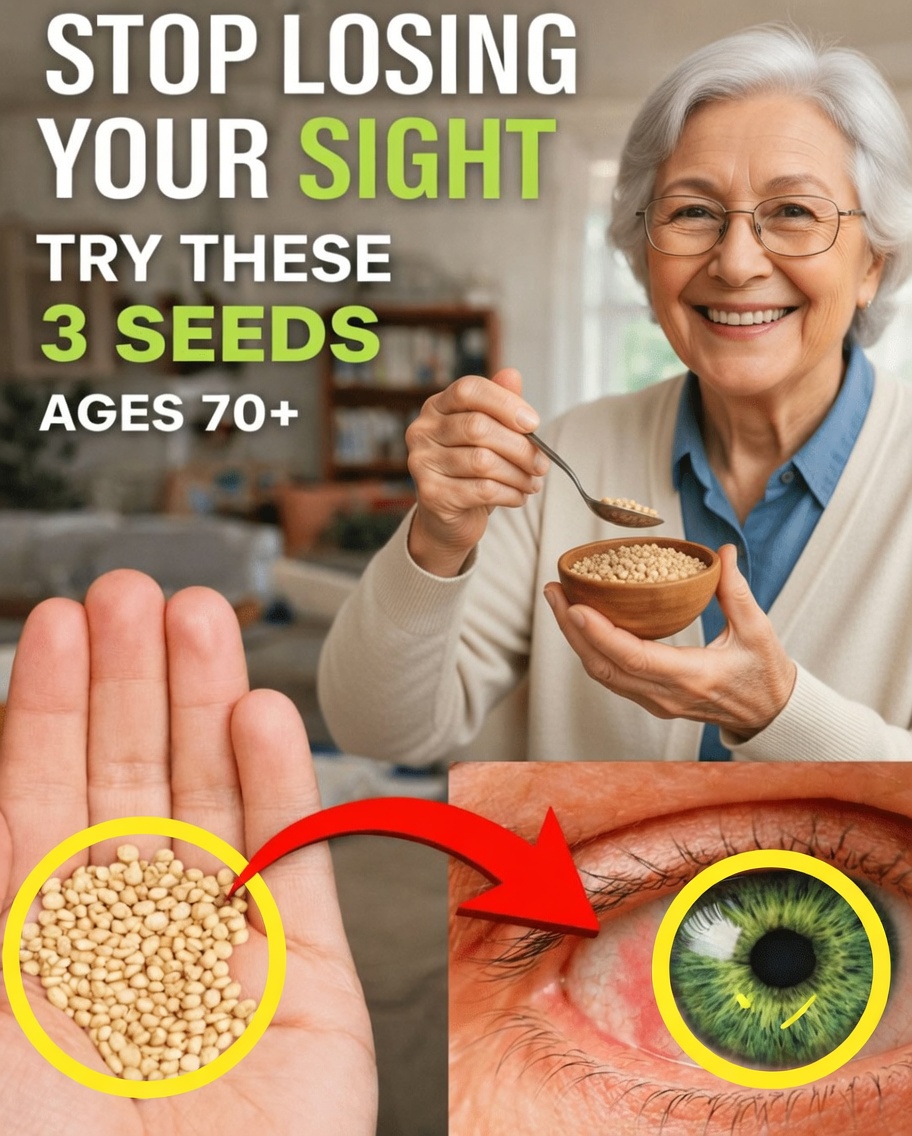
A simple food may offer meaningful nutritional support: chia seeds. These tiny seeds are rich in omega-3 fatty acids, antioxidants, fiber, zinc, and vitamin E, all of which are linked to overall wellness and may help support eye health. Beyond that, there are several specific reasons chia seeds are worth considering as part of a healthy routine.
Common Vision Problems Many Seniors Face
After age 60, vision impairment becomes much more common. Conditions such as macular degeneration, cataracts, dry eyes, and age-related retinal changes can make normal daily activities more difficult. Tasks like reading, cooking, driving, and using digital screens may require more effort than before.
Nutrition is not a cure for eye disease, but it can play a supportive role. Because oxidative stress is associated with many age-related eye concerns, foods rich in protective nutrients may help the body better defend itself. Some older adults who begin paying closer attention to nutrient-dense foods like chia seeds report feeling more comfortable and more confident in their everyday routines.
If frequent blurriness, dryness, or visual fatigue is affecting your quality of life, learning how chia seeds may fit into an eye-friendly diet could be worthwhile.
9 Ways Chia Seeds May Support Eye Health
Scientific interest in chia seeds continues to grow, especially because their nutrients overlap with those often studied for vision support. Below are nine potential benefits of chia seeds for seniors concerned about eye health.
9. Omega-3 Fatty Acids May Help Support the Retina
Dry, irritated eyes can make reading, watching television, or using a phone uncomfortable. Chia seeds are naturally high in ALA omega-3 fatty acids, a plant-based fat associated with anti-inflammatory benefits and better tear support.
Some research, including findings discussed in Nutrients, suggests that plant omega-3s may help improve dry eye symptoms in older adults. Adding soaked chia seeds to a morning drink or breakfast bowl may be a small but practical step toward better eye comfort.

8. Antioxidants May Help Defend Against Oxidative Stress
Oxidative damage is one of the major factors linked to age-related vision decline. As free radicals build up, they may contribute to changes in the retina and other delicate eye structures.
Chia seeds contain antioxidants such as quercetin and other protective compounds that may help neutralize these harmful molecules. Research published in journals like Antioxidants suggests that antioxidant-rich plant foods may help slow certain age-related changes. Stirring chia seeds into oatmeal or cereal is an easy way to add both flavor and nutritional value.
7. Their Water-Absorbing Fiber May Support Hydration
Dry eyes often feel worse when the body is not well hydrated. One of the most unique features of chia seeds is their ability to absorb water and form a gel-like texture. This high-fiber quality may help support overall hydration when chia seeds are eaten with enough liquid.
Better hydration is associated with a healthier eye surface and improved comfort. Many people enjoy adding chia seeds to water, smoothies, or plant milk for a refreshing option that may also help reduce that gritty, dry-eye feeling.
6. Chia Seeds May Help Calm Inflammation
Long-term inflammation is linked to many health concerns, including issues that affect the eyes. It may contribute to retinal stress and play a role in the progression of certain age-related vision problems.
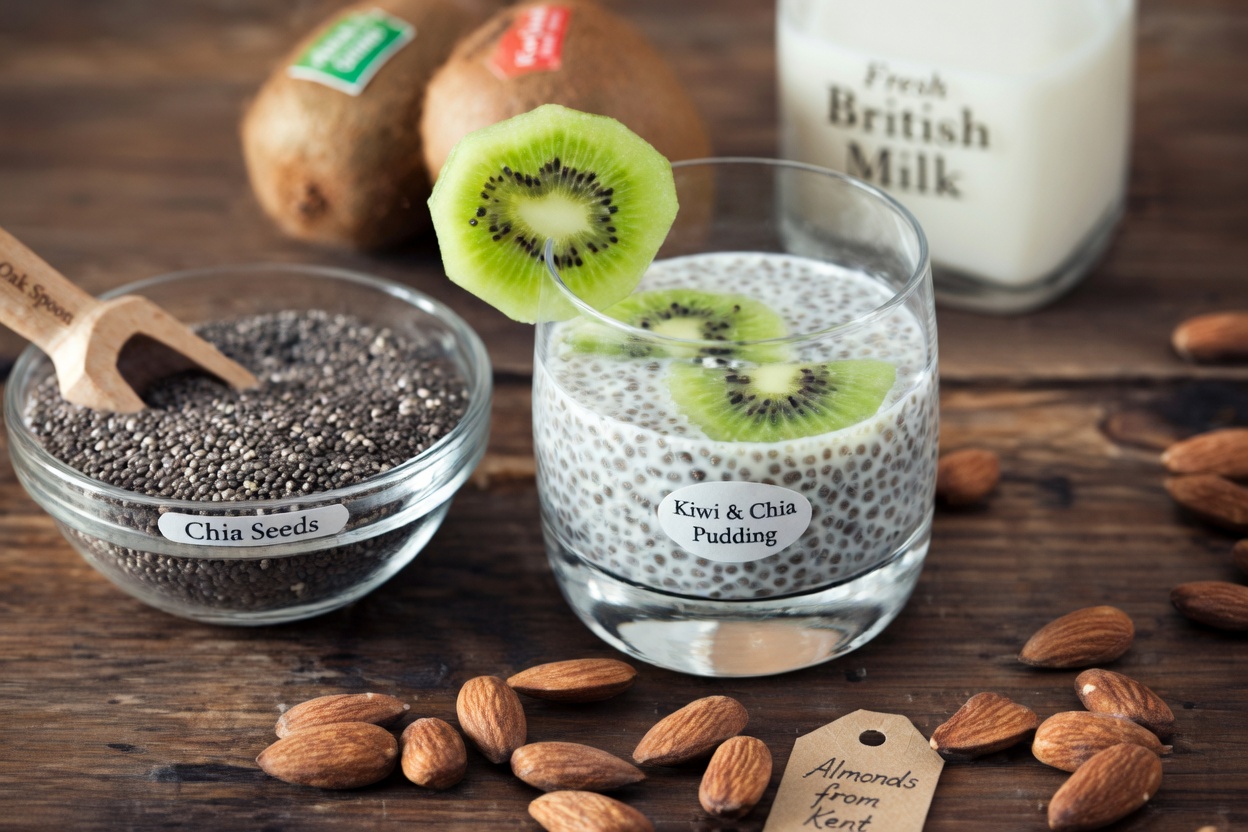
Because chia seeds provide omega-3s, they may help support the body’s natural inflammatory balance. Eye health research has connected higher omega-3 intake with slower progression of some eye conditions. A simple chia pudding or a spoonful mixed into yogurt can be an easy way to include these nutrients regularly.
5. Zinc May Contribute to Better Night Vision
Many seniors notice that seeing in dim light becomes increasingly difficult. Night driving can feel uncomfortable, and walking in poorly lit spaces may become more challenging.
Chia seeds contain zinc, a mineral that helps move vitamin A to the retina, where it plays an important role in dark adaptation. Clinical nutrition studies have linked zinc intake with better night vision support in older adults. Sprinkling chia seeds over salads or soups can add a light crunch along with this helpful mineral.
4. Vitamin E Offers Additional Antioxidant Protection
As the eyes age, the macula and surrounding tissues become more vulnerable to oxidative stress. Chia seeds also provide vitamin E, another antioxidant known for helping protect cells from damage.
Research reported in publications such as JAMA Ophthalmology has explored the connection between vitamin E and slower progression of some macular changes. Since chia seeds blend well into yogurt, smoothies, and soft foods, they are an easy addition for people looking to increase antioxidant intake.
3. Fiber May Help Support Healthy Blood Sugar Levels
Blood sugar swings can place stress on the retina, especially for people with diabetes or prediabetes. Over time, poor glucose control may increase the risk of eye complications.
The soluble fiber in chia seeds helps slow the absorption of sugar, which may support more stable blood sugar levels. Studies in Diabetes Care have linked high-fiber foods and seeds with better overall metabolic and eye health outcomes. Chia seeds can be added to energy bites, breakfast bowls, or snacks to provide more steady fuel without sharp spikes.
2. Steady Energy May Reduce Visual Fatigue
When the body feels tired, the eyes often do too. Eye strain, blurred focus, and trouble concentrating can become more noticeable after a long day or poor meal choices.
Chia seeds offer a useful combination of protein and fiber, which may help promote longer-lasting energy. Some nutrition research suggests that foods with this balance can support stamina and help prevent the energy crashes that may contribute to tired, overworked eyes. A serving of chia pudding in the afternoon may help maintain focus and comfort.
1. Their Nutrients Work Together for Broader Vision Support
One of the strongest reasons to consider chia seeds is their overall nutrient synergy. In one small food, you get omega-3s, antioxidants, zinc, fiber, and vitamin E. Together, these nutrients may help support long-term eye wellness more effectively than focusing on just one nutrient alone.
Older adults who make chia seeds part of their regular eating habits often feel more proactive about their health. While chia seeds are not a treatment, using them consistently as part of a balanced diet may support the body in ways that benefit vision over time.
Chia Seeds vs. Other Seeds for Eye Support
When compared with other popular seeds, chia seeds stand out for their balanced nutritional profile.
| Nutrient | Chia Seeds | Other Seeds (such as Pumpkin Seeds) |
|---|---|---|
| Omega-3s | High in ALA, about 5 g per ounce | Low, usually more focused on zinc |
| Antioxidants | Strong source, including quercetin and vitamin E | Moderate |
| Fiber for Hydration | High, about 10 g per ounce | Lower, often around 1–2 g per ounce |
| Zinc for Retinal Support | Good, about 1.3 mg per ounce | Higher in some cases, but usually less fiber |
Because they combine several eye-supportive nutrients in one food, chia seeds offer a more rounded option than many other seeds.
Safe and Simple Ways to Eat Chia Seeds Daily
It is easy to include chia seeds in your routine. Start with small amounts and increase gradually.
- Smoothies: Soak 1 tablespoon of chia seeds in liquid for about 10 minutes before blending to reduce clumping.
- Yogurt or oatmeal: Add 1 to 2 teaspoons daily for extra texture and nutrition.
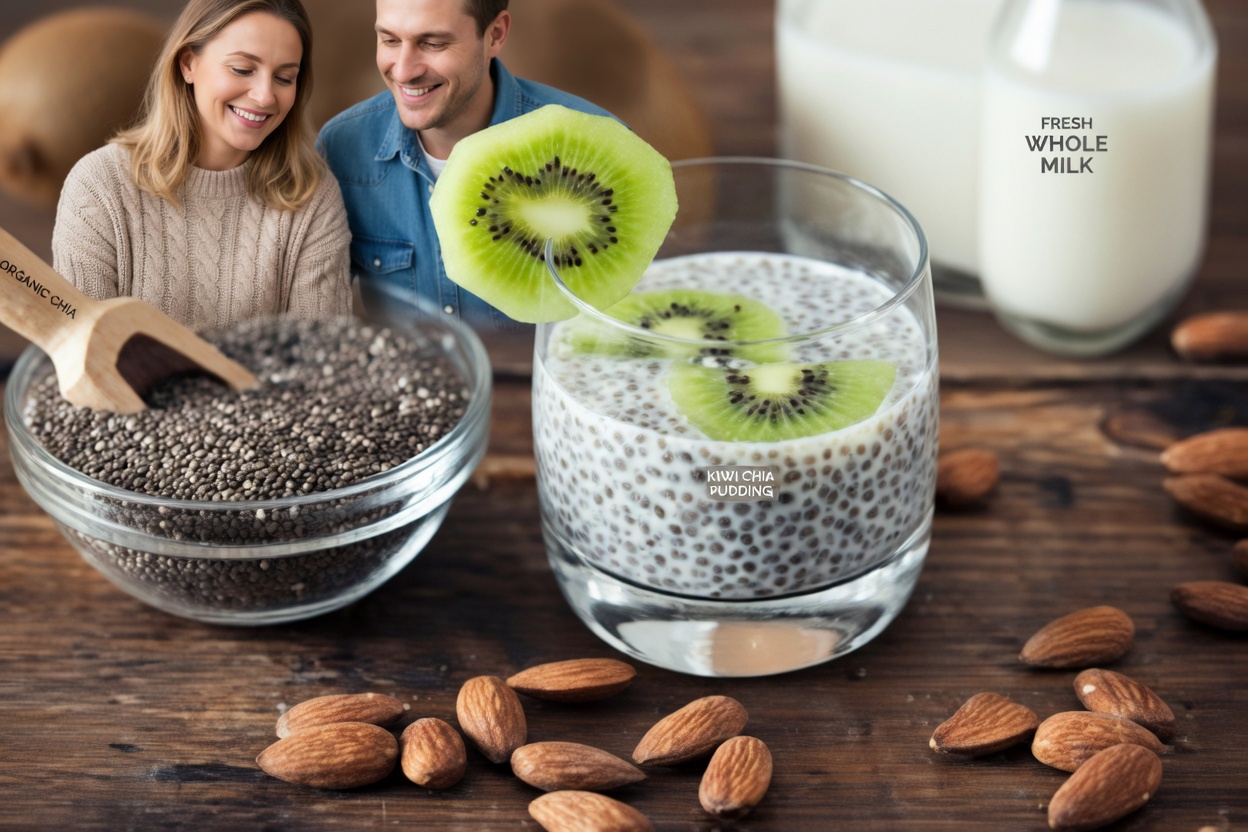
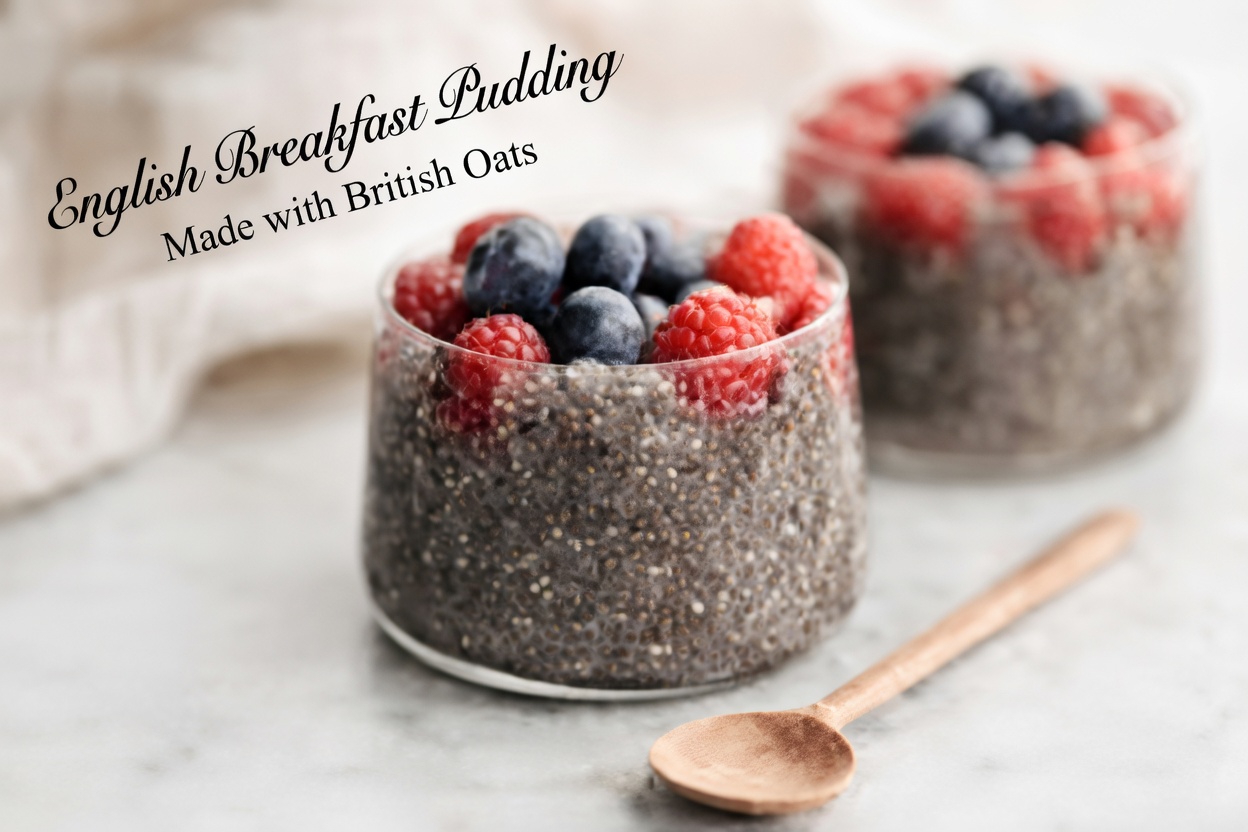
- Chia pudding: Mix 2 tablespoons of chia seeds with milk or plant milk, then refrigerate overnight for a creamy snack.
- Salads: Sprinkle about 1 teaspoon over salads for a light crunch.
- Water or almond milk: Let chia seeds soak briefly to create a gel-like drink that supports hydration.
Drink plenty of water when adding more fiber to your diet. If you take blood thinners, have food allergies, or have a medical condition, check with your doctor before using chia seeds regularly.
An Easy Way to Start Using Chia Seeds
If you are ready to try chia seeds, keep it simple. Soak 1 tablespoon in water, almond milk, or another liquid for about 10 minutes. Then stir it into yogurt, oatmeal, or a smoothie. Many older adults enjoy the soft, gel-like texture once the seeds absorb liquid.
Most people tolerate 1 to 2 tablespoons per day without problems. Chia seeds are inexpensive, widely available in grocery stores, and easy to store at home. Adding them to breakfast can make it easier to stay consistent.
Do Not Let Vision Changes Limit Your Life
Chia seeds offer a convenient, natural way to support hydration, reduce inflammation, and provide nutrients associated with healthier eyes. For seniors who want to stay active and independent, adding chia seeds to a daily routine may be a practical step toward better long-term wellness.
Start with a small amount, use them consistently, and see how they fit into your lifestyle. A simple habit today may help support clearer, more comfortable days ahead.
Helpful Tip
Soaking chia seeds overnight may improve texture and help with nutrient absorption, making them even easier to enjoy regularly.