
8 Budget-Friendly Breakfast Foods That Can Support Muscle Health After 60
Do you feel a bit less steady when you get out of bed in the morning? Maybe everyday tasks, like carrying groceries or climbing stairs, seem more tiring than they once did. Many people assume this is simply part of aging, stress, or a slower pace of life.
But there may be another factor worth paying attention to: your breakfast.
After 60, preserving muscle becomes more difficult. Still, many older adults do not realize how much morning nutrition can influence strength, mobility, and daily energy. The good news is that you do not need pricey powders or high-end supplements to give your body support. Some of the most helpful options are simple, affordable foods you can find at any grocery store.
In this article, you will learn about eight cheap breakfast foods that may help support muscle health after 60, along with practical ways to combine them and a simple 30-day plan to get started.

Why Breakfast Matters More for Muscle Support After 60
As we age, the body becomes less efficient at building and repairing muscle. This means older adults often need a steady intake of high-quality protein and key nutrients throughout the day, especially in the morning.
Studies suggest that a protein-rich breakfast can help stimulate muscle protein synthesis, the process your body uses to maintain and repair muscle tissue. Starting the day with enough protein may also help improve energy, balance, and fullness, making it easier to stay active.
That is why choosing the right low-cost breakfast foods can make a meaningful difference.
1. Eggs
Eggs are one of the best affordable breakfast choices for older adults. They contain high-quality protein and are especially rich in leucine, an amino acid that helps trigger muscle repair.
- Protein: About 12 grams for 2 large eggs
- Why they help: Support muscle maintenance and recovery
- Budget tip: Buy larger cartons for better value
Eggs are also fast to cook, easy to digest for many people, and simple to include in different meals.
2. Greek Yogurt
Greek yogurt is a protein-packed breakfast staple that offers a thick texture, satisfying taste, and digestive benefits.
- Protein: Around 20 grams per cup
- Why it helps: High protein intake supports fullness and muscle repair
- Bonus: Probiotics may help support gut health
- Budget tip: Choose plain store-brand tubs instead of single-serve cups
For people over 60, this can be a practical way to get a strong protein boost early in the day.

3. Cottage Cheese
Cottage cheese is often overlooked, but it is one of the most effective low-cost breakfast foods for muscle support.
- Protein: Up to 25 grams per cup
- Why it helps: Contains casein, a slower-digesting protein that supports muscle over time
- Budget tip: Low-fat versions are often affordable and widely available
Because it is mild in flavor, cottage cheese can be eaten sweet or savory, making it easy to fit into a routine.
4. Oatmeal Made With Milk
Oatmeal alone is known for fiber and long-lasting energy, but when made with milk, it becomes a more balanced breakfast for muscle support.
- Protein: About 10 to 15 grams, depending on portion and milk used
- Why it helps: Combines protein with fiber for sustained energy
- Budget tip: Rolled oats are usually cheaper than flavored packets
This is a pantry-friendly option that works well for people who want something warm, filling, and simple.
5. Peanut Butter on Whole-Grain Toast
This easy breakfast turns basic toast into a more nutritious and satisfying meal.
- Protein: About 8 grams for 2 tablespoons of peanut butter
- Why it helps: Adds healthy fats and plant protein
- Budget tip: A jar of natural peanut butter lasts a long time and stretches across many breakfasts
It is especially helpful for older adults who want a fast breakfast that still supports energy and muscle health.

6. Chia Seeds
Chia seeds may be small, but they add a nutritional boost to many breakfast foods.
- Protein: About 4 grams for 2 tablespoons
- Why they help: Provide fiber, omega-3 fats, and extra nutrients that support overall health
- Budget tip: Buying in bulk usually lowers the cost
Sprinkle them into oatmeal, yogurt, or smoothies for an easy upgrade.
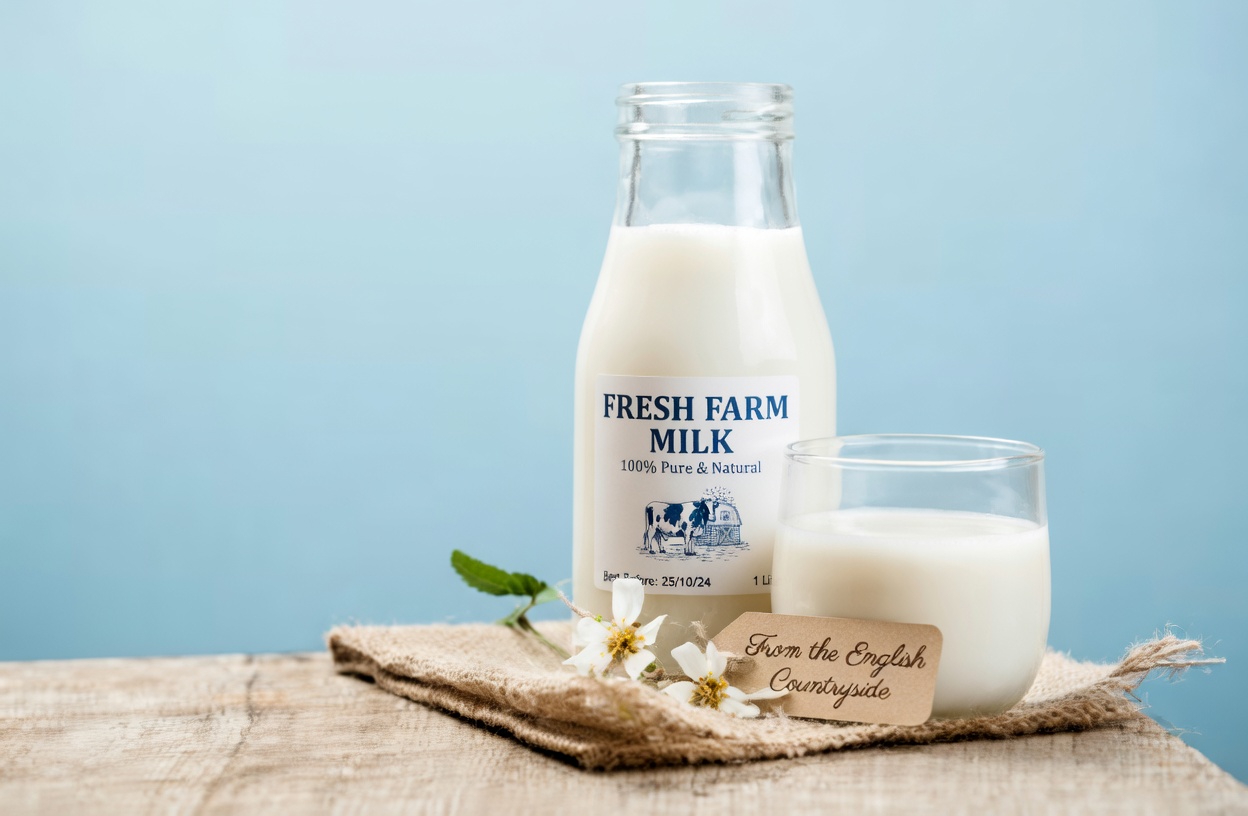
7. Low-Fat Milk
Milk remains one of the simplest and most affordable protein sources available.
- Protein: About 8 grams per cup
- Why it helps: Naturally contains whey and casein, two proteins that support muscle repair
- Budget tip: Larger containers often cost less per serving
It pairs easily with cereal, oatmeal, coffee, or can be enjoyed on its own.
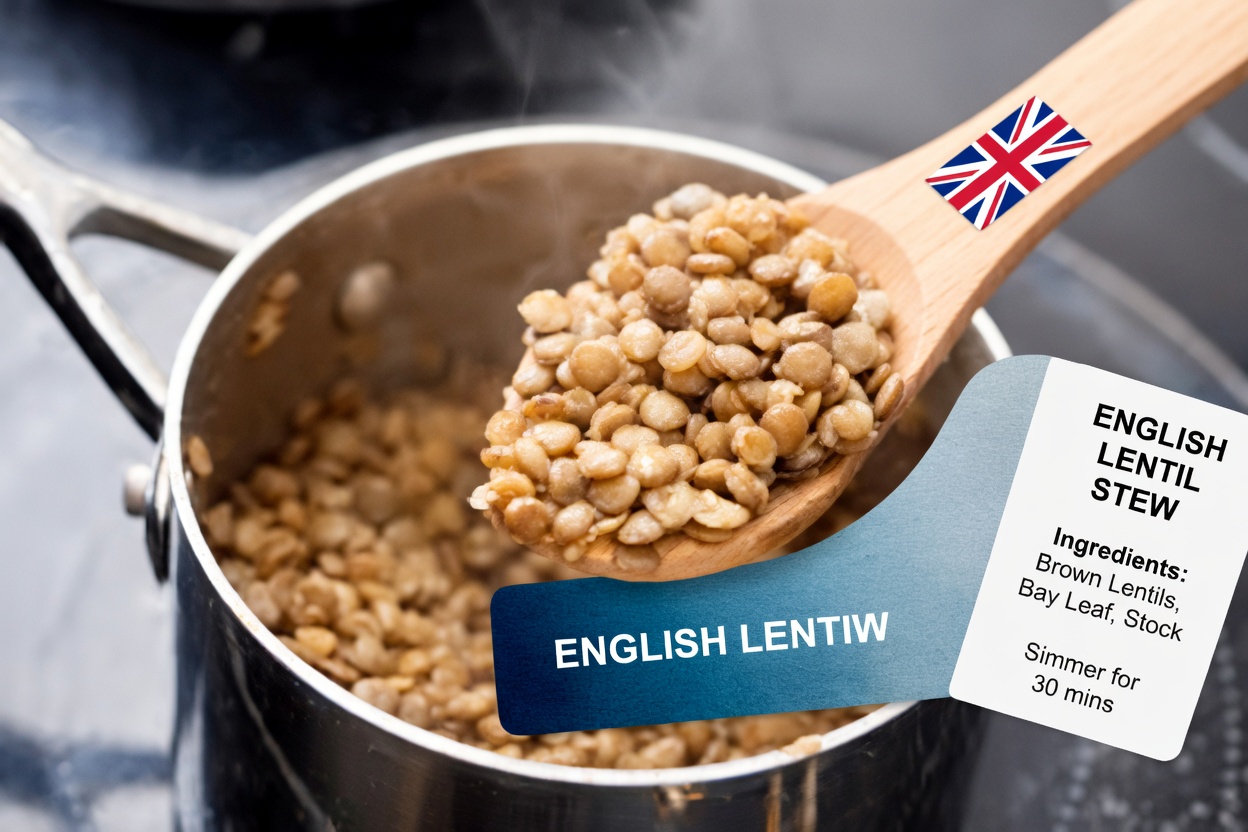
8. Lentils
Lentils are not a typical breakfast food for everyone, but they are a smart and inexpensive choice, especially for those who prefer plant-based meals.
- Protein: About 9 grams per 1/2 cup cooked
- Why they help: Offer protein, fiber, and iron
- Budget tip: Dry lentils are inexpensive and cook quickly
They work well in a savory breakfast bowl, mixed into eggs, or served with grains and vegetables.
Protein Comparison Table: Cheap Breakfast Foods That Support Muscle Health After 60
| Breakfast Food | Approx. Protein per Serving | How It Supports Muscle Health After 60 | Money-Saving Tip |
|---|---|---|---|
| Eggs (2 large) | 12g | Rich in leucine to help stimulate muscle protein synthesis | Buy in bulk |
| Greek Yogurt (1 cup) | 20g | High-protein option that keeps you full longer | Choose plain store-brand yogurt |
| Cottage Cheese (1 cup) | 25g | Casein provides slower, steady muscle support | Pick low-fat varieties |
| Oatmeal with Milk | 10–15g | Gives fiber plus protein for sustained energy | Use rolled oats |
| Peanut Butter (2 Tbsp) | 8g | Adds healthy fats and plant protein | One jar lasts for weeks |
| Chia Seeds (2 Tbsp) | 4g | Adds omega-3s and fiber for extra support | Buy larger bags |
| Low-Fat Milk (1 cup) | 8g | Contains natural whey and casein proteins | Larger jugs are more affordable |
| Lentils (1/2 cup cooked) | 9g | Plant protein plus iron supports vitality | Dry lentils are low cost |
Why These Foods Work Better Than Many People Expect
These affordable breakfast foods do more than just save money. They provide nutrients that matter for aging muscles, including:
- Protein to help preserve muscle tissue
- Leucine to help activate muscle-building processes
- Fiber to support fullness and stable energy
- Healthy fats to support overall wellness
- Micronutrients like calcium and iron that matter more with age
Many adults gradually adjust to lower energy and weaker muscles without realizing that a better breakfast could help. Small food changes can be more powerful than they appear.
How to Combine These Foods for Better Results
You do not need to eat large amounts of food at breakfast. The goal is to combine one or two items in a way that helps you reach roughly 25 to 30 grams of protein.
Here are a few easy ideas:
- Greek yogurt + chia seeds + a splash of milk
- Eggs + lentils + whole-grain toast
- Oatmeal made with milk + peanut butter
- Cottage cheese + oats + peanut butter
- Eggs + milk + toast for a simple classic meal
These combinations are quick, affordable, and easy to repeat throughout the week.
A Simple 30-Day Breakfast Plan for Muscle Support After 60
Building a new habit is easier when you make small changes step by step. Try this easy four-week plan:
Week 1
Add eggs or Greek yogurt to breakfast every day.
Week 2
Include cottage cheese or oatmeal made with milk, and aim for a 20-minute walk most days.
Week 3
Replace plain toast with peanut butter on whole-grain toast, or stir chia seeds into yogurt or oats.
Week 4
Try lentils in a savory breakfast bowl twice this week, and continue using milk or yogurt regularly.
Many people notice better energy, more steadiness, and improved confidence within a few weeks of sticking to a higher-protein breakfast routine.
Real-Life Examples
Some older adults say they start feeling a difference sooner than expected.
Mike, in his early 60s, replaced his usual sugary cereal with eggs and Greek yogurt. After a few weeks, he felt more consistent energy while handling chores around the house.
Sarah began adding cottage cheese and oatmeal to her mornings. She later said she felt stronger and more confident carrying groceries.
These simple stories highlight an important point: your body can still respond positively when you give it better fuel.
Practical Tips to Make These Breakfast Foods Easier to Use
To stay consistent, keep things simple:
- Buy a few protein-rich staples each week
- Prep oats, lentils, or boiled eggs ahead of time
- Choose plain, lower-cost versions instead of heavily flavored products
- Rotate sweet and savory options so breakfast does not get boring
- Track how you feel after 2 to 4 weeks
Consistency matters more than perfection.
Frequently Asked Questions About Cheap Breakfast Foods and Muscle Health After 60
How much protein should I aim for at breakfast after 60?
Many experts suggest aiming for 25 to 30 grams of protein at breakfast to better support muscle health in older adults.
Do I need protein powders or expensive shakes?
Not necessarily. Foods like eggs, Greek yogurt, cottage cheese, milk, and lentils can provide plenty of protein without the added cost.
Are plant-based options enough?
They can be. Foods such as lentils, peanut butter, chia seeds, and oats with milk can help, especially when combined thoughtfully.
What if I do not feel hungry in the morning?
Start small. Try a cup of Greek yogurt, a glass of milk, or toast with peanut butter. You can gradually build up to a more protein-rich breakfast.
How soon might I notice a difference?
Some people report improvements in energy and daily function within a few weeks, especially when breakfast changes are paired with regular walking or light strength activity.
Final Thoughts
Growing older does not mean giving up on strength. While muscle maintenance becomes more challenging after 60, your breakfast can still play a powerful role in helping you stay active, steady, and independent.
These cheap breakfast foods are easy to find, affordable to use, and simple to combine into meals that support muscle health over time. You do not need a complicated plan to get started. Often, one small change in the morning can lead to better habits throughout the day.
Which of these breakfast foods surprised you most? And which one will you try first?