
10 Everyday Foods That Can Overwork Your Kidneys (and Simple Swaps)
That extra snack, the side of pickles, or the daily soda might seem harmless, but some of the most common foods in a modern diet can quietly overload your kidneys. Ingredients like excess salt, added phosphorus, and concentrated potassium can force these organs to work harder than they should, nudging up blood pressure and leaving you feeling more drained over time.
This isn’t about fear or strict restriction. It’s about understanding what’s on your plate so you can protect your kidneys, boost your energy, and feel more in control of your health. Once you know which foods are more demanding, you can easily trade them for tasty alternatives that are more kidney-friendly.

Stay with this guide to the end, where you’ll find some practical, everyday swaps most people never think about when it comes to supporting kidney function.
How Certain Foods Can Stress Your Kidneys
Your kidneys are your body’s built‑in filtration system. They help remove waste, balance fluids, and regulate minerals like sodium, potassium, and phosphorus all day long. When your diet is consistently high in these elements, your kidneys may need to work overtime—especially if you’re older, have high blood pressure, diabetes, or a family history of kidney issues.
Research highlighted by organizations such as the National Kidney Foundation suggests that diets rich in sodium, potassium, and phosphorus may gradually influence kidney performance over the years. The encouraging part: even modest dietary changes can significantly lessen the burden on your kidneys and improve how you feel, without a complete lifestyle overhaul.
Paying attention now can translate into better kidney health and overall wellness down the road.
10 Common Foods That May Put Extra Pressure on Your Kidneys
Health experts, including those from the National Kidney Foundation and Mayo Clinic, frequently recommend limiting certain foods if you want to support kidney function. Below are 10 everyday items to be aware of, plus practical tips for handling each one.
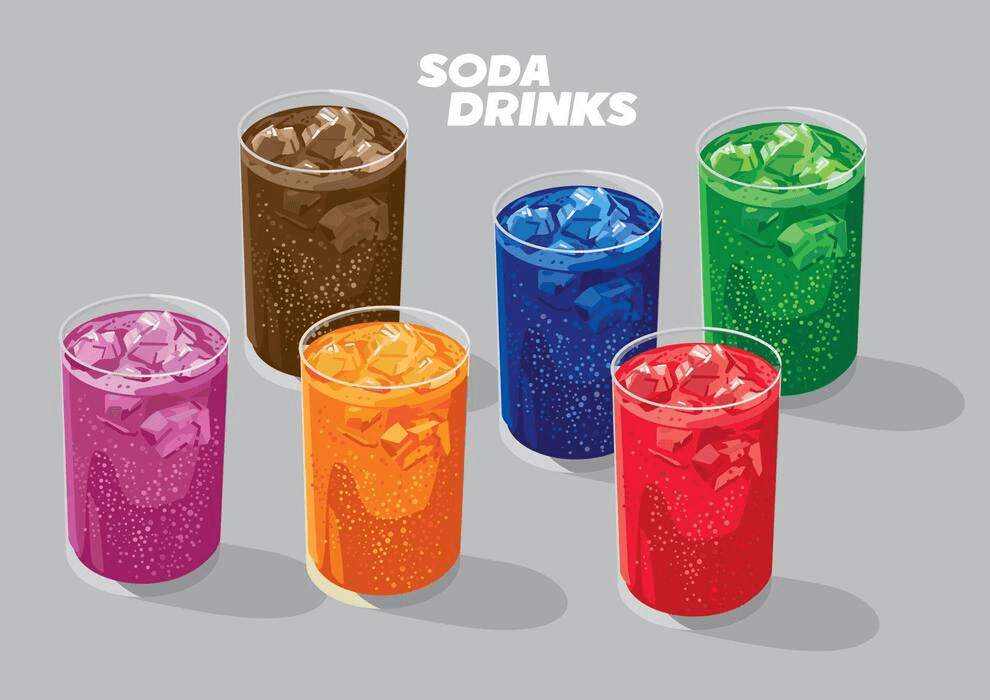
1. Dark-Colored Sodas
Dark sodas often contain added phosphorus in the form of phosphoric acid. When kidney function is reduced or under strain, this phosphorus can accumulate in the body, potentially affecting bones and blood vessels over time.
Smart switch: Choose plain water, sparkling water, or herbal teas to get that refreshing experience without the extra phosphorus.
2. Processed Deli Meats
Ham, bacon, sausages, and sliced lunch meats tend to be loaded with sodium and preservatives. Excess salt can raise blood pressure and make kidneys work harder to maintain fluid and mineral balance. Studies link high intake of processed meats with greater kidney stress.
Smart switch: Replace deli meats with freshly cooked poultry, fish, or plant proteins like hummus, beans, or tofu slices.
3. Pickles and Salty Condiments
A single pickle spear can contain several hundred milligrams of sodium. Enjoyed regularly with burgers or sandwiches, that salt quickly adds up, increasing fluid retention and kidney workload.
Smart switch: Look for low-sodium pickles, make your own lightly salted versions, or try fresh cucumber slices with vinegar, lemon, and herbs for a similar tang.
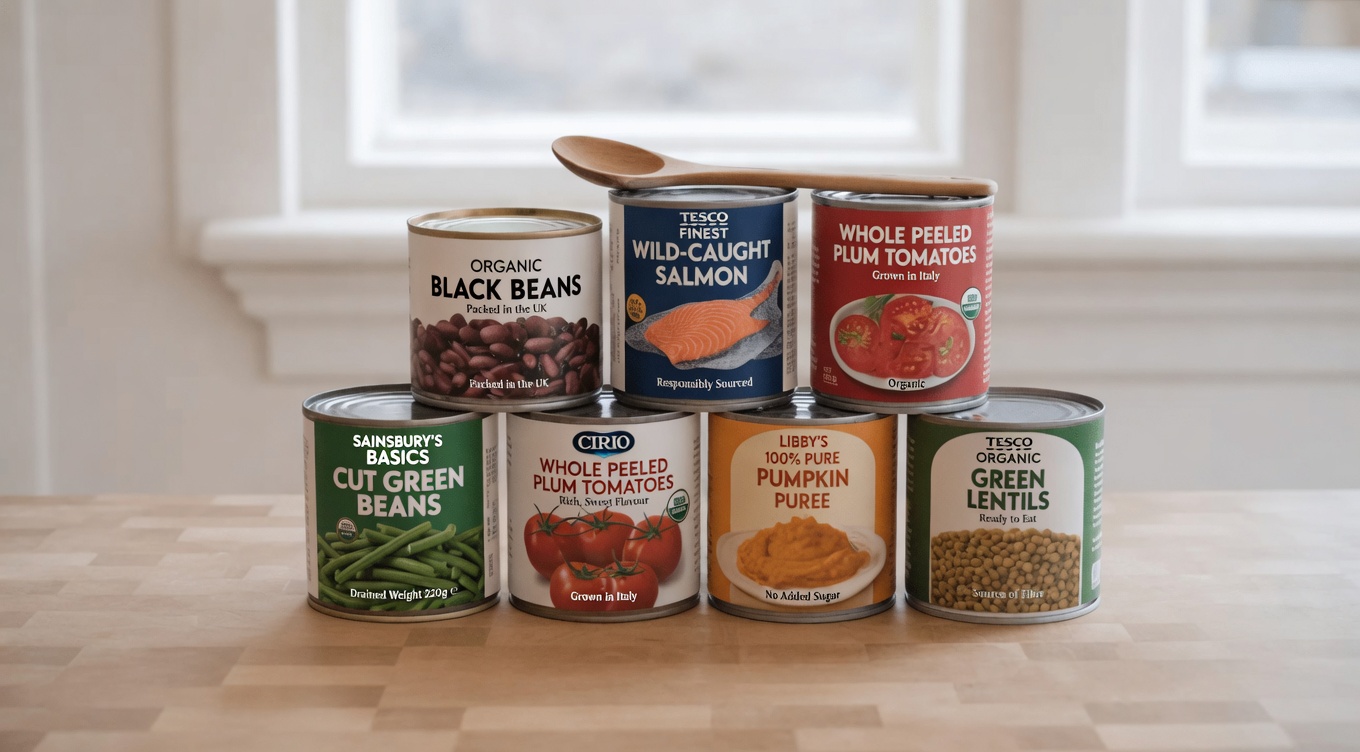
4. Canned Foods
Canned soups, vegetables, and beans often rely on high amounts of salt for preservation and flavor. This can push your daily sodium intake above recommended limits, influencing fluid balance and blood pressure, which in turn affect kidney health.
Smart switch: Choose “no salt added” or “low sodium” canned products when fresh or frozen isn’t available, and rinse canned beans and vegetables thoroughly before using.
5. Bananas
Bananas are nutritious but naturally high in potassium. For people whose kidneys don’t filter as efficiently, excess potassium can be harder to remove and may affect heart rhythm if levels become too high.
Smart switch: Enjoy smaller portions or rotate with lower-potassium fruits like apples, berries, grapes, or pineapple, depending on your healthcare provider’s guidance.
6. Avocados
Avocados are celebrated for their healthy fats, but they also pack a significant amount of potassium. If you eat them frequently, that mineral can accumulate quickly.
Smart switch: Reduce portion sizes—think a few slices instead of a full avocado—or mix small amounts of avocado with lower-potassium ingredients, such as lettuce or cabbage, to keep your favorite guacamole or toast topping on the menu in moderation.
7. Potatoes and Sweet Potatoes
White potatoes and sweet potatoes are both rich in potassium and can also contribute phosphorus, especially when eaten with the skin or in large volumes. The way they’re prepared also matters.
Smart switch: Boiling potatoes and discarding the cooking water can lower potassium content. You can also alternate with lower-potassium sides, such as cauliflower mash, rice, or pasta, to give your kidneys a break.
8. Full-Fat Dairy Products
Whole milk, full-fat cheese, and regular yogurt contain phosphorus and saturated fat. When kidneys are not filtering optimally, phosphorus can build up, and high saturated fat intake may affect heart and blood vessel health, indirectly impacting kidney function.
Smart switch: Consider lower-phosphorus plant-based milks (such as rice or almond milk without phosphate additives) and modest portions of cheese, or choose reduced-fat dairy if it fits your health plan.
9. Dried Fruits
Dried fruits like raisins, apricots, and dates are nutrient-dense but highly concentrated in potassium and natural sugars. It’s easy to eat several servings without realizing it, which can quickly exceed recommended limits.
Smart switch: Opt for fresh fruit where the water volume helps dilute mineral concentration, and stick to measured portions to keep potassium in check.
10. Fast Food and Packaged Snacks
Burgers, fries, fried chicken, chips, and many frozen or instant meals often combine three kidney-stressing factors: excessive sodium, phosphorus additives, and unhealthy fats. A 2022 study linked higher intake of ultra-processed foods with increased kidney-related risks.
Smart switch: Prepare homemade versions of your favorites using fresh ingredients, lean proteins, and less salt. Over time, your taste buds adjust, and many people find the fresher versions more satisfying.
Kidney-Friendly Swaps You Can Start Using Today
You don’t have to sacrifice flavor to support your kidneys. These practical changes can help reduce mineral overload while keeping meals enjoyable:
- Replace soda with water infused with lemon, lime, berries, or cucumber slices.
- Use fresh herbs, garlic, pepper, citrus, and salt-free seasoning blends instead of relying on salty mixes and sauces.
- Choose fresh or frozen fruits and vegetables instead of heavily salted canned options whenever possible.
- Be mindful of portion sizes for high-potassium foods and pair them with lower-potassium sides to balance your plate.
- Read ingredient lists for “phos” terms (like sodium phosphate, calcium phosphate), which indicate added phosphorus.
Small, consistent adjustments often have a bigger impact than occasional drastic changes.
Actionable Steps to Support Kidney Health Right Now
If you’re ready to be more intentional about kidney health, these expert-informed steps can help:
-
Check nutrition labels regularly
Look at sodium, potassium, and phosphorus content when shopping. As a general guideline, many adults are advised to keep sodium below 2,300 mg per day, unless a healthcare provider suggests otherwise. -
Cook more meals at home
Home cooking lets you control salt, sauces, and additives. Try batch cooking simple dishes so you always have a kidney-friendlier option available. -
Stay well hydrated
Drinking plain water throughout the day helps your kidneys flush out waste products more efficiently, unless your doctor has given you fluid restrictions. -
Schedule routine health checkups
Regular blood and urine tests can track how your kidneys respond to dietary and lifestyle changes, catching potential problems early. -
Consult a registered dietitian
If you have kidney disease, diabetes, high blood pressure, or specific health goals, a dietitian can customize a meal plan that matches your medical needs and food preferences.
Tracking how you feel—energy, sleep, swelling, and blood pressure—alongside these habits can give you valuable feedback over time.
Why Awareness of Kidney-Stressing Foods Matters
Your kidneys quietly handle hundreds of tasks every day, from filtering waste to balancing electrolytes and supporting hormone regulation. When you deliberately ease their workload through smarter food choices, you may notice better energy, improved blood pressure, and greater overall well-being.
The National Kidney Foundation underscores that proactive dietary decisions can help maintain kidney function longer, even as life gets busier and demands increase. The bonus: many kidney-friendly shifts also benefit your heart, weight, and long-term health.
Frequently Asked Questions
Can I still eat these foods once in a while?
For many people without diagnosed kidney disease, enjoying these foods occasionally and in small portions is generally acceptable. The key is that most of your meals and snacks should be balanced and kidney-supportive. If you already have kidney issues, follow personalized advice from your healthcare provider.
What early signs suggest I should pay closer attention to my kidney health?
Possible warning signs include:
- Ongoing fatigue or low energy
- Changes in urination (frequency, color, or amount)
- Swelling in the feet, ankles, or around the eyes
These symptoms can have many causes, so it’s essential to discuss them with your doctor rather than self-diagnose.
How soon can dietary changes affect kidney health?
Many people report feeling more energetic and noticing improvements in blood pressure within a few weeks of consistently reducing high-sodium, high-phosphorus, and high-potassium foods. However, kidney health is a long-term picture, and regular monitoring with your healthcare team is important.
This content is for educational purposes only and does not replace professional medical advice, diagnosis, or treatment. Always consult your doctor or a qualified healthcare provider before making significant changes to your diet, especially if you have kidney disease, heart conditions, diabetes, or other ongoing health concerns.