Early Signs of Pancreatic Cancer You Should Not Ignore
Pancreatic cancer often develops silently. Many of its earliest warning signs feel like ordinary digestive problems or the effects of a busy, stressful life. However, when these symptoms persist without a clear explanation, they may signal changes deep inside the body that deserve closer attention.
Lingering discomfort, shifts in energy, or unexplained changes in appetite can disrupt daily routines and leave you wondering whether something more serious is going on. If you have noticed subtle changes like these, you are not alone—and paying attention now can influence how quickly you get answers and support.
One detail that surprises many people is that a single overlooked symptom can appear before others. Understanding the full range of possible signs—and using a simple checklist at the end—can help you feel more confident when talking with your doctor about pancreatic cancer symptoms.

Why Recognizing Pancreatic Cancer Symptoms Matters
The pancreas is a small organ located behind the stomach with two major jobs: helping your body digest food and regulating blood sugar. When something affects the pancreas, the warning signs can show up in unexpected ways.
Experts at organizations such as the Mayo Clinic and the American Cancer Society note that early pancreatic cancer often causes few—if any—obvious symptoms. That is why awareness of possible signs of pancreatic cancer is so important. Many of these symptoms overlap with far less serious conditions, but noticing patterns over time can help you decide when to seek medical advice.
Most people will experience one or two of these symptoms at some point in life for completely harmless reasons. The key point: when several symptoms appear together, change suddenly, or do not go away, it is worth discussing them with a healthcare professional.
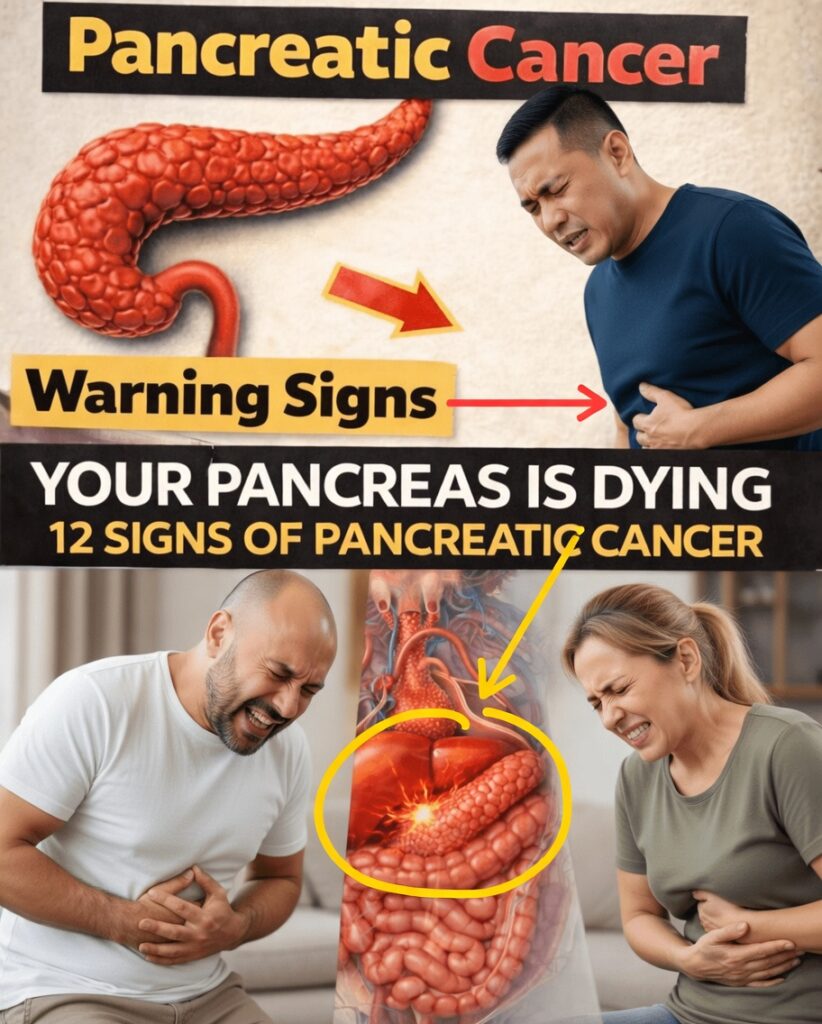
12 Common Signs of Pancreatic Cancer
Below is a clear overview of 12 symptoms frequently linked with pancreatic cancer, based on reputable medical sources. These are general patterns, not a diagnosis. Only a qualified doctor can determine what is happening in your specific case.
- Persistent pain in the upper abdomen that may spread to the back
- Unexplained weight loss, even without dieting
- Loss of appetite or feeling full very quickly
- Jaundice (yellowing of the skin and the whites of the eyes)
- Dark urine that looks like tea or cola
- Pale, light-colored, or floating stools
- Itchy skin without a visible rash
- New-onset diabetes or suddenly harder-to-control blood sugar
- Nausea, vomiting, or ongoing digestive upset
- Constant fatigue and unusual weakness
- Bloating, gas, or persistent indigestion
- Increased tendency to develop blood clots (for example, in the legs)

These signs rarely appear all at once. Next, let’s look at each one in more detail so you can better understand why they happen and what to watch for.
1. Persistent Upper Abdominal Pain That May Radiate to the Back
People often describe this pain as dull, deep, or gnawing. It typically:
- Occurs in the upper middle or upper left part of the abdomen
- Can spread through to the back
- May worsen after eating or when lying down
Because the pancreas sits behind the stomach, any inflammation or pressure from a tumor can cause pain that feels more like a deep back or muscle ache than typical stomach discomfort. Unlike occasional indigestion, this discomfort tends to linger day after day.
2. Unexplained Weight Loss
Losing weight without trying is one of the more noticeable early warning signs of pancreatic cancer. You may find that:
- Your clothes feel looser even though your diet has not changed
- You are eating less because you simply do not feel hungry
- Weight drops steadily over weeks or months
When pancreatic function is affected, your body may not digest or absorb nutrients efficiently, leading to gradual, unexplained weight loss.
3. Loss of Appetite or Feeling Full After Small Meals
Another common symptom is a change in how quickly you feel full:
- You may have little interest in food, even favorites
- You may stop eating after just a few bites
- Mealtimes can start to feel like a chore
These changes often occur because the digestive process is disrupted. This symptom frequently appears alongside weight loss and can be easy to dismiss as stress or a busy schedule.
4. Jaundice: Yellowing of the Skin and Eyes
Jaundice happens when a substance called bilirubin builds up in the body. In pancreatic cancer, this can occur if a tumor blocks the bile duct. You might notice:
- Yellowing of the skin
- Yellow tint in the whites of the eyes
- Sometimes, darker gums or under the tongue
Jaundice typically is not painful at first, and family or friends often spot it before you do. The Mayo Clinic highlights jaundice as a classic sign of pancreatic or bile duct problems, especially when combined with other digestive changes.
5. Dark-Colored Urine
Another clue connected to bilirubin buildup is darker urine. It may:
- Look tea-colored, amber, or similar to cola
- Remain dark even when you drink plenty of water
Unlike dehydration, which usually improves with more fluids, bile-related dark urine tends to persist until the underlying issue is treated.
6. Pale, Light-Colored, or Floating Stools
Changes in stool appearance are also important signs of pancreatic cancer. You may notice that your stools:
- Look pale, clay-colored, or grayish
- Appear greasy or oily
- Float instead of sinking
These changes happen when the body is not breaking down fats properly because digestive enzymes from the pancreas are not reaching the intestines as they should.
7. Itchy Skin Without an Obvious Cause
Generalized itching—especially on the hands, feet, or abdomen—can be another result of high bilirubin levels. Key features include:
- Widespread itchiness without a rash or insect bites
- Minimal or short-lived relief from over-the-counter creams
- Itching that may become worse at night
Although many conditions can cause itchy skin, this symptom combined with jaundice or dark urine should prompt medical evaluation.
8. Sudden Onset of Diabetes or Hard-to-Control Blood Sugar
The pancreas produces insulin, which helps regulate blood sugar. When pancreatic cells are damaged or disrupted:
- Some people develop diabetes for the first time, even without typical risk factors
- Others with existing diabetes may find their blood sugar suddenly harder to control
Research suggests that new-onset diabetes—especially in adults without obvious risk factors—can sometimes appear months before other signs of pancreatic cancer become noticeable.
9. Nausea, Vomiting, or Ongoing Digestive Upset
Repeated episodes of nausea or vomiting can occur when pancreatic enzymes and digestive juices are blocked or not flowing properly. It may feel like:
- A recurring “stomach bug” that keeps coming back
- Nausea after meals, especially larger or fatty meals
- Occasional vomiting with no clear food-related trigger
Unlike a short-lived infection, this kind of digestive upset tends to return or persist over time.
10. Ongoing Fatigue and Unusual Weakness
Many people with pancreatic cancer describe a deep, persistent tiredness that rest does not fully relieve. This can be caused by:
- The body working harder to compensate for impaired digestion
- Inadequate nutrient absorption leading to low energy
- The cancer itself affecting metabolism and overall strength
If you feel constantly exhausted and this fatigue appears alongside other symptoms on this list, it is worth mentioning to your doctor.
11. Bloating, Gas, or Persistent Indigestion
Frequent bloating, gas, or discomfort after eating is easy to blame on diet or stress. However, pancreatic issues can cause:
- Ongoing bloating that does not improve with common diet changes
- Excessive gas or frequent burping
- A burning or heavy feeling in the upper abdomen (indigestion)
These symptoms can mimic common conditions like acid reflux or food intolerance, but their persistence is what should catch your attention.
12. Increased Risk of Blood Clots
Some people with pancreatic cancer develop blood clots in the legs (deep vein thrombosis) or other parts of the body without a clear cause. You might notice:
- Swelling, warmth, and pain in one leg
- Redness or tenderness along a vein
Certain cancers, including pancreatic cancer, can change how the blood clots. The American Cancer Society lists unexplained blood clots among the possible symptoms of pancreatic cancer.
Remember: These Symptoms Have Many Possible Causes
It is important to keep perspective. Most of these signs are far more likely to be caused by conditions such as:
- Gallstones
- Pancreatitis
- Ulcers
- Liver or bile duct issues
- Viral infections
- Stress-related digestive problems
The key is not to panic—but also not to ignore persistent changes. A healthcare professional can help separate everyday issues from something that needs further investigation.

When Should You See a Doctor?
Consider talking to a doctor if:
- You experience several of these symptoms at the same time
- A symptom lasts longer than two weeks without improving
- A familiar health issue suddenly feels very different or more intense
Do not wait for symptoms to become severe. Early evaluation can lead to earlier diagnosis—whether the cause is pancreatic cancer or something else entirely.
Doctors may start with:
- Blood tests (for liver function, pancreatic enzymes, and blood sugar)
- Imaging such as an abdominal ultrasound, CT scan, or MRI
- Additional tests based on your medical history and examination
Practical Steps You Can Take Today
Here are simple, actionable ways to prepare for a more productive conversation with your doctor:
-
Keep a symptom journal
Note what you feel, when it starts, what you ate, and how long it lasts. Include pain levels, bowel changes, and energy levels. -
Bring your notes to appointments
Sharing a clear timeline helps your doctor see patterns that might otherwise be missed. -
Schedule a routine check-up
Especially if you are over 50 or have a family history of pancreatic, breast, ovarian, or colon cancer, regular exams are important.
Even tracking mild changes for just one week can give your doctor valuable insight and help you feel more in control during the discussion.
Simple Ways to Stay Proactive About Your Health
While lifestyle changes cannot prevent all cases of pancreatic cancer, healthy habits support your overall resilience and may lower some risks:
- Eat balanced meals with plenty of fruits, vegetables, and whole grains
- Limit heavily processed foods, sugary drinks, and excessive alcohol
- Stay hydrated throughout the day
- Aim for regular physical activity that suits your fitness level
- Avoid smoking or seek help to quit if you do smoke
These actions are not a substitute for medical care, but they help your body function at its best while you monitor any new or persistent symptoms.
Frequently Asked Questions About Pancreatic Cancer Symptoms
Can these symptoms be caused by something other than pancreatic cancer?
Yes. Many other conditions can produce similar signs, including gallstones, pancreatitis, ulcers, liver disease, infections, and even stress. That is exactly why you should not self-diagnose. A healthcare professional can use exams and tests to identify the true cause.
What tests might a doctor order first?
Common initial tests include:
- Blood work to check liver function, pancreatic enzymes, and blood sugar
- Ultrasound of the abdomen
- CT or MRI scans if more detail is needed
Your doctor will choose tests based on your age, risk factors, family history, and specific symptoms.
How common are these signs in the early stages?
In early stages, pancreatic cancer may cause few or very vague symptoms, which makes it harder to detect. That is why:
- Awareness of subtle changes matters
- Regular check-ups are important, especially if you are in a higher-risk group
- Persistent or unusual patterns should be evaluated, even if they seem minor
What You Can Do Next
Recognizing potential signs of pancreatic cancer is not about causing fear—it is about giving yourself the best chance to act early if something is wrong. The 12 symptoms discussed here come from established medical references, but each person’s experience is unique.
Use a symptom journal as a practical tool:
- Write down what you notice
- Track how symptoms change over days or weeks
- Bring your notes with you to your appointment
By listening closely to your body and seeking timely medical advice, you take an active role in protecting your health—whether the final diagnosis is pancreatic cancer or a much more common, treatable condition.