Spinach and Blood Thinners: A Simple Guide for Adults Over 45
For many people over 45 who take blood thinners, even small everyday food decisions can feel complicated. Wondering whether a bowl of spinach will disrupt your medication can turn meals into a source of stress, especially if you love leafy greens.
The good news: you do not have to avoid spinach completely. With consistent habits and a basic understanding of how spinach and blood thinners interact, you can usually enjoy your favorite greens while keeping your treatment stable.
Why Consistent Intake Matters with Spinach and Blood Thinners
In your 40s, 50s, and beyond, conditions like atrial fibrillation or blood clot risk make blood thinners more common. That is when the topic of spinach and blood thinners becomes especially important.
Spinach is rich in vitamin K, a nutrient that can affect how certain blood thinners—especially warfarin—work. Sudden big changes in vitamin K intake can shift your INR (a measure of how well your blood thinner is working). Keeping your vitamin K intake more consistent from day to day can support more predictable medication results.
Understanding this relationship between spinach and blood thinners can reduce anxiety and give many older adults greater peace of mind around mealtimes.
How Spinach and Blood Thinners Interact in Everyday Life
In daily life, the challenge is not that you eat spinach, but how much and how often you eat it.
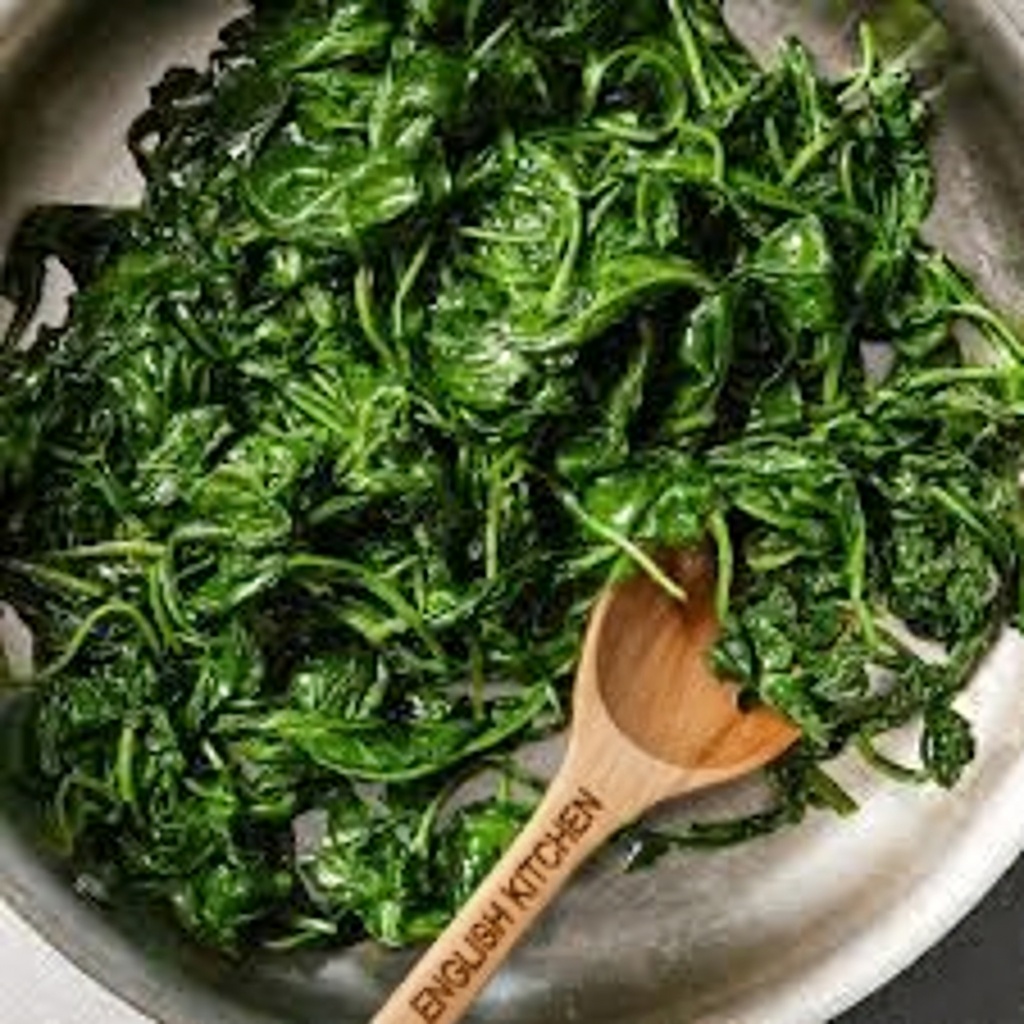
Spinach and other leafy greens provide many health benefits: fiber, vitamins, minerals, and antioxidants. However, because they are high in vitamin K, they can interfere with blood thinners that rely on stable vitamin K levels. Large, irregular servings one day and none the next can make it harder to keep your INR in the desired range.
For many adults over 45, aiming for steady, predictable portions of spinach alongside blood thinners helps them feel more in control of both their diet and their treatment.
4 Practical Ways to Enjoy Spinach and Blood Thinners Safely
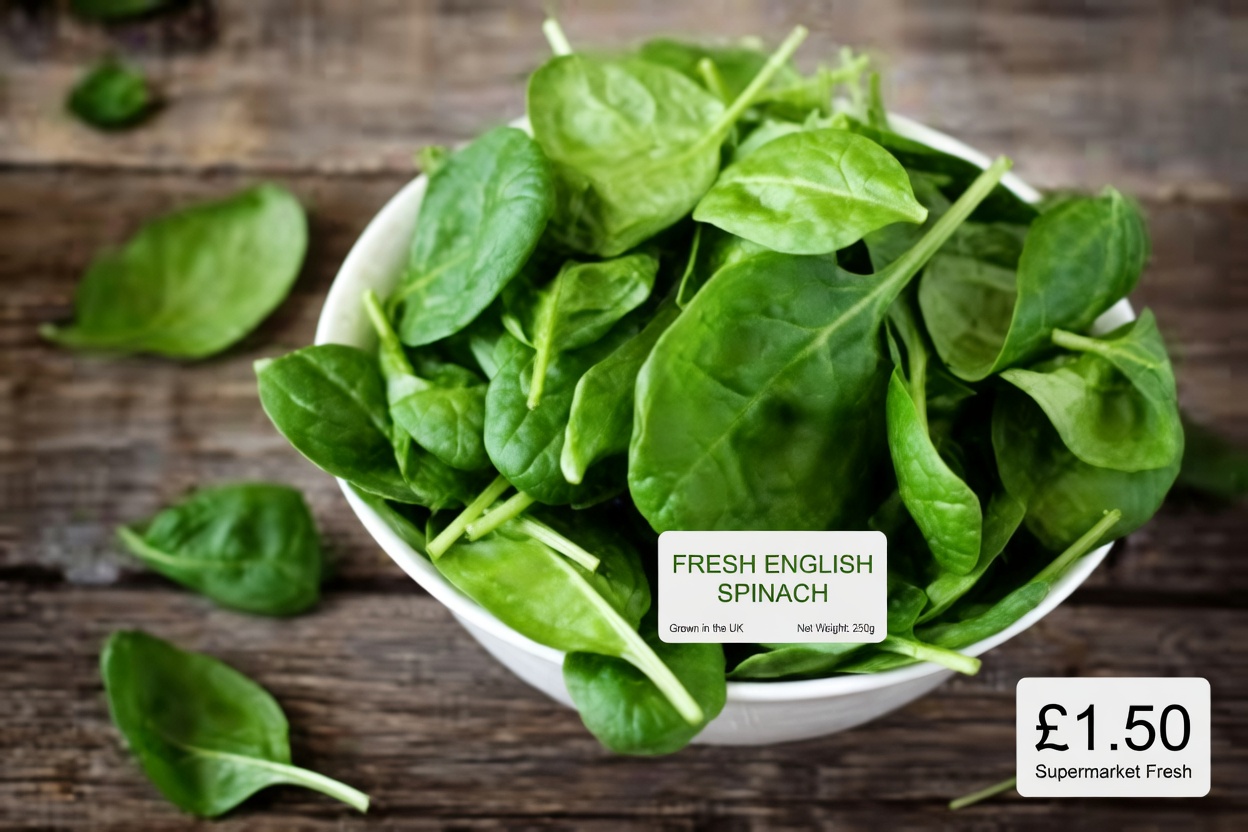
Most people do not need to eliminate spinach. Instead, the key is to manage spinach and blood thinners with consistency and awareness rather than strict restriction. Here are four practical strategies:
1. Track Your Spinach Portions
Keeping a simple record of how much spinach you eat can make the whole spinach and blood thinners issue feel less confusing.
- Aim to eat roughly similar amounts of spinach on the days you choose to include it.
- Consistent vitamin K intake is associated with more stable INR levels for many people on warfarin.
- Use a notebook, calendar, or app to log how often and how much spinach you consume each week.
2. Rotate Greens and Use Low–Vitamin K Partners
You can still enjoy variety while keeping spinach and blood thinners in balance.
- Combine a small serving of spinach with lower–vitamin K vegetables such as lettuce, bell peppers, or carrots.
- Rotate higher–vitamin K greens (spinach, kale) with moderate or lower–vitamin K options on different days.
- This approach helps you enjoy diverse meals without large swings in your vitamin K intake.
3. Keep Meal Timing Fairly Regular
Having your spinach at predictable times can support a more stable routine with blood thinners.
- Choose a “usual” meal for most of your spinach—such as lunch—rather than eating large amounts randomly.
- Avoid going from several days with no greens to a sudden, very large spinach-heavy meal.
- Many adults find that this gentle rhythm brings more confidence when managing spinach and blood thinners.
4. Talk Openly with Your Healthcare Provider About Changes
Whenever you plan to noticeably increase or decrease your spinach intake, it is wise to check in with your doctor or anticoagulation clinic.
- Let them know if you are changing how often or how much spinach you eat.
- They may adjust your medication dose or schedule extra INR checks.
- Research on anticoagulation management shows that open, regular communication helps patients feel safer and more confident with spinach and blood thinners.
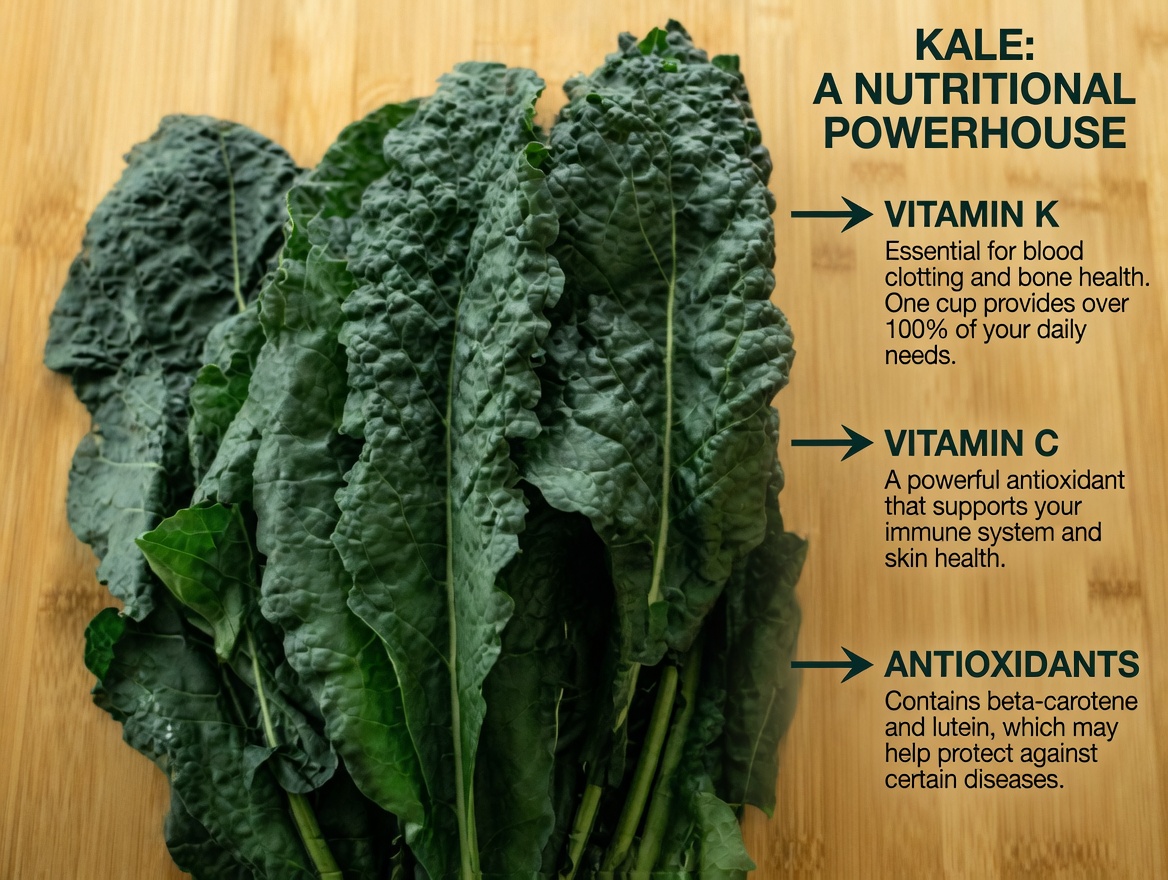
Vitamin K in Common Vegetables: What It Means for Spinach and Blood Thinners
Here is a simple comparison of vitamin K levels in a few vegetables and how they fit into a spinach and blood thinners plan:
| Vegetable | Vitamin K per cup (mcg) | Tip for pairing with spinach and blood thinners |
|---|---|---|
| Spinach | 480 | Include regularly, but keep portions similar each day. |
| Kale | 1062 | Very high in vitamin K; use small, consistent amounts. |
| Broccoli | 220 | Good steady option alongside spinach. |
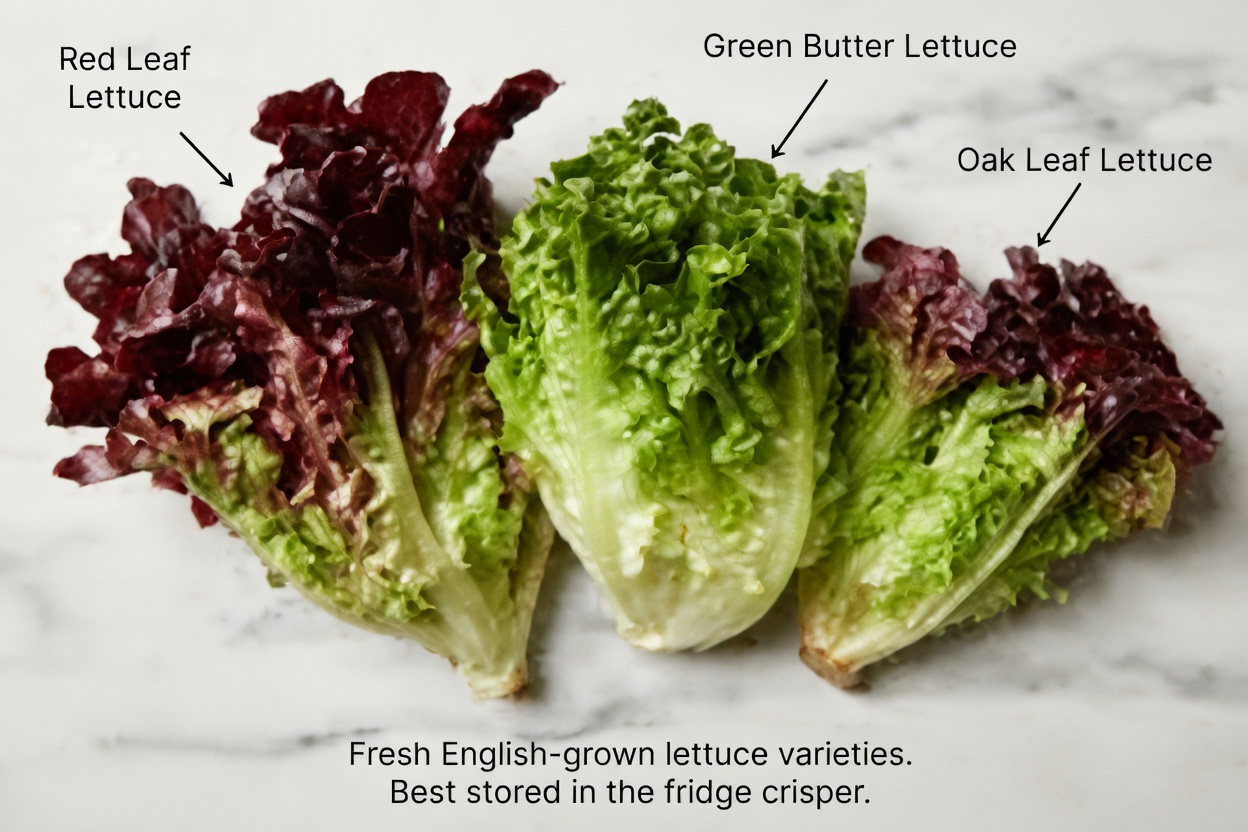
| Lettuce | 97 | Lower–vitamin K choice to mix with spinach for variety. |
| Carrots | 16 | Minimal impact; useful for balancing plates. |
The goal is not to avoid vitamin K completely, but to prevent big jumps in your intake when you are on blood thinners.
Daily Habits That Support Spinach and Blood Thinners Management
Consistent eating patterns, rather than “perfect” meals, make the biggest difference for adults over 45 who are managing spinach and blood thinners.
Helpful day-to-day habits include:
- Eating similar amounts of green vegetables on most days.
- Drinking water with meals to support digestion and overall health.
- Avoiding sudden, very large servings of any leafy green if that is not your usual pattern.
- Pairing spinach with protein and other vegetables to keep meals balanced.
These simple routines help turn spinach and blood thinners from a source of stress into part of a calmer, predictable lifestyle.
Safety Tips and Precautions for Spinach and Blood Thinners
Everyone’s health situation is different, especially after midlife. That is why a cautious, gradual approach is important when adjusting how you eat spinach while on blood thinners.
Key safety principles:
- Do not make big, abrupt changes in your spinach intake without medical guidance.
- Monitor how you feel and report anything unusual to your healthcare provider.
- Remember that the right amount of spinach can vary from person to person.
| Approach | How Often for spinach and blood thinners | Important safety note |
|---|---|---|
| Track portions | Daily | Aim for similar amounts each day you eat spinach. |
| Add variety | 2–3 times per week | Keep your total weekly vitamin K intake steady. |
| Consult your doctor | Before any major dietary change | Personalized medical advice is essential. |
| Monitor how you feel | Ongoing | Report new symptoms or concerns promptly. |
Real Experiences: Spinach and Blood Thinners After 45
Many people in their 50s and 60s report that once they understood the role of consistency, they were able to bring spinach back into their diet with less worry. Instead of fearing every salad, they:
- Chose a typical daily amount of greens and stuck close to it.
- Worked with their doctors to check INR levels when they changed habits.
- Focused on balance rather than perfection.
These experiences highlight a central idea: with support and steady routines, spinach and blood thinners can coexist comfortably.
What Science Says About Spinach and Blood Thinners
Research from major health organizations and anticoagulation centers has shown that:
- Stable vitamin K intake can improve INR stability for many people taking warfarin.
- Inconsistent, “on and off” consumption of high–vitamin K foods like spinach is more likely to cause fluctuations than regular, moderate intake.
- Spinach and blood thinners can be compatible when vitamin K intake is kept predictable instead of being drastically restricted.
This means spinach does not have to be the enemy; it simply needs to be part of a balanced, consistent eating pattern.
Making Spinach and Blood Thinners Part of Your Self-Care
You can think of managing spinach and blood thinners as one part of your broader self-care routine in midlife:
- Keep your spinach portions steady rather than extreme.
- Rotate spinach with other vegetables while watching your overall vitamin K intake.
- Notice how your body feels and bring any concerns to your healthcare provider.
- View your food choices as a way to support—not fight against—your treatment plan.
This mindset can reduce the emotional burden of living with blood thinners and help you enjoy nutritious greens with more confidence.
Take Your First Step with Spinach and Blood Thinners
To begin:
- For the next week, simply note how often and how much spinach you usually eat.
- Observe whether your intake is fairly steady or very irregular.
- Share this information with your healthcare provider if you plan to adjust your habits.
Your medical team can then give personalized guidance on how spinach and blood thinners best fit into your overall health plan.
Enjoy Your Greens with Confidence
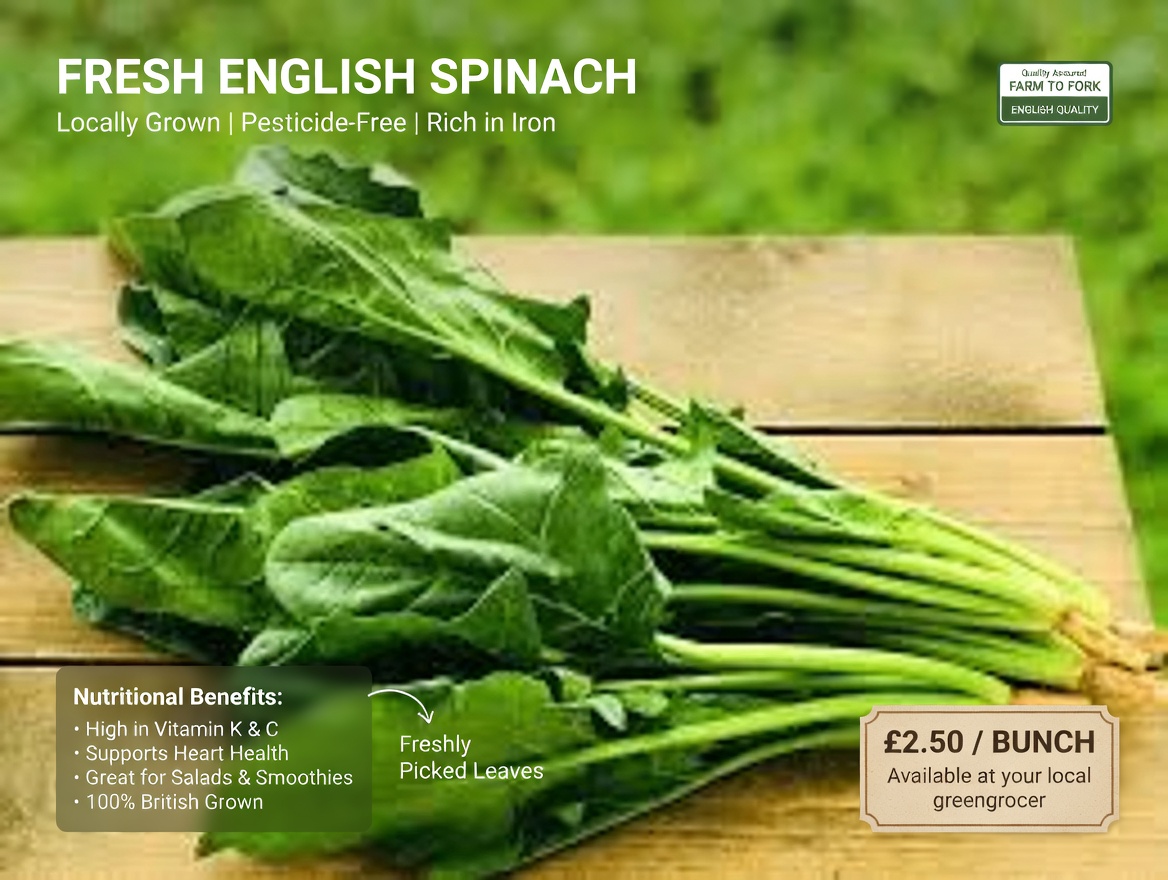
Learning how spinach and blood thinners work together gives you practical tools to maintain stability during midlife and beyond. By staying consistent, listening to your body, and keeping an open dialogue with your healthcare provider, you can make thoughtful decisions about spinach without fear.
FAQ: Spinach and Blood Thinners
How quickly can changes in spinach intake affect blood thinners?
Responses vary. Some people may see changes in their INR within days; for others, it may take a week or more. Because the effects are not always immediate, it is important to focus on steady, ongoing habits rather than quick shifts.
Is spinach safe for everyone taking blood thinners?
Not always in the same amounts. Most people on blood thinners can eat spinach, but the quantity and frequency should be guided by their doctor, especially if they have additional health conditions or are newly starting anticoagulation.
What is the best way to stay balanced with spinach and blood thinners?
Aim for:
- Consistent portion sizes of spinach and other greens.
- Regular medical check-ups and INR monitoring if you are on warfarin.
- A mix of vegetables—some higher and some lower in vitamin K—used in a steady pattern over time.
This information is for educational purposes only and does not replace professional medical advice. Always consult your doctor or healthcare provider before changing your diet or medication routine involving spinach and blood thinners, especially if you are taking anticoagulant medications. Individual responses and needs can differ significantly.