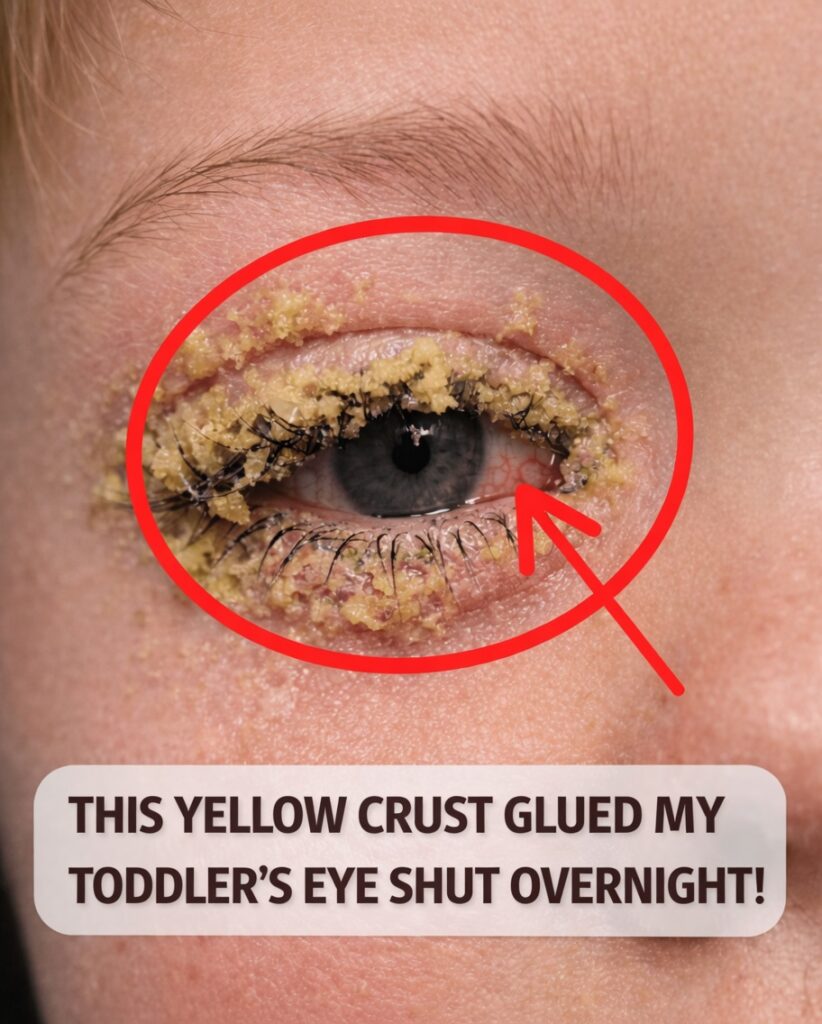
Waking Up to a Toddler’s Eye Glued Shut With Yellow Discharge
Opening your child’s bedroom door and finding their eye sealed shut with thick yellow discharge is frightening for any parent. The crusted lashes, sticky eyelid, and your toddler’s crying from discomfort can turn an ordinary morning into a stressful one. Worries about pain, infection, or the problem spreading to siblings are completely understandable.
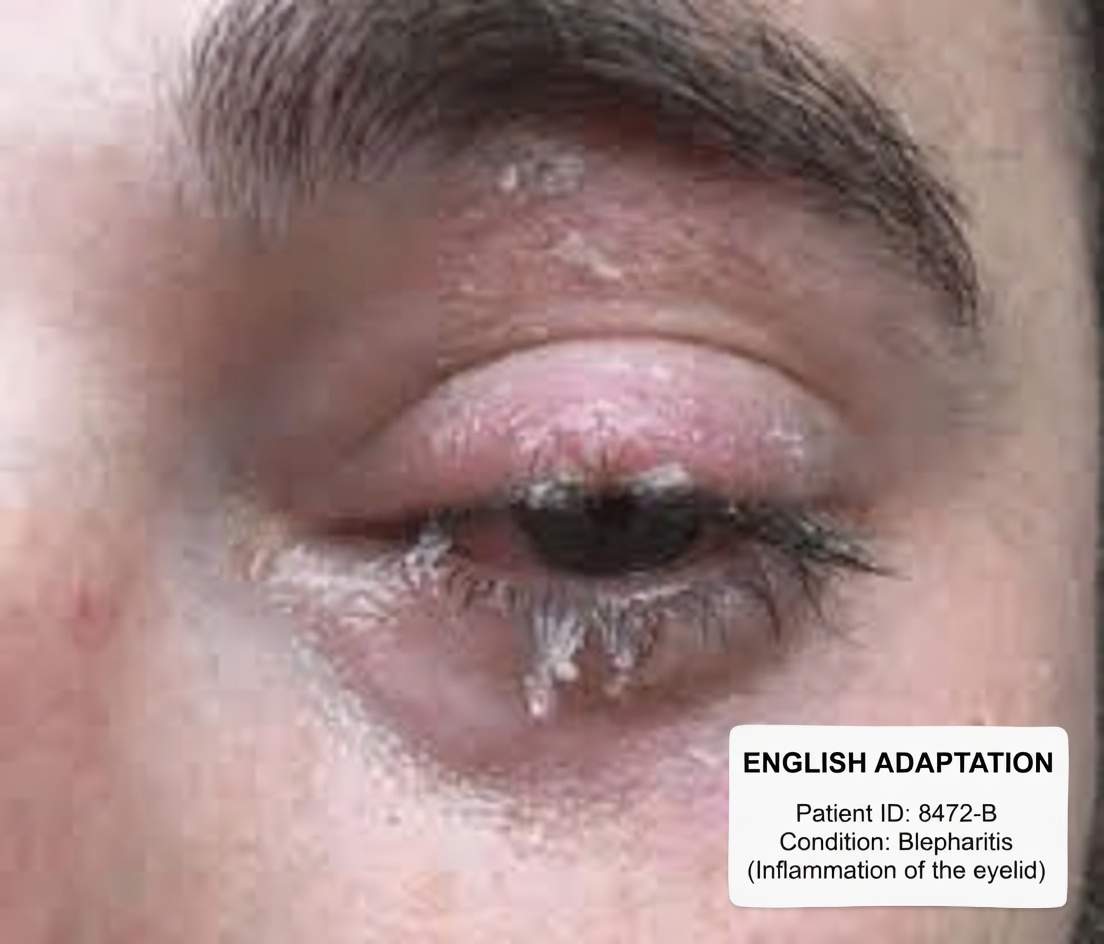
In many cases, this kind of yellow eye gunk in toddlers is caused by common, usually mild conditions such as conjunctivitis (pink eye) or a blocked tear duct. Still, seeing your little one rubbing their eyes in frustration can make you feel helpless.
The reassuring news: there are gentle, safe ways to clean your toddler’s eye at home to ease discomfort while you arrange a visit with your pediatrician. Below you’ll find step-by-step cleaning instructions, soothing techniques, and warning signs that mean it’s time to seek medical care.
Why Your Toddler’s Eye Gets Glued Shut With Yellow Gunk
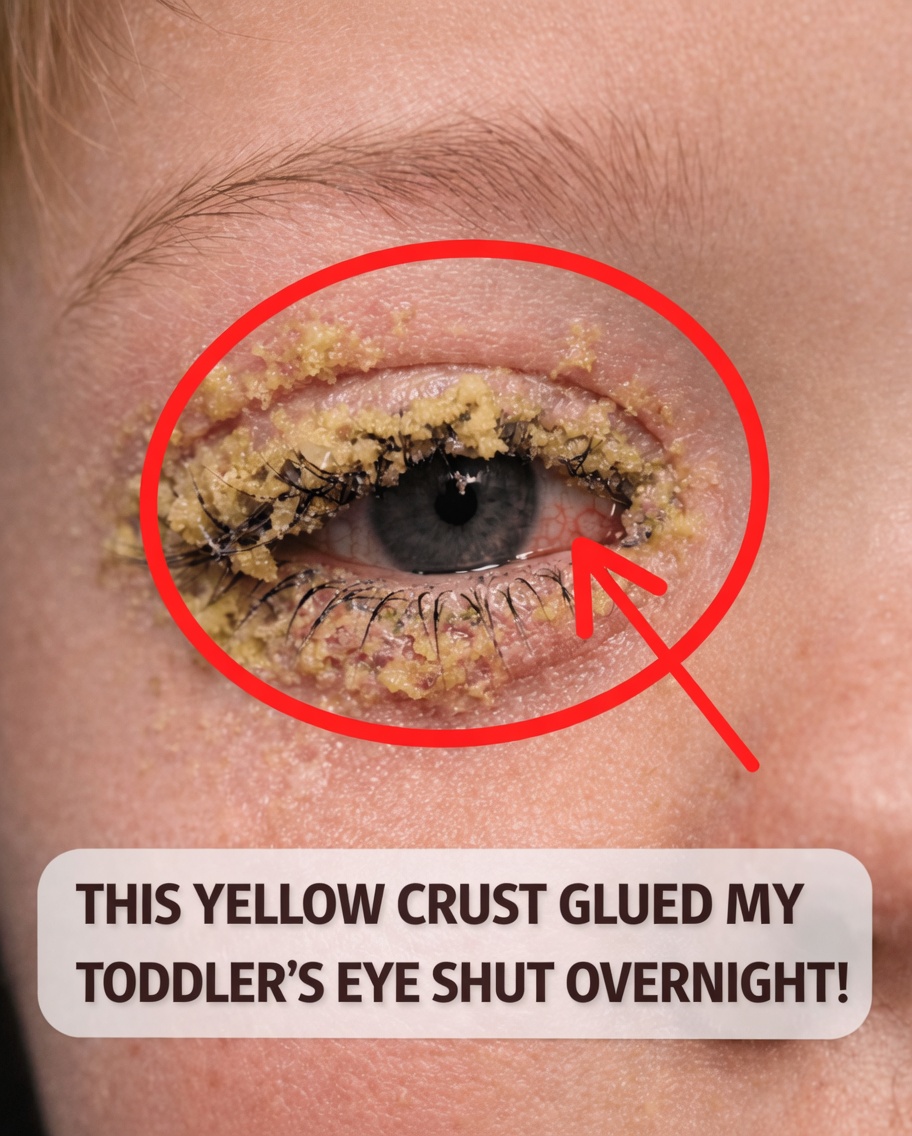
When a toddler wakes up with an eye stuck shut by yellow crust or mucus, it often disrupts your routine and causes obvious distress for your child. Several common issues can lead to this sticky discharge.
1. Conjunctivitis (Pink Eye)
One of the most frequent reasons toddlers develop yellow eye discharge is conjunctivitis, also known as pink eye. This is inflammation of the conjunctiva, the thin, clear tissue covering the white of the eye and the inside of the eyelids.
- The eye may appear red or pink.
- You might notice watery or thick yellow-green discharge.
- Overnight, the discharge dries and hardens, gluing the eyelids together.
This repeated crusting and irritation can make your child irritable and fussy, especially in the morning when they struggle to open their eye.
2. Blocked Tear Duct
Another common cause in babies and toddlers is a blocked tear duct. When the tear drainage system doesn’t work properly, tears and mucus build up on the eye’s surface.
- This can lead to persistent watery eyes.
- Mucus can collect and dry, forming crust that seals the eyelids.
- Crusting may recur every time your toddler sleeps.
Parents often worry about the ongoing discomfort and wonder whether it will affect their child long term, even though many blocked tear ducts improve as a child grows.
3. Irritants and Mild Infections
Sometimes, yellow gunk in a toddler’s eye isn’t from pink eye or a tear duct issue, but from minor irritation or a mild viral infection. Dust, allergens, or your child touching their eyes with dirty hands can trigger extra mucus production as the body attempts to flush out irritants.
This mucus can still dry and glue the eyelids together, creating the same stuck-shut sensation and morning tears, even if the underlying cause is relatively minor.
Step-by-Step: How to Safely Clean a Toddler’s Eye Glued Shut With Yellow Gunk
Knowing how to clean your toddler’s eye gently and safely can relieve both their discomfort and your anxiety. Follow these pediatric-informed steps to avoid further irritation or spreading infection.
Step 1: Wash Your Hands Thoroughly
Before touching your child’s face or eyes, wash your hands with soap and water for at least 20 seconds. This reduces the risk of introducing new germs or spreading any existing infection.
Step 2: Prepare a Clean Cotton Pad and Warm Liquid
Use one of the following:
- Warm, previously boiled and cooled water
- Sterile saline solution (often available over the counter)
Soak a clean cotton ball or cotton pad in the warm liquid.
Step 3: Soften the Crust
Gently place the damp cotton over the closed eyelid that is stuck shut. Hold it there briefly to soften the dried yellow gunk. This makes it easier to remove without pulling on the delicate skin or lashes, which can be painful for your child.
Step 4: Wipe From Inner Corner Outward
Using a fresh cotton pad for each wipe:
- Start at the inner corner of the eye near the nose.
- Wipe outward toward the ear in one smooth motion.
- Discard the cotton pad after each wipe; do not reuse it.
Wiping in this direction helps move discharge away from the tear duct and reduces the chance of spreading germs across the eye’s surface.
Step 5: Repeat With New Cotton Pads
Continue softening and wiping with clean cotton pads until the crust and discharge are gone and your toddler can comfortably open their eye.
If both eyes are affected, treat them separately:
- Use new water or saline and fresh cotton for each eye.
- Never use the same cloth or pad on both eyes, to avoid cross-contamination.
Using Warm Compresses to Ease a Toddler’s Crusty, Stuck Eye
Warm compresses can be very soothing and are often helpful for loosening stubborn crusts and easing irritation.
How to Use a Warm Compress Safely
- Take a clean, soft washcloth.
- Soak it in warm (not hot) water. Test the temperature on your inner wrist first.
- Wring out excess water so it is damp, not dripping.
- Place the warm cloth gently over your toddler’s closed eyelid for about 5–10 minutes.
This warmth helps:
- Soften dried discharge
- Reduce mild swelling
- Relieve the tight, uncomfortable feeling around the eyelids
Many parents find that using warm compresses several times throughout the day prevents the discharge from hardening again, making mornings easier for everyone.
Always use a clean cloth each time to avoid reintroducing bacteria or spreading infection from one eye to the other.
Extra Home Care Tips for Managing Yellow Eye Discharge in Toddlers
While waiting for a doctor’s evaluation, consistent, gentle care is important to keep your toddler comfortable and limit the chance of spreading infection.
Daily Hygiene Measures
- Wash hands before and after every eye-cleaning session.
- Discourage eye rubbing, especially with dirty hands; trim nails to reduce scratching if rubbing occurs.
- Use separate towels and washcloths for your toddler and wash them regularly in hot water.
- Clean your child’s face and hands frequently throughout the day.
These habits, widely recommended in pediatric care, help decrease the spread of germs and keep the eye area as clean as possible.
If a Blocked Tear Duct Is Suspected
If you suspect a blocked tear duct, some pediatricians may recommend a gentle massage technique near the inner corner of the eye to help promote drainage.
Important:
- Only perform tear duct massage after receiving clear instructions from your doctor.
- Use clean hands and be very gentle.
This approach can sometimes reduce mucus buildup and repeated crusting over time.
Preventing Spread to Other Family Members
Eye infections can spread easily, especially among young children. To help protect others:
- Encourage everyone at home to wash hands frequently.
- Avoid sharing washcloths, towels, pillowcases, or eye drops.
- Wash bedding often if your toddler has frequent discharge.
These precautions lower the risk of siblings or adults developing similar eye symptoms.

Warning Signs: When to Call a Doctor About a Toddler’s Eye Glued Shut
Most mild cases of yellow eye discharge in toddlers improve with careful cleaning and good hygiene. However, certain symptoms indicate that medical attention is needed promptly.
Contact a healthcare professional right away if you notice:
- Severe eye pain or your child is unusually distressed when you touch the area
- Marked swelling around the eye or eyelids
- Sensitivity to light (your toddler avoids light or cries when exposed)
- Fever along with eye symptoms
- Intense or spreading redness in the white of the eye or eyelids
- Changes in vision, such as difficulty focusing, bumping into objects, or complaining they “can’t see”
- No improvement after 1–2 days of gentle cleaning and home care
These signs may indicate a more serious infection or another underlying issue that needs professional evaluation and treatment.
Bringing It All Together
A toddler’s eye glued shut with yellow gunk can be alarming, but it is often caused by common, treatable conditions such as conjunctivitis or a blocked tear duct. By combining:
- Careful handwashing and hygiene
- Gentle cleaning with warm water or saline
- Warm compresses
- Avoidance of shared towels and washcloths
you can significantly ease your child’s discomfort and reduce the risk of spreading the problem to others at home.
At the same time, staying alert to warning signs and contacting your pediatrician when needed ensures that your child receives timely, appropriate care. With the right steps, you can handle those stressful morning moments more calmly and confidently.
FAQ About a Toddler’s Eye Glued Shut With Yellow Gunk
Q1: Is it safe to use plain warm water to clean my toddler’s eye that is stuck shut with yellow gunk?
Yes. Using clean, warm water that has been boiled and cooled, or sterile saline solution, is generally considered safe for gently wiping away discharge—provided you maintain strict hygiene. Always:
- Wash your hands before and after cleaning the eye.
- Use clean cotton pads or gauze for each wipe.
- Use separate materials for each eye.
For personalized advice based on your child’s specific symptoms and medical history, consult your pediatrician.