Unlocking Garlic’s Real Potential
Slice into a fresh clove of garlic and the sharp, energizing scent instantly fills the air—a reminder of why this modest bulb has been treasured in kitchens and traditional wellness practices for generations. Many people now reach for garlic not just for flavor, but in hopes of gentle support for heart health, immune resilience, digestion, and everyday comfort.
Yet everyday cooking habits can quietly blunt the very compounds people are hoping to tap into. When that subtle “extra support” never seems to show up, it’s often not the garlic’s fault—it’s how it’s handled.
The encouraging news: a few simple tweaks in how you prepare and use garlic can help protect its naturally active components without making your routine complicated. And one small technique, often overlooked, can make a surprisingly big difference.
The Garlic “Activation” Most People Overlook
Garlic is more than a seasoning; it’s a plant whose chemistry comes alive when its cells are damaged. As soon as you crush, mince, or finely chop a clove, an enzyme-driven reaction kicks off, creating allicin—a key sulfur compound linked in research to many of garlic’s potential health-supporting effects.
Allicin, however, is delicate. Excess heat, rushed preparation, or long cooking times can dramatically reduce how much ends up in your food. That’s why some people feel like “garlic doesn’t do anything” for them: the beneficial compounds never had a chance to fully form or survive the pan.
Learning to work with this activation process—not against it—can make your garlic habit both more effective and more enjoyable.
9 Common Reasons People Use Garlic Regularly
Many turn to garlic as one part of a broader healthy lifestyle. While nothing is guaranteed, and garlic is not a cure-all, its sulfur compounds, antioxidants, and fibers have been studied in several areas.
Here are nine ways people often hope garlic may offer gentle, complementary support:
-
Seasonal immune support
During high-stress or high-exposure times of year, that first tickle in the throat can feel worrying. Some people include crushed garlic in meals for a bit of extra immune-system support, based on research into its bioactive compounds. When garlic is overheated or not properly activated, its contribution may be much smaller. -
Everyday inflammatory comfort
Morning stiffness or feeling heavy and sluggish after meals can wear you down. Certain components in garlic have been explored for their role in maintaining normal, healthy inflammatory responses. But eating a lot all at once can backfire and cause digestive or body discomfort. -
Heart-conscious eating habits
Garlic can make heart-healthy foods—like vegetables, beans, and lean proteins—taste richer and more satisfying. Specific preparations of garlic have been studied for potential benefits on cholesterol balance and blood-pressure markers, especially when combined with an overall heart-supportive lifestyle. -
Antioxidant support against everyday stressors
Oxidative stress builds over time from everyday life. Garlic contains antioxidants and sulfur compounds that may help the body manage these effects. Unfortunately, common cooking habits—such as intense frying or long simmering—can weaken some of these fragile elements. -
Making healthy foods more crave-worthy
When “good-for-you” meals are bland, it’s easy to skip them. Garlic can transform simple vegetables, whole grains, or lean proteins into dishes you actually want to eat, helping you stay consistent—unless too much or raw garlic triggers digestive discomfort. -
Subtle circulation and blood-flow support
Some research has examined garlic’s influence on circulation and blood-flow dynamics, often in the context of heart health. This mild effect can be a plus for some, but it also means people on certain medications—or heading into surgery—should be cautious and informed. -
Metabolic marker support over time
Paired with steady, balanced nutrition, garlic is sometimes used to support healthy metabolic markers such as blood lipids or blood sugar. However, sporadic or occasional use is unlikely to create noticeable changes on its own. -
Prebiotic support for a healthy gut
Garlic contains fibers that can act as prebiotics—fuel for beneficial gut bacteria. For many, this is helpful, but eating raw garlic on an empty stomach can be irritating, causing cramps or burning that overshadow any gut benefits. -
A grounding daily self-care ritual
Having a simple garlic habit—like adding a clove or two to meals most days—can create a sense of routine and personal agency in your wellness journey, especially when done in a way that feels sustainable long-term.
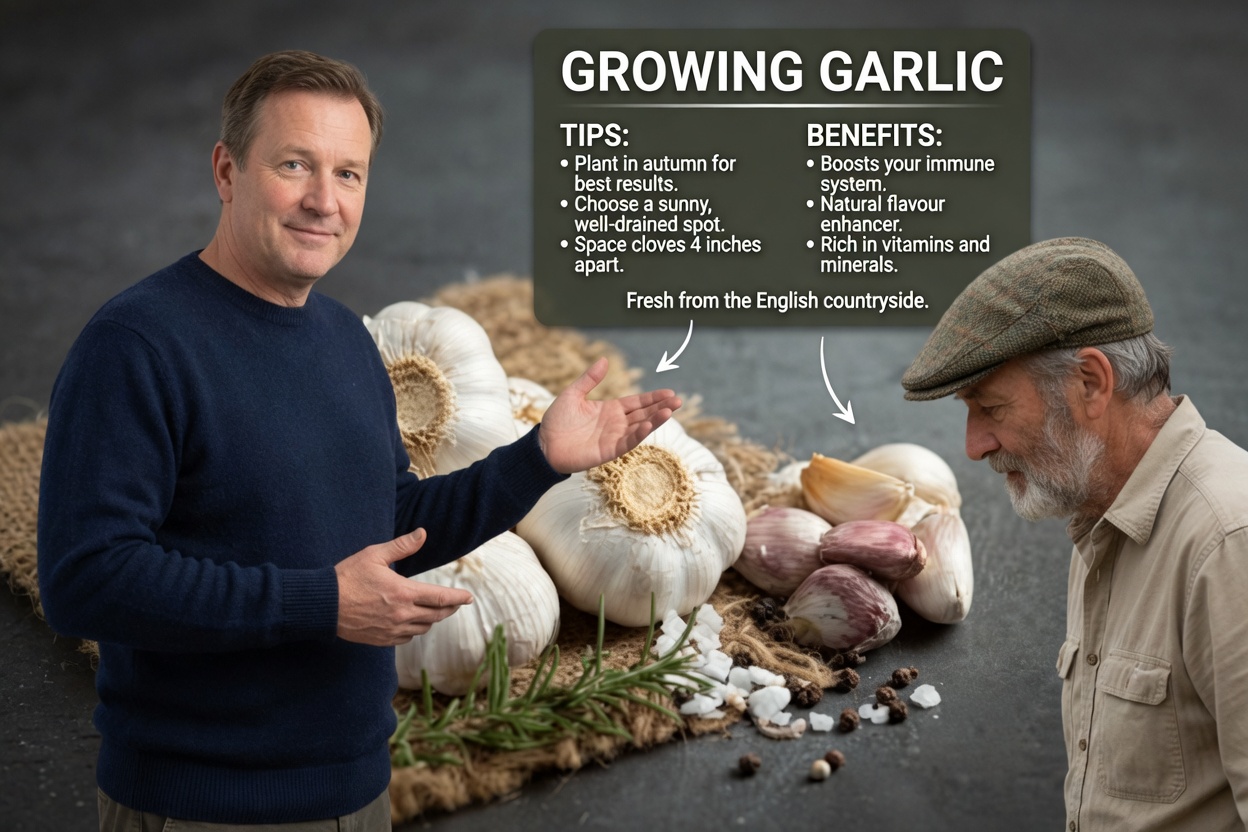
7 Garlic Mistakes That Quietly Reduce Its Benefits
Even small missteps during prep and cooking can limit the very compounds people are trying to harness, leading to disappointment and wasted effort. Here are seven common pitfalls—and what to do instead.
Mistake 7: Tossing Freshly Chopped Garlic Straight into Hot Oil
The reaction that forms allicin doesn’t happen instantly. It needs a short window of time after the clove is crushed or minced. Dropping garlic straight into a smoking-hot pan right after chopping can interrupt that process.
Better approach:
Crush or finely mince your garlic, then let it rest for about 10 minutes before exposing it to heat.
Mistake 6: Cooking Garlic Until It’s Completely Brown and Mild
Long, high-heat cooking can turn garlic sweet and mellow—but it can also break down many of its more active compounds.
Better approach:
Add garlic later in the cooking process or cook it gently, so it softens and perfumes the dish without burning.
Mistake 5: Swallowing Raw Garlic Alone on an Empty Stomach
Taking raw garlic like a pill may sound “hardcore,” but for many people it leads to burning sensations, reflux, nausea, or abdominal cramps. This often leads them to give up on garlic altogether.
Better approach:
Enjoy raw garlic as part of a meal—mixed into dressings, dips, or spreads—rather than swallowing pieces on their own.
Mistake 4: Assuming “More Garlic” Always Means “More Benefit”
If one clove is good, five must be better—right? Not necessarily. Very high intakes can cause digestive upset, strong body odor, and in some cases, concerns around clotting or bleeding tendency.
Better approach:
Aim for consistency and moderation—around 1–2 cloves per day in food is a practical goal for many adults, unless otherwise guided by a professional.
Mistake 3: Ignoring Possible Interactions with Medications or Procedures
Because garlic can influence blood flow and clotting, it may interact with certain medications (such as blood thinners) or affect surgical and dental procedures if consumed in large amounts.
Better approach:
If you plan to use garlic heavily (through food or supplements) and you take medications or have a procedure scheduled, talk with your healthcare provider first.
Mistake 2: Relying Only on Jarred, Old, or Sprouted Garlic
Pre-minced, jarred garlic, or bulbs that are shriveled or heavily sprouted, often have lost a portion of their fresh potency and may not provide the same profile of active compounds.
Better approach:
Choose firm, heavy heads of garlic without soft spots. Store them in a cool, dry, well-ventilated place and use them regularly.
Mistake 1: Using Whole Cloves Without Crushing or Finely Chopping
Leaving garlic cloves whole or only lightly sliced means the key chemical reaction is barely triggered, limiting how much allicin and related compounds are produced.
Better approach:
Always crush, press, or finely mince garlic to properly activate its beneficial chemistry before using.

The “Crush-and-Rest” Technique That Changes Everything
One of the simplest, most impactful habits you can adopt is the “crush-and-rest” method:
- Crush, mince, or finely chop your garlic clove.
- Let it sit undisturbed for about 10 minutes at room temperature.
- Then add it to your dish—either in raw preparations (like dressings) or near the end of cooking.
This short resting phase gives the enzymes time to generate more allicin and related compounds before heat or acids hit. You don’t need to eat large amounts of raw garlic or overhaul your recipes—just build this one small step into your normal kitchen rhythm.
Key Garlic Components at a Glance
| Garlic Component | How It Forms or Exists | Common Research Focus Areas | Practical Tip |
|---|---|---|---|
| Allicin | Created after the clove is crushed or cut | Cardiovascular and immune support | Crush or mince, then let rest ~10 minutes |
| Sulfur compounds | Naturally occurring in fresh garlic | Inflammation balance, antioxidant action | Use fresh garlic regularly in meals |
| Prebiotic fibers | Present in the bulb’s carbohydrate content | Gut microbiome and digestive health | Start with small amounts if you have a sensitive stomach |
| Polyphenols | Plant-protective compounds in garlic | Oxidative stress and cell protection | Avoid intense overcooking or burning |
Smart, Safe Ways to Enjoy Garlic Every Day
For most people, a moderate daily amount woven into meals is both realistic and better tolerated than extreme doses.
General guidelines:
-
Target a modest intake:
Around 1–2 cloves per day in food is a commonly used, sustainable range for many adults. -
Maximize potential benefits:
Crush or mince first, allow a brief resting period, then use raw in cold dishes or add near the end of cooking. -
Protect your stomach:
If you’re sensitive, favor cooked garlic over raw, and always combine it with other foods rather than taking it alone. -
Be mindful with medications:
If you use blood thinners, have clotting issues, or take multiple medications, keep garlic intake moderate and check in with your healthcare provider. -
Choose fresh over processed when possible:
Make fresh bulbs a regular part of your grocery list instead of relying solely on jarred or pre-minced garlic.
3 Simple Garlic Ideas You Can Try Tonight
You don’t need complicated recipes to benefit from better garlic prep. Try one of these easy options:
-
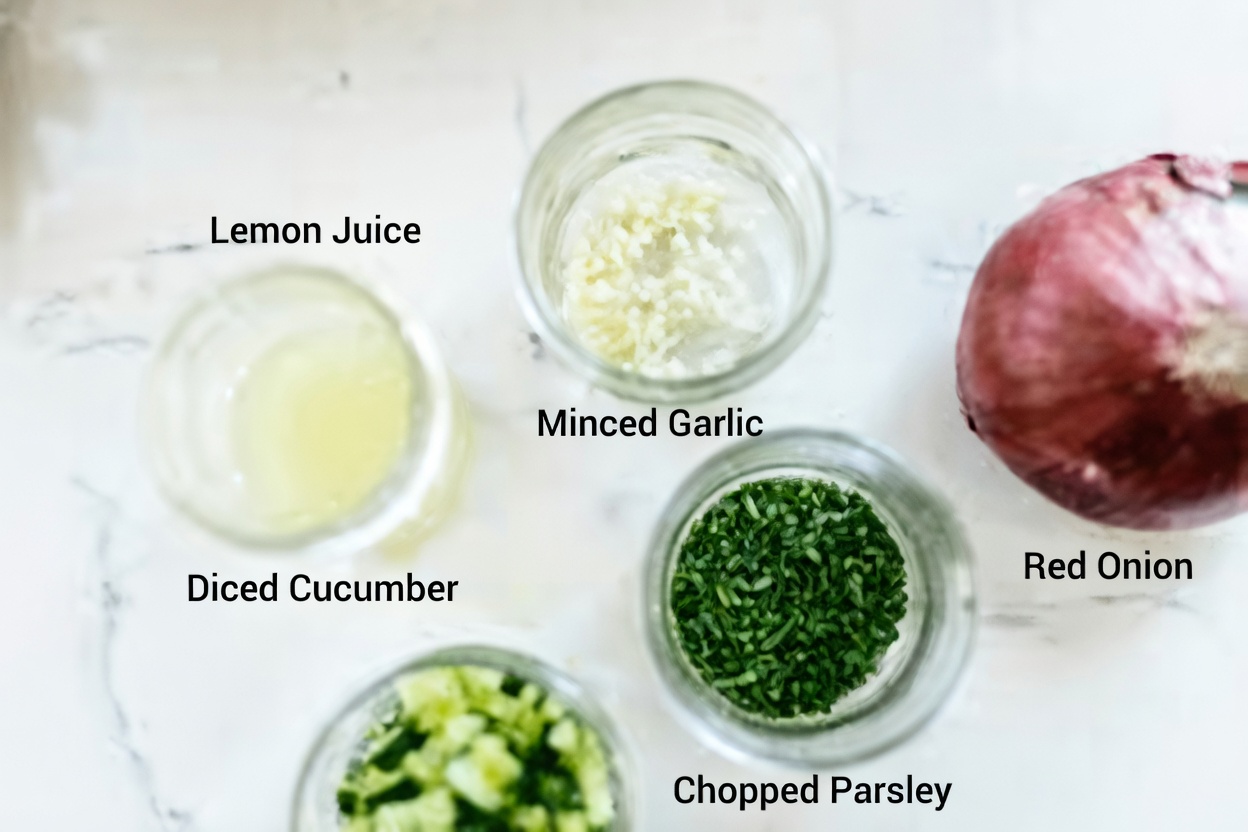
Bright garlic-lemon dressing
Whisk crushed, rested garlic with olive oil, fresh lemon juice, salt, pepper, and herbs. Drizzle over salads, roasted vegetables, or grain bowls. -
Garlicky hummus or yogurt dip
Stir rested minced garlic into hummus, Greek yogurt, or a tahini-based sauce. Adjust the amount slowly to match your taste and tolerance. -
Finishing touch for soups and veggies
Once your soup or sautéed vegetables are nearly done and the heat is turned down, add your crushed-and-rested garlic and cook gently for a short time. This boosts flavor while being gentler on the active compounds.
Before you eat, you can run a quick mental check:
- Was the garlic crushed or minced?
- Did it rest for a few minutes?
- Is the amount moderate?
- Is it paired with food, especially if your stomach is sensitive?
Final Thoughts: Small Tweaks, Bigger Garlic Payoff
The real power of garlic lies not just in the clove itself, but in how you handle it. Crush it, give it a moment to “wake up,” and use it thoughtfully in amounts your body can comfortably handle. Over time, these small, practical habits can turn garlic from a simple seasoning into a more intentional part of your wellness routine.
Try the crush-and-rest method in just one meal today and notice how it fits into your cooking flow. If you know someone who loves garlic—or complains that it “does nothing”—pass these tips along. A few adjustments might change their experience completely.
P.S. That 10-minute resting period mirrors old culinary traditions where cooks instinctively let chopped garlic sit on the board—long before science explained why it works.
FAQ
How much garlic should I eat daily for potential benefits?
Many people find that using about 1–2 cloves per day in meals is a reasonable, sustainable amount. The right level can vary depending on your digestion, overall diet, and health status.
Does cooking destroy garlic’s beneficial compounds?
High temperatures and long cooking times can reduce some of garlic’s more delicate compounds, including allicin. Adding garlic toward the end of cooking or using part of it raw in cold dishes can help preserve more of these components.
Is raw garlic always better than cooked?
Not always. Raw garlic can offer a higher level of certain compounds, but it’s also more likely to irritate the digestive system, especially if eaten alone. For many people, lightly cooked garlic—or raw garlic mixed into food—strikes a better balance between comfort and potency.
This information is for educational purposes only and is not a substitute for personalized medical advice, diagnosis, or treatment. Always consult a qualified healthcare professional regarding your individual health needs and before making significant changes to your diet or supplement routine.