
A One-Minute Morning Seed Ritual to Support Clearer Vision and Sharper Recall After 60
You start the day with coffee and soft sunlight—then the tiny print on a package looks slightly hazy. Later, in a conversation, a familiar name sits just out of reach. These small moments can feel surprisingly discouraging. As we get older, it’s common to notice subtle changes in eye comfort and quick memory, often linked to everyday oxidative stress, low-grade inflammation, and less efficient nutrient delivery to sensitive tissues in the eyes and brain.
Many older adults describe the same combination: tired, dry, glare-sensitive eyes paired with occasional “foggy” thinking. That can chip away at confidence in simple activities like reading, driving at night, or speaking fluidly.
The encouraging part is that supportive nutrition doesn’t have to be complicated. A consistent, simple food habit can help reinforce both visual comfort and mental clarity. One overlooked strategy is a tiny “nutrient deposit” in the morning—using three common seeds that are easy to find and easy to use.

Why Vision and Memory Can Feel Harder With Age
Aging doesn’t flip a switch overnight, but gradual shifts add up:
- Oxidative stress can act like wear-and-tear on delicate eye and brain cells.
- Mild inflammation may contribute to discomfort and slower recovery.
- Circulation changes can affect how efficiently nutrients reach sensitive tissues.
People often notice this as:
- Eye strain after screens, dryness, or more sensitivity to glare
- Afternoon mental sluggishness
- “Tip-of-the-tongue” delays that feel frustrating and distracting
These changes aren’t always fixed or inevitable. Research suggests nutrient patterns that support cellular protection and function may influence how we feel day to day. Just as important, a repeatable routine reduces the emotional burden—because consistency is easier than chasing quick fixes.
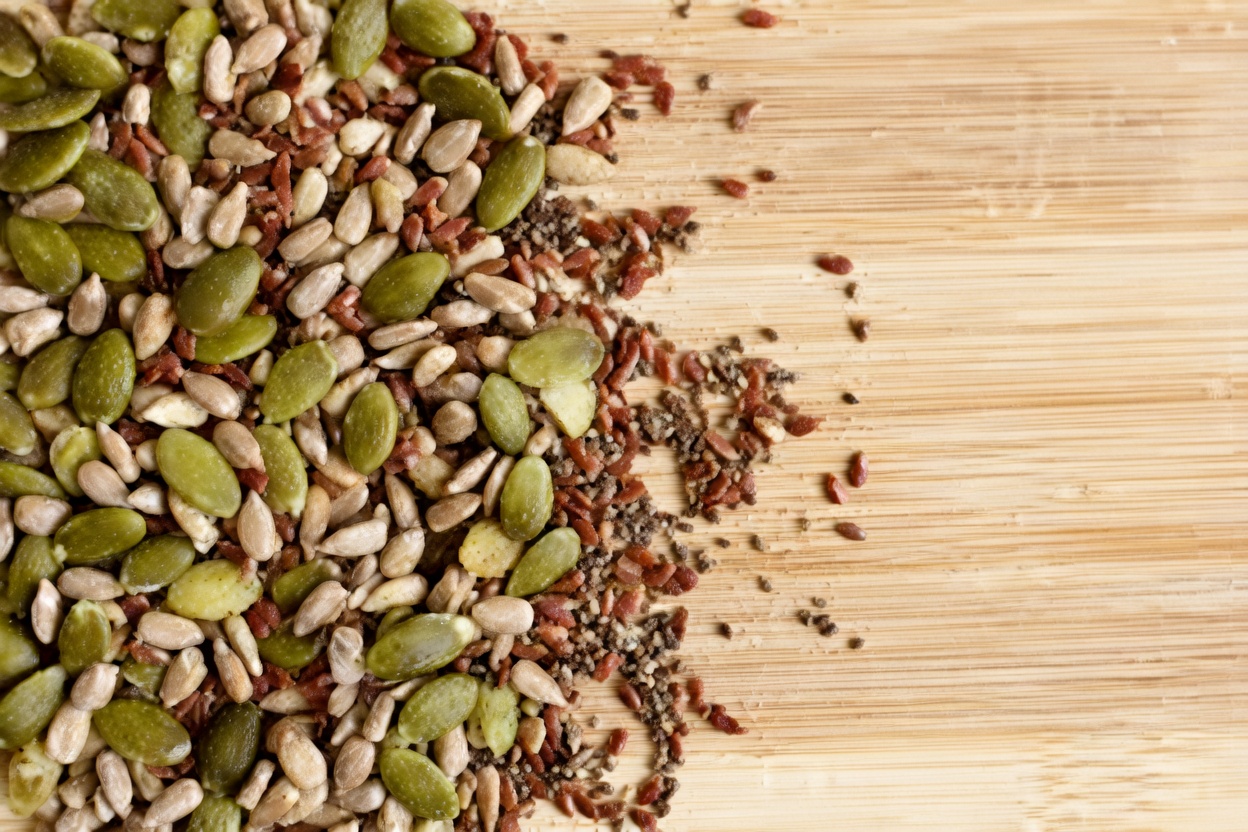
The Three-Seed Team: Pumpkin, Flax, and Chia
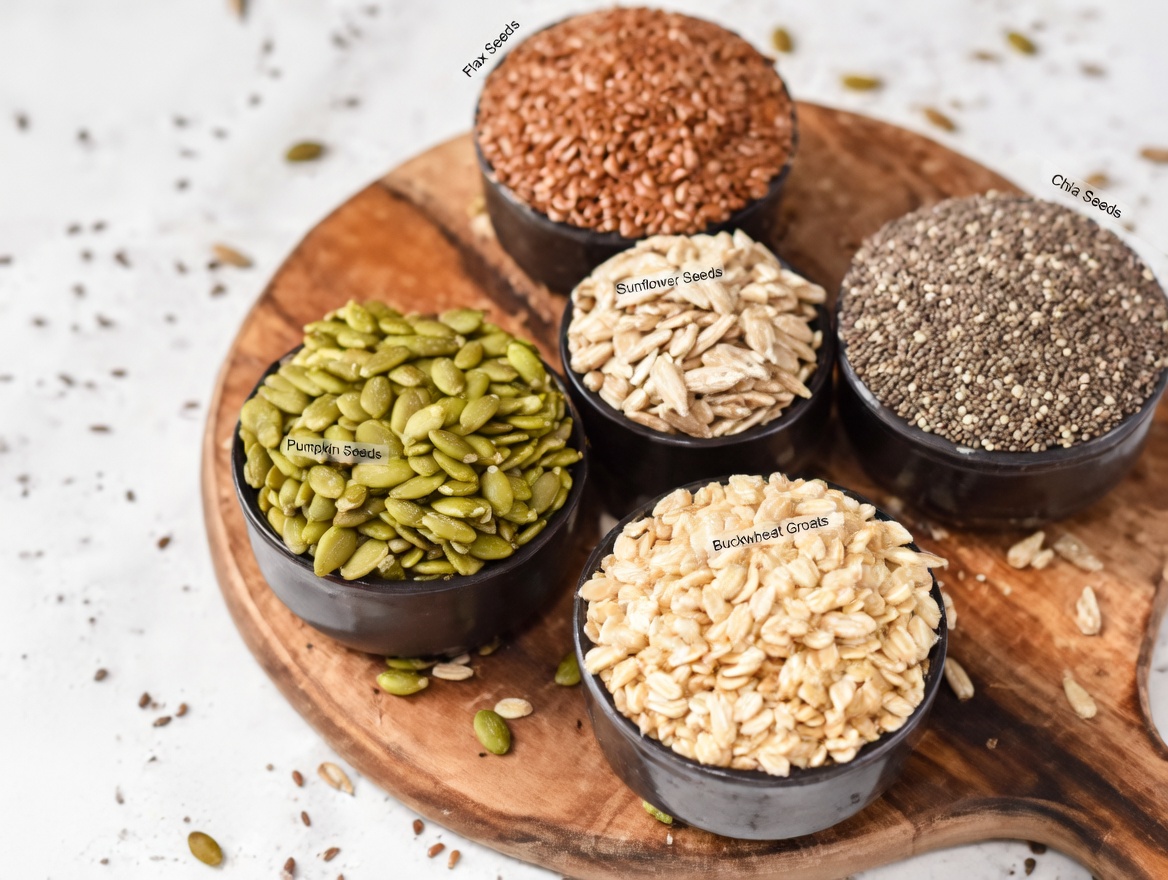
Pumpkin, flax, and chia seeds work well together because they provide complementary nutrients linked to eye and brain support:
- Pumpkin seeds: zinc, magnesium, vitamin E, iron, and protein
- Flaxseed (best when ground): ALA plant omega-3s, lignans, and fiber
- Chia seeds: ALA plant omega-3s, antioxidants, and gel-forming fiber
Nothing here is “magic.” The value comes from steady intake and smart preparation so your body can access the nutrients more effectively.
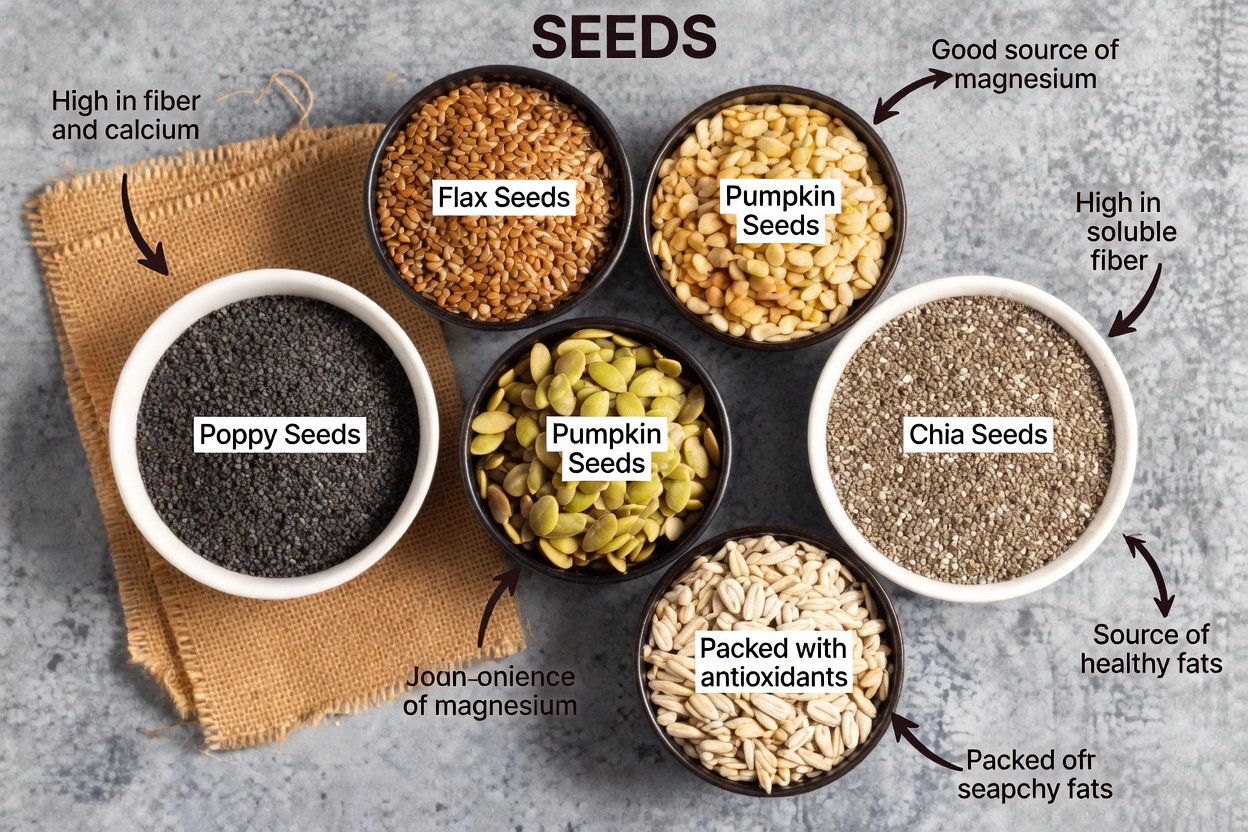
Ingredient Snapshot: What Each Seed Contributes
| Seed | Key nutrients | Potential eye support | Potential brain support |
|---|---|---|---|
| Chia | ALA omega-3, gel-forming fiber, antioxidants | May support tear film comfort and oxidative protection | May support steady energy and healthy cell membranes |
| Flax (ground) | ALA omega-3, lignans, fiber | May help balance inflammation and support retinal health | May support cognition through anti-inflammatory pathways |
| Pumpkin | Magnesium, zinc, iron, vitamin E | May support retinal function and low-light comfort | May support nerve signaling and oxygen delivery |
This trio covers multiple nutritional angles, which is why many people experience it as a form of practical self-care.
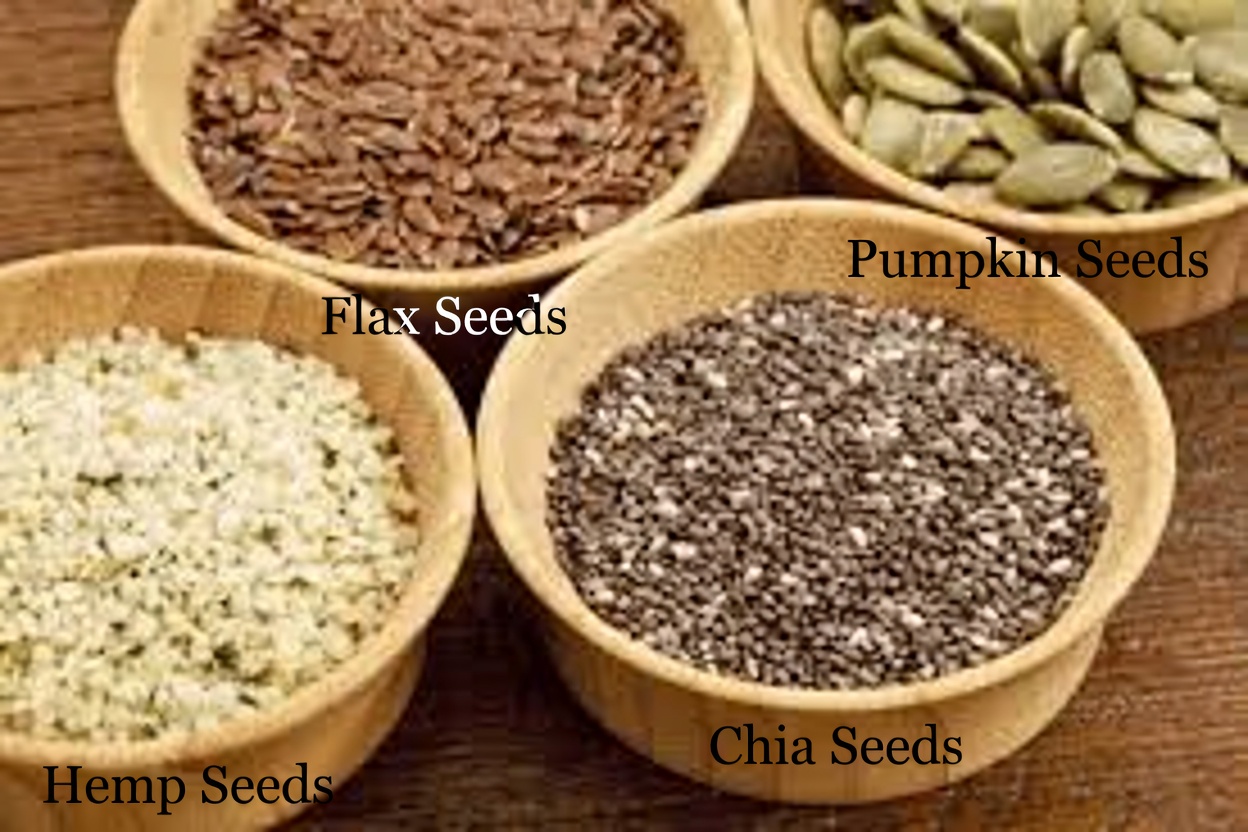
Nine Changes People Commonly Report Over Time
These are potential benefits based on known nutrient roles and research associations. Results vary, and they are not guarantees.
-
More stable morning energy
Fiber from chia and flax slows digestion, helping reduce sharp blood-sugar swings. Pumpkin seeds add protein and minerals that can support steadier momentum. -
Less “dry” or tired eye feeling after screens
Plant omega-3s (ALA) from flax and chia may support tear quality. Vitamin E and magnesium add cellular support that may ease irritation. -
Slightly clearer color and contrast for some
Zinc contributes to retinal processes, while omega-3 fats support cell membrane integrity—changes may feel subtle but meaningful. -
Faster “word retrieval” in conversation
Healthy fats and minerals help support brain cell structure and signaling. Fiber may also support gut-brain connections, which can influence mental clarity. -
More comfort with glare and low-light tasks
Zinc and vitamin E play roles in eye tissue protection and light-processing pathways, which may help with night driving or dim-room reading. -
A calmer baseline mood and nervous system feel
Magnesium supports relaxation pathways, and steadier energy can reduce that wired-then-drained pattern many dislike. -
More predictable digestion
Soaked chia and ground flax offer gentle fiber that can support regularity and reduce discomfort that drains patience and energy. -
A simple daily antioxidant habit
Vitamin E and lignans provide daily support against oxidative stress—without complex supplement stacks. -
A stronger sense of independence
Small wins—less strain, smoother recall, better steadiness—often translate into more confidence in everyday routines.
The pattern many people notice is that consistency matters more than perfection.
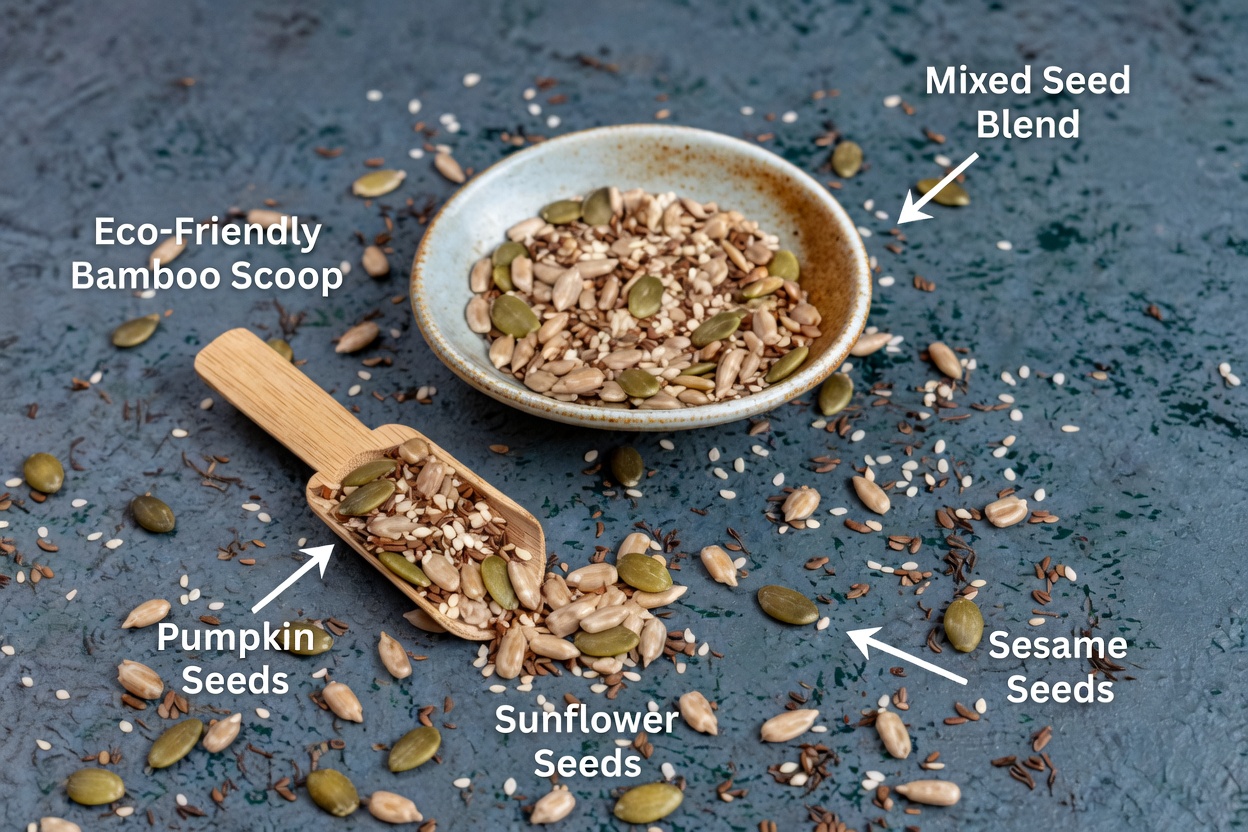
Two Realistic Stories That Reflect Common Experiences
Evelyn (90s) loved puzzles and reading but started avoiding them because her eyes tired quickly and words didn’t come as easily. She began adding soaked chia, ground flax, and pumpkin seeds to her yogurt. Over time, she found reading less draining and felt more comfortable joining conversations at family meals.
Marcus (74) struggled with glare on errands and an afternoon “fog” that made tasks feel heavier. He committed to a simple seed mix each morning and tracked a quick daily score for clarity. He didn’t describe it as a miracle—just a steadier, more reliable day that kept him motivated to continue.
The Easy Morning Routine (Designed for Real Life)
Aim for about 1 tablespoon total per day to start (especially if you’re not used to fiber). You can build gradually.
Preparation tips for better results:
- Grind flaxseed (whole flax may pass through undigested)
- Soak chia for 10–15 minutes to create its gel and improve comfort for digestion
- Chew pumpkin seeds well for easier breakdown
Simple ways to use the mix:
- Stir into yogurt or oatmeal with fruit and cinnamon
- Blend into a smoothie with banana and greens
- Sprinkle on cottage cheese or add to soup (after cooking)
- Mix into nut butter for toast
- Add to muffin or pancake batter
Hydration matters: fiber works best with enough water, so drink an extra glass with breakfast.
Safety and Practical Use Guide
| Topic | Practical guidance | Extra caution |
|---|---|---|
| Starting amount | Begin with 1 teaspoon each and slowly build | Increasing fiber too fast can cause temporary bloating |
| Best form | Ground flax, soaked chia, well-chewed pumpkin | Whole flax often absorbs poorly |
| Timing | Morning with breakfast + water | Consider spacing from medications; ask a clinician if unsure |
| Allergies | Introduce one seed at a time | Stop if swelling, itching, or breathing changes occur |
| Special concerns | Food amounts are typically safe | Consult a healthcare provider if using blood thinners or diabetes medications |
A Simple 30-Day Plan to Build Momentum
- Week 1: Use 1 teaspoon each daily. Rate your “clarity” from 1–10 (vision + thinking).
- Week 2: Improve preparation (grind/soak/chew). Notice shifts in eye comfort or energy.
- Week 3: Add a short walk after breakfast to support circulation and routine strength.
- Week 4: Customize flavors and formats so it becomes automatic and enjoyable.
If it takes under a minute, a 30-day trial can be a low-effort way to see whether you notice small, meaningful improvements.
Start Tomorrow: A Simple 7-Day Challenge
Before scrolling your phone, add the seeds to breakfast, eat slowly, drink water, and record a quick score for the day. Do it for seven days and judge by your own experience.
Small actions repeated daily often support independence longer than waiting for a “big fix.”
Frequently Asked Questions
What makes pumpkin, flax, and chia seeds relevant for vision and memory in older adults?
They provide nutrients commonly linked with healthy aging, including zinc, vitamin E, magnesium, ALA plant omega-3s, fiber, and antioxidant compounds. Research connects these nutrients to roles in retinal support, oxidative stress defense, and cognitive processes such as focus and recall.
What’s the best way to prepare these seeds?
- Grind flaxseed to improve nutrient access
- Soak chia for 10–15 minutes to form a gel that can be gentler on digestion
- Chew pumpkin seeds thoroughly (or choose lightly crushed/ground versions)
These small steps can improve consistency and comfort.
Are there precautions if I want to eat these seeds daily?
Yes. Start small, increase gradually, and drink enough water. If you take medications (especially blood thinners) or manage conditions such as diabetes, it’s smart to check with a healthcare professional—particularly if you plan to increase fiber significantly or track blood sugar changes.