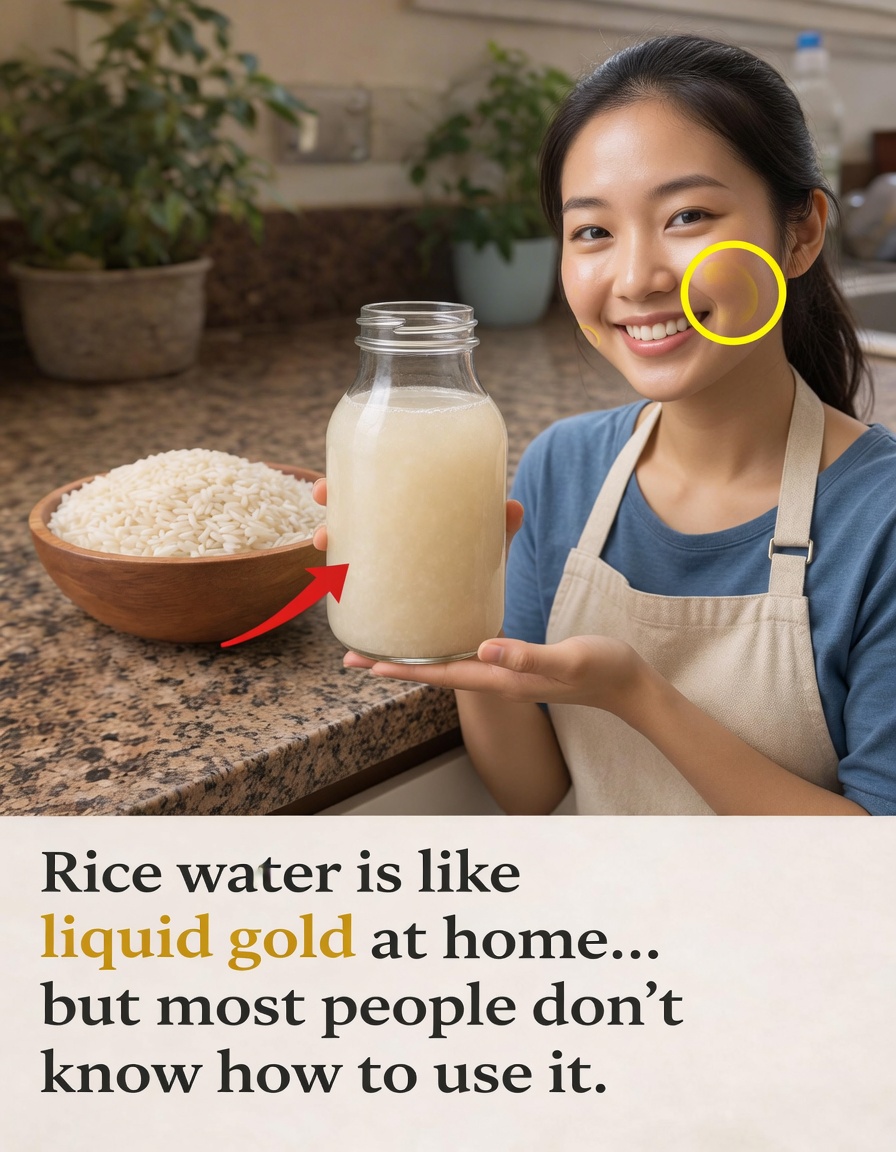
Many people notice their hair losing shine or their skin feeling tighter and drier with age—often becoming more obvious after 40. It can be discouraging to spend money on products that either irritate your skin or fail to deliver. What if a gentle, low-cost addition to your routine was already in your kitchen? This guide explores the traditional beauty use of rice water, how to prepare it safely, and how to incorporate it into hair and skin care—plus a simple preparation tip near the end that can noticeably improve the experience.
What Is Rice Water? (And Why People Use It)
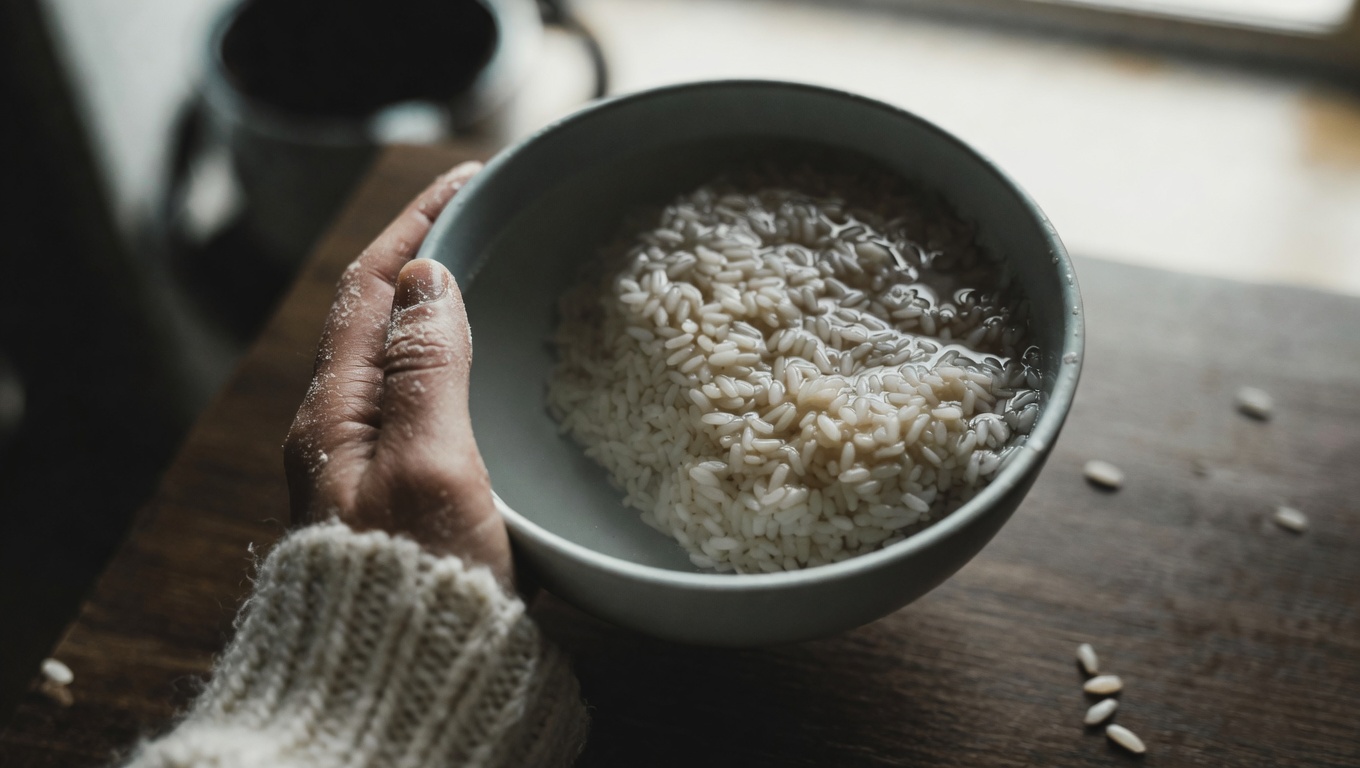
Rice water is the cloudy, starchy liquid left behind after rinsing or soaking rice. It has been used in beauty rituals in several cultures for generations, and its modern popularity comes from its naturally occurring components, including vitamins, antioxidants, and starches.
Some research has looked at rice-derived compounds—such as inositol—for their potential role in supporting the feel and structure of hair fibers. Publications including the Journal of Cosmetic Dermatology have discussed these ingredients in cosmetic contexts. That said, rice water isn’t a cure-all; it’s best viewed as a supportive, gentle option people experiment with alongside a consistent routine.
Why Rice Water Appeals to Natural Beauty Fans
As many people become more ingredient-conscious, kitchen-based routines feel like a safer alternative to harsh formulas. Rice water stands out because it is:
- Simple to make (rice + water)
- Budget-friendly
- Generally mild in scent and feel
- Easy to test in small amounts before committing
An additional point that often comes up: some users prefer fermented rice water, claiming it feels “stronger” or more noticeable. While many of these reports are anecdotal, fermentation is one reason rice water remains a trending DIY method.
Rice Water vs. Common Hair and Skin Products
Here’s a clear comparison of how rice water typically differs from commercial options:
-
Key components
- Rice water: natural starches and rice-derived compounds
- Commercial shampoos/masks: silicones, preservatives, fragrance
- Chemical treatments: stronger “active” ingredients designed for bigger changes
-
Expected results
- Rice water: subtle, temporary improvements in feel and appearance
- Commercial products: faster cosmetic results (often fragrance-led)
- Chemical treatments: more dramatic outcomes with higher risk of irritation
-
Ease of use
- Rice water: DIY preparation, minimal tools
- Commercial: ready to use
- Treatments: sometimes require professional use or careful handling
Research in areas like the International Journal of Trichology has explored rice-based ingredients in relation to hair manageability, helping explain why people keep trying it even with its simplicity.
8 Ways Rice Water May Help Hair and Skin (Based on Traditional Use + User Reports)
People who use rice water regularly often describe these potential effects:
-
A gentle cleansing feel
It may help lift residue without leaving hair feeling overly stripped. -
A temporary moisture boost
The starchy coating can make hair or skin feel more hydrated for a short period. -
Softer skin texture
When used as a toner, some users say it helps skin feel calmer and smoother. -
More visible shine
Hair can appear glossier after repeated use, especially as a rinse. -
Antioxidant support
Rice contains compounds (such as ferulic acid) that are often discussed for antioxidant properties. -
Smoother hair, less frizz-like feel
Many users report improved manageability and a softer finish. -
A sense of strengthened strands
Rice water contains amino acids that may reduce the “breakage-prone” feel temporarily for some people. -
A confidence boost from looking refreshed
Even small improvements in softness and shine can make routines feel more rewarding.
These outcomes vary widely. The most reliable approach is to treat rice water as an experiment: start gently and observe how your body responds.
Real-Life Examples: How People Use Rice Water
User experiences help explain why rice water remains popular:
- Lisa (59) struggled with brittle hair and began using rice water as a rinse. Over time, she felt her hair became more resilient, describing it as “a gentle boost.”
- Carla (65) focused on dry ends and switched to a weekly fermented rinse, reporting silkier texture.
- Maria (52) tried rice water as a facial toner and said her skin felt fresher in the mornings.
These are personal stories—not guaranteed outcomes—but they reflect typical ways people incorporate rice water into weekly self-care.
Common Concerns (Smell, Buildup, and Sensitivity)
A few doubts come up often:
-
“Will it smell bad?”
Plain rice water is usually mild. Fermented rice water can smell tangy, but rinsing thoroughly can reduce lingering odor. -
“Can it cause buildup?”
It can if used too frequently. Many people limit use to once or twice weekly to avoid heaviness. -
“Is there real evidence?”
Much of the enthusiasm is traditional and anecdotal, though some scientific literature has explored rice extracts for skin-feel and hydration-related benefits (including discussion in sources like Archives of Dermatological Research). Still, it’s best treated as a cosmetic support—not a medical treatment.
How to Make Rice Water at Home (Simple + Safe)
Follow these steps for plain rice water:
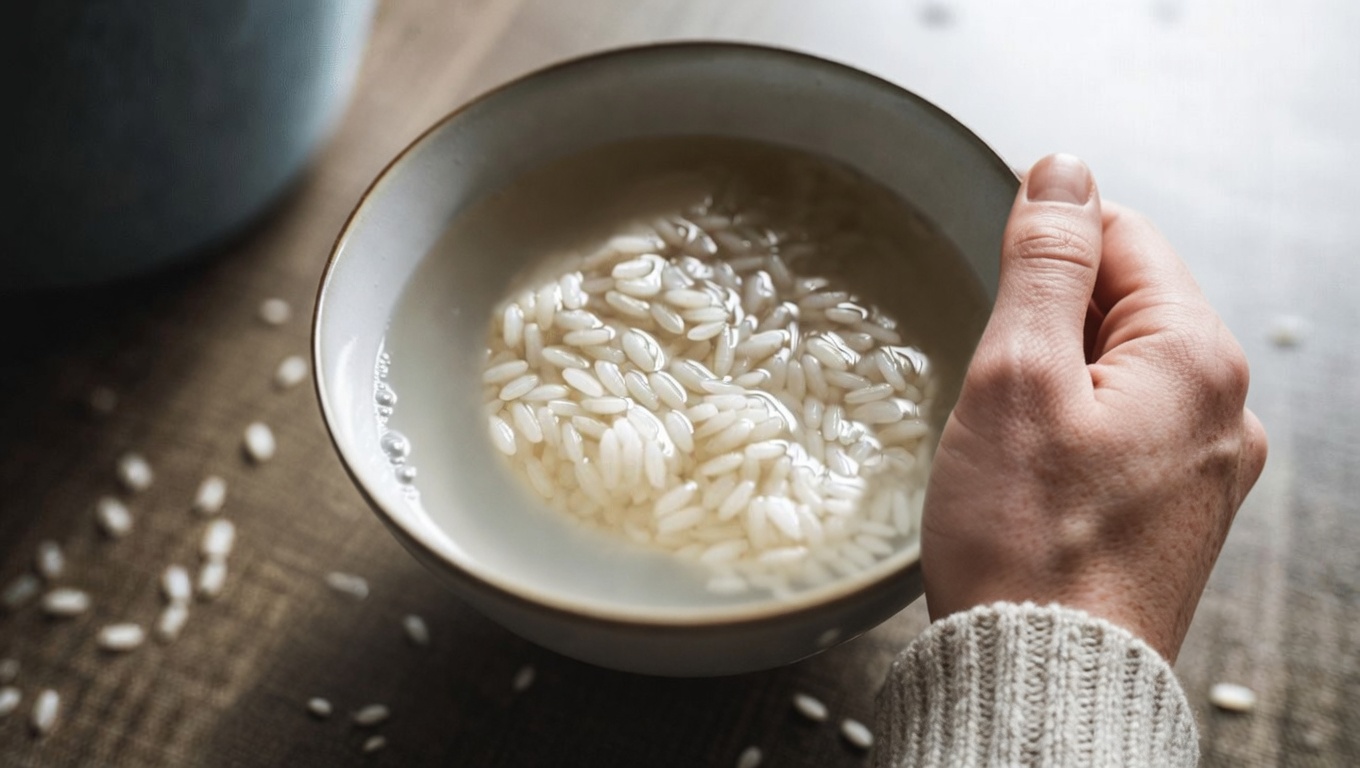
- Rinse 1/2 cup of rice, then discard the first rinse water (this helps remove impurities).
- Add 2–3 cups of fresh water and soak for 30 minutes.
- Strain the liquid into a clean bowl or bottle—this is your rice water.
How to use it for hair
- After shampooing, pour rice water over your hair.
- Leave it on for 5–20 minutes.
- Rinse thoroughly with water.
How to use it for skin
- After cleansing, apply with a cotton pad as a light toner.
- Avoid layering too many new products at once if you’re testing sensitivity.
Safety tips
- Do a patch test first (especially for sensitive skin/scalp).
- Store in the refrigerator and use within up to one week.
- Stop if you notice itching, burning, or irritation.
Plain vs. Fermented Rice Water: Which Should You Choose?
-
Plain rice water
- Soak time: ~30 minutes
- Scent: neutral to mild
- Strength: gentler
- Best for: beginners or sensitive users
-
Fermented rice water
- Rest time: 24–48 hours at room temperature (then strain)
- Scent: tangy/sour
- Strength: often reported as “more noticeable”
- Best for: experienced users who tolerate it well
- Tip: dilute if it feels too strong
Why This Simple Routine Can Be Worth Trying
Rice water is not about instant transformation—it’s about adding a gentle, affordable, kitchen-based step that may improve the way hair and skin feel over time. If you’re looking for subtle softness, better manageability, or a refreshed complexion, it can be a practical experiment.
Surprising preparation tip: add one drop of essential oil (optional) to improve the scent without overpowering the rinse. Keep it minimal to reduce the risk of irritation—especially on facial skin.
Frequently Asked Questions
What’s the best way to store rice water?
Keep rice water in a sealed container in the refrigerator and use it within up to a week. If using fermented rice water, discard it if it develops an “off” smell or you’re unsure about freshness.
Can rice water work for all hair types?
Many hair types can tolerate it, but results vary. If you have a sensitive scalp, start with diluted rice water and use it less frequently while monitoring your reaction.
How often should rice water be used for skin care?
A common starting point is 1–2 times per week as a toner. Adjust based on how your skin responds and whether you notice dryness or buildup.
Medical Disclaimer
This article is for informational purposes only and does not replace professional medical advice. For personalized guidance—especially with skin or scalp conditions—consult a qualified healthcare provider.