Pumpkin Seeds: The Underrated Superfood You Shouldn’t Ignore
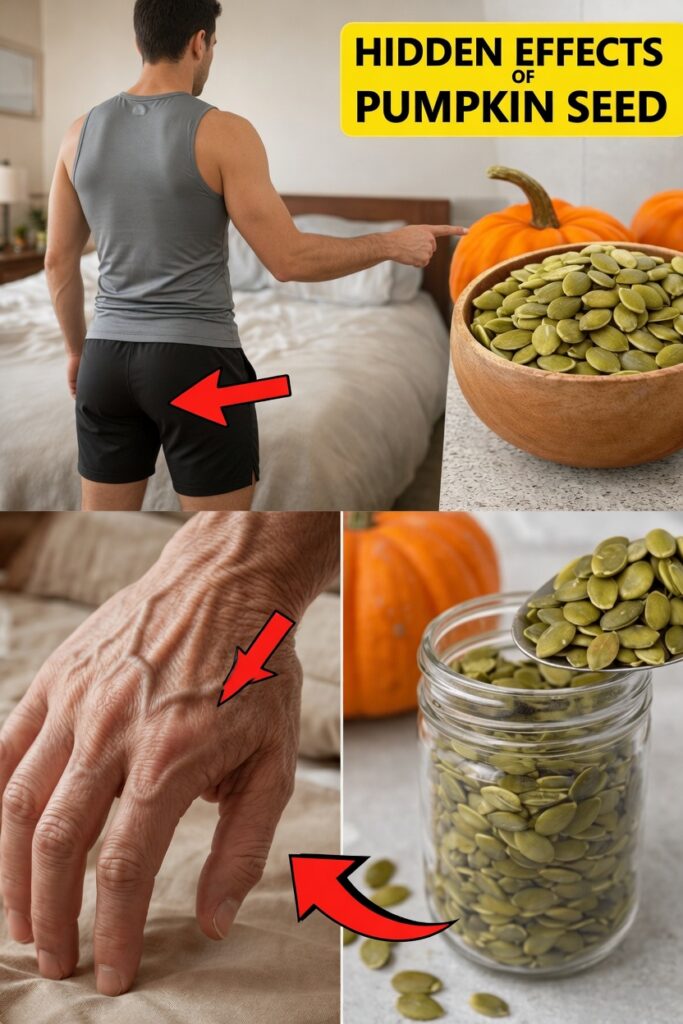
Many “healthy foods” get all the attention, but pumpkin seeds (pepitas) are often overlooked. For some people, they’re simply a crunchy snack for movie night. In reality, pumpkin seeds can support multiple areas of wellness—from heart function to sleep quality—when used consistently and correctly.
If you’ve ever wondered how to eat pumpkin seeds for the best health benefits, the guide below breaks it down with practical, everyday ideas.
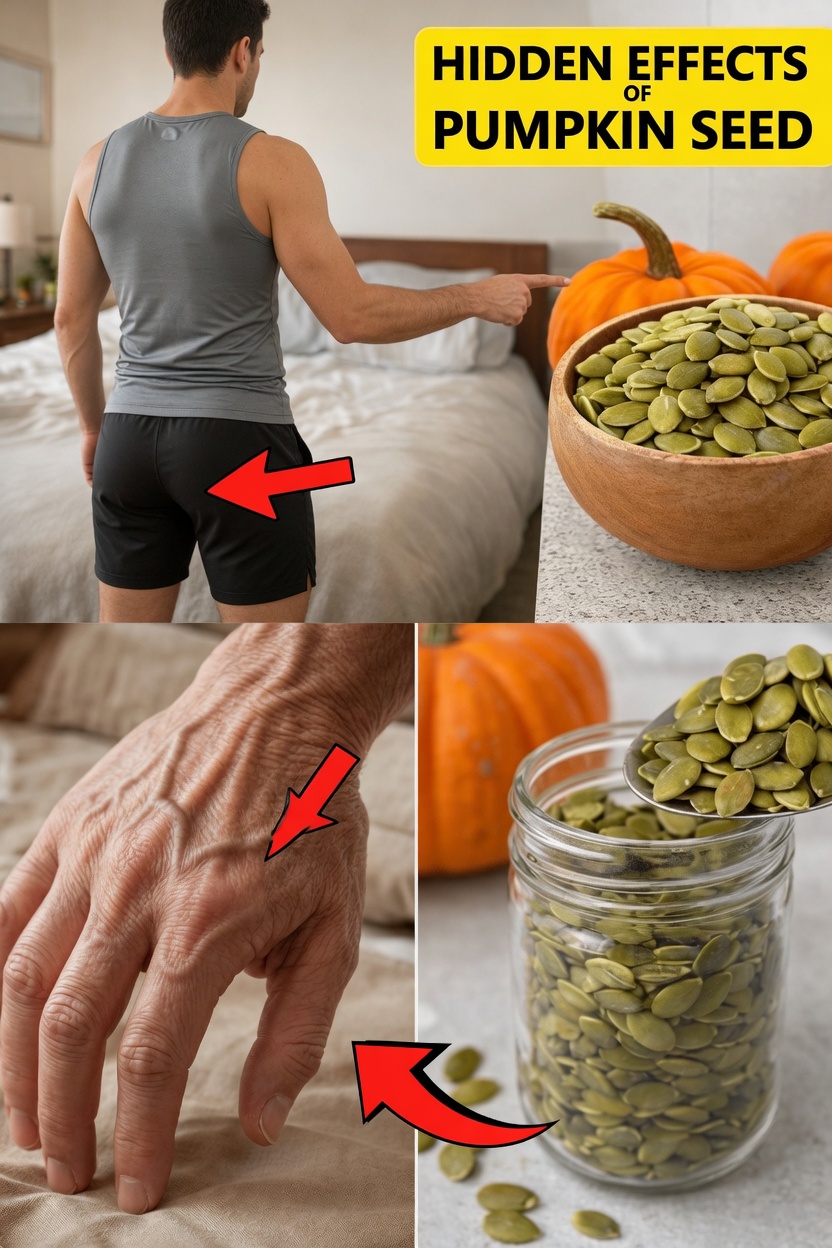
Pumpkin Seeds — Powerful, Nutrient-Dense Health Benefits
Pumpkin seeds are small, but nutritionally impressive. They deliver a concentrated mix of vitamins, minerals, healthy fats, plant protein, and antioxidants, which makes them especially valuable for older adults and anyone aiming to improve overall health.
Key benefits of pumpkin seeds include:
- Heart health support: Pumpkin seeds are a strong source of magnesium, a mineral closely linked to healthy cardiovascular function.
- Prostate support: Research suggests pumpkin seeds may help support prostate health and may be associated with a lower risk of prostate-related issues, particularly in older men.
- Blood sugar management: Because they have a low glycemic impact, pumpkin seeds can be a smart option for people focused on balancing glucose levels.
- Better sleep quality: Pumpkin seeds contain tryptophan, an amino acid involved in producing serotonin and melatonin, which can support more restful sleep.
Pumpkin Seeds for Urinary and Prostate Health
One standout area where pumpkin seeds shine is urinary health, especially for men over 50. Studies indicate that pumpkin seed oil may help ease symptoms related to benign prostatic hyperplasia (BPH), a common age-related prostate enlargement that can affect urinary comfort and flow.
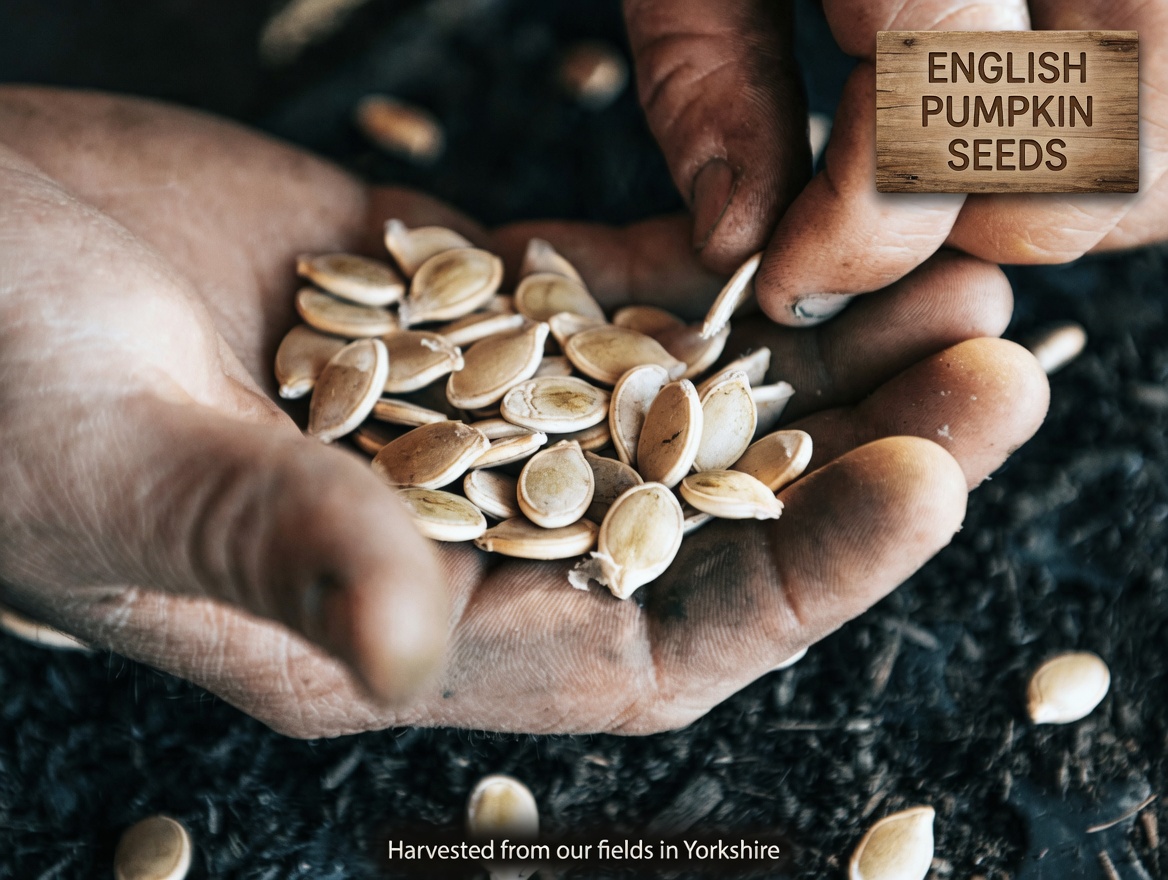
How to Use Pumpkin Seeds Effectively (Simple, Practical Methods)
To get the most from pumpkin seeds, consistency matters more than complexity. Here are easy ways to include them in your routine:
- Eat them as-is: Enjoy raw or roasted pumpkin seeds as a nutrient-rich snack between meals.
- Upgrade your breakfast: Add a tablespoon to oatmeal, yogurt, smoothies, or salads for extra fiber, crunch, and plant protein.
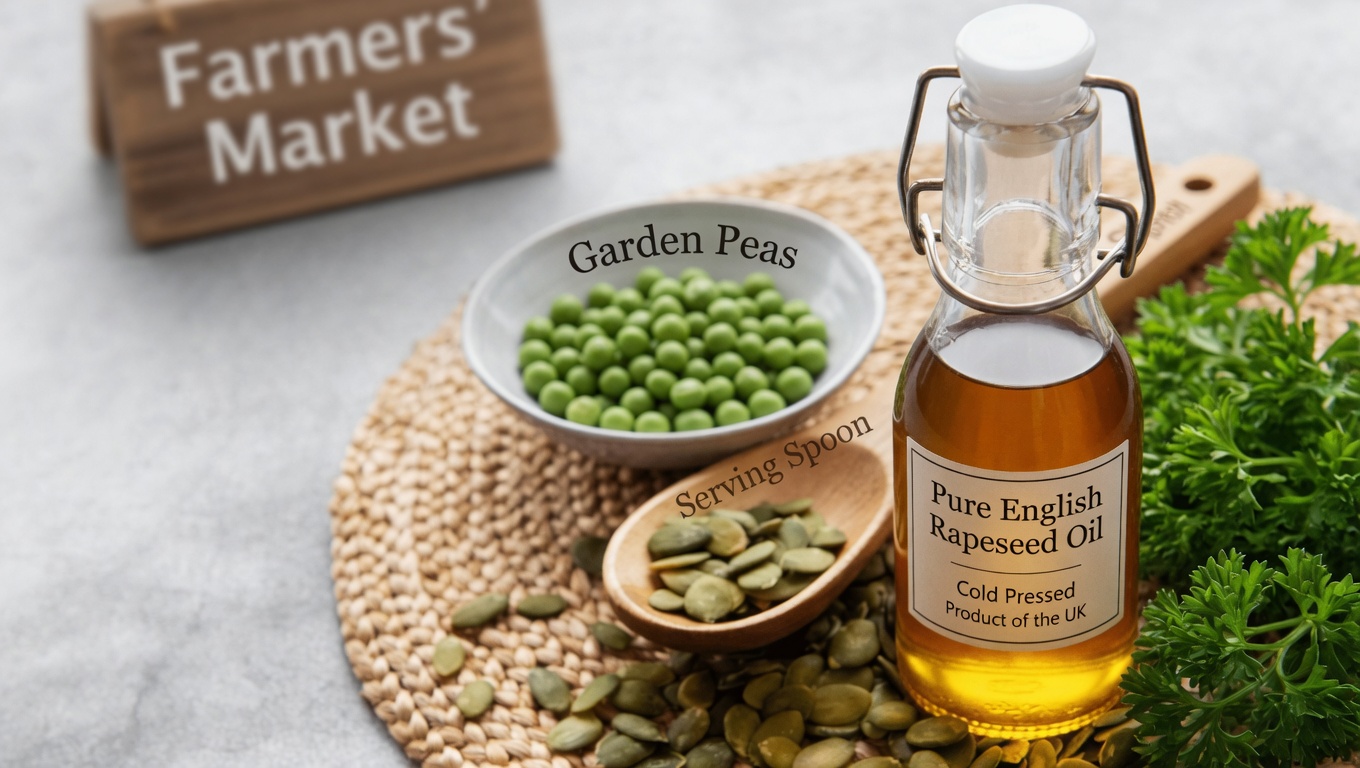
- Use pumpkin seed oil: Drizzle it over salads or use it in meals where a flavorful, healthy fat fits well (especially as a finishing oil).
Unexpected Benefits of Pumpkin Seeds You May Not Know
Improve Mood and Help Manage Stress
Pumpkin seeds provide zinc, a mineral that plays a role in brain and emotional health. Evidence links low zinc levels with a higher risk of low mood, anxiety, and depressive symptoms. Including zinc-rich foods like pumpkin seeds may support emotional balance and stress resilience.
Strengthen Immune Defenses
With vitamin E and antioxidant compounds, pumpkin seeds can help support immune function and protect cells from oxidative stress. During colder months, adding pumpkin seeds regularly may help your body stay more resilient against common seasonal illnesses.
Pumpkin Seeds Benefits for Women
Pumpkin seeds aren’t only helpful for men. For women, they can be a useful addition to a wellness-focused diet—particularly for:
- Bone health support: Pumpkin seeds provide minerals that contribute to strong bones.
- Menopause support: Their nutrient profile may help support overall well-being during hormonal transitions.
Actionable Tips: Increase Your Daily Pumpkin Seed Intake
If you want to eat more pumpkin seeds without feeling like you’re forcing a “health habit,” try these realistic options:
- Add them to your morning routine: Mix into smoothies, oatmeal, or yogurt.
- Top your salads: A quick way to add more texture, fiber, and plant protein.
- Bake with them: Use pumpkin seeds in cookies, breads, muffins, or granola.
- Try pumpkin seed oil: Use it as a salad dressing base or to finish cooked dishes with healthy fats.
Conclusion & FAQ
Summary
Pumpkin seeds are a convenient, delicious, and highly nutritious snack with broad health potential—especially for older adults. They may help support heart health, prostate and urinary comfort, blood sugar balance, and sleep quality. On top of that, they can contribute to better mood, reduced stress, stronger immune defenses, and essential mineral intake for everyday wellness.
Frequently Asked Questions (FAQ)
-
Can pumpkin seeds help with sleep?
Yes. Pumpkin seeds contain tryptophan, which helps support the production of serotonin and melatonin, potentially improving sleep quality. -
Are pumpkin seeds good for people with diabetes?
Generally, yes. Pumpkin seeds tend to have a low glycemic effect and can support a balanced diet aimed at steady blood sugar. -
Do pumpkin seeds support heart health?
Yes. They’re rich in magnesium, a key nutrient for cardiovascular function and overall heart health.
Disclaimer
This content is for informational purposes only and is not a substitute for medical advice. Always consult a qualified healthcare professional before making significant dietary changes or using new health products.