
Many adults in their 40s, 50s, and beyond begin to notice predictable shifts: an afternoon energy dip, mild brain fog after eating, or joint stiffness that seems to last longer than it used to. Often, the issue isn’t simply “getting older”—it’s that modern eating routines can keep the body in a near-constant fed state, leaving fewer opportunities for the natural cellular maintenance that supports day-to-day resilience.
Longevity research from places like Okinawa, Japan offers a compelling counterpoint. Traditional Okinawan lifestyles helped many people remain active and mentally sharp well into advanced age. The question is: can we borrow some of those eating rhythms today to support better daily well-being?

Okinawa and Longevity: What Changed Over Time?
Japan is consistently among the world’s leaders in life expectancy, and for decades Okinawa was one of its most striking examples. Studies from the 1970s reported unusually high numbers of centenarians who stayed independent, mobile, and socially engaged.
One of the most influential efforts, Dr. Makoto Suzuki’s Okinawa Centenarian Study (begun in 1975), documented patterns that repeatedly showed up among long-lived elders:
- A plant-forward diet
- Modest portions
- Mindful, consistent eating habits
Over time, however, Okinawa—like many regions—experienced a shift. After World War II, diets became more Westernized, with increased intake of:
- Refined grains
- Added fats
- Processed foods
Research suggests these newer patterns correlate with less favorable metabolic outcomes in younger generations compared with the older, traditional approach. That contrast leads to an important practical takeaway: some older Okinawan habits may still be useful, even in a modern lifestyle.
Autophagy: The Body’s Built-In Cellular “Cleanup”
A major piece of the science puzzle is autophagy, a natural process in which the body breaks down and recycles damaged or unnecessary cellular components. In the 1990s, Japanese scientist Dr. Yoshinori Ohsumi clarified key mechanisms behind autophagy—work that later earned him the 2016 Nobel Prize in Physiology or Medicine.
Why it matters for everyday vitality:
- Autophagy helps reduce cellular “clutter” that accumulates over time.
- It supports metabolic balance and the body’s ability to handle stress.
- It tends to increase during periods of lower nutrient availability, such as between meals or overnight.
When eating is nearly continuous—frequent snacks, late dinners, constant grazing—the body may have fewer chances to shift into these maintenance modes. In contrast, intentional breaks between meals can create space for renewal. Interestingly, many Okinawan elders practiced this naturally through modest portions and earlier meal timing.
Hara Hachi Bu: Stop at 80% Full
One of the best-known Okinawan principles is hara hachi bu, often translated as “eat until you’re about 80% full.” Rather than strict calorie counting, it’s a habit of portion awareness and mindful stopping before heaviness or overfullness sets in.
Longevity researchers have linked this pattern with:
- Better digestive comfort
- More stable energy
- Reduced tendency to overeat
Dr. Suzuki’s observations indicated that many centenarians maintained this behavior over a lifetime—suggesting that small, consistent restraint may support long-term function.
A simple way to try it:
- During your next meal, slow down and check in halfway through.
- Ask: “Am I satisfied enough to stop soon?”
- Aim to finish feeling light and comfortable, not “stuffed.”
Meal Timing: Build a Longer Overnight Break
Traditional Okinawan routines often included lighter meals earlier and finishing food intake by evening. Without calling it “fasting,” this created a natural overnight food-free window, commonly around 12–16 hours.
Modern research into intermittent fasting-style schedules suggests these overnight breaks may support:
- Digestive rest
- Metabolic flexibility
- Improved alignment with sleep-related recovery processes
A frequently cited example is Dr. Shigeaki Hinohara, a Japanese physician who remained professionally active late into life and lived to 105. His rhythm emphasized modest daytime meals and avoiding late-night eating—similar in spirit to traditional Okinawan timing.
If you want to try this comfortably:
- Start by moving dinner earlier.
- Delay breakfast slightly (even by 30–60 minutes).
- Let your body adapt gradually rather than forcing drastic changes.
Traditional Okinawan Foods That Support Daily Vitality
Classic Okinawan eating patterns were nutrient-dense and strongly plant-based, emphasizing foods that deliver steady energy and a wide range of protective compounds.
Notable staples include:
- Purple sweet potatoes: historically a key carbohydrate source; rich in fiber and antioxidants such as anthocyanins.
- Bitter melon (goya): commonly used in stir-fries; associated with supporting healthy glucose balance.
- Seaweeds: frequent in soups and side dishes; provide minerals and unique polysaccharides.
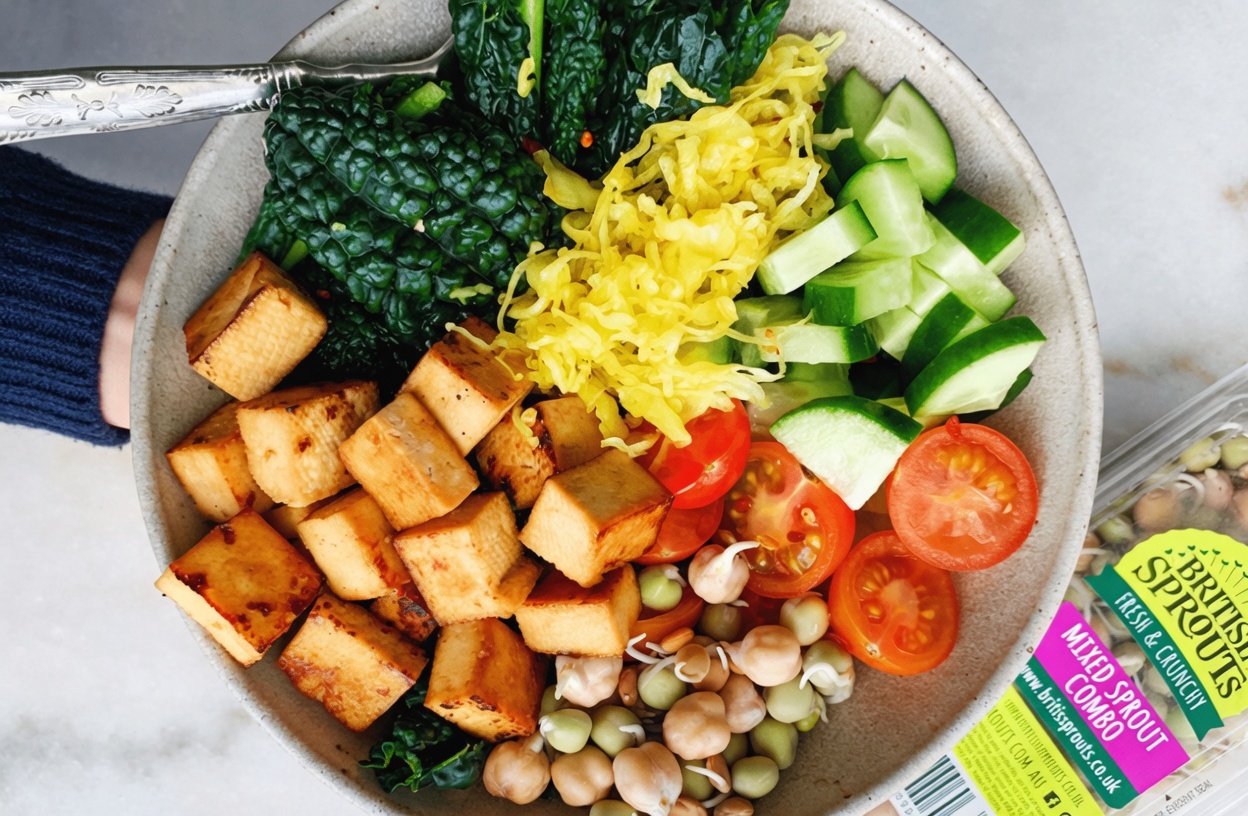
- Tofu and other soy foods: major protein sources in many meals.
- Green tea: consumed throughout the day for its polyphenol content.
Together with hara hachi bu and earlier meal timing, these foods create a pattern that is typically:
- Lower-glycemic than refined-grain-heavy diets
- High in plant variety
- Supportive of steadier energy
Additional practical cues inspired by the traditional approach:
- Choose whole-food carbs (like sweet potatoes) more often than refined grains
- Prioritize colorful vegetables daily for broader antioxidant intake
- Keep animal proteins modest (when included), often fish or lean options
- Use tea or warm drinks to reduce mindless snacking

A Gentle 4-Week Okinawan-Inspired Starter Plan
If you want to experiment without extreme rules, this step-by-step approach builds habits progressively. Go slowly and adjust based on your needs.
-
Week 1: Practice Hara Hachi Bu
- Stop at about 80% full at meals.
- Eat more slowly to notice satiety signals sooner.
-
Week 2: Extend Your Overnight Break
- Aim for 12 hours without food (example: 7 p.m. to 7 a.m.).
- If it feels easy, gradually move toward 14 hours.
-
Week 3: Add a Simple Morning Ritual
- Start with a light vegetable-based juice or smoothie (e.g., carrot, apple, leafy greens).
- Include a small amount of healthy fat (like olive oil).
- Wait 20–30 minutes before eating a solid meal.
-
Week 4: Emphasize Key Okinawan Foods
- Add purple sweet potatoes, bitter melon, seaweed, tofu, and green tea regularly.
- Keep meals plant-forward and visually colorful.
With consistent practice, many people report:
- More stable afternoon energy
- Improved digestion
- A lighter feeling after meals
Modern Habits vs. Traditional Okinawan Patterns
-
Meal timing
- Modern: frequent snacking, late eating
- Traditional Okinawan: 12–16 hour overnight breaks
- Potential benefit: supports natural cellular maintenance windows
-
Fullness awareness
- Modern: eat until overly full
- Traditional Okinawan: hara hachi bu (80% full)
- Potential benefit: encourages mindful control and comfort
-
Carbohydrate sources
- Modern: refined grains, processed foods
- Traditional Okinawan: purple sweet potatoes and whole plants
- Potential benefit: steadier energy and more protective compounds
-
Plant emphasis
- Modern: inconsistent plant intake
- Traditional Okinawan: high plant variety (often the majority of the diet)
- Potential benefit: broader micronutrient and antioxidant support
Why Okinawan Rhythms Matter More Than Strict Rules
The enduring lesson from Okinawan centenarians isn’t harsh restriction—it’s alignment with natural cycles:
- Eat nourishing, plant-rich foods
- Stop before overeating
- Finish eating earlier
- Allow the body real overnight rest
- Stay active through daily life
These are flexible habits, not perfectionist rules. Even one change—like practicing hara hachi bu or ending dinner earlier—can be a meaningful first step.
Frequently Asked Questions
How long should an overnight fast be to notice benefits?
For many people, 12 hours is a gentle and realistic starting point. Some research suggests 14–16 hours may further support cellular processes, but the best schedule is one you can maintain safely and consistently. If you’re unsure, consult a healthcare professional.
Can I do this if I have a medical condition?
If you have diabetes, a history of low blood sugar, take medications, or have other medical concerns, talk with your clinician before changing meal timing or intake patterns.
Do I need Okinawan specialty foods to begin?
No. Start with the fundamentals: meal timing and fullness awareness. Then gradually incorporate accessible options like sweet potatoes, leafy greens, tofu, and green tea available in most grocery stores.
Medical Disclaimer
This article is for informational purposes only and does not provide medical advice. Speak with a qualified healthcare provider before making dietary changes, especially if you have existing health conditions or concerns.