Baking Soda: A Simple, Budget-Friendly Upgrade for Your Daily Self-Care
Baking soda is usually seen as a baking staple or a quick fix for refrigerator smells—but it can do far more. Many women deal with stubborn body odor even after trying pricey deodorants, rough skin that won’t smooth out, or hair that looks flat and dull from product buildup. These everyday issues can quietly affect confidence and make personal care feel like another chore—especially when “fast solutions” end up causing irritation or disappointing results.
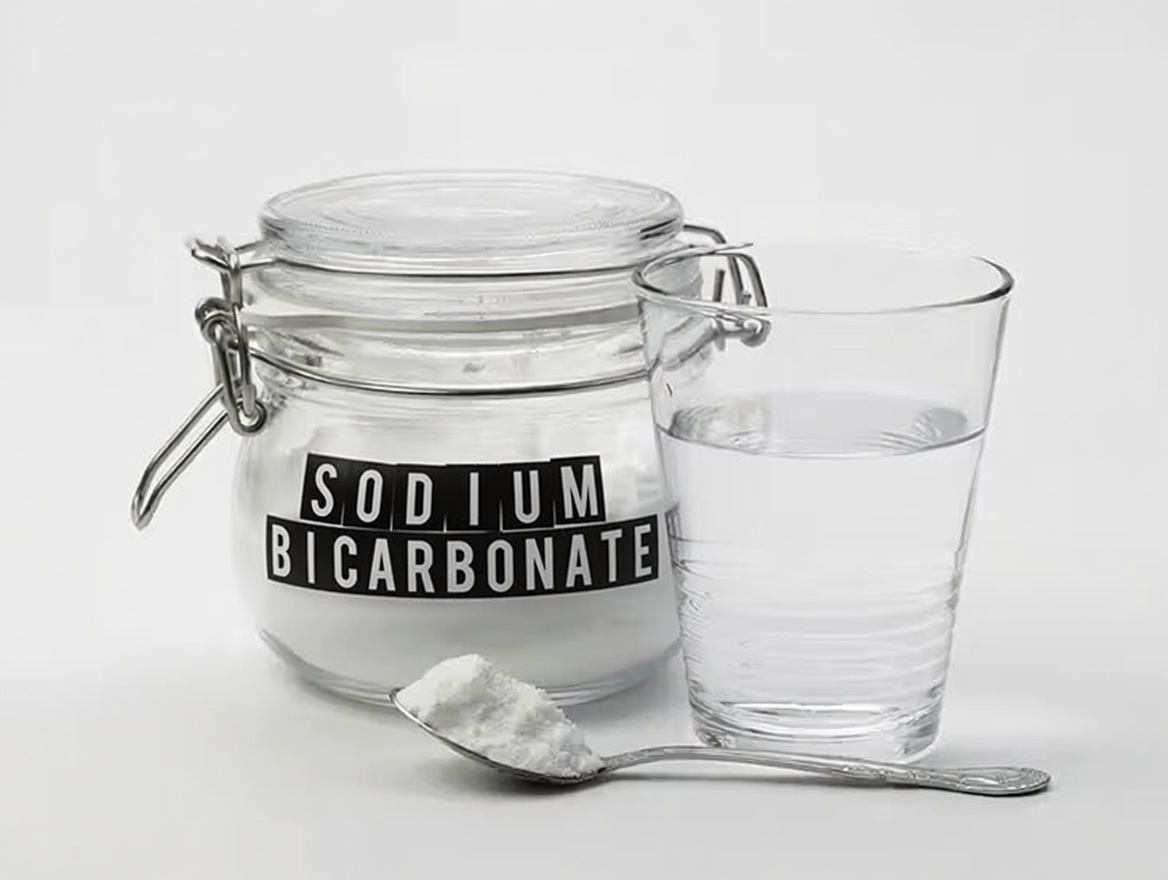
The upside is that an inexpensive ingredient like baking soda (sodium bicarbonate) may offer a more minimal, gentle approach for several common concerns. Information commonly referenced by sources such as Healthline and WebMD highlights its potential to neutralize odors, exfoliate mildly, and calm minor skin irritation when used carefully. Below are practical ways to use baking soda in your routine—plus safety guidance to help you use it responsibly.
Why Baking Soda Can Make Self-Care Easier
Baking soda has been used in households for decades because it’s highly versatile. Its alkaline properties help neutralize acids, which is one reason it appears in some deodorants and skincare formulas. In small amounts, it can also act as a light exfoliant and a clarifying helper, lifting dead skin cells or residue from hair and skin without relying on stronger chemicals.
That said, it’s important to use moderation. Baking soda’s pH is about 9, while healthy skin is naturally slightly acidic. Using too much—or using it too often—may lead to dryness, sensitivity, or irritation. The safest approach is to start small and adjust based on how your skin responds.
1) Natural Odor Control for Underarms and Beyond
Body odor can be one of the most annoying self-care concerns—especially when you need to feel fresh all day. Baking soda can help by neutralizing odor-causing compounds and bacteria, which explains why it’s commonly used in deodorant formulations.
You can apply a tiny amount directly or make a simple paste for easier, more even application. Many people find this helpful when standard deodorants sting or cause redness.
How to try it (step-by-step)
- Mix 1/4 teaspoon baking soda with a few drops of water to form a paste.
- Apply a thin layer to clean, dry underarms.
- Let it dry fully before getting dressed.
- Patch test first: apply to your inner arm for 48 hours before using on underarms.
- Reapply only as needed—and stop if burning, redness, or itching occurs.
2) Quick Comfort for Minor Skin Irritation
Small irritations—like itchy bug bites, mild rashes, or post-shave discomfort—can be distracting and hard to ignore. Baking soda has a long history of use as a soothing topical ingredient for minor itchiness.
WebMD notes that baking soda is commonly used to help reduce discomfort from insect bites, mild skin irritation, and similar issues. A brief application is usually better than leaving it on for long periods.
How to use it
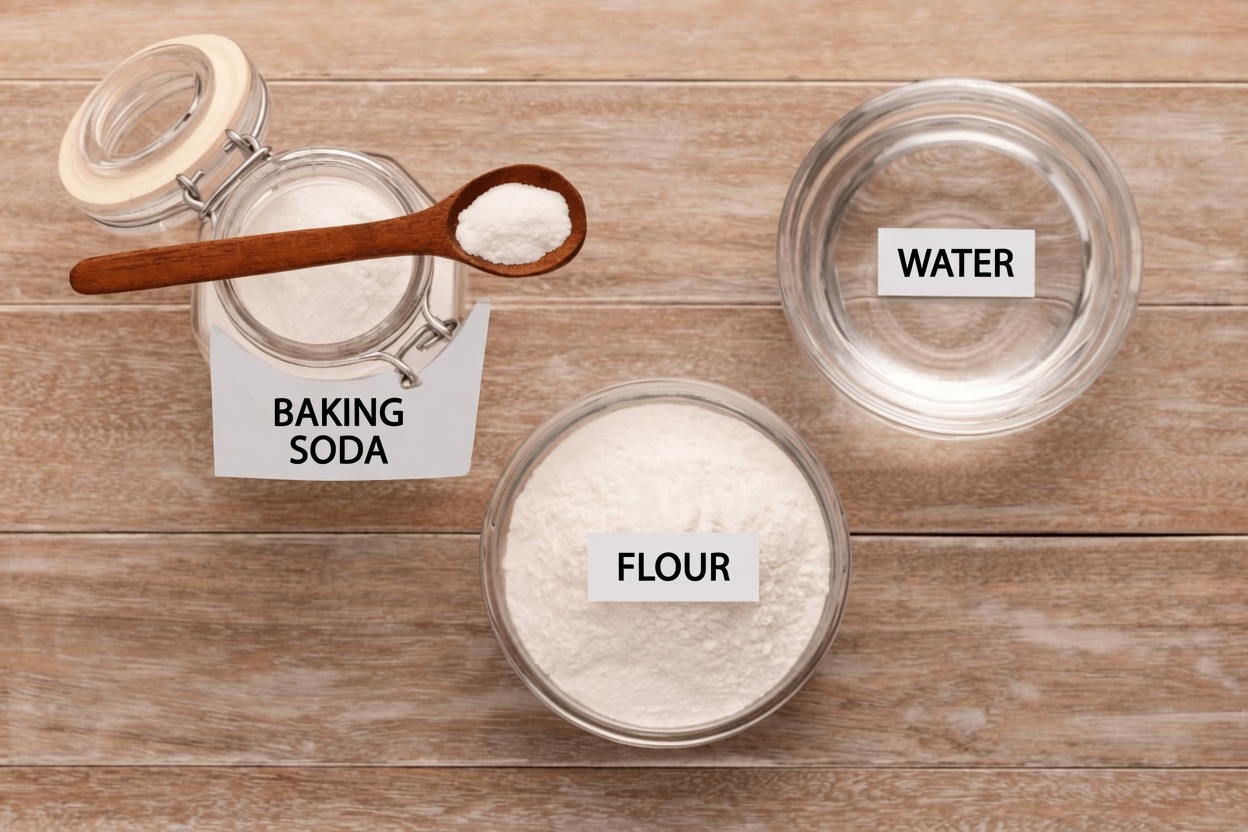
- Combine 3 parts baking soda with 1 part water to make a paste.
- Apply to the irritated area briefly, then rinse thoroughly.
- For more widespread irritation, add 1/4 to 1/2 cup baking soda to a warm bath and soak.
3) Gentle Exfoliation for Smoother Skin
Hands, feet, elbows, and other areas can become rough from daily friction, dry weather, or long hours on your feet. Because baking soda is mildly abrasive, it can work as a simple exfoliating scrub to help remove dead skin buildup.
How to use it as a scrub
- Mix baking soda with water, honey, or a gentle oil to create a paste.
- Massage lightly in small circular motions (avoid aggressive scrubbing).
- Rinse well and apply moisturizer afterward to help prevent dryness.
Used occasionally, this can help skin feel noticeably softer and more even.
4) Occasional Teeth Polishing for Surface Stains
If coffee, tea, or everyday foods leave your teeth looking dull, baking soda may help polish away surface stains without bleach-based products. However, because it can be abrasive, overuse may contribute to enamel wear—so frequency matters.
How to use for mild brightening
- Dip a wet toothbrush into baking soda or mix a small amount with your toothpaste.
- Brush gently no more than once per week.
- Avoid heavy pressure, and stop if sensitivity increases.
More Practical Baking Soda Uses in Everyday Routines
Beyond deodorizing and exfoliating, baking soda can support several other personal-care and hygiene tasks. Here are additional easy options:
- Hair clarifier: Add 1 teaspoon to shampoo to help reduce product buildup (about every two weeks).
- Foot freshener: Sprinkle into shoes to reduce odor, or add to a foot soak for a fresher feel.
- Post-shave calming paste: Apply a cool, thin paste briefly, then rinse.
- Makeup brush refresh: Soak brushes in a baking soda-water mixture to loosen residue, then rinse and dry thoroughly.
- Bath add-in: Add 1/4–1/2 cup to a warm bath for a skin-softening soak.
These swaps can reduce reliance on heavily fragranced products and keep your routine simpler and more affordable.
Quick Reference Table: Common Uses, Benefits, and Frequency
- Body odor: Underarm paste — helps neutralize odor — as tolerated, monitor skin
- Itchy skin: Bath soak or paste — helps soothe minor irritation — occasionally, as needed
- Oily hair buildup: Add to shampoo — helps remove residue — 1–2 times per month
- Rough skin: Gentle scrub — smoother feel — weekly or less
- Surface tooth stains: Brush add-in — mild polishing — max once per week
- Foot odor: Soak or shoe sprinkle — naturally freshens — as needed
Safety Tips: Use Baking Soda With Confidence
Baking soda is often well tolerated when used in small amounts, but its alkaline pH can be drying—especially with frequent use. To reduce risk:
- Patch test first before applying to underarms, face, or sensitive skin.
- Avoid daily use on the face, teeth, or any easily irritated area.
- Do not use on open wounds.
- Avoid use on intimate areas unless a clinician specifically advises it.
- If you have very sensitive skin or ongoing issues, consult a dermatologist or healthcare professional before regular use.
Frequently Asked Questions
Is baking soda safe for sensitive skin?
Sometimes, but not always. Because it’s alkaline, it may calm some people yet irritate others. Patch testing and minimal use are essential.
How often should I use baking soda to brighten teeth?
Most guidance recommends no more than once a week. More frequent use increases the chance of enamel wear and sensitivity.
Can baking soda replace commercial personal-care products?
It can complement your routine, but it won’t replace essentials like fluoride toothpaste or targeted skincare ingredients designed for specific conditions.
Final Thoughts: Simple, Intentional Self-Care With Baking Soda
Baking soda can be a surprisingly effective addition to a low-fuss self-care routine—helping with odor control, minor irritation relief, gentle exfoliation, and occasional clarifying. The key is to use it thoughtfully: start with one method, use small amounts, and pay attention to how your skin and teeth respond.
Disclaimer: This content is for informational purposes only and does not provide medical advice. Baking soda may cause irritation or dryness if overused. Always patch test, use sparingly, and consult a qualified healthcare professional for persistent concerns involving skin, teeth, or health conditions.