
Receiving lab results that show creatinine trending upward can be stressful—especially when the conversation shifts to symptom management and long-term kidney care. Many people in this situation immediately wonder what they can change day to day, particularly around diet and routine habits. Medical guidance should always come first, but choosing nutrient-dense foods may offer supportive benefits alongside your treatment plan. Stay to the end for a simple, practical meal plan that pulls everything together in a realistic way.
Creatinine and Kidney Health: What You Need to Know
Creatinine is a natural waste product created when your muscles use energy. Healthy kidneys filter it out through urine. When blood creatinine rises, it often suggests the kidneys are under strain or filtering less effectively.
Diet and lifestyle can influence overall kidney wellness. Organizations such as the Mayo Clinic frequently highlight the importance of anti-inflammatory, antioxidant-rich foods to support the body’s balance and help manage oxidative stress—a process that can impact kidney function over time.

Still, it’s essential to be clear: no single food lowers creatinine overnight, and dietary changes should never replace clinical care. Always review nutrition changes with your nephrologist, doctor, or renal dietitian—especially if you have CKD, diabetes, or are on medication.
Why “Superfoods” Matter for Kidney Support
“Superfoods” can be an overused term, but the idea is simple: these are foods with high nutrient density and beneficial compounds. For kidney-friendly eating, the best choices are often:
- Lower in potassium and phosphorus (when needed for your stage of kidney disease)
- Rich in antioxidants and anti-inflammatory compounds
- Helpful for building satisfying meals without excessive sodium
General nephrology nutrition research suggests patterns emphasizing fruits, vegetables, and healthy fats may help support renal health markers. A review in the Journal of Renal Nutrition also notes that many plant-forward choices can support toxin handling while avoiding heavy mineral loads—when selected appropriately.
Below are 12 kidney-supportive foods and beverages that are widely discussed in observational research and clinical nutrition guidance.
12 Kidney-Friendly Superfoods to Consider
12) Red Bell Peppers (High Vitamin C, Lower Potassium)
Red bell peppers provide strong antioxidant support—especially vitamin C—while remaining relatively kidney-friendly in potassium compared with many other vegetables.
Some studies (including research referenced from Singapore) associate regular intake of vitamin C–rich produce with improved oxidative stress markers. Practical ways to use them include:
- Raw slices in salads
- Roasted strips as a side dish
- Added to wraps or grain bowls (if allowed in your plan)
11) Blueberries (Anthocyanins for Inflammation Support)
Blueberries are known for anthocyanins, plant compounds linked to anti-inflammatory and antioxidant activity. An Iranian study observed favorable changes in certain inflammation markers when blueberries were included regularly.
Easy options:
- Add to yogurt (choose low-phosphorus options if needed)
- Blend into smoothies
- Use frozen blueberries for convenience year-round
10) Cabbage (Budget-Friendly and Nutrient Dense)
Cabbage contains beneficial plant compounds, including sulfur-containing nutrients often associated with the body’s detox pathways. Research from China has explored potential improvements in kidney-related parameters with consistent intake patterns.
How to use it:
- Lightly steam to keep texture and nutrients
- Make a simple slaw (watch salt and sugar)
- Add to soups (mind sodium content)

9) Cauliflower (A Smart Swap for Higher-Potassium Sides)
Cauliflower is popular in kidney-friendly meal planning because it can replace higher-potassium foods like potatoes. It also delivers fiber and vitamins without overloading minerals as easily.
Try it as:
- Mashed cauliflower
- Cauliflower “rice”
- Roasted florets with herbs (instead of heavy seasoning mixes)
8) Apples (Pectin Fiber for Digestive Support)
Apples contain pectin, a soluble fiber that may support digestion and waste elimination—an indirect but meaningful part of wellness for many kidney patients.
UK-based research has linked apple intake patterns with beneficial shifts in certain blood markers. For the most fiber:
- Eat the apple with the skin (when appropriate and well washed)
- Use as a snack to curb sugary cravings
7) Cranberries (Supportive for Urinary Tract Health)
Cranberries are often discussed for urinary tract support because they may help reduce bacterial adhesion. Italian studies have explored these protective effects.
Best practices:
- Choose unsweetened cranberry products when possible
- Add dried cranberries sparingly (they’re often sugar-sweetened)
- Use unsweetened cranberry as a base for sauces or diluted drinks
6) Egg Whites (High-Quality Protein, Lower Phosphorus)
Egg whites are a common renal nutrition staple: they deliver complete protein with less phosphorus than many other animal proteins.
Simple uses:
- Egg white omelets
- Scrambles with kidney-friendly vegetables
- Baking swaps (using egg whites instead of whole eggs where possible)
5) Onions (Quercetin and Heart-Vessel Support)
Onions contain quercetin, an antioxidant often studied for vascular and inflammatory benefits. Korean research has associated onion intake with improvements in blood pressure markers in certain populations—important because blood pressure and kidney health are closely linked.
Use onions:
- Sautéed for flavor without excess salt
- Raw in salads and salsas (if tolerated)
4) Garlic (Allicin and Circulation Support)
Garlic is valued for allicin, a compound studied for circulation and cardiovascular support. Spanish research has examined potential benefits tied to vascular health.
For best use:
- Crush or chop garlic and let it sit briefly before cooking
- Add to stir-fries, sauces, and dressings
- Consider aged garlic extract if raw garlic is too strong (ask your clinician)
3) Extra-Virgin Olive Oil (Anti-Inflammatory Healthy Fats)
Extra-virgin olive oil is a cornerstone of Mediterranean-style eating. It provides monounsaturated fats and antioxidant compounds that may support lower inflammation compared with some other fat sources.
Practical ways to include it:
- Drizzle over cooked vegetables
- Use as the base for simple dressings
- Replace butter in many recipes
2) Wild-Caught Salmon (Omega-3 Fatty Acids)
Salmon provides omega-3s, which are often studied for inflammation and cardiovascular support—both highly relevant for kidney patients.
Norwegian nutrition data suggests that moderate portions can fit well into balanced plans without excessive burden. Aim for:
- Baked or grilled salmon
- About 1–2 times per week (or as advised for your condition)
- Sustainable sources when possible
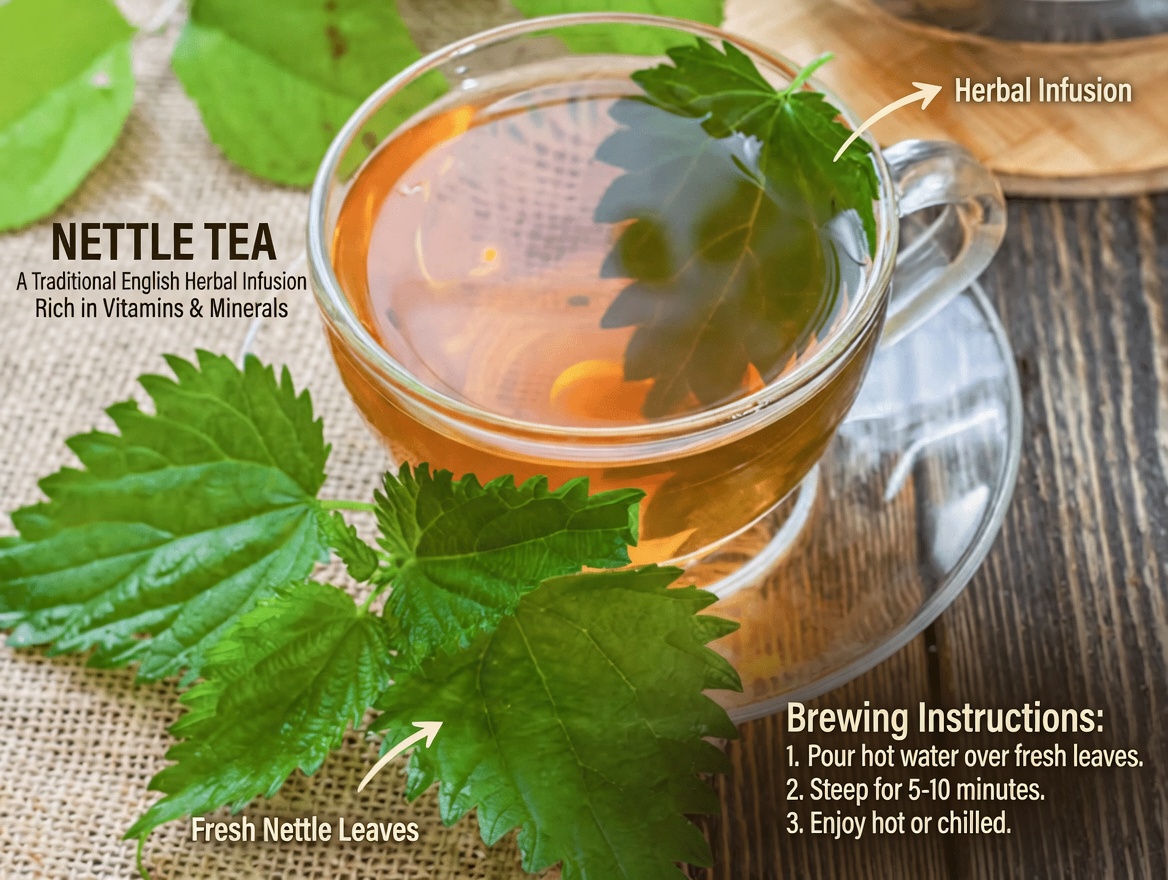
1) Nettle Leaf Tea (Traditional Herbal Hydration Support)
Nettle leaf tea is traditionally used in Europe as a gentle diuretic. Some Iranian trials have noted potential improvements in filtration-related measures, though results vary and more research is needed.
If your clinician approves:
- Brew with dried nettle leaves
- Consider up to 2 cups per day
- It’s naturally caffeine-free
Quick Nutrient Comparison (Potassium + Simple Serving Ideas)
Below is a simplified snapshot to help visualize how these foods may fit into a lower-potassium kidney diet (needs vary by person and CKD stage):
- Red bell peppers: ~211 mg potassium/100g — raw strips or roasted
- Blueberries: ~77 mg potassium/100g — 1 cup fresh or frozen
- Cabbage: ~170 mg potassium/100g — steamed or in slaw
- Apples: ~107 mg potassium/100g — 1 whole apple with skin
- Nettle tea: trace — up to 2 cups (as approved)
- Olive oil: minimal potassium — 1–4 tbsp across meals
Kidney nutrition is about overall balance, not perfection—your lab results and care team guidance should steer your exact portions.
A Practical 60-Day Kidney-Support Routine (Food-Focused)
If you want a structured approach, try this gradual plan and keep your healthcare team in the loop.
Step 1: Start with 3 Simple Additions
Choose three items you can do consistently, such as:
- Red bell peppers with lunch
- Blueberries as a snack
- Olive oil in dressings instead of creamy sauces
Step 2: Build a Repeatable Day (Sample Meal Plan)
- Breakfast: Egg white scramble with onions and garlic cooked in olive oil + half a red bell pepper
- Snack: Blueberries (about ½ cup) + one small apple
- Lunch: Cabbage salad with a small amount of cranberries + olive oil dressing
- Dinner: Cauliflower mash + steamed cabbage; salmon 1–2 nights per week
- Evening: Nettle tea (only if approved and appropriate)
Step 3: Track and Review
- Keep notes on energy, appetite, swelling, and digestion for 30 days
- Do not rely only on feelings—review changes with your clinician and lab schedule
Step 4: Rotate for Variety
- Use cauliflower rice instead of standard rice occasionally
- Swap salad bases (cabbage one day, mixed greens another if allowed)
- Change preparation styles to reduce boredom
Quick Kidney-Friendly Swaps
- Replace sugary juice with diluted unsweetened cranberry (if suitable for you)
- Use egg whites in baking more often than whole eggs
- Swap butter for extra-virgin olive oil when possible
Final Thoughts: Small Choices, Better Support
Adding these 12 kidney-friendly foods may provide supportive nutrition through antioxidants, anti-inflammatory compounds, and healthier fats—helping you build meals that feel satisfying while aligning with kidney health goals. Results differ from person to person, so the safest strategy is to combine consistent habits with professional monitoring and individualized guidance.
Frequently Asked Questions (FAQ)
What are fast ways to fit these foods into a busy schedule?
- Pre-slice peppers and cabbage on a weekend
- Keep frozen blueberries ready for smoothies
- Brew nettle tea in advance (only if approved)
Can any of these foods interfere with medications?
Yes. For example, garlic may affect blood-thinning medications in some cases. Always confirm with your doctor or pharmacist before making major dietary additions.
When might I notice changes in energy or well-being?
Some people report feeling differences within 4–6 weeks, but the most reliable way to assess impact is through follow-up labs and clinician review, not symptoms alone.
Disclaimer
This article is for informational purposes only and is not intended as medical advice, diagnosis, or treatment. Always consult a qualified healthcare professional before changing your diet, supplements, or lifestyle—especially if you have kidney disease or take prescription medications.