
Diet and Cancer Risk: 10 Research-Backed Foods to Support Your Body’s Defenses
Concern about cancer risk is widespread—especially if you have a family history of cancer or you’re getting older. It’s easy to feel like the disease is too complex to influence. Still, daily choices can support long-term health, and a nutrient-dense diet is one practical way to strengthen the body’s natural protective systems.
Major organizations such as the American Cancer Society and the American Institute for Cancer Research (AICR) consistently report that eating patterns rich in whole, minimally processed foods may help reduce cancer risk for some people. These foods tend to deliver antioxidants, fiber, and anti-inflammatory compounds—yet they work best as part of an overall healthy lifestyle, not as a single “magic fix.”
Below are 10 foods commonly supported by research for their potential role in cancer risk reduction.
Why Diet Matters for Cancer Risk Reduction
No single food can prevent cancer. However, long-term eating habits can influence key processes connected to cancer development, including oxidative stress and chronic inflammation.
Health experts encourage a diet centered on plant foods—vegetables, fruits, whole grains, and beans—because they provide vitamins, minerals, and protective plant compounds (phytochemicals). Over time, these choices can support overall health and may help lower cancer risk.
1) Berries: Antioxidant-Rich Support
Strawberries, blueberries, raspberries, and other berries are packed with antioxidants—especially anthocyanins. These compounds help counter free radicals that can damage cells.
Research suggests that eating berries regularly may be linked with a lower risk of certain cancers. They’re also one of the easiest foods to add daily—stir them into breakfast bowls or enjoy them as a snack.

2) Cruciferous Vegetables: Broccoli and Its Family
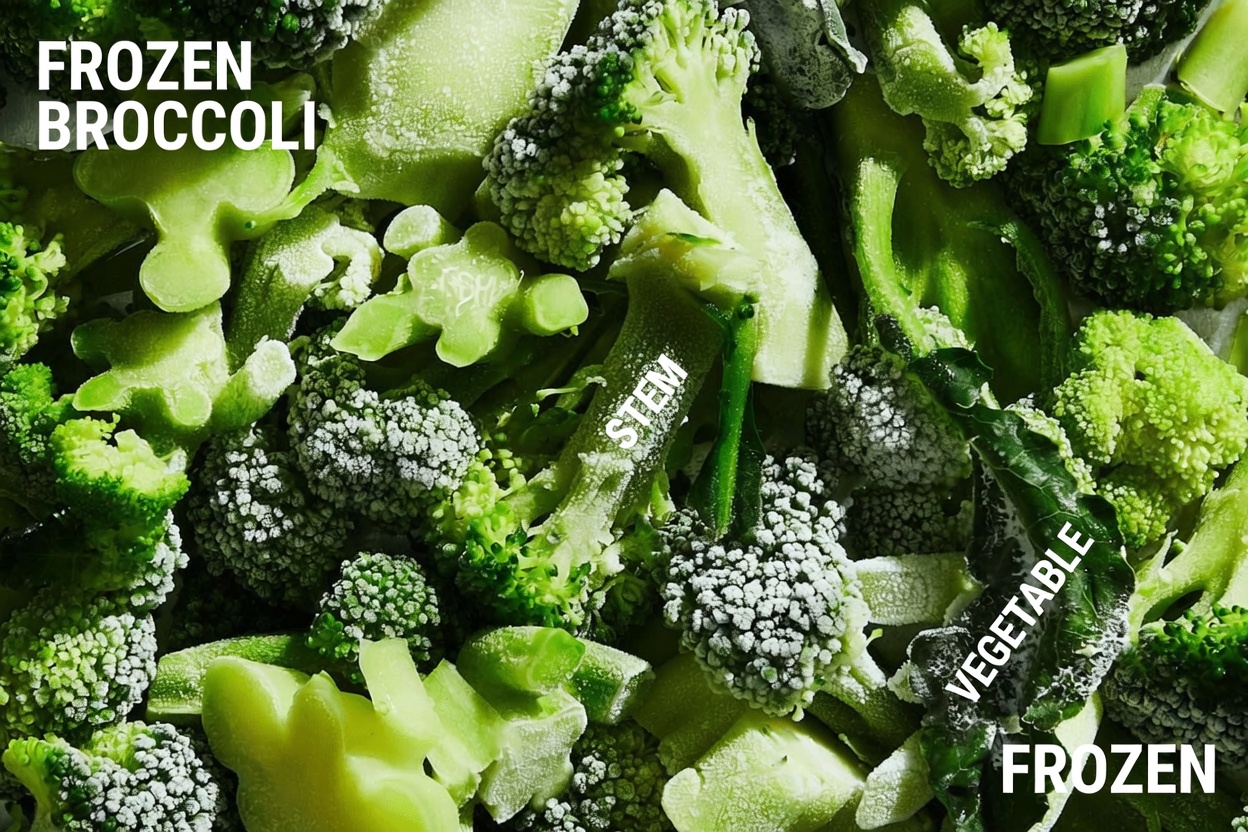
Broccoli, cauliflower, cabbage, and Brussels sprouts contain compounds such as sulforaphane and glucosinolates. Studies, including research referenced by the National Cancer Institute (NCI), indicate these may help protect cells and support natural detoxification pathways.
Population studies often associate frequent cruciferous vegetable intake with potential cancer risk reduction. A practical goal is to include them multiple times per week.
3) Garlic: Sulfur Compounds With Anti-Inflammatory Potential
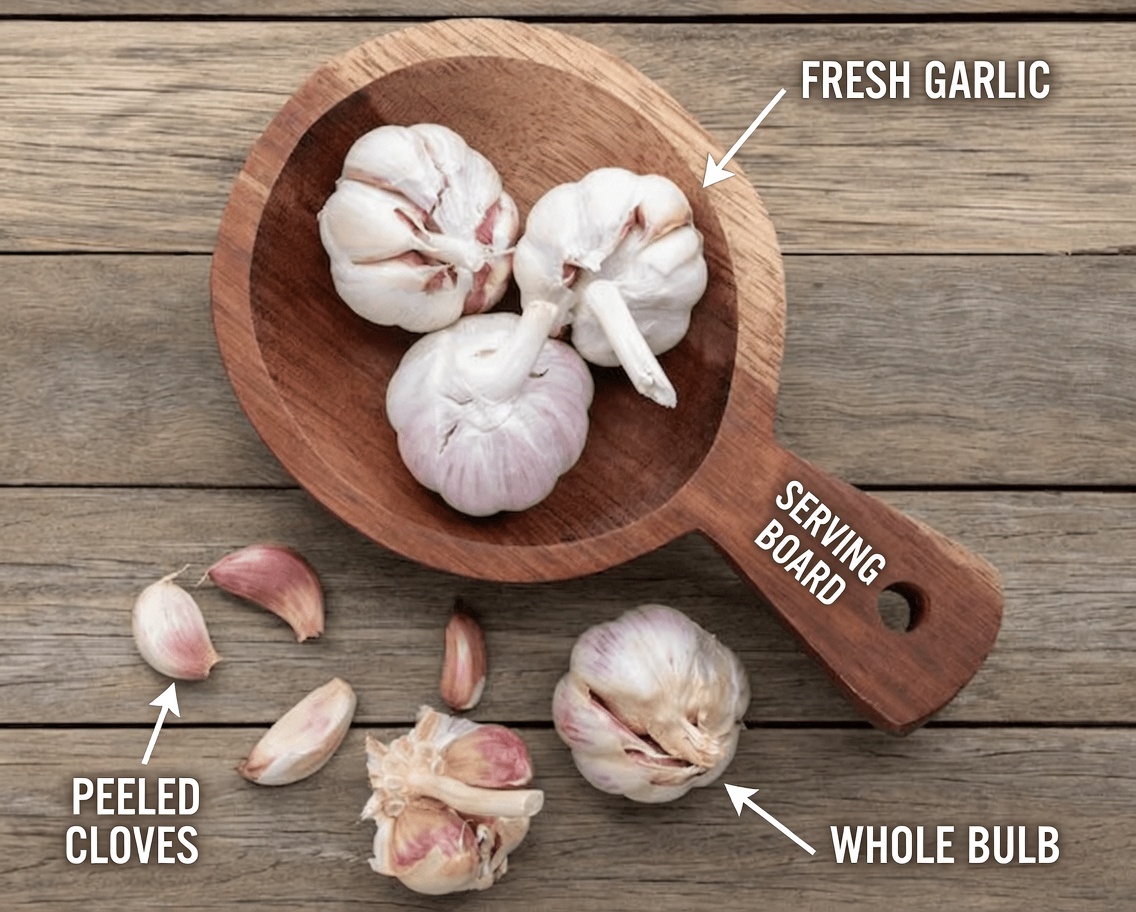
Garlic contains allicin and related sulfur-based compounds that are known for anti-inflammatory properties. Some evidence suggests garlic may support immune function and may be associated with lower risk of certain digestive cancers.
For the best impact, crush or chop garlic and let it sit briefly before cooking—this helps activate its beneficial compounds.
4) Tomatoes: A Key Source of Lycopene
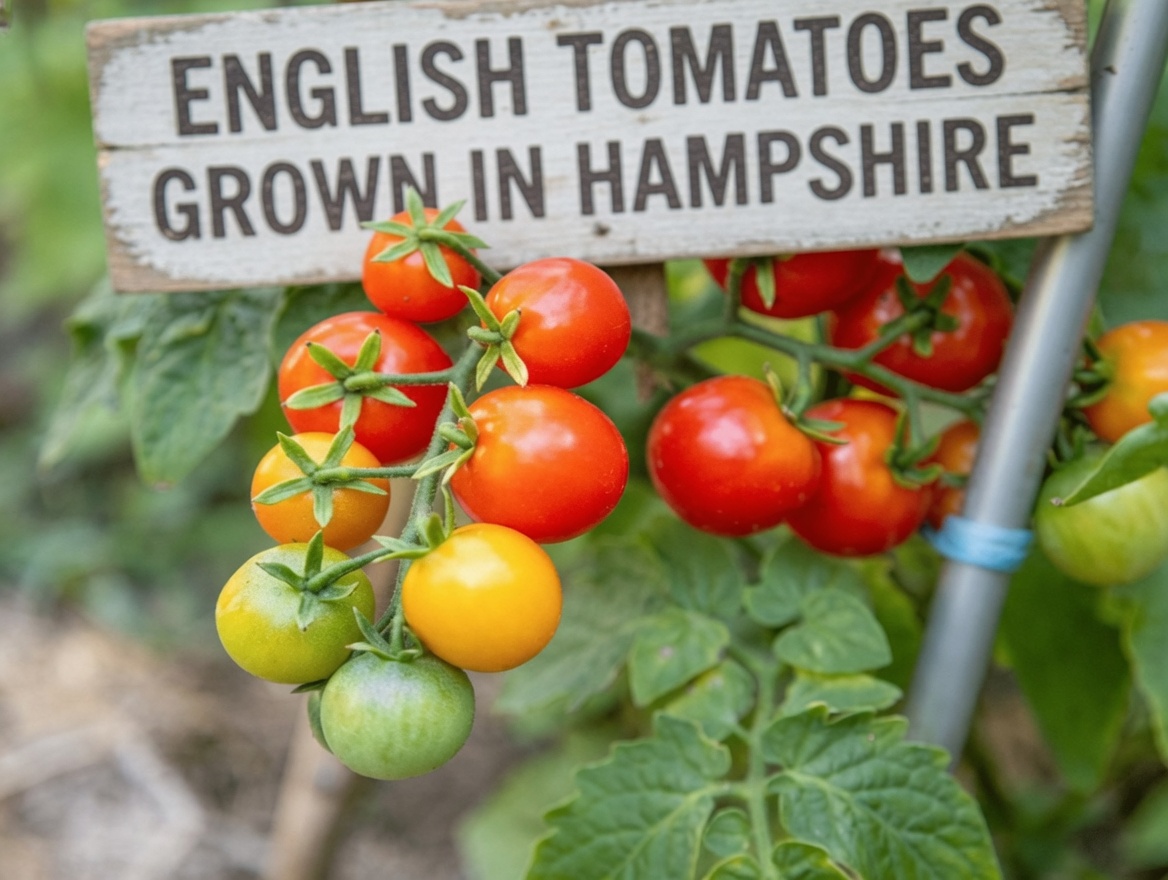
Tomatoes are well known for lycopene, an antioxidant that becomes easier for the body to use when tomatoes are cooked. Research has linked higher lycopene intake with potential benefits for prostate health, including a possible association with reduced prostate cancer risk.
Consider rotating in tomato sauce, roasted tomatoes, or soups as simple ways to increase intake.
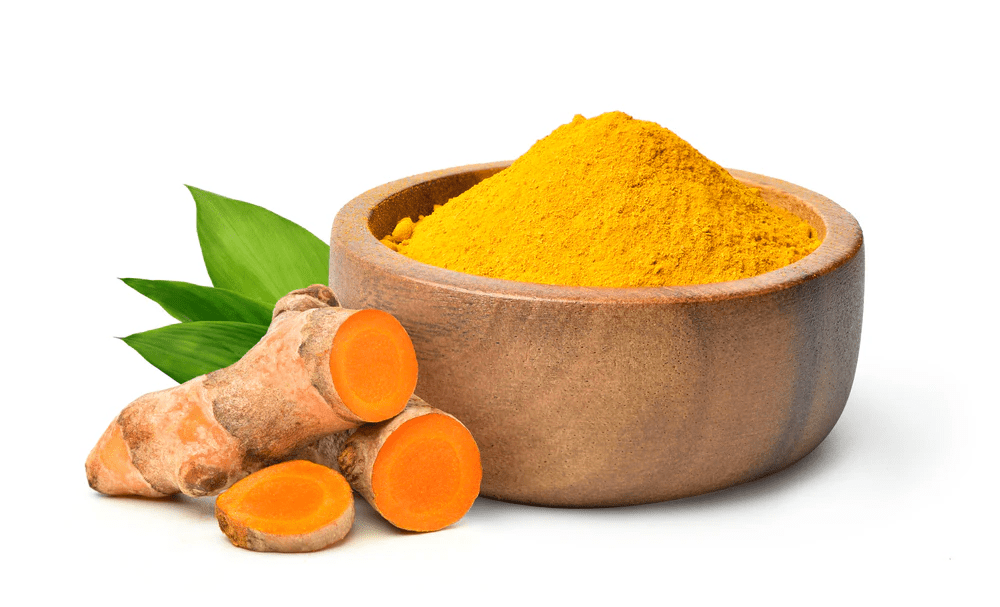
5) Turmeric: Curcumin for Inflammation Control
Turmeric’s best-known compound, curcumin, has been widely studied for its anti-inflammatory effects. Lab research and population studies suggest curcumin may influence pathways involved in cancer cell growth.
To enhance absorption, pair turmeric with black pepper (which contains piperine). Common options include curries, soups, or a warm turmeric drink.

6) Green Tea: Polyphenols Like EGCG
Green tea provides catechins, including EGCG, which research suggests may support DNA protection and help reduce inflammation.
Observational studies have found associations between regular green tea consumption and potential cancer risk reduction in some populations. If it suits you, a few cups per day can be a simple habit to maintain.
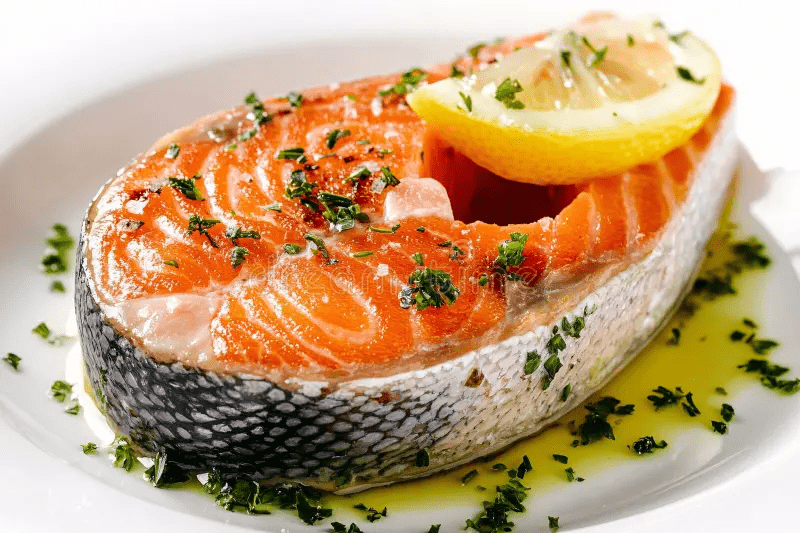
7) Fatty Fish: Omega-3 Fatty Acids
Salmon, sardines, mackerel, and other fatty fish are rich in omega-3s, which may help counter chronic inflammation.
Some studies connect higher omega-3 intake with a possible lower risk of breast and colorectal cancers. Adding fatty fish to meals a couple of times per week is a common, practical approach.

8) Nuts: Fiber, Healthy Fats, and Protective Nutrients
Almonds, walnuts, pistachios, and other nuts contain fiber, vitamin E, and plant sterols. Large studies have linked regular nut intake with lower overall cancer risk.
A small handful per day can support general health and may contribute to cancer risk reduction as part of a balanced diet.
9) Leafy Greens: Folate and Carotenoids
Leafy greens such as spinach, kale, and Swiss chard supply folate and carotenoids—nutrients associated with normal cell function and protection.
They’re versatile and easy to add to meals: salads, stir-fries, soups, smoothies, or simple side dishes.
10) Beans and Legumes: Fiber for Digestive Health
Beans, lentils, chickpeas, and peas are high in fiber, which supports gut health and healthy digestion. High-fiber diets are frequently associated with a lower risk of colorectal cancer.
Aim to include legumes regularly—such as in soups, salads, grain bowls, and stews.
Quick Evidence-Based Snapshot
- Berries → Anthocyanins → antioxidant protection
- Cruciferous vegetables → Sulforaphane/glucosinolates → support for detox pathways
- Garlic → Allicin → anti-inflammatory potential
- Tomatoes → Lycopene → prostate health support
- Green tea → EGCG → potential DNA protection
Simple Ways to Eat These Foods Every Day
Build habits gradually so they last:
- Breakfast: Add berries to oatmeal, yogurt, or whole-grain cereal
- Lunch: Make a leafy green salad with tomatoes and a sprinkle of nuts
- Dinner: Try baked salmon with broccoli and garlic
- Snacks: Choose green tea, or a turmeric-based warm drink
- Cooking staples: Use fresh garlic and turmeric as everyday seasonings
For overall health, many experts recommend aiming for at least five servings of fruits and vegetables per day, focusing on variety.
Final Thoughts
Adding these whole, nutrient-rich foods may support the body’s defenses and may help lower cancer risk over time. For the strongest impact, pair dietary improvements with other proven strategies such as avoiding smoking, staying physically active, and keeping up with recommended screenings.
Because everyone’s needs are different, focus on changes that feel realistic, enjoyable, and sustainable.
Frequently Asked Questions
Can these foods prevent cancer on their own?
No. These foods may help reduce risk, but cancer is influenced by many factors, including genetics, environment, and lifestyle.
How much do I need to eat to see benefits?
Prioritize variety and portions that fit a balanced eating pattern. For personalized targets, follow reliable public health guidance and consider discussing your diet with a qualified professional.
Are supplements as effective as whole foods?
Whole foods are generally preferred because they provide a combination of nutrients that work together. If you’re considering supplements, consult a healthcare professional.
Medical Disclaimer
This article is for informational purposes only and does not provide medical advice. No food cures or prevents cancer. Always consult your healthcare provider for personalized guidance, appropriate screenings, and any health concerns. Individual results vary, and diet is only one part of overall cancer risk reduction.