Everyday Eye Strain—and How Food Can Help
Modern life puts your eyes under nonstop pressure: long hours on screens, harsh indoor lighting, bright sun outdoors, and close-up work that demands constant focus. Over time, that daily load can leave your eyes feeling fatigued and more vulnerable, making it harder to maintain clear, comfortable vision as you age.
The good news is that simple, nutrient-dense natural foods for eye health can offer steady, everyday support. Read to the end for a surprising food pairing that can significantly improve nutrient absorption.
Why Nutrition Matters for Eye Health
Your eyes depend on a steady supply of vitamins, minerals, and antioxidants to function well. These nutrients help defend sensitive eye tissues against everyday stress from light exposure and environmental factors.
Organizations such as the American Optometric Association have highlighted how specific nutrients contribute to overall vision wellness. Two standouts are lutein and zeaxanthin, which act like internal “filters,” helping reduce blue-light impact and supporting the retina.
In addition, vitamins A, C, and E work in complementary ways to support vision function and cellular protection. When your diet lacks these essentials, your eyes may not receive the daily nutritional backup they need to cope with routine wear and tear.
Essential Nutrients for Healthy Vision (and Where to Find Them)
Below is a clear breakdown of key eye-supporting nutrients and common food sources:
-
Lutein & Zeaxanthin
- How they help: Support retinal health and filter high-energy light
- Food sources: Spinach, kale, eggs
-
Vitamin A & Beta-carotene
- How they help: Support night vision and help maintain surface moisture
- Food sources: Carrots, sweet potatoes
-
Vitamin C
- How it helps: Helps maintain healthy blood vessels in the eyes
- Food sources: Oranges, bell peppers, kiwis
-
Vitamin E
- How it helps: Protects cells from oxidative stress
- Food sources: Almonds, sunflower seeds
-
Omega-3 Fatty Acids (DHA/EPA)
- How they help: Support tear production and retinal function
- Food sources: Salmon, walnuts, chia seeds
-
Zinc
- How it helps: Supports vitamin A activity and overall cell health
- Food sources: Beans, quinoa, eggs
Research—including findings discussed in journals such as JAMA—often links nutrient-rich diets to better long-term eye outcomes. Even better, many of these nutrients are easy to get through everyday meals.
Best Natural Foods to Support Eye Health Daily
1. Leafy Greens
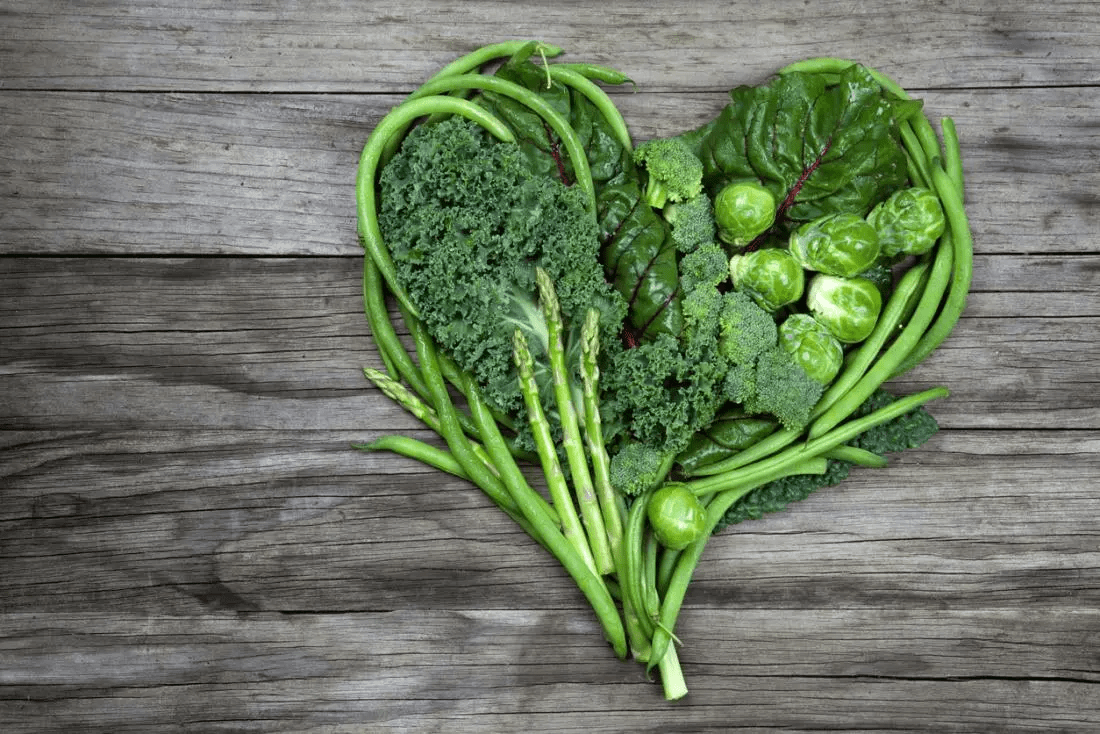
Dark leafy vegetables—spinach, kale, collard greens—are among the strongest choices for vision nutrition because they’re rich in lutein and zeaxanthin. The National Eye Institute has also emphasized the value of these nutrients for supporting healthy vision over time.
Easy ways to eat more:
- Blend fresh spinach into a morning smoothie
- Sauté kale with olive oil and garlic for a quick side dish
2. Bright Fruits and Vegetables
Vivid produce often signals higher nutrient density. Carrots and sweet potatoes provide beta-carotene, which the body converts into vitamin A—important for low-light vision and eye surface support.
Meanwhile, oranges, grapefruit, kiwis, and other vitamin C-rich fruits help support the tiny blood vessels that nourish the eyes. Some research (including work cited in Archives of Ophthalmology) suggests higher vitamin C intake may be linked with better eye comfort.
Simple ideas:
- Snack on raw carrot sticks with a light dip
- Build a fruit bowl with berries and citrus
3. Fatty Fish and Seafood
Salmon, sardines, mackerel, tuna contain omega-3s like DHA and EPA, which are important for retinal structure and may help with dryness. Findings referenced by institutions such as the Harvard School of Public Health often highlight omega-3s as supportive for overall eye lubrication.
Try this:
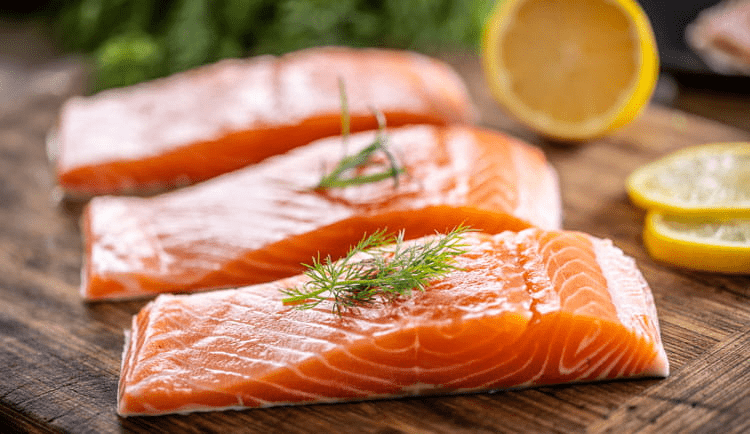
- Bake salmon with lemon and herbs
- Add canned tuna to salads a couple of times per week
4. Eggs
Eggs are a practical, affordable way to get lutein, zeaxanthin, vitamin A, and zinc together—nutrients that support retinal protection and visual sharpness. Research discussed in journals like Nutrients has noted eggs as an accessible source of these compounds.
How to use them:
- Add hard-boiled eggs to salads
- Scramble eggs with chopped vegetables for breakfast
Tip: Most of the key nutrients are in the yolk.
5. Nuts and Seeds
Almonds, walnuts, sunflower seeds, chia seeds contribute vitamin E and beneficial fats that help protect eye cells from oxidative damage. Evidence from antioxidant-focused research groups supports vitamin E’s role in cellular defense.
Quick habits:
- Keep a small portion of mixed nuts for an afternoon snack
- Sprinkle chia seeds over oatmeal or yogurt
6. Bell Peppers and Tomatoes
Bell peppers are packed with vitamin C, while tomatoes provide lycopene, a well-known antioxidant. Reviews in sources like the British Journal of Ophthalmology have discussed lycopene’s association with healthy tissues, including those in the eye.
Easy additions:
- Dip pepper strips in hummus
- Spoon fresh tomato salsa over grilled fish
7. Whole Grains and Legumes
Foods such as quinoa, beans, lentils supply zinc, which helps vitamin A function effectively—an important nutritional partnership for vision support. Zinc-focused research also points to its role in nutrient synergy.
Meal ideas:
- Make a quinoa bowl with beans and mixed vegetables
- Add lentils to soups for a nourishing upgrade
Practical Daily Tips to Start Supporting Your Eyes
Use these simple strategies to make eye-healthy eating consistent:
-
Build colorful plates
- Add one vibrant fruit or vegetable to each meal (berries at breakfast, carrots at lunch, peppers at dinner).
-
Pair nutrients for better absorption
- Combine leafy greens with healthy fats (olive oil, avocado) to help your body absorb fat-soluble compounds like lutein.
-
Follow a balanced, Mediterranean-style pattern
- Aim for fish twice weekly, nuts most days, and whole grains regularly.
A sample day:
- Breakfast: Oatmeal with chia seeds and berries
- Lunch: Spinach salad with eggs and bell peppers
- Dinner: Baked salmon with quinoa and tomatoes
- Snacks: Carrot sticks or a handful of almonds
Variety keeps meals enjoyable and improves your overall nutrient coverage over time.
Step-by-Step Plan to Build Eye-Supportive Habits
-
Review your current diet
- Identify what you already eat and what’s missing (greens, omega-3s, vitamin C-rich produce).
-
Shop with intention
- Prioritize: spinach, carrots, salmon, eggs, nuts, peppers, tomatoes, quinoa, beans.
-
Prep ahead
- Wash/chop vegetables in advance; portion nuts for easy grab-and-go snacks.
-
Try one new recipe per week
- Examples: a kale smoothie, a tomato-lentil soup, or a salmon salad bowl.
-
Check in after two weeks
- Notice whether your eyes feel more comfortable during screen time, reading, or outdoor activities.
Conclusion: Support Eye Health with Everyday Food Choices
Adding leafy greens, colorful produce, fatty fish, eggs, nuts and seeds, peppers, tomatoes, whole grains, and legumes to your routine is a practical way to support eye health through nutrition. These foods provide essential nutrients that work together to protect and nourish your eyes day after day.
And the promised unexpected combo for better absorption: spinach + eggs + a splash of olive oil. The healthy fats can help your body absorb lutein more effectively, maximizing the benefits of an already eye-friendly meal.