
Nighttime Leg Cramps After 55: Could Magnesium-Rich Foods Help?
A sudden, stabbing twist in the calf can strike out of nowhere—often in the middle of the night—jerking you awake with pain that feels like the muscle has locked in place. For many adults over 55, these nighttime leg cramps become an ongoing sleep thief, leaving you wary of simple movements the next day and frustrated by how unpredictable the episodes can be. You can drink plenty of water and still get them, which only adds to the confusion.
There is encouraging evidence pointing to one possible piece of the puzzle: low magnesium status may contribute to muscle tightness and cramping in older adults. While research on magnesium supplements is mixed, consistently eating magnesium-rich foods may support healthier muscle and nerve function in a gentler, food-first way.

Why Leg Cramps Tend to Increase After Age 55
As the body ages, nutrient absorption can decline, even when your eating habits stay relatively stable. Magnesium is one mineral that commonly trends lower over time, and it plays a central role in helping muscles contract and relax normally. Reviews and fact sheets from reputable institutions (including the National Institutes of Health) note that inadequate magnesium may be associated with muscle spasms, although results vary when researchers look at direct symptom relief from supplementation.
Magnesium is rarely the only factor. Night cramps may become more likely when magnesium status combines with:
- Certain medications (some diuretics and other drugs can influence mineral balance)
- Stress and poor sleep
- Mild dehydration
- Reduced circulation or nerve changes
- Long periods of inactivity or, conversely, sudden overexertion
The upside: whole foods that contain magnesium also provide fiber, antioxidants, and supportive nutrients that help overall muscle and nerve health. Many older adults report gradual improvements in nighttime comfort when they add these foods consistently.

Countdown: Top 5 Magnesium-Rich Foods to Support Leg Comfort
These choices aren’t rare “superfoods.” They’re common, affordable, and easy to work into everyday meals, which matters if you’re trying to reduce leg cramp disruption without overhauling your entire routine.

5. Spinach: A Simple Green With Serious Magnesium
Margaret (70) rarely ate leafy greens and leaned mostly on familiar starches. When leg cramps began waking her about twice a week, she started adding a handful of baby spinach to her morning eggs. After several days, she noticed her legs felt less “tight” at night.
- Magnesium estimate: about 157 mg per 1 cup cooked spinach
- Easy ways to eat it:
- Lightly sauté with garlic and olive oil
- Mix into omelets or scrambled eggs
- Blend into smoothies (the flavor stays mild)
- Toss into salads (raw) or stir into soups (it wilts quickly)
Because spinach cooks down dramatically, even small portions can meaningfully increase magnesium intake.
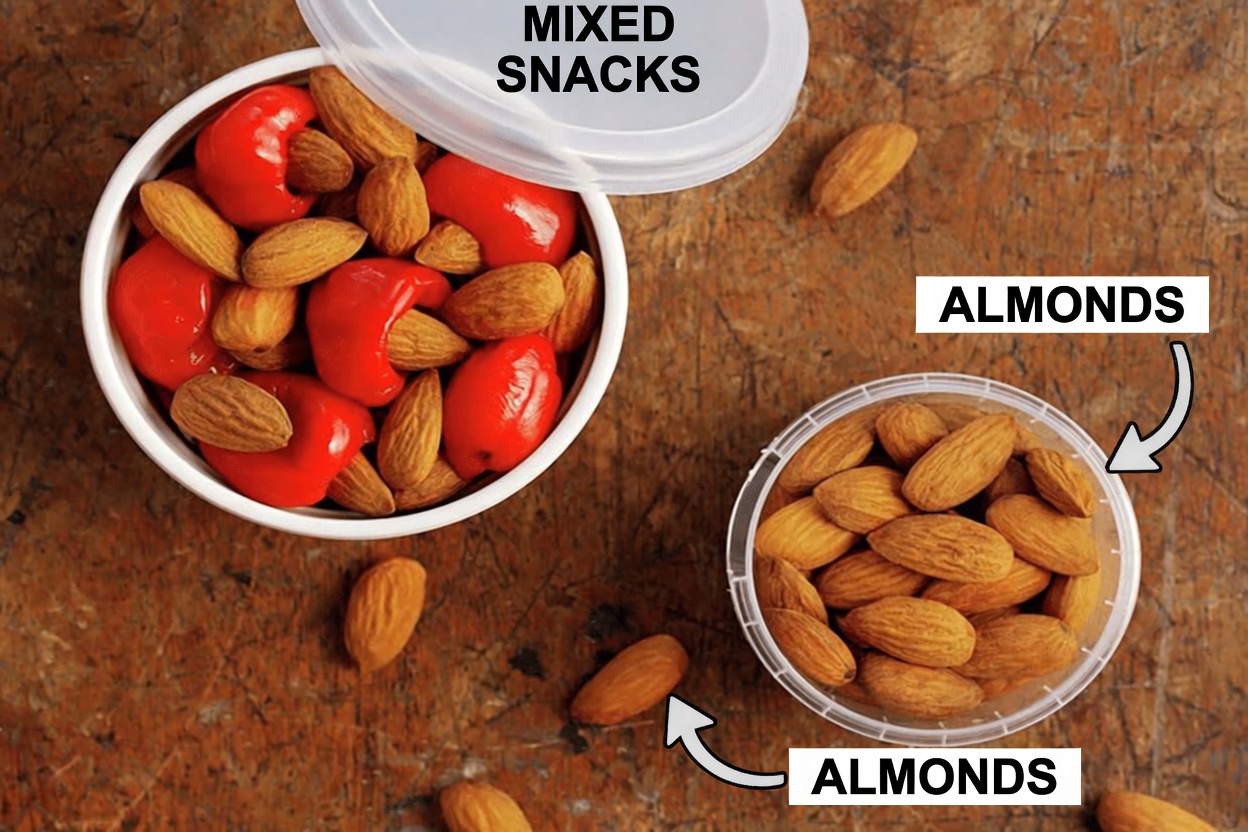
4. Almonds: A Portable Snack That Supports Calm
Robert (67) began keeping almonds nearby as an afternoon snack, usually eating a small handful. After about a week, he noticed fewer nights interrupted by sudden calf tightening and felt more comfortable on his daily walks.
- Magnesium estimate: about 80 mg per 1 ounce (around 23 almonds)
- Why they help beyond magnesium: almonds also provide healthy fats that support normal nerve signaling
- Simple ideas:
- Eat a small handful in the evening
- Chop onto yogurt or oatmeal
- Pair with fruit for a steady snack
If chewing is difficult, almond butter can be an alternative with a similar nutrient profile.
3. Black Beans: Filling, Budget-Friendly, and Muscle-Supportive
Elena (69) started adding black beans to soups and salads a few times a week after cramps began interrupting her gardening. Over time, the cramps felt less intense and less frequent.
- Magnesium estimate: about 60 mg per ½ cup cooked
- Extra benefits: fiber and plant protein support steadier energy and overall metabolic health
- How to use them:
- Rinse canned beans for quick meals
- Add to chili, rice bowls, tacos, and salads
- Stir into soups for a hearty, comforting dinner
2. Oats: Comforting at Breakfast—or as a Light Evening Bowl
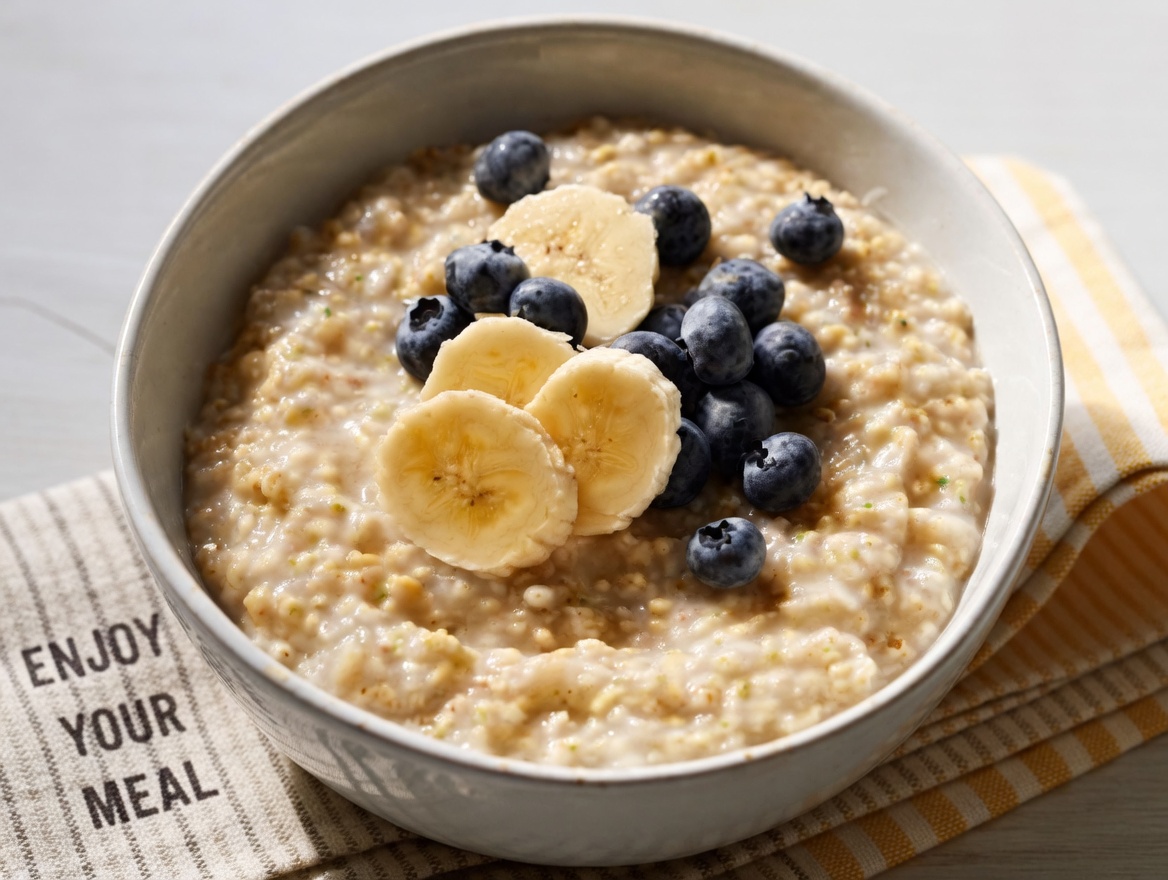
George (74) swapped his evening toast for a small bowl of oatmeal with berries. He described it as feeling like his muscles finally “unwound,” and he began sleeping through the night more often.
- Magnesium estimate: about 50–60 mg per ½ cup cooked
- Why it may work well at night: oats provide gentle carbohydrates and a soothing texture that many people find relaxing
- Best ways to eat oats:
- Overnight oats for convenience
- Warm oatmeal with berries, cinnamon, or yogurt
- A smaller portion as a bedtime snack if it fits your routine

1. Pumpkin Seeds: The Underrated Magnesium Powerhouse
This is the food that surprises most people. Pumpkin seeds (pepitas) are among the most magnesium-dense everyday snacks available.
Joan (71) started sprinkling roasted pumpkin seeds onto salads and soups. Within a couple of weeks, she noticed her legs felt “quieter” at night, with fewer wake-ups.
- Magnesium estimate: about 150–168 mg per 1 ounce (a small handful)
- Why they’re practical: affordable, shelf-stable, and easy to add to almost anything
- Simple ways to use them:
- Sprinkle over salads, soups, and roasted vegetables
- Stir into yogurt or oatmeal
- Blend into smoothies
- Eat straight as a snack
Quick Comparison: Magnesium per Serving (Approximate)
- Pumpkin seeds (1 oz): 150–168 mg
- Spinach (1 cup cooked): ~157 mg
- Almonds (1 oz): ~80 mg
- Black beans (½ cup cooked): ~60 mg
- Oats (½ cup cooked): ~50–60 mg
These values vary by brand and preparation, but the ranking is consistent: pumpkin seeds and cooked spinach are top performers for magnesium density.
Why These Foods May Work Better Together
Magnesium doesn’t operate alone. Muscle relaxation and nerve signaling depend on a network of nutrients and habits. A food-first approach can work well because it tends to deliver magnesium alongside:
- Potassium (often found in beans and leafy greens)
- Calcium (commonly paired through dairy or fortified foods)
- B vitamins and fiber (supporting energy metabolism and steadier blood sugar)
- Healthy fats and antioxidants (supporting overall nerve and muscle function)
In practical terms, combining foods can be simple:
- Oatmeal topped with pumpkin seeds and yogurt
- A salad with spinach, black beans, and a sprinkle of seeds
- A small evening snack of almonds plus fruit
When to Seek Medical Advice
If cramps are frequent, severe, or worsening, consider talking with a clinician—especially if you also notice swelling, redness, numbness, weakness, or pain when walking. Night cramps can sometimes be linked to circulation issues, nerve conditions, medication effects, or other treatable causes. Also, if you’re considering magnesium supplements, it’s wise to ask first, particularly if you have kidney concerns or take prescription medications.
Takeaway
Nighttime leg cramps after 55 can feel random and disruptive, but small dietary shifts may help. Adding magnesium-rich foods—especially pumpkin seeds, spinach, almonds, black beans, and oats—is a practical, affordable way to support healthier muscle relaxation and potentially reduce nighttime disruptions over time.