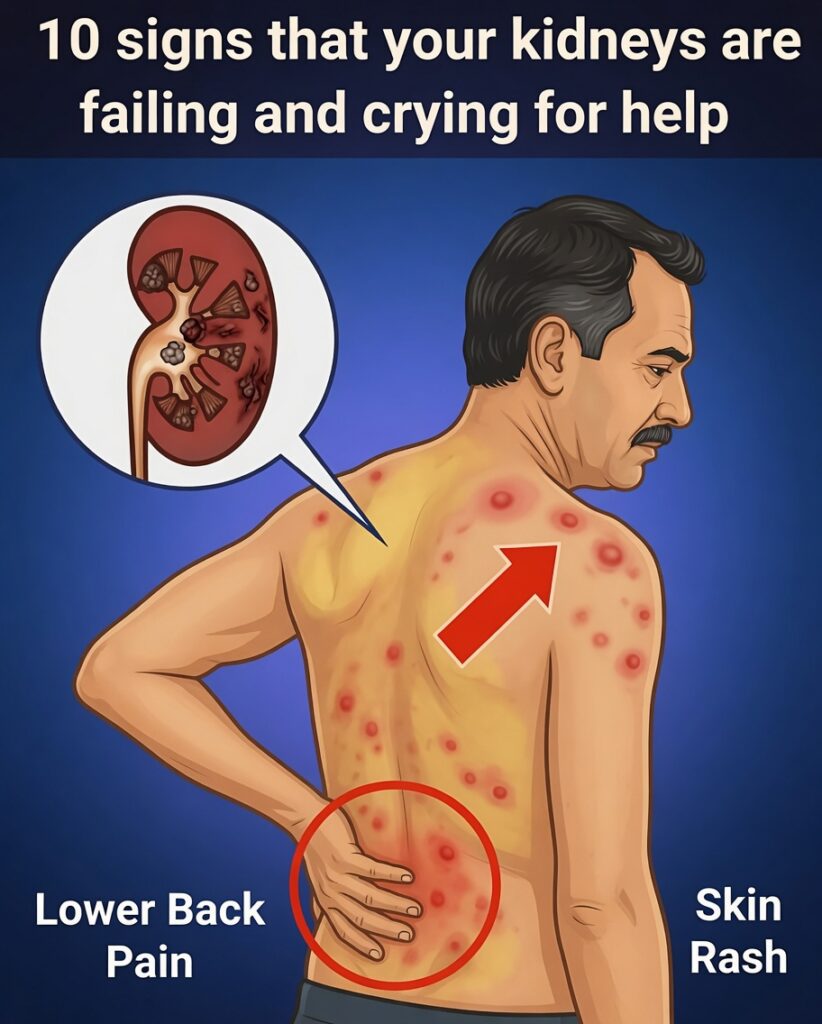
Early Signs Your Kidneys May Be Struggling (And Why They’re Easy to Miss)
Your kidneys work behind the scenes every day, filtering waste and extra fluid from your bloodstream. When kidney function begins to decline, the early signs your kidneys may be struggling are often subtle—so they’re easy to blame on stress, aging, poor sleep, or a busy lifestyle.
Many people feel drained, irritated, or “not quite right” for weeks or months before connecting the dots. The encouraging part is that recognizing possible warning signals early can help you take action sooner and avoid bigger problems later.
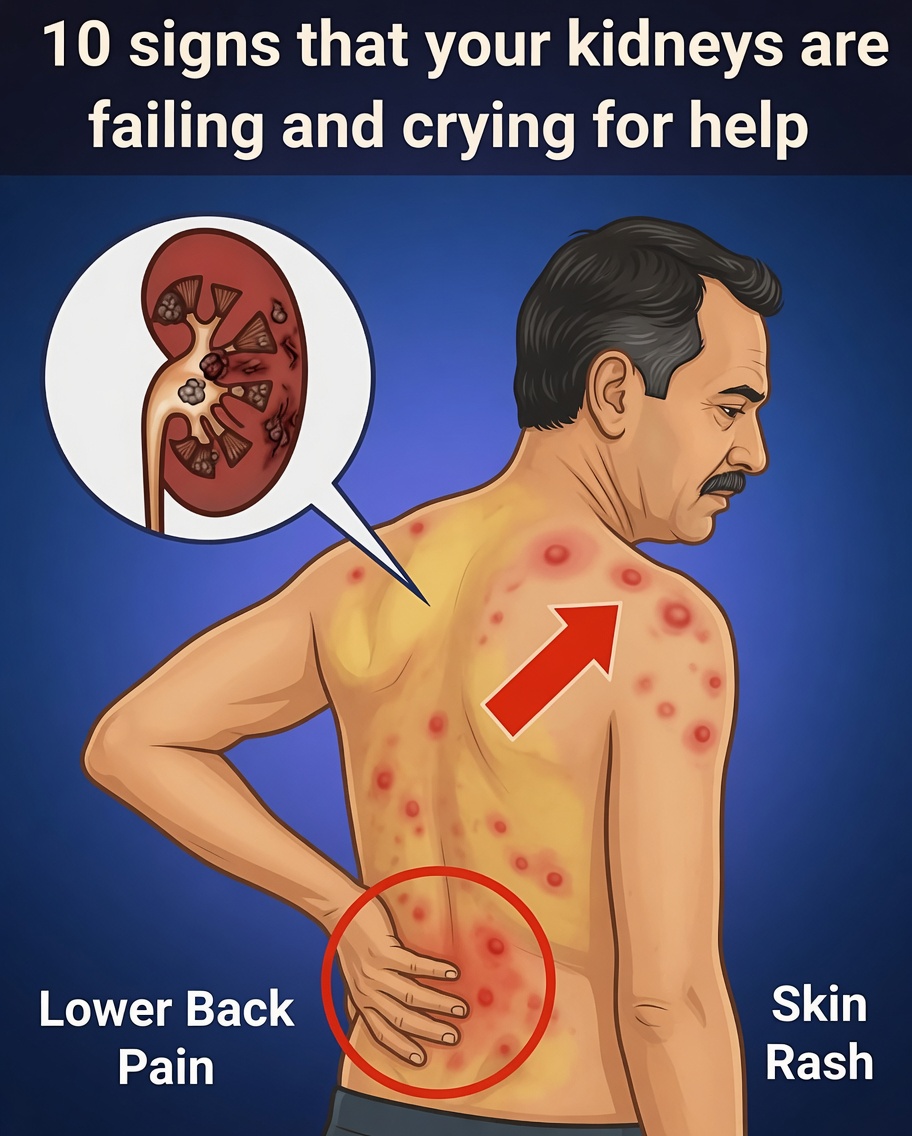
Why Recognizing Kidney Warning Signs Matters
Kidney problems often develop gradually, and it’s common for people to discover an issue only after meaningful damage has already occurred. Because these symptoms can overlap with everyday concerns, many kidney health symptoms are dismissed as normal fatigue or lifestyle changes.
Your body, however, may be sending important feedback. Knowing what to watch for can bring clarity, reduce anxiety, and help you decide when it’s time to get medical advice.

10 Signs Your Kidneys May Be Struggling
Health organizations such as the National Kidney Foundation note that the following symptoms are among the more common early indicators of possible kidney trouble. One symptom alone doesn’t confirm kidney disease, but if several of these signs of kidney problems sound familiar—especially if they persist—it’s worth paying attention.
1. Ongoing Fatigue or “Brain Fog”
Feeling unusually tired, even after adequate sleep, is a frequent early complaint. When kidneys don’t filter waste efficiently, unwanted byproducts can build up in the blood, contributing to low energy and mental sluggishness.
You may also notice:
- Trouble focusing at work
- Forgetfulness
- A sense that simple tasks take more effort than they should

2. Difficulty Sleeping
Sleep issues can be another overlooked clue. As waste accumulates in the body, it may interfere with restful sleep—creating a frustrating cycle of exhaustion followed by poor sleep quality.
Because insomnia is common, many people never consider it could be linked to kidney function.
3. Dry, Itchy Skin That Won’t Improve
If your skin feels persistently dry or itchy and typical moisturizers don’t help, it may be more than a seasonal issue. When kidneys struggle to maintain the body’s balance of waste and minerals, skin discomfort can become a noticeable symptom.
4. Needing to Urinate More Often (Especially at Night)
A sudden increase in bathroom trips—particularly nighttime urination—can be a classic early change. Frequent urination may disrupt sleep and make daily routines harder to manage, especially when the urgency feels unpredictable.

5. Foamy or Bubbly Urine
Urine that looks unusually foamy and doesn’t quickly settle can sometimes suggest protein is leaking into the urine. This can be a sign the kidneys aren’t filtering properly. Because it’s easy to ignore, many people overlook it until it becomes persistent.
6. Puffiness Around the Eyes That Keeps Coming Back
Consistent swelling or puffiness around the eyes—especially when it’s not clearly tied to poor sleep or allergies—may indicate changes in how your body is handling fluid and protein balance.
7. Swollen Feet, Ankles, or Lower Legs
When kidneys can’t remove extra fluid effectively, swelling (also called edema) may appear in the lower body. This can make shoes feel tight, walking uncomfortable, and evenings more difficult if swelling worsens after being on your feet.

8. Reduced Appetite or Feeling Full Quickly
A noticeable drop in appetite can happen when waste buildup affects digestion and overall well-being. Some people also report nausea or early fullness, which may lead to unintended weight loss and growing concern about health changes.
9. Blood in the Urine
Urine that appears pink, red, or cola-colored should never be ignored. Blood in the urine can have multiple causes, but kidney-related issues are one possibility—and it warrants prompt medical evaluation.
10. Frequent Muscle Cramps
Recurring muscle cramps, especially at night, may be linked to imbalances in electrolytes such as sodium, potassium, calcium, or magnesium. Since the kidneys help regulate these minerals, cramps can sometimes be connected to reduced kidney efficiency.

What You Can Do to Support Kidney Health
These symptoms aren’t a diagnosis, and self-diagnosing can be misleading. Still, everyday habits can help support kidney function and overall health—especially if you have risk factors like high blood pressure or diabetes.
Consider these kidney-friendly basics:
- Stay hydrated: Aim for about 8–10 glasses of water daily, unless your clinician recommends a different amount.
- Choose a balanced diet: Prioritize fruits, vegetables, whole grains, and lean proteins; reduce excess salt, heavily processed foods, and very high protein intake.
- Track blood pressure and blood sugar: Regular checkups help catch risk factors early.
- Move consistently: Even 30 minutes of walking most days can support circulation and metabolic health.
- Avoid smoking and limit alcohol: Both can increase strain on the kidneys over time.
- Use medications carefully: Some over-the-counter pain relievers can affect kidney health—check with a healthcare professional if you use them often.
Quick Habit Comparison
| Habit | Supports Kidney Health Because… | Easy Way to Start |
|---|---|---|
| Drinking enough water | Helps flush waste and lowers strain | Keep a refillable bottle nearby |
| Reducing salt intake | Supports healthy blood pressure and fluid balance | Swap packaged foods for fresh options |
| Regular movement | Improves circulation and weight management | Take short walks after meals |
Summary: Listen to Your Body Early
The most common early signs your kidneys may be struggling include fatigue, sleep disruption, itchy skin, urination changes, foamy urine, swelling, appetite shifts, blood in urine, and muscle cramps. Noticing patterns early can make a real difference in how you feel—and in what you do next.
If symptoms persist or cluster together, the most important step is to seek professional guidance rather than trying to guess the cause.
Frequently Asked Questions
What are the most common early signs of kidney problems?
Common early symptoms include fatigue, changes in urination, swelling (especially in the ankles/feet or around the eyes), and dry/itchy skin, as noted by major kidney health organizations.
When should I see a doctor about possible kidney issues?
If you have multiple symptoms lasting more than a few weeks, or you have risk factors such as diabetes, high blood pressure, or a family history of kidney disease, schedule a checkup promptly. Seek urgent care for blood in the urine.
Can lifestyle changes really improve kidney health?
Yes. Healthy hydration, better nutrition, regular physical activity, and managing blood pressure and blood sugar are well-supported ways to protect and support kidney function over time.