
Dealing with occasional knee discomfort that cuts your daily walks short—or noticing swollen feet after a long day on your feet—can quietly undermine both comfort and confidence. Add ongoing concerns like high blood pressure or persistent low energy, and it’s easy to feel discouraged and less excited about the activities you normally enjoy. Chayote (also called vegetable pear) is a nutrient-dense, budget-friendly vegetable that can help you add more vitamins and minerals to your diet in a simple, food-first way. Even better, there’s an easy chayote drink you can prepare in minutes and turn into a practical morning routine.

Why Chayote Deserves a Place in Your Wellness Routine
In a fast-moving lifestyle, many people forget the power of everyday produce that has been used in traditional eating patterns for generations. Chayote is one of those overlooked vegetables—mild in flavor, easy to cook, and naturally packed with nutrients.
Because it contains key vitamins, minerals, and antioxidants, chayote may support overall wellness without the complexity (or cost) of stacking multiple supplements. When stiffness makes mornings feel slow or joint discomfort limits your mobility, adding nutrient-rich foods like chayote may be a gentle step toward feeling more capable and active.
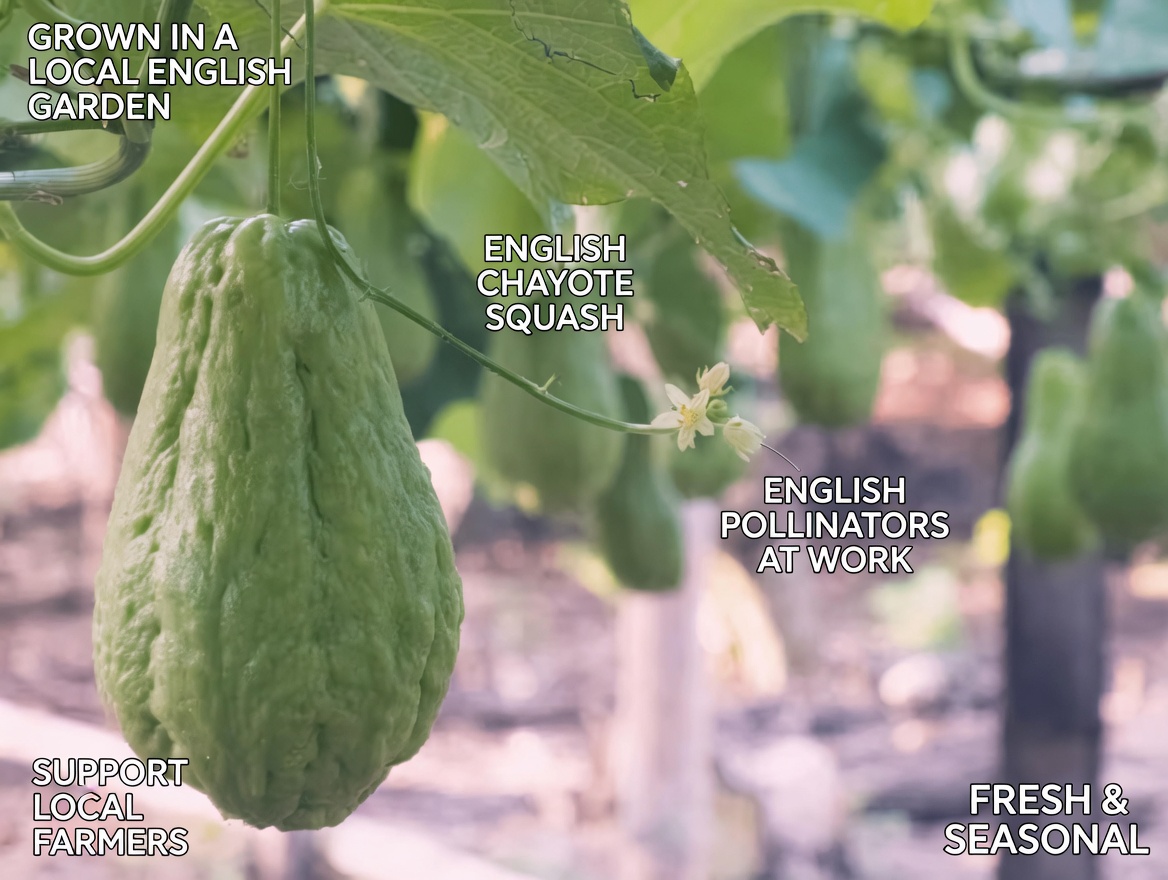
The Potential Health Benefits of Chayote
Chayote is more than just a versatile ingredient. It provides vitamin C, potassium, fiber, and B vitamins, which may help the body manage inflammation, fluid balance, and energy—especially when discomfort or fatigue interrupts your routine.
Some research and nutrition data highlight chayote’s antioxidant content and its helpful nutrient profile for people who are trying to support joint comfort, circulation, and heart health. Here are six commonly discussed ways chayote may contribute to well-being:
- Supports joint flexibility: Its antioxidants and vitamin C may help support connective tissue and joint comfort, potentially easing stiffness that makes movement feel harder.
- Helps maintain fluid balance: Chayote is a natural source of potassium, which may support normal fluid regulation and reduce the “puffy ankle” feeling linked to water retention.
- Promotes healthy blood pressure: With low sodium and higher potassium, chayote fits well into eating patterns commonly recommended for blood pressure support.
- Assists cholesterol management: The soluble fiber in chayote may help support healthy cholesterol levels by binding to bile acids in digestion.
- Encourages circulation support: Nutrients like folate and vitamin B6 play roles in normal blood function and nutrient delivery.
- Helps fight fatigue: With folate and small amounts of iron, chayote may support red blood cell production—useful for people who feel drained or “low-energy” frequently.
These are strong reasons to keep chayote in your regular rotation. Next, here’s a simple way to use it consistently.
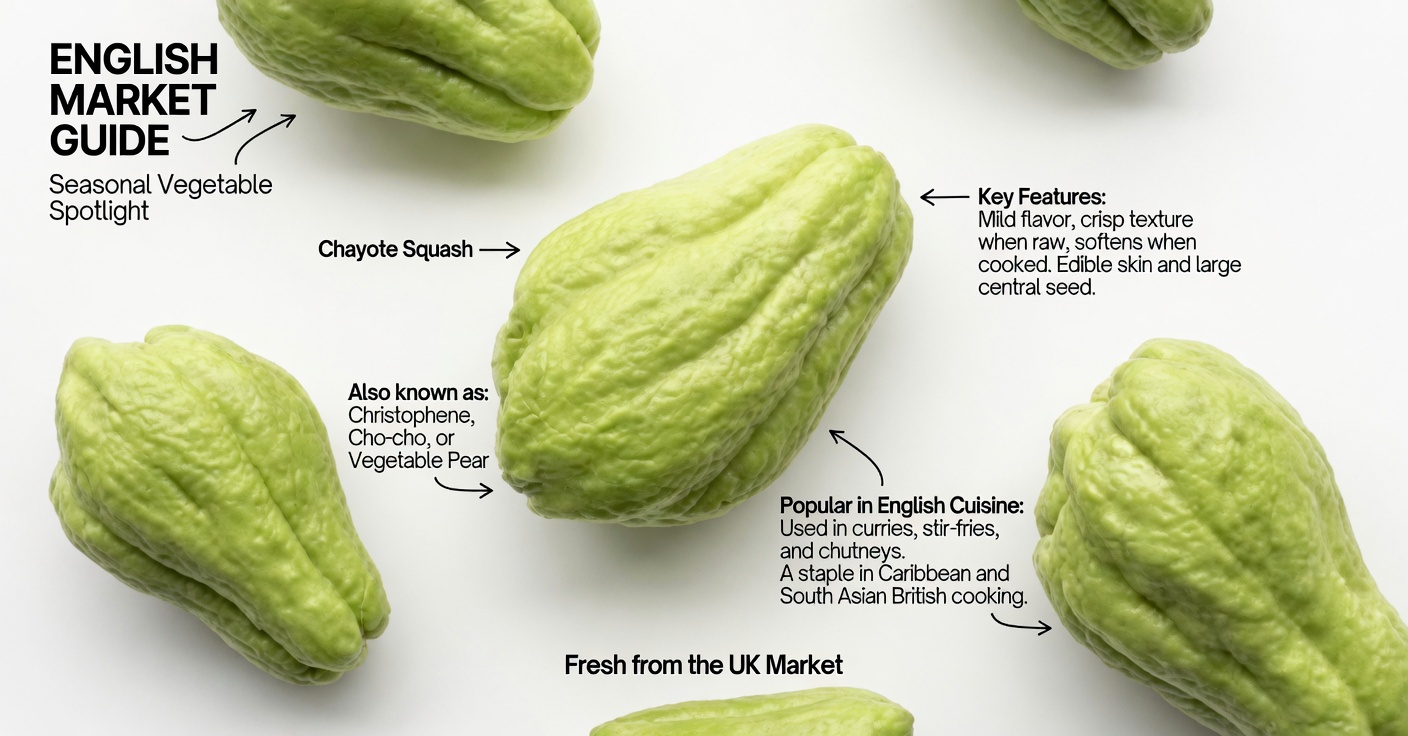
How to Make a Simple Chayote and Lemon Drink
If you want an easy option that doesn’t require complicated cooking—especially on low-energy mornings—try this refreshing chayote and lemon drink. It’s quick, affordable, and easy to repeat several times per week.
Ingredients
- 1/2 medium chayote (keep the skin on for extra fiber, if desired)
- Juice of 2 lemons
- 1 liter of water
- Optional: 1 teaspoon honey (or another natural sweetener)
Step-by-step instructions
- Wash the chayote thoroughly and chop into chunks.
- Add chayote and water to a blender and blend until smooth.
- Pour in the lemon juice and blend briefly or stir well.
- Strain if you prefer a smoother drink, or keep the pulp for more fiber.
- Drink it fresh in the morning for a light, gentle start.
For many people, having it 3–4 times per week is a realistic rhythm. Pairing it with light movement—such as an easy walk—may further support circulation and daily energy.
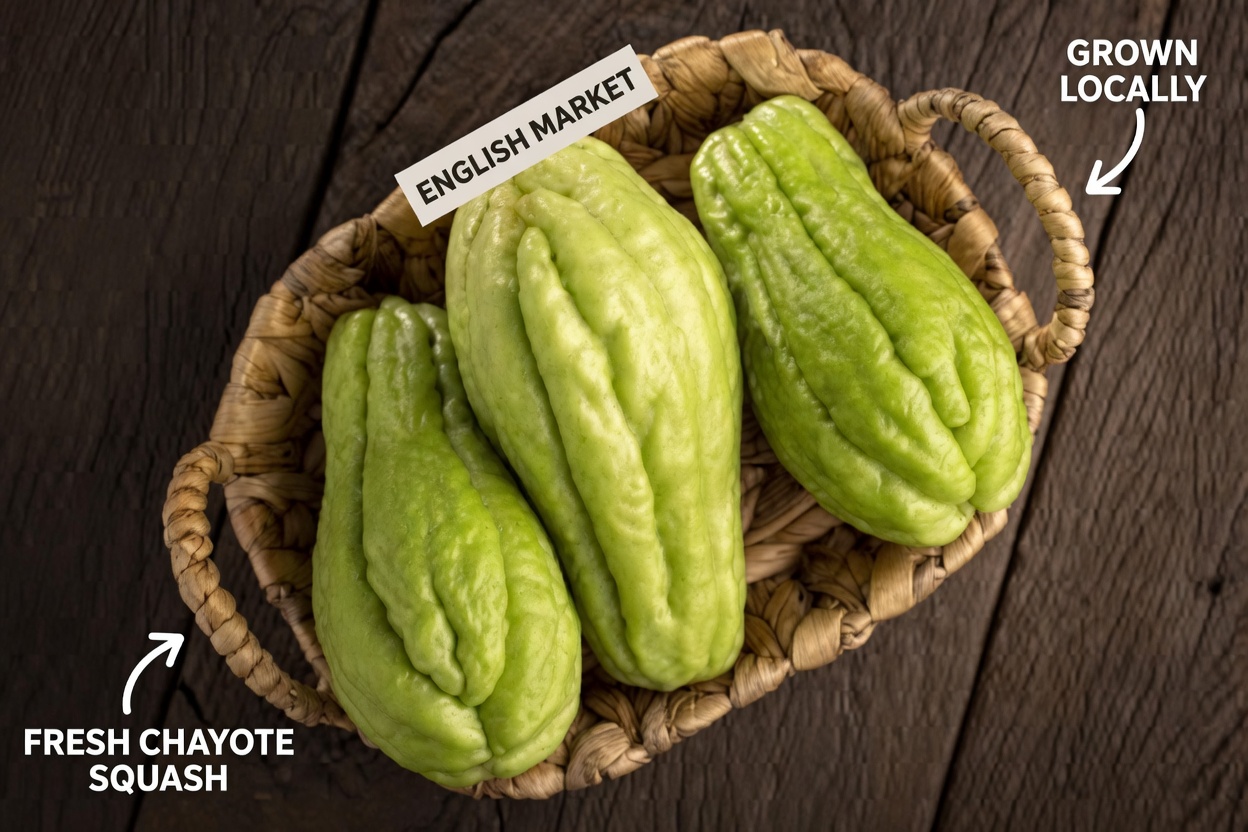
Easy, Delicious Ways to Eat Chayote (Beyond Drinks)
When joint discomfort or low energy makes cooking feel like a chore, chayote’s mild taste and flexible texture become a real advantage. It blends into meals without overpowering other flavors—and it cooks quickly.
Try these simple ideas:
- Raw, sliced salad: Thinly slice chayote and toss with olive oil, lemon, and a pinch of salt for a crisp, refreshing side.
- Steamed or boiled side dish: Cook until tender, then season with herbs to keep it light and digestion-friendly.
- Soup and stew booster: Add chopped chayote to soups for volume, nutrients, and a gentle texture.
- Quick stir-fry: Sauté with garlic and a little oil for a fast meal that pairs well with lean protein.
- Hydrating juice blend: Mix chayote with cucumber and apple for a fresh, water-rich drink.
These options make it easier to stay consistent with healthy eating—even on days when standing in the kitchen feels uncomfortable.

Chayote vs. Common Alternatives: A Practical Comparison
When you’re looking for supportive habits, it helps to compare what’s realistic and sustainable. Chayote won’t replace prescribed treatment when it’s needed—but as a food, it can be a gentle, accessible addition to a wellness-focused diet.
Here’s a straightforward comparison:
-
Cost
- Chayote: Low-cost grocery item
- Typical medications: Can be expensive depending on insurance/copays
-
Side effects
- Chayote: Generally minimal for most people as a whole food
- Typical medications: May include nausea, dizziness, or drowsiness (varies by drug)
-
Accessibility
- Chayote: Widely available in many supermarkets and international markets
- Typical medications: Often require a prescription
-
Overall support
- Chayote: Nutrients that can support multiple systems (heart, energy, digestion)
- Typical medications: Usually target a single medical issue
For many people, the value is in the simplicity: support your body with consistent food choices while following medical guidance as needed.

What Changes You Might Notice Over Time
Adding chayote to your routine tends to be subtle rather than dramatic. If stiffness or swelling has been affecting your daily comfort, some people report small shifts over time:
- Within several days: You may feel slightly less “tight” in the morning, making daily tasks easier.
- After 1–2 weeks: Some notice reduced end-of-day puffiness or improved comfort in shoes.
- After about a month: With consistent intake, nutrient support may contribute to steadier energy and better day-to-day resilience.
Results vary based on overall diet, activity level, hydration, stress, and underlying health conditions—so consistency and patience matter.
Safety Notes and When to Be Cautious
Chayote is considered safe for most people, but smart precautions are still important:
- Start small if you’re worried about sensitivity or digestive changes.
- If you take medication for blood pressure or cholesterol, talk with a healthcare professional before making major dietary changes.
- Choose fresh, well-washed chayote (and organic when possible) to reduce pesticide exposure.
- If pregnant or managing a medical condition, seek medical advice for personalized guidance.
Pro Tips to Get More Value from Chayote
To make chayote even more useful in a real-world routine:
- Add ginger to your chayote drink for additional warming flavor and potential inflammation support.
- Stay well-hydrated, which may complement chayote’s role in fluid balance.
- Pair chayote with colorful antioxidant-rich foods (berries, leafy greens, citrus) to broaden nutrient coverage.
- Combine dietary changes with daily movement, such as walking or gentle stretching, to support circulation and joint comfort.