Ear Hair as You Age: What It Means for Health (and When to Pay Attention)
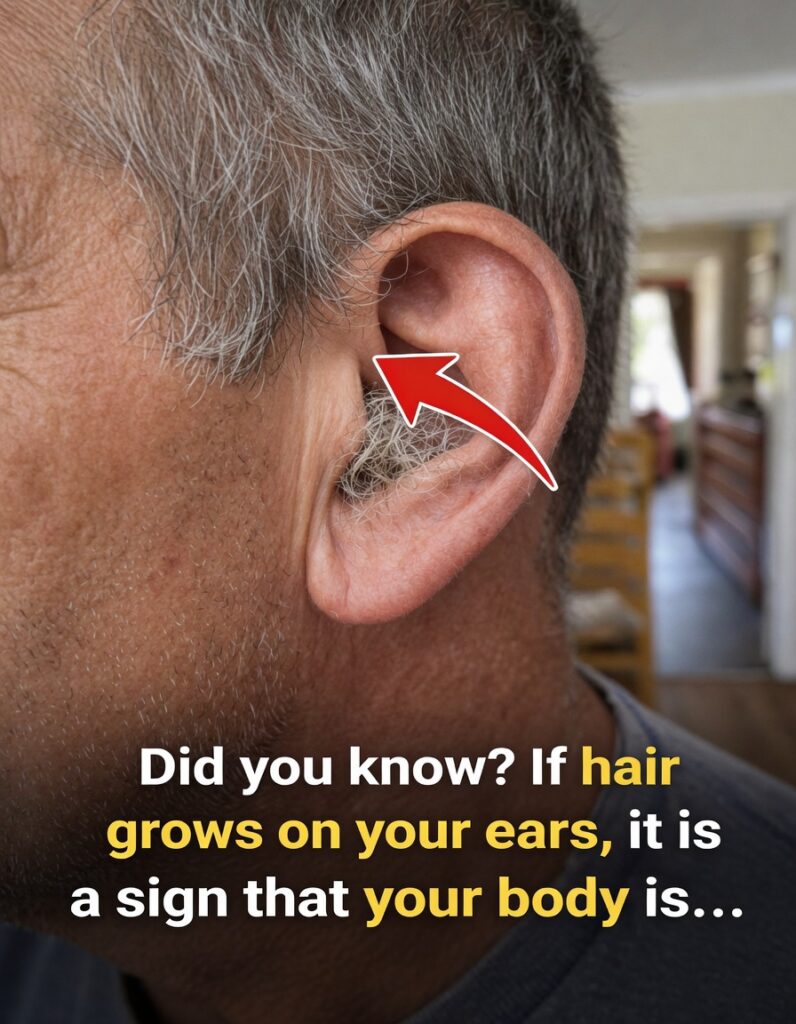
That tough, wiry hair that starts showing up in or around your ears—especially with age—often feels like just another odd side effect of getting older. You catch it in the mirror, grab a trimmer, and move on. For most people, it’s simply a minor grooming nuisance that arrives alongside gray hair and reading glasses.
But some clinicians point out that while ear hair is almost always harmless, certain patterns—or sudden changes—may be worth mentioning during routine checkups. Understanding what’s normal (and what isn’t) can help you stay calm, informed, and proactive about preventive health.
Why Ear Hair Often Becomes More Noticeable Over Time
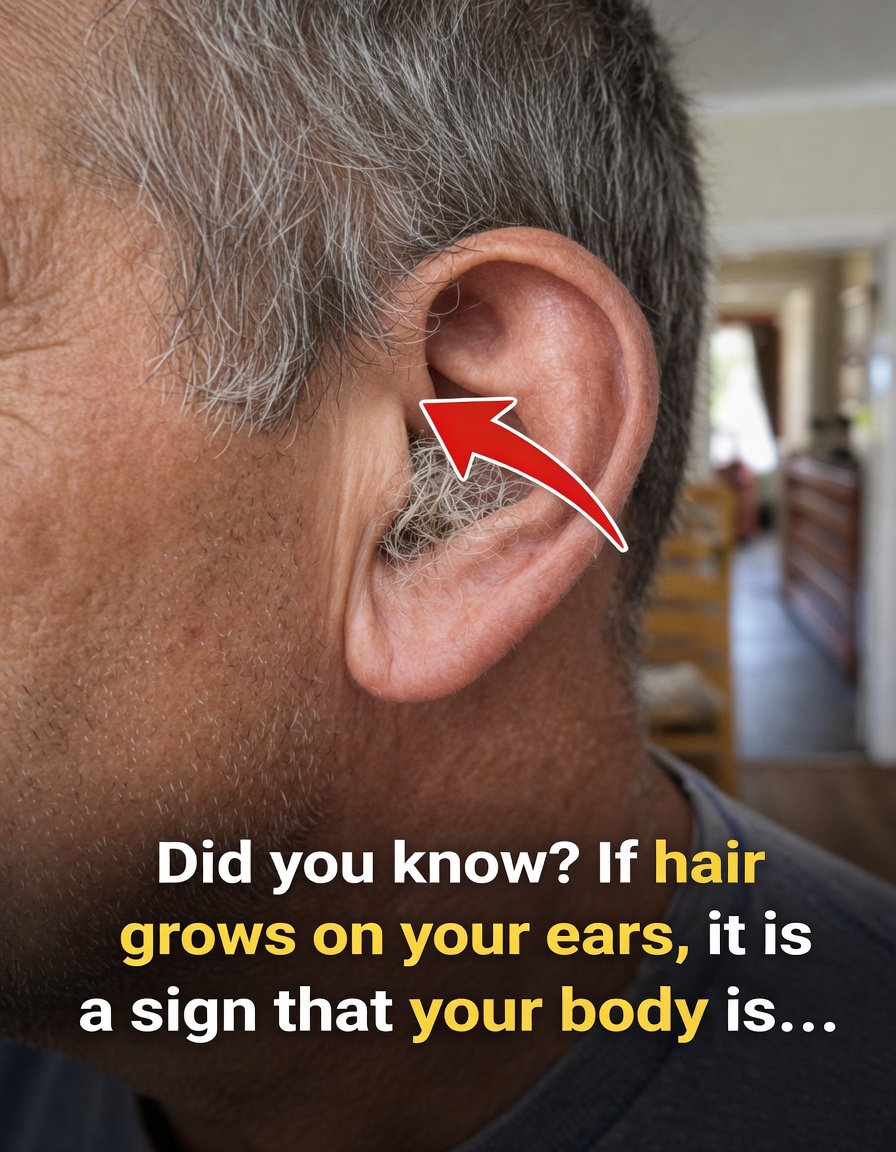
Ear hair tends to become more prominent as people—especially men—move into their 50s and beyond. One major reason is hormonal change. Testosterone levels may decline with age, but the balance between hormones shifts, and hair follicles in specific areas (like the ears, nose, and eyebrows) can become more sensitive to androgens.
As a result, hairs that were once fine and barely visible can gradually become:
- Thicker (coarser)
- Darker
- Longer
Genetics also matters
If close male relatives had obvious ear hair, chances are higher you’ll develop it too. Research suggests follicles in these regions can become increasingly reactive to hormonal signals with age—helping explain why this is such a common “older man” trait.
It can even be protective
A moderate amount of ear hair can serve a purpose by helping trap:
- Dust and small debris
- Tiny insects
- Particles that might otherwise reach the ear canal
Common, normal pattern: a slow, gradual increase of hair inside the ear canal or on the outer ear (pinna). In most cases, doctors consider this benign and expected.
When Ear Hair Could Be Worth Discussing with a Doctor
In general, hair inside the ear canal is considered a typical aging change. However, medical interest has occasionally focused on hair on the outer ear or earlobe, especially when seen alongside other physical features.
Ear canal hair vs. earlobe/outer-ear hair: the key distinction
Some studies have explored whether visible earlobe hair or an earlobe crease (often called Frank’s sign) might correlate with certain health risks. The findings are mixed, and experts do not treat ear hair alone as a dependable warning sign.
What research has suggested (and what it hasn’t)
- Older studies (1980s–1990s) reported a possible association between certain ear findings (such as ear canal hair paired with earlobe creases) and coronary artery disease in specific populations.
- More recent analyses show inconsistent results. Some find small correlations with cardiovascular risk factors (like age, obesity, or high blood pressure), while others find no meaningful independent link once major risks (smoking, diabetes, etc.) are considered.
Metabolic and hormonal considerations
A few studies have connected earlobe features (mostly creases, not hair) with markers related to insulin resistance or prediabetes. Separately, sudden or unusual hair growth patterns, especially when combined with other symptoms, can sometimes reflect broader hormonal changes. Examples include:
- Adrenal or endocrine shifts
- In women, androgen-related hair growth patterns (such as those seen in PCOS)
Rare genetic traits
A condition known as hypertrichosis pinnae auris (dense hair on the outer ear rim/helix) can run in families and has been reported in certain regions, including parts of India and Sri Lanka. It is typically harmless and not considered a disease marker.
Medical takeaway: Ear hair by itself is not a reliable “red flag.” However, it’s reasonable to seek guidance if you notice rapid change or ear hair appearing alongside symptoms such as:
- Unexplained weight gain
- Persistent fatigue
- Increased thirst or frequent urination
- New, unusual hair growth in other areas
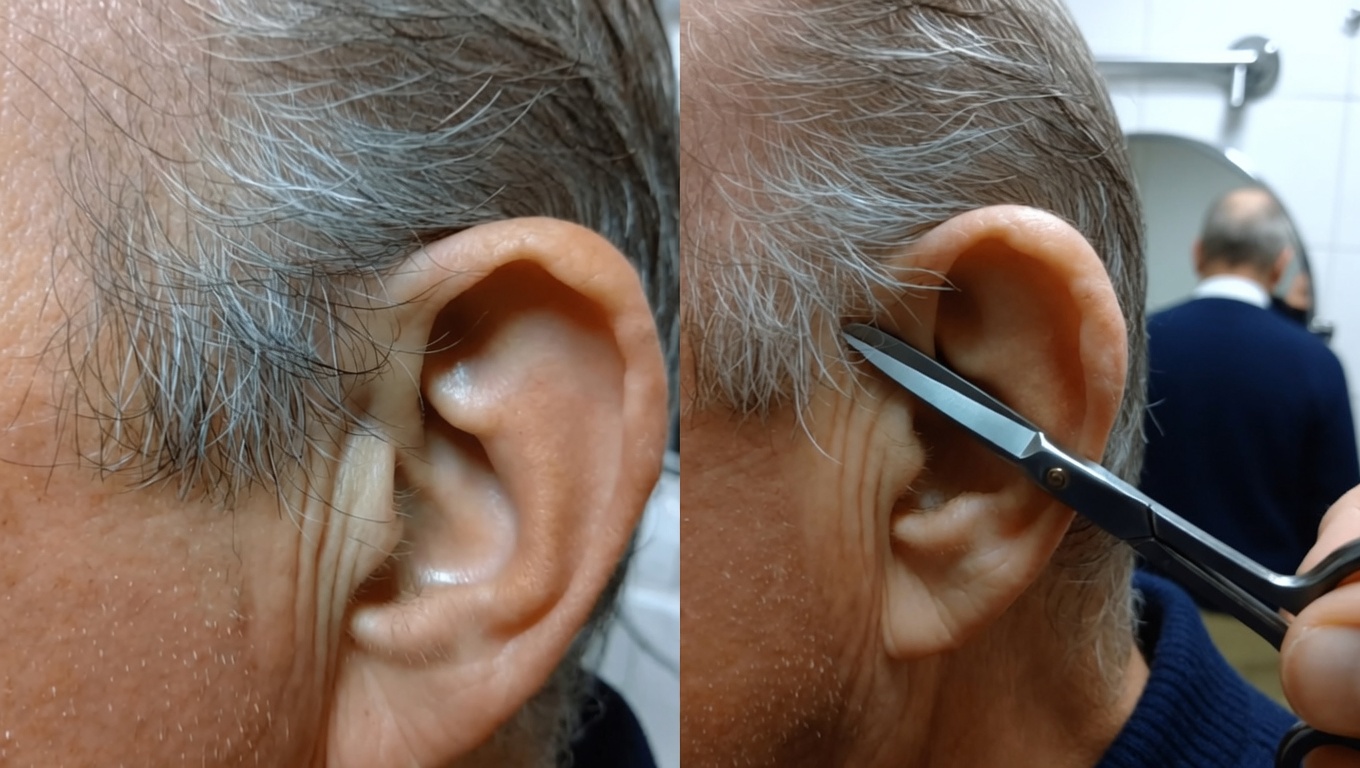
Safe, Practical Ways to Manage Ear Hair
If ear hair bothers you cosmetically or feels excessive, you can manage it safely at home. Clinicians generally recommend methods that reduce irritation and infection risk.
A simple, safer routine
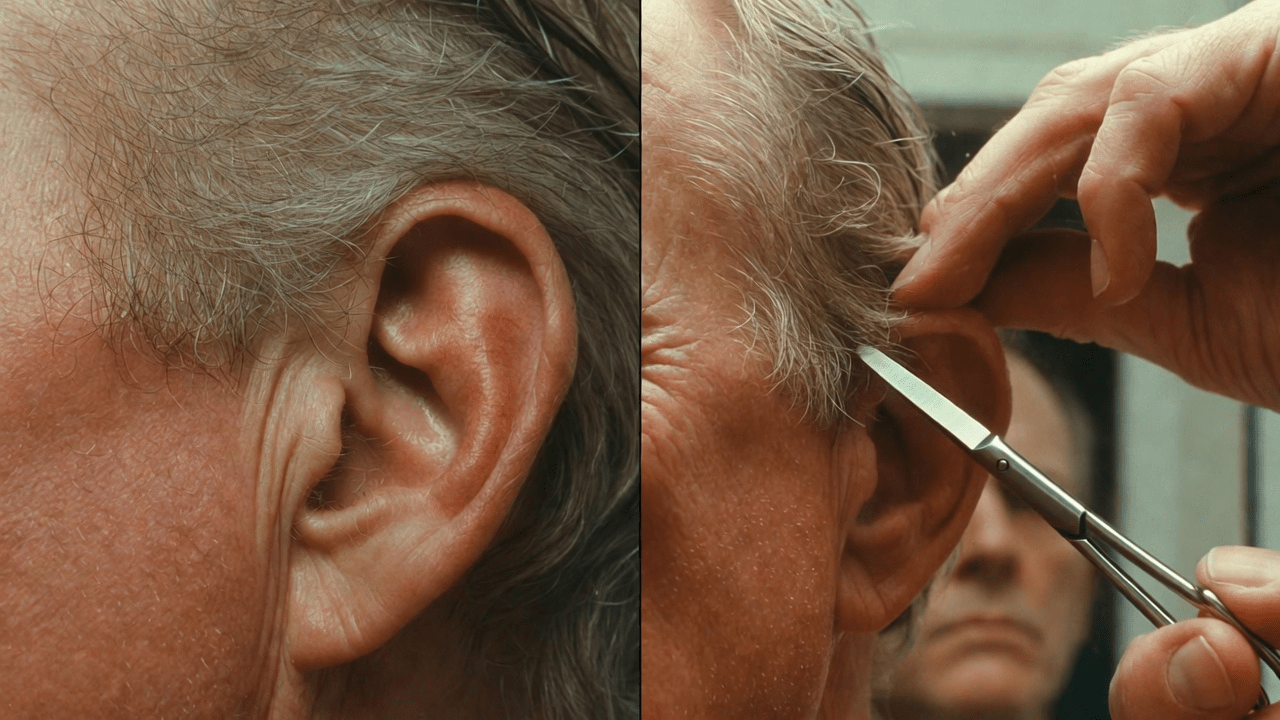
- Use proper tools: rounded-tip scissors made for ear/nose hair or a dedicated battery trimmer.
- Trim carefully: use good lighting and remove only what you can clearly see.
- Don’t go deep: avoid inserting tools far into the ear canal.
- Skip high-risk removal: avoid plucking (can trigger infections or ingrown hairs), waxing, or at-home laser devices on delicate ear skin.
- Keep tools clean: wipe with alcohol and keep the area dry after swimming or showers to reduce irritation.
The Bottom Line: Notice Changes—But Don’t Panic
For most people, ear hair is simply part of normal aging, no more alarming than wrinkles or slower recovery after exercise. When it develops gradually, it’s not unhygienic, not dangerous, and not a direct indicator of poor health.
Still, your body can communicate through subtle shifts. The healthiest approach is balanced: pay attention without fear. Maintain strong fundamentals (activity, nutrition, sleep), and bring up unusual changes during routine medical visits if something feels different.
Sometimes the smallest details simply prompt us to check in with our health—not out of anxiety, but out of care.
FAQ
Is ear hair a sign of heart disease?
Not on its own. Some older studies explored possible associations with earlobe features, but current evidence does not support ear hair alone as a reliable predictor. Proven risk factors—blood pressure, cholesterol, diabetes status, smoking, and lifestyle—matter far more.
Should women be concerned about ear hair?
It’s less common, but it can happen. If ear hair appears suddenly or comes with new hair growth on the face or chest, it may reflect hormonal changes. A clinician can help evaluate potential underlying causes.
Does trimming ear hair make it grow back thicker?
No. Trimming only cuts the hair shaft; it does not change the follicle or growth rate. Regrowth may feel coarser because the cut tip is blunt.
Disclaimer: This article is for informational purposes only and does not replace professional medical advice. Always consult a qualified healthcare provider for personalized guidance regarding health concerns.