
Testosterone After 50: Nutrient-Dense Foods That May Support Healthy Levels
As men move into their 50s and beyond, testosterone commonly declines little by little. For many, that shift shows up as lower energy, reduced strength, mood changes, or a general drop in vitality. It can be discouraging—especially when work, family, and daily responsibilities still demand sharp focus and steady stamina.
The good news: many men prefer to start with simple, non-invasive lifestyle choices before considering more aggressive options. Research suggests that certain whole foods—especially those rich in healthy fats, zinc, selenium, and vitamin D—may help support the body’s natural testosterone production and overall hormonal balance.
Inspired by wellness educator Barbara O’Neill’s practical emphasis on gentle, nutrition-based support, this guide highlights everyday foods you can realistically include in your routine. No single ingredient is a magic fix, but consistent habits often make the biggest difference. At the end, you’ll also find an easy twice-a-day protocol that puts everything together.
Why Nutrition Matters More After 50
Testosterone production depends on more than just age or genetics—it also relies on having the right nutritional “raw materials.” The body uses:
- Cholesterol as a starting building block for hormone synthesis
- Key minerals like zinc and selenium for enzyme activity and cellular protection
- Vitamin D and other vitamins that influence hormone-related pathways
Studies have linked low zinc and low vitamin D status with lower testosterone in many men, especially when deficiencies are present. In addition, Mediterranean-style eating patterns—known for olive oil, seafood, and antioxidant-rich plants—are frequently associated with better metabolic and hormone markers in older adults. The goal isn’t extremes; it’s giving your body what it needs consistently.
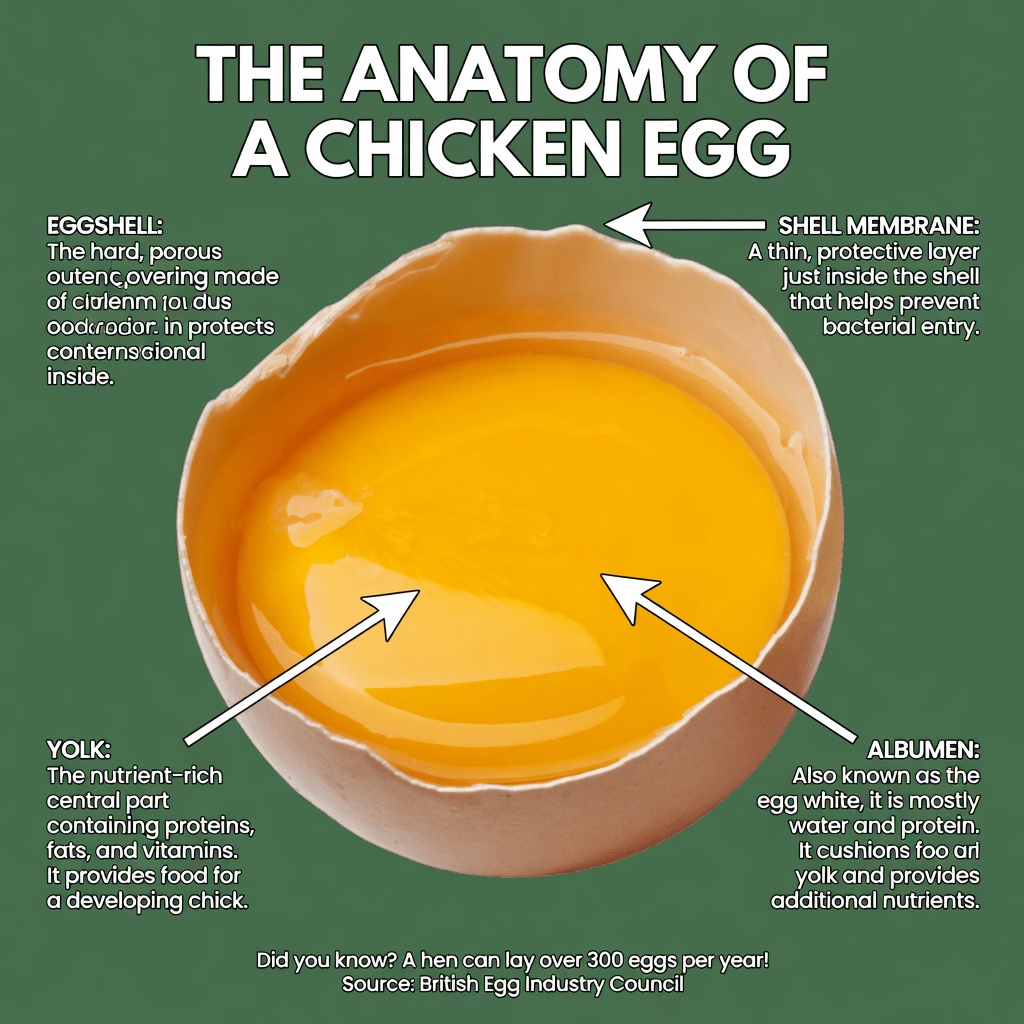
1) Egg Yolks: A Practical Hormone Building Block
Whole eggs (including the yolk) are notable for providing dietary cholesterol, which the body can use as a precursor for hormone production. Egg yolks also contain vitamin D and several B vitamins that support energy metabolism and hormone-related functions.
Many studies show that vitamin D levels often track with testosterone levels, particularly in men who are deficient.
- How to use: Aim for 1–2 whole eggs most days (boiled or poached are easy options).
- Simple upgrade: Combine eggs with vegetables to add fiber and micronutrients.
2) Vitamin D Foods (Plus Sunlight): The “Sunshine Nutrient”
Vitamin D plays a meaningful role in male health, and observational research often links healthier vitamin D levels with more favorable hormone profiles.
Sun exposure is one of the most efficient ways to maintain vitamin D status, but food matters too.
-
Best natural sources: Fatty fish such as salmon and mackerel
-
Also helpful: Fortified foods (varies by country and product)
-
Daily step: Try a 10–20 minute morning walk with sunlight on the face and arms (as appropriate for your skin and climate), followed by a vitamin D-rich meal.
3) Shellfish: Zinc-Rich Support (Oysters, Prawns, and More)
If you’re prioritizing zinc, oysters are one of the most concentrated food sources available. Zinc is essential to testosterone production, and zinc deficiency is repeatedly associated with reduced testosterone in clinical and nutritional research.
Other shellfish such as prawns can also contribute useful minerals, including selenium, which supports antioxidant defenses and reproductive health.
- How to use: Add a modest serving of oysters or prawns once or twice per week for an easy nutrient boost.
4) Brazil Nuts: Small Snack, Big Selenium
Brazil nuts are famous for one reason: selenium. In many cases, just 1–2 nuts per day can deliver a substantial amount of this antioxidant mineral.
Selenium supports thyroid function and helps protect cells from oxidative stress, which may indirectly benefit hormone signaling and overall vitality.
- Easy idea: Add Brazil nuts to yogurt or blend into a smoothie (keep portions small).
5) Extra Virgin Olive Oil: Anti-Inflammatory Healthy Fats
Cold-pressed extra virgin olive oil supplies monounsaturated fats that support healthier lipid balance and help reduce inflammation—both relevant to endocrine and metabolic health. Dietary pattern research consistently places olive oil at the center of hormone-friendly eating approaches like the Mediterranean diet.
- Daily habit: Drizzle over salads and vegetables, or use as a finishing oil at meals.
6) Maca Root: Traditional Vitality Support (Without Forcing Hormones)
Maca is a Peruvian root often used traditionally for stamina, mood, and libido. Some studies suggest maca may improve sexual well-being and energy without necessarily increasing testosterone directly—possibly by influencing stress response and overall endocrine signaling.
- How to use: Start with 1 teaspoon maca powder in coffee, tea, or a smoothie, and adjust based on how you feel.
7) Raw Cacao or Dark Chocolate: Magnesium, Mood, and Stress Balance
Cacao (and dark chocolate with 85%+ cocoa) is a natural source of magnesium, a mineral involved in stress regulation and many biochemical processes. Since chronic stress and elevated cortisol can interfere with hormonal balance, supporting stress resilience can be part of a testosterone-friendly lifestyle.
Cacao also delivers antioxidants that support broader wellness.
- How to use: Enjoy a small portion in the evening, or add unsweetened cacao powder to smoothies.
8) Garlic: Circulation Support and a Better Stress Environment
Fresh garlic contains allicin, a compound associated with cardiovascular and metabolic benefits. Some research suggests garlic may help reduce stress-related factors (including cortisol), which could create a more favorable environment for hormone balance. Better circulation and heart health also support overall vitality.
- Best practice: Crush garlic and let it sit 5–10 minutes before cooking to improve allicin availability.
9) Greek Yogurt: Gut Health for Better Nutrient Absorption
Hormone health isn’t only about what you eat—it’s also about what you absorb. A healthy gut supports nutrient uptake, which matters when you’re relying on minerals and vitamins to fuel endocrine function.
Greek yogurt offers:
-
Probiotics (depending on brand and cultures used)
-
High-quality protein
-
Calcium
-
Simple evening option: Mix Greek yogurt with cacao, crushed Brazil nuts, and a small touch of honey.
A Simple Twice-a-Day Protocol (Morning + Evening)
To make this approach realistic, anchor it to routines you already have.
Morning Routine
- Greek yogurt bowl topped with:
- 1 tsp maca
- raw cacao
- a light drizzle of extra virgin olive oil
- 1–2 Brazil nuts
- 1–2 boiled eggs
- Vitamin D support: morning sunlight exposure and/or vitamin D-rich foods
Evening Routine
- Dinner built around:
- Garlic-seasoned prawns or oysters
- vegetables dressed with olive oil
- Optional: a small square of dark chocolate
- Optional pre-bed snack: Greek yogurt (especially if it helps replace late-night cravings)
Consistency matters. Small actions repeated daily tend to outperform occasional “perfect” weeks.
Final Thoughts: Start Small, Stay Consistent
Supporting testosterone and hormonal balance after 50 doesn’t require drastic restrictions or complicated plans. By regularly choosing nutrient-dense foods—especially those supplying healthy fats, zinc, selenium, magnesium, and vitamin D—you give your body steady, gentle support that may translate into better energy, strength, and mood over time.
Pair these food choices with regular movement and quality sleep, and many men notice meaningful improvements in day-to-day vitality.
FAQ
Can these foods really help men over 50?
They can support overall hormonal health by improving intake of key nutrients—especially zinc, selenium, and vitamin D—that research often associates with testosterone maintenance and metabolic well-being. They work best as part of a balanced lifestyle.
How long does it take to feel a difference?
It varies. Many people report changes after 4–12 weeks of consistent habits, especially when diet improvements are combined with better sleep and regular activity.
Any precautions to keep in mind?
Yes. Use caution and consult a qualified professional if you:
- have shellfish allergies (oysters/prawns)
- have thyroid concerns or are managing selenium intake (Brazil nuts)
- take medications or have ongoing medical conditions
Disclaimer
This article is for informational purposes only and does not provide medical advice. Results vary by individual. These foods may support general wellness but are not intended to diagnose, treat, cure, or prevent any condition. Always consult a qualified healthcare professional before making dietary changes, especially if you have health conditions or take medications.