Many people over 40 begin to notice small but persistent shifts in vision—more eye fatigue after screens, occasional dryness, and slower adjustment when moving into dim light. These changes are often influenced by age-related oxidative stress, ongoing blue-light exposure, and everyday environmental pressure. Over time, this internal stress load can raise the risk of common concerns such as macular changes or gradual lens clouding. While eye-care habits and targeted supplements can be helpful, daily nutrition—especially antioxidant-rich herbs—offers a simple, enjoyable way to support long-term eye wellness.
A question worth exploring: can an everyday kitchen herb meaningfully contribute to eye support through its plant compounds? Oregano is increasingly discussed for its robust antioxidant profile. Below, you’ll learn how oregano may fit into a vision-friendly lifestyle in a practical, food-first way.
Why Eye Health Becomes a Bigger Priority After 40
Aging eyes often respond more strongly to modern routines like extended screen time, reading under suboptimal lighting, and frequent exposure to wind, pollution, or dry indoor air. These factors can increase irritation and strain. Research frequently links vision decline in adults over 40 with oxidative stress and low-grade inflammation—processes that can affect delicate structures like the retina and the lens.
Many people try strategies such as:
- Eating more lutein-rich foods
- Using lubricating eye drops
- Wearing blue-light filtering lenses
These can be useful, but results vary and consistency can be hard to maintain. This is where supportive dietary choices—particularly herbs packed with protective compounds—can complement your routine without feeling like “another task.”
Notably, Mediterranean-style eating patterns, which commonly include herbs like oregano, are often associated with more favorable long-term health trends, including patterns related to age-associated eye concerns. While this does not prove oregano alone is the reason, it highlights how small plant-based additions may matter over time.
What Makes Oregano a Standout Herb for Eye Support?
Oregano (Origanum vulgare) is far more than a garnish. It contains bioactive compounds—especially carvacrol and rosmarinic acid—that show strong antioxidant and anti-inflammatory activity in laboratory and animal research. These actions may help reduce free-radical damage, a key contributor to oxidative stress in many tissues, including those involved in vision.
Although direct human studies focused specifically on oregano for eye outcomes are still developing, oregano’s well-studied antioxidant profile aligns with nutrition patterns that support healthy aging. In other words, it may be a helpful “supporting player” inside a broader eye-friendly lifestyle.
12 Evidence-Informed Ways Oregano May Support Eye Wellness
Below are areas where oregano’s plant compounds show potential, based on research into antioxidant defense, inflammation balance, circulation support, and protection from environmental stressors.
-
Antioxidant support for retinal tissues
Compounds such as carvacrol and rosmarinic acid help neutralize free radicals associated with aging and blue-light exposure, which may help reduce oxidative stress burden in eye-related tissues. -
Inflammation-calming effects that may improve comfort
Oregano’s anti-inflammatory actions seen in preclinical studies may support overall comfort, especially for people prone to irritation. -
Macula-friendly carotenoids (in smaller amounts)
Oregano contains modest levels of carotenoids such as lutein and zeaxanthin (lower than leafy greens). These pigments are known to concentrate in the macula and help filter high-energy light. -
Circulation support for nutrient delivery
Healthy blood flow helps transport oxygen and nutrients to eye structures. Oregano compounds are studied for properties that may support circulation. -
Potential lens protection through oxidative balance
Oxidative stress contributes to protein changes that can reduce lens clarity over time. Antioxidants may help limit these processes. -
May ease dryness-related discomfort
By supporting inflammation balance, oregano may indirectly support tear film comfort and ocular surface stability for some individuals. -
Support for low-light adaptation (indirect)
Antioxidant support plus circulation support may help maintain overall visual performance, including in challenging lighting. -
Long-term resilience through consistent antioxidant intake
Regular intake of antioxidant-rich foods can help build systemic defenses that also benefit the eyes. -
May help buffer blue-light-related stress (in models)
Research on rosmarinic acid and related compounds suggests potential protective effects against light-induced stress in retinal models. -
Tear film balance support (comfort-focused)
Inflammation control plays a role in moisture balance; oregano’s properties may contribute indirectly. -
Support for balanced internal eye environment
Circulation and inflammation balance are associated with overall ocular function and internal dynamics. -
Fits well within Mediterranean dietary patterns linked to healthier aging
Diets rich in herbs, vegetables, and healthy fats often correlate with better long-term outcomes, including patterns relevant to eye wellness.
Quick Comparison: Common Eye-Support Approaches
- Lutein supplements: targeted and convenient, but can be costly and may be synthetic
- Eye drops: fast relief for dryness, but typically temporary and formula-dependent
- Oregano in meals: affordable, flavorful, and offers multiple plant compounds through whole-food use
Easy, Practical Ways to Use Oregano Daily
You don’t need complicated routines. Start with small, consistent habits:
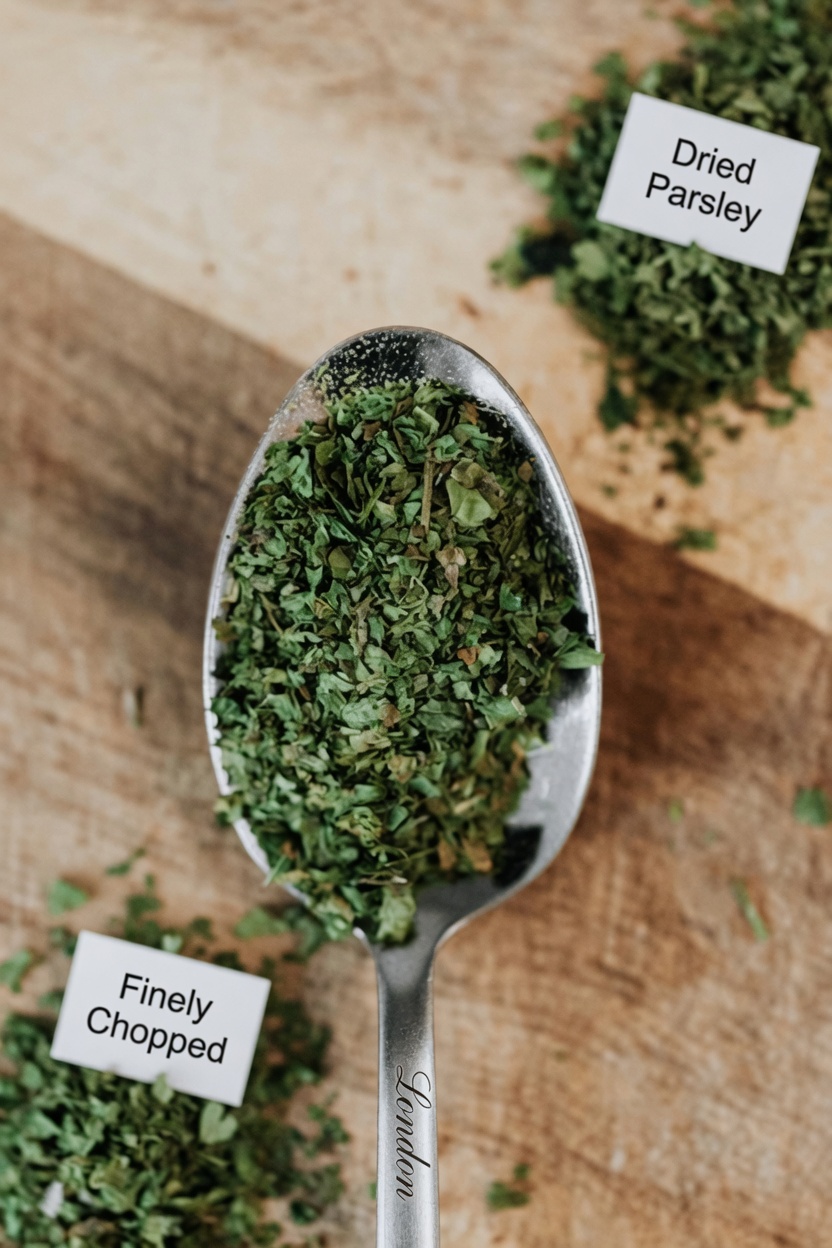
- Oregano tea: Steep 1 teaspoon dried oregano in hot water for 10 minutes; drink once daily.
- Add to everyday meals: Sprinkle fresh or dried oregano on salads, soups, roasted vegetables, pasta, or beans.
- Pair with healthy fats: Combine with olive oil to support absorption of fat-soluble compounds.
- Optional: food-grade oregano oil (with caution): Only use if it’s intended for culinary use, start extremely low, and consult a qualified professional first.
- Create synergy: Pair oregano with carotenoid-rich foods like spinach or carrots.
Quick “Pro Tips” for Better Use
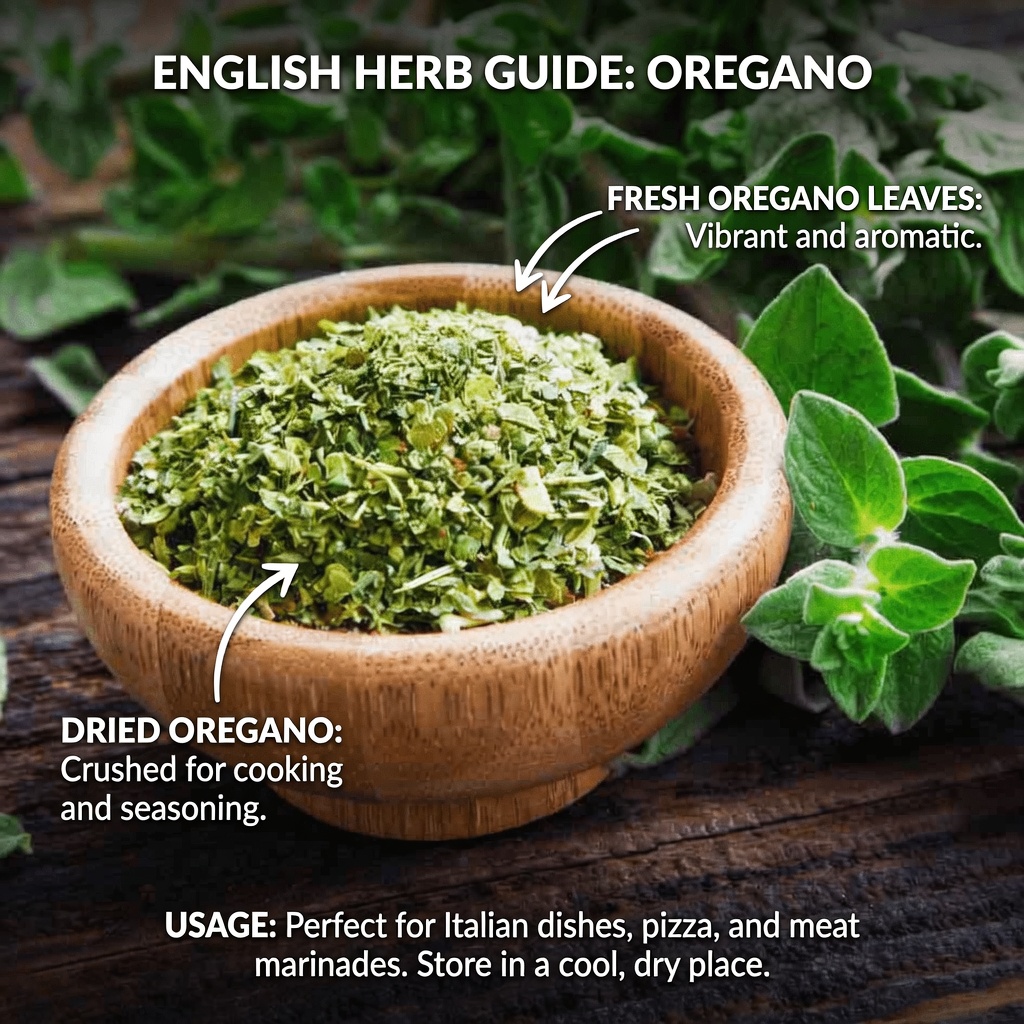
- Fresh oregano can be more aromatic; dried oregano is convenient and concentrated
- Make it a habit: a daily cup of tea or a standard seasoning routine
- Use with fats (olive oil, avocado) for better uptake
- Never apply oregano oil directly to the eyes; avoid self-experimentation with topical use unless advised by a professional
What Timeline Should You Expect?
Results vary based on overall diet, screen habits, sleep, hydration, and existing eye conditions, but a realistic, habit-based timeline may look like:
- Weeks 1–2: some people notice less strain or improved day-to-day comfort
- Weeks 3–4: steadier focus during routine tasks may become more noticeable
- Month 2 and beyond: benefits are more likely to reflect long-term lifestyle consistency
Other foods like kale and supplements like bilberry also have strong reputations, but oregano stands out for its accessibility, affordability, and broad culinary use—making consistency easier.
The Takeaway: A Simple Food Habit That May Help Your Eyes
Oregano may support eye wellness by helping the body manage oxidative stress and inflammation—two underlying processes that can influence how eyes feel and function with age. For the best overall effect, use oregano as part of a Mediterranean-style pattern emphasizing vegetables, legumes, fish, olive oil, and a variety of herbs.
If you want a low-effort first step, start with oregano tea or add oregano to a daily meal. For an extra nutrition boost, combine oregano-rich meals with vitamin C foods such as citrus.
Frequently Asked Questions
Can oregano replace eye supplements?
No. Oregano is best viewed as a complementary, whole-food addition. Supplements offer concentrated doses, while oregano provides a broader mix of plant compounds in a culinary format.
Is oregano safe to use every day?
In normal food amounts, oregano is generally considered safe for most people. High-dose oregano oil can interact with medications or irritate sensitive systems. If you are pregnant, managing a medical condition, or taking medication, consult a healthcare professional.
How much oregano is a reasonable daily amount?
A practical target is 1–2 teaspoons of dried oregano per day, used in tea or meals. Consistency usually matters more than large quantities.
Medical Disclaimer
This article is for informational purposes only and does not provide medical advice. It is not intended to diagnose, treat, cure, or prevent any disease. Always consult your healthcare provider before changing your diet or health routine, especially if you have existing eye conditions or concerns.