Hibiscus and Ginger Tea: A Bright, Tart Drink for Heart, Circulation, and Metabolic Support
Living with ongoing fatigue related to high blood pressure, end-of-day leg swelling, or constant concerns about circulation and unstable blood sugar can drain your energy and make simple routines feel harder than they should. It’s no surprise that many people look for natural, everyday ways to support cardiovascular wellness—starting with small, consistent lifestyle choices.
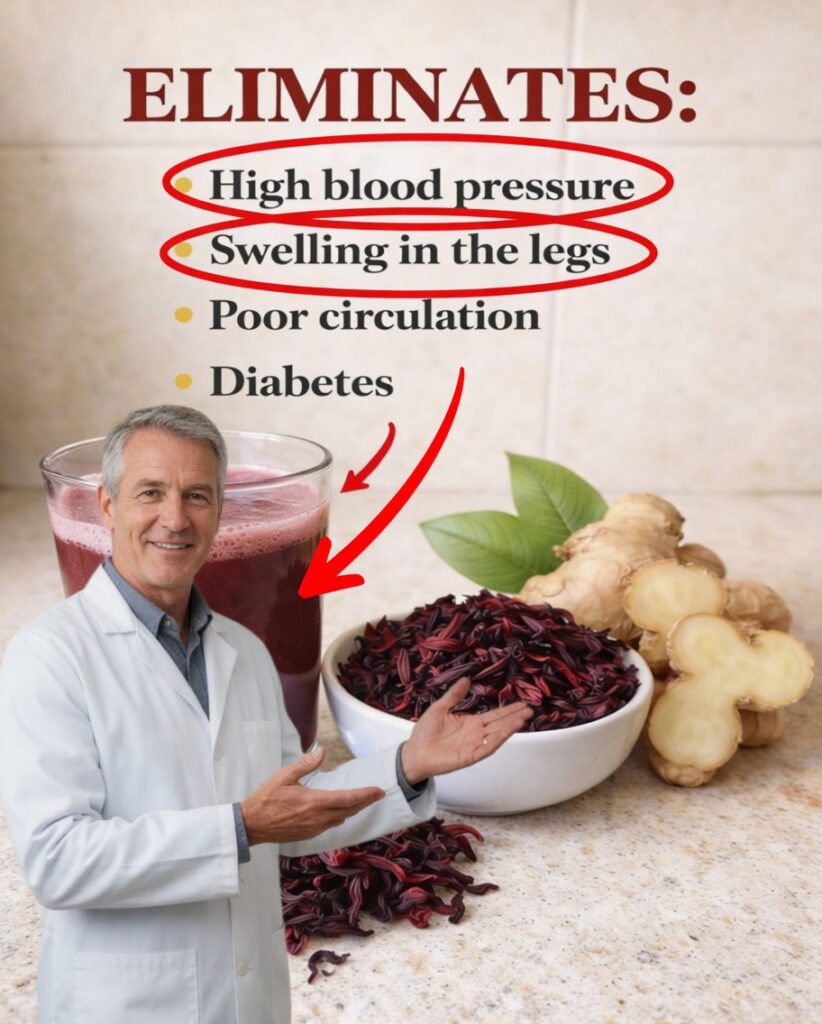
One option that’s getting increasing attention is a bold, ruby-colored herbal infusion: hibiscus and ginger tea. This refreshing, tangy drink uses accessible ingredients and may complement a heart-healthy routine. Below, you’ll learn why this tea blend is popular, what research suggests, and how to make it at home.
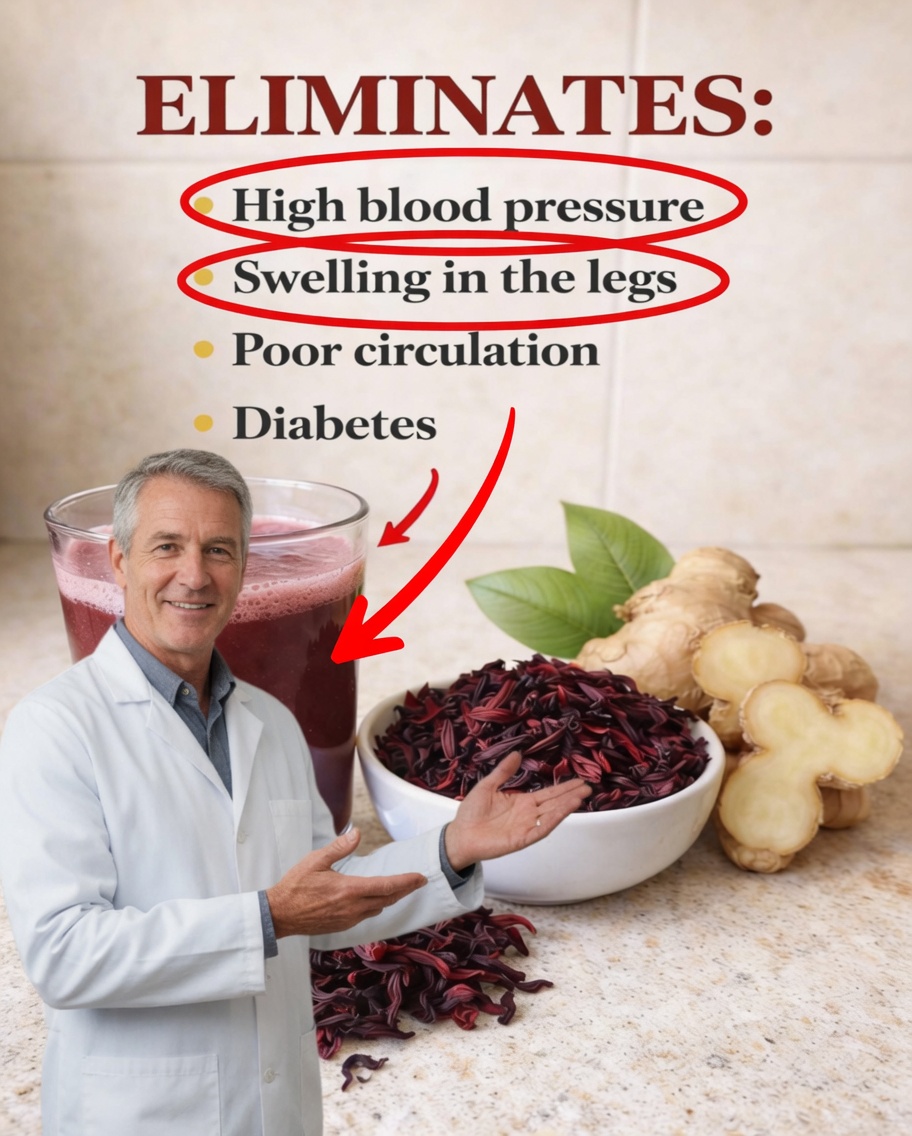
Why Hibiscus and Ginger Tea Is Trending
Hibiscus tea is brewed from the dried calyces (sepals) of Hibiscus sabdariffa (often called roselle). It’s known for its deep red color and a pleasantly tart flavor that many compare to cranberry.
Add fresh ginger, and the taste becomes more balanced—tangy with a warm, spicy finish. Beyond flavor, this pairing is interesting because both ingredients contain bioactive compounds that researchers continue to study:
- Hibiscus is rich in antioxidants, including anthocyanins and polyphenols, which may help reduce oxidative stress.
- Ginger contains gingerol, widely recognized for digestive support and its role in healthy inflammatory responses.
Together, hibiscus and ginger may offer complementary support for blood pressure, circulation, and metabolic health.
What Studies Suggest About Hibiscus Tea Benefits
Research—including randomized controlled trials, systematic reviews, and meta-analyses—has explored hibiscus tea’s impact on several markers linked to cardiovascular and metabolic wellness.
1) Supporting Healthy Blood Pressure
Several clinical trials suggest that regular hibiscus tea consumption may help lower blood pressure, especially in people with mild to moderate hypertension. Meta-analyses have reported meaningful reductions in systolic blood pressure, with results that can be comparable to certain lifestyle-focused approaches when used consistently over weeks.
2) Blood Sugar and Metabolic Health Support
Hibiscus has also been investigated for its potential role in glycemic control. Some reviews point to possible improvements such as lower fasting blood glucose and better insulin sensitivity in certain settings. While more human research is still needed, early findings are encouraging for people focused on maintaining balanced blood sugar.
3) Cholesterol and Lipid Profile Effects
Some analyses indicate hibiscus may contribute to a healthier lipid profile, including:
- Potential reductions in LDL (“bad”) cholesterol
- Support for overall cardiovascular wellness, particularly when paired with other healthy habits
4) Circulation Support and Fluid Retention
Hibiscus is sometimes described as having a mild diuretic effect, which may help with temporary water retention and related swelling. Ginger’s studied role in supporting healthy inflammation may further complement circulation-focused goals. Some research also discusses vascular and endothelial function—important factors in overall blood flow.
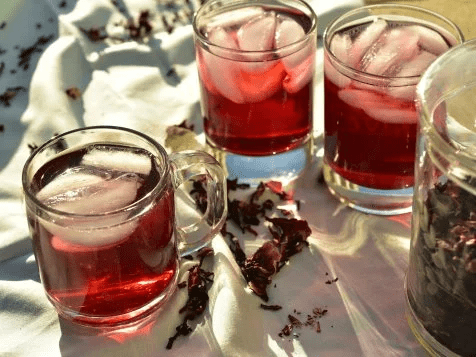
Science-Backed Benefits at a Glance
Here’s what the research most commonly associates with hibiscus (and what the ginger pairing may support):
- Blood pressure support: reductions in systolic and diastolic readings in multiple trials
- Blood sugar balance: lower fasting glucose in some reviews (more research needed in humans)
- Cholesterol management: potential improvement in LDL and total cholesterol in some studies
- Circulation and swelling: possible diuretic effects and vascular support
- Antioxidant intake: high levels of polyphenols and anthocyanins linked to oxidative stress defense
These insights come from nutrition and clinical research sources, including trials and large-scale analyses involving hundreds of participants.
How to Make Hibiscus Ginger Tea (Simple Recipe)
This recipe yields about 2–4 cups and takes only a few minutes.
Ingredients
- 1/4 cup dried hibiscus flowers (hibiscus sabdariffa calyces / roselle)
- 1–2 inches fresh ginger, thinly sliced or grated
- 4–5 cups water
- Optional: lemon or lime juice, and a small amount of honey (use sparingly)
Step-by-step instructions
- Bring the water to a boil.
- Add dried hibiscus and ginger.
- Lower the heat and simmer for 10–15 minutes.
- Strain into cups or a pitcher.
- Drink warm, or chill for a refreshing iced tea.
- Consider 1–3 cups daily as part of a balanced routine.
If you’re new to hibiscus tea, start with one cup per day to assess how you feel and how your body responds.
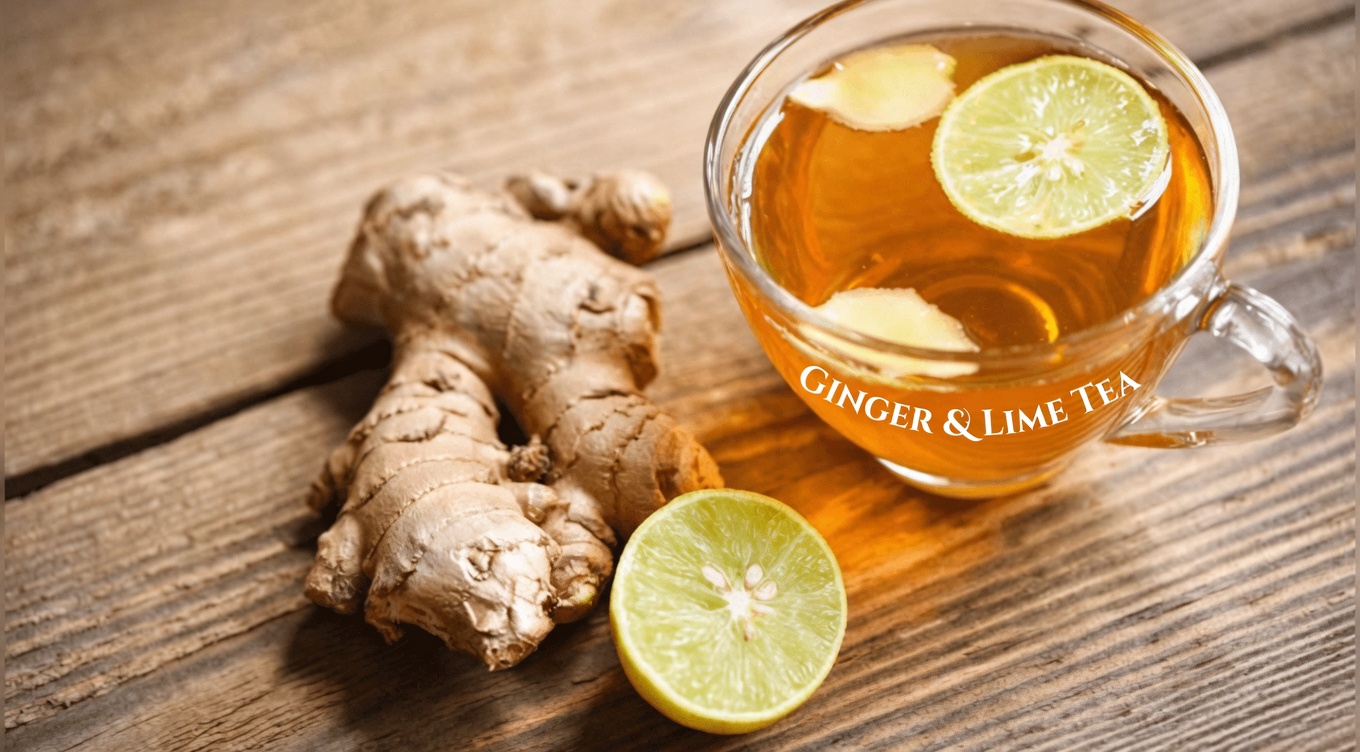
Tips to Get the Most From This Tea
- Be consistent: many studies showing benefits use daily intake for 4–8 weeks.
- Pair it with healthy habits: regular walking or movement, a fiber-rich diet, and stress management often amplify results.
- Pay attention to your body: note changes in energy, leg comfort, or overall well-being.
- Try flavor variations: mint adds freshness; a cinnamon stick adds warmth and depth.
Frequently Asked Questions
Is hibiscus ginger tea safe to drink every day?
For most people, yes—when consumed in moderate amounts. It’s naturally caffeine-free and generally well tolerated. If you’re sensitive to herbal teas, begin with a smaller serving.
Can hibiscus and ginger tea replace medication?
No. This tea is a supportive wellness beverage, not a substitute for prescribed treatment. Follow your clinician’s plan for any diagnosed condition.
Who should be cautious with hibiscus tea?
Consult a healthcare professional first if you:
- are pregnant or breastfeeding
- take blood pressure medications
- have low blood pressure
- manage a medical condition where herb–drug interactions may matter
Final Takeaway: A Small Daily Habit With Real Potential
Adding hibiscus and ginger tea to your routine can be an easy, flavorful way to increase antioxidant intake while supporting heart health, circulation, and metabolic balance. Research is promising, but outcomes vary, and the best results typically come from combining tea with broader lifestyle improvements.
Disclaimer: This article is for informational purposes only and does not provide medical advice. Hibiscus and ginger tea is not intended to diagnose, treat, cure, or prevent any disease. Speak with a qualified healthcare professional before changing your diet—especially if you have medical conditions or take medications.