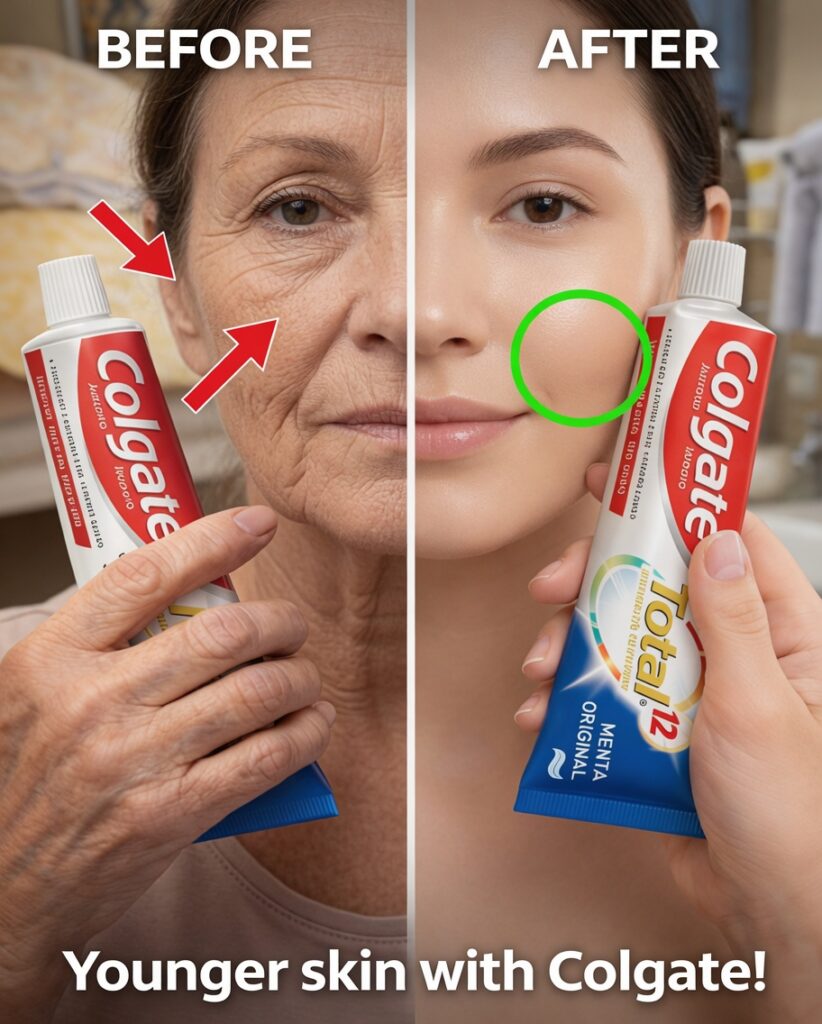
The Viral Toothpaste + Hand Cream Hack: Does It Really Work?
You may have seen the social media videos where someone mixes toothpaste with hand cream and suddenly their hands look smoother and “refreshed.” This DIY trick is often framed as an instant solution for dry, dull, or tired-looking hands—especially right before photos, events, or a night out.
But once the hype fades, a practical question remains: is this trend actually good for your skin, or is it just a temporary sensation that could backfire? The most surprising takeaway is that real hand transformation usually comes from consistent, everyday protection—not quick fixes.
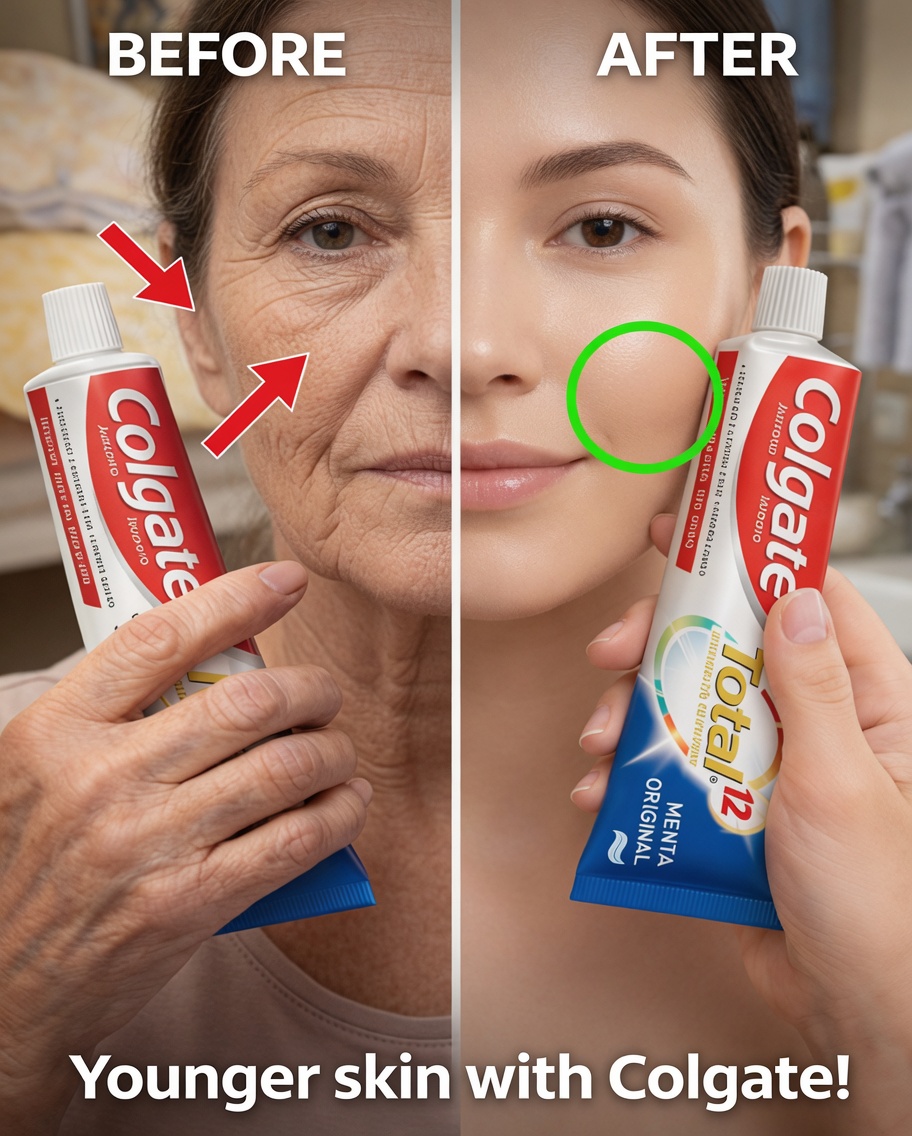
What the Toothpaste-and-Hand-Cream Trend Actually Is
At its core, the hack is simple: blend a small amount of toothpaste into your regular hand cream, apply it to your hands briefly, then rinse or wipe it off. Many videos highlight a fast “before and after,” often within a minute.
The appeal isn’t mysterious. Toothpaste can create an immediate cooling or tingling feeling, and the cream adds slip and softness—so your hands may feel smoother right away. This instant sensory payoff is a big reason people keep trying it.
This trend also fits neatly into a larger DIY skincare culture where household items get repurposed as beauty treatments. Similar experiments gained momentum during lockdown periods, when more people tested at-home routines and shared results online.
Why This Hack Went Viral So Fast
Trends spread quickly when they are easy to copy, cheap, and visually satisfying—exactly what this one offers. TikTok and Instagram creators can demonstrate the entire process in under 60 seconds, with a dramatic “transformation” narrative.
Key reasons it took off:
- Low cost and easy access: Toothpaste and hand cream are already in most homes.
- Instant gratification: The cooling tingle and temporary smoothness feel like immediate results.
- Mass sharing and testimonials: Challenges, duets, and comment-driven “proof” push reach further.
Research on social behavior online (including findings often referenced by organizations like Pew Research Center) consistently shows that quick, feel-good transformation content performs extremely well. That helps explain why this hack keeps resurfacing—even when experts raise concerns.
The Science: What Toothpaste Ingredients Can Do to Skin
Toothpaste is engineered for teeth and gums, not for the skin barrier on your hands. Still, understanding the ingredient behavior explains why it seems to “work” at first.
Common toothpaste components include:
- Menthol: creates a cooling sensation that can feel refreshing
- Mild abrasives: help polish teeth; on skin, they may act like rough exfoliants
- Humectants: help prevent toothpaste from drying out in the tube, sometimes giving a temporary “smooth” feel
Hand creams, on the other hand, usually rely on emollients and humectants such as glycerin or shea butter to soften and reduce moisture loss. When combined, the cream can act like a buffer—briefly reducing how harsh the toothpaste feels.
Dermatology sources (including guidance aligned with organizations like the American Academy of Dermatology) suggest that some effects—like temporary tightening or “clean” smoothness—may mimic what people associate with professional treatments. The difference is that professional formulas are designed for skin pH, barrier support, and controlled exfoliation.
A simple ingredient comparison:
- Menthol (toothpaste): refreshing sensation, but can irritate or sting sensitive skin
- Abrasives (toothpaste): mild exfoliation effect, but may increase dryness
- Fluoride (toothpaste): beneficial for enamel; not intended for leave-on skin exposure
In small, brief contact, these ingredients may not cause harm for everyone—but repeated or prolonged exposure is where problems become more likely.
Risks and Downsides: Why Toothpaste Can Be Harsh on Hands
Even if it looks harmless in a short video, toothpaste can interfere with your skin’s natural balance. Many formulas contain detergents and strong cleansing agents intended to break down plaque and residue—meaning they can also strip protective oils from your hands.
Possible outcomes include:
- Short-term irritation: tingling can shift into stinging, redness, or a burning sensation
- Barrier disruption over time: hands may become more reactive to cold weather, frequent washing, and friction
- More dryness (and faster visible aging): dehydrated skin can look rougher and show fine lines sooner
- Higher risk for sensitive users: whitening agents, flavoring, and fragrance can trigger reactions
People with eczema, dermatitis, cracked skin, or known allergies should avoid experimenting, since compromised skin barriers are more likely to react.
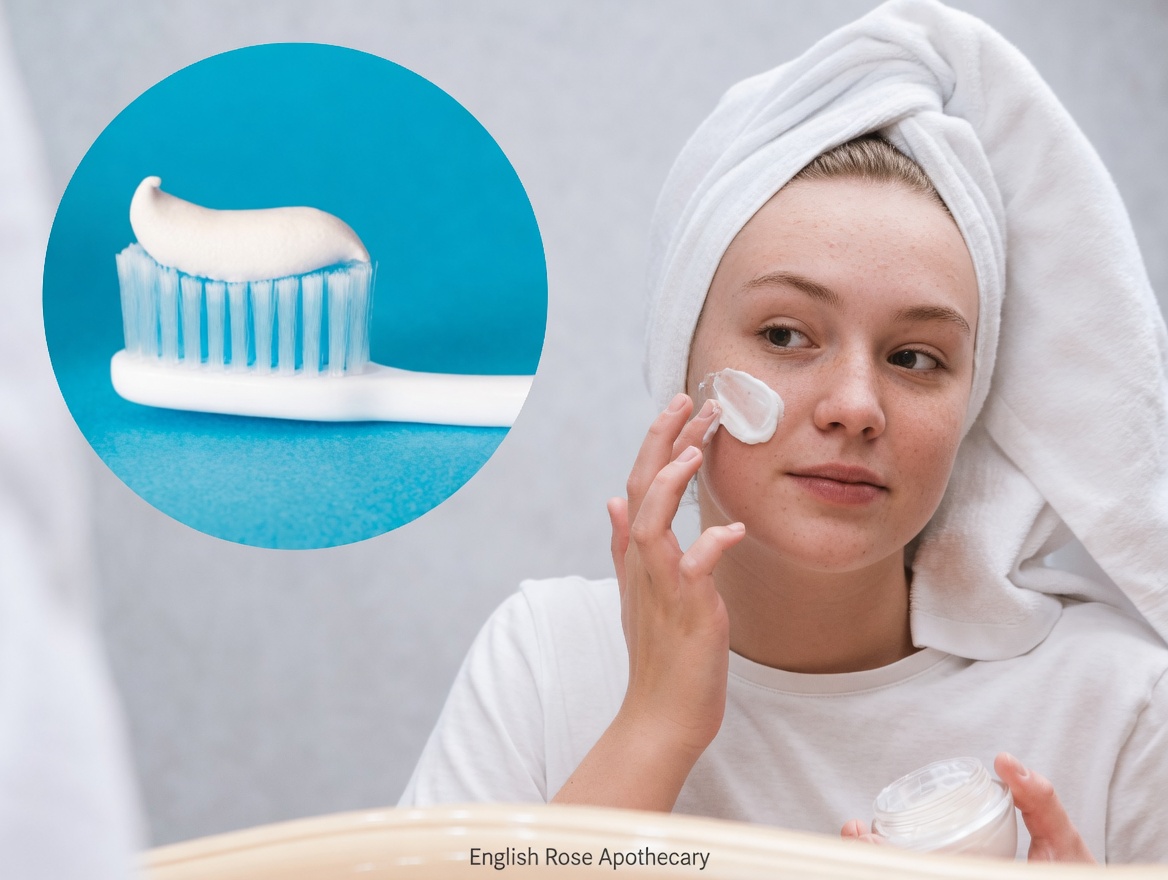
How to Try It More Safely (If You Still Want to Experiment)
If curiosity wins, the safest approach is to treat this like a very occasional experiment—not a regular routine.
Follow these steps:
-
Choose gentler products
- Use a basic, non-whitening toothpaste
- Pick a fragrance-free hand cream to reduce irritation risk
-
Mix a small amount
- Combine a pea-sized amount of toothpaste with about one teaspoon of hand cream
-
Patch test first
- Apply a small amount to the inner arm
- Wait 24 hours and check for redness, itching, or bumps
-
Apply lightly to clean hands
- Use a thin layer
- Avoid cuticles, broken skin, and cracks
-
Limit contact time
- Leave on for 30–60 seconds only
- Rinse with lukewarm water
-
Moisturize immediately afterward
- Reapply a plain moisturizer to help restore hydration
If you notice burning, prolonged redness, or peeling, stop and consider speaking with a dermatologist—especially if symptoms persist.
Better Alternatives for Soft, Healthy Hands (That Actually Last)
If your goal is smoother, younger-looking hands, consistent habits outperform viral hacks.
Try these proven options:
-
Use a quality hand moisturizer daily
- Look for glycerin, ceramides, hyaluronic acid, or shea butter
- Regular use supports the skin barrier instead of stressing it
-
Wear gloves for chores
- Dishwashing and cleaning products are major sources of dryness and irritation
-
Protect hands from sun exposure
- Apply broad-spectrum SPF 30+ to reduce uneven tone and early aging
-
Exfoliate gently once a week
- Choose mild scrubs (such as sugar-based) or gentle exfoliating lotions rather than abrasive toothpaste ingredients
These routines align far more closely with dermatologist-recommended hand care—and they’re easy to maintain long term.
Other Hand-Care Trends People Are Trying
The toothpaste mix isn’t the only viral idea. Some popular alternatives include:
- Olive oil hand masks: often used for softening, especially overnight
- Aloe vera gel: commonly used for soothing and light hydration
As social media shifts toward simpler, more sustainable beauty, it’s worth checking whether advice is supported by credible sources. If you enjoy trends, the safest approach is adapting them thoughtfully and avoiding harsh, non-skin formulas.
Final Take: Fun Experiment or Skin Risk?
The toothpaste and hand cream trend can deliver a temporary “cool, smooth” feeling—so it’s easy to see why it attracts attention. However, toothpaste is not designed for hand skin, and the same ingredients that create instant sensory results can also increase dryness or irritation with repeated use.
If you try it at all, do it rarely, patch test first, keep contact time short, and moisturize afterward. For lasting results, the real “twist” is surprisingly simple: consistent moisturizing, sun protection, and barrier care are the true game-changers.
Frequently Asked Questions (FAQ)
-
Is the toothpaste and hand cream hack safe for every skin type?
Not necessarily. People with sensitive, dry, reactive skin—or conditions like eczema—are more likely to experience irritation. A patch test is essential. -
How often can I use this hack?
If you choose to do it, keep it occasional (no more than once a week, and ideally less). Watch for dryness, redness, or stinging. -
What if I feel burning or see redness after trying it?
Rinse immediately, apply a gentle moisturizer, and stop using the mixture. If symptoms are intense or don’t improve, consult a healthcare professional or dermatologist.