Hair Thinning and Slow Growth: A Common Concern With Age
Hair that feels finer, sheds more easily, or grows slower is a frequent worry as people get older—often affecting confidence and everyday styling. By age 50, estimates suggest about 80% of men and 40% of women notice visible thinning or hair loss.
Several factors can contribute to this shift, including:
- Chronic stress
- Hormonal changes (often noticeable after 30)
- Pollution and environmental exposure
- Nutrient shortfalls
Over time, these triggers may lead to more breakage, heavier shedding, and a wider-looking part—creating a discouraging loop where hair looks thinner and becomes harder to style.
At the same time, many people are exploring gentler, plant-based hair care options to support scalp comfort and strand strength. One ingredient gaining attention—especially online—is guava leaves, a traditional staple in scalp and hair rituals in places like Thailand. Below is a practical guide to what tradition and early research suggest, plus how to try guava leaves at home as a low-cost addition to your routine.
Why Hair and Scalp Issues Often Increase After 30
Around age 30–35, the body often experiences more noticeable hormonal shifts, stress accumulation, and ongoing exposure to environmental stressors. Many adults report increased shedding or slower regrowth during this stage of life, which can show up as:
- Thinner-looking ponytails
- Strands snapping more easily
- Gradual loss of overall density
For many, the emotional impact is just as real—persistent thinning can affect self-image over time.
Although people commonly try shampoos, supplements, and topical treatments, results vary widely and some approaches can cause irritation or other unwanted effects. That’s why interest in natural scalp care has grown—especially options that support multiple aspects of hair health without harsh ingredients.
Guava Leaves for Hair: What Tradition and Early Research Suggest
Guava leaves come from the Psidium guajava plant. They contain key nutrients and bioactive compounds, including:
- Vitamin C and B vitamins
- Antioxidants such as quercetin
- Phenolic compounds
These components may help combat oxidative stress, a process that can negatively affect scalp and follicle health over time.
A 2022 study in Plants explored guava leaf extract in laboratory models. Findings included:
- Reduced expression of 5α-reductase-related genes (involved in converting testosterone into DHT, a hormone linked to certain types of thinning)
- Notable antioxidant activity
It’s important to be clear: this evidence is early-stage and largely lab-based—not the same as large human clinical trials. Still, it aligns with longstanding traditional use, including in Thailand where fresh guava leaves have been used to support scalp wellness.
Guava leaves are also associated with anti-inflammatory and antimicrobial properties, which may be useful for people dealing with scalp irritation or flaking.
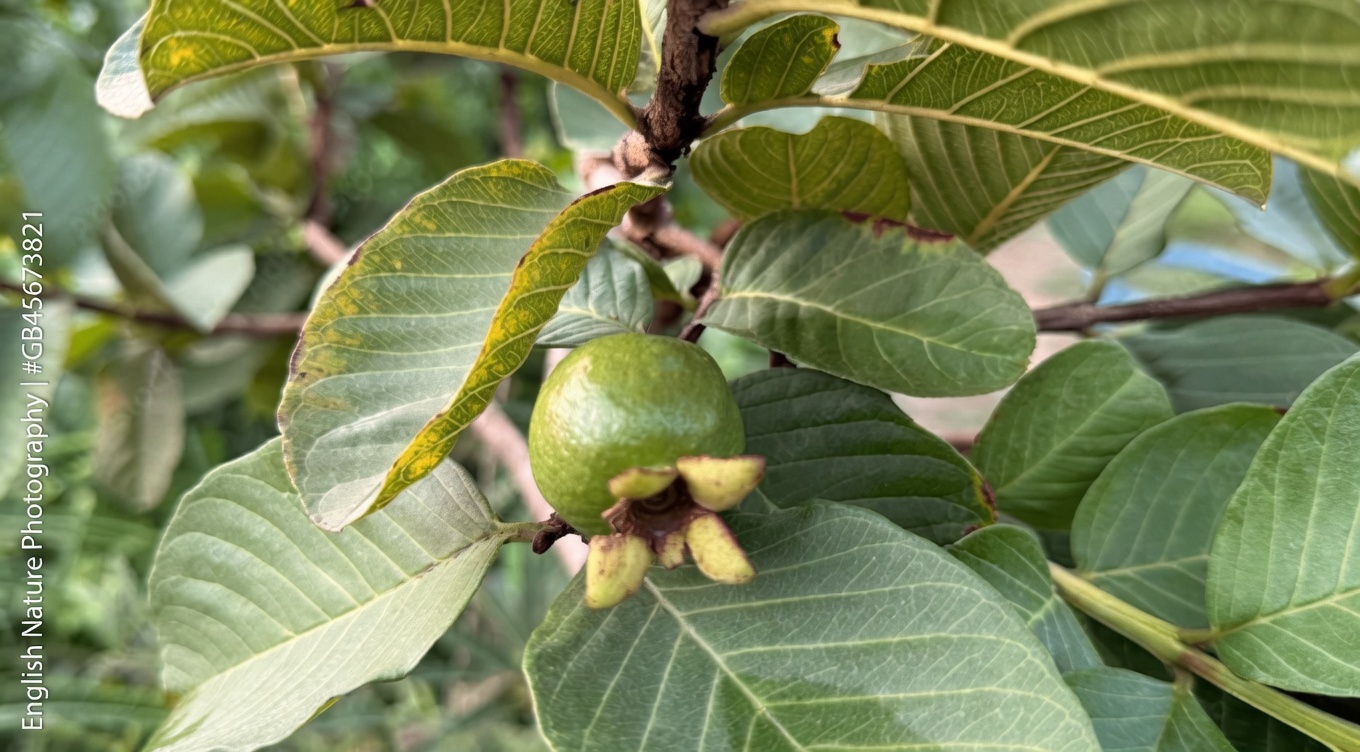
Guava leaves are not a guaranteed treatment for hair loss, but they may serve as a supportive, scalp-friendly ingredient worth considering for general hair health.
12 Ways Guava Leaves May Support Healthier Hair
Based on their nutrient profile, traditional use, and emerging research, guava leaves may help support hair and scalp health in several ways:
-
May encourage faster growth support
Vitamin C supports collagen production, while phenolic compounds may support circulation and nutrient delivery. -
May help reduce shedding
Antioxidants may reduce free-radical stress, and lab findings suggest possible influence on androgen-related activity. -
May strengthen hair strands
B vitamins support keratin function, potentially reducing breakage and improving length retention. -
May improve shine and softness
Antioxidant support can help the hair cuticle look smoother and more reflective. -
May soothe scalp itching
Anti-inflammatory compounds may calm discomfort linked to irritation. -
May help manage flakes
Antimicrobial effects may support a healthier scalp environment. -
May balance excess oil
Mild astringent properties may help manage sebum without aggressive stripping. -
May protect against daily environmental stress
Quercetin and other antioxidants may offer support against pollution and UV exposure. -
May nourish the scalp directly
Topical use delivers plant compounds to the scalp surface where follicles begin. -
May support thicker-looking hair over time
Collagen support and improved scalp condition can contribute to fuller-looking strands. -
May improve circulation through massage routines
Applying and massaging a guava leaf rinse can stimulate blood flow to the scalp. -
May be a gentler alternative for regular use
A plant-based rinse can be a simpler option for people avoiding harsh synthetics.
Results vary by person, and stronger human research is still needed—but many people explore guava leaves because they support multiple hair goals at once.
What People Commonly Report After Using Guava Leaves
Anecdotal experiences shared online often include reports such as:
- Less noticeable shedding after consistent rinses
- Reduced dandruff or scalp discomfort
- Stronger-feeling strands and fewer breakage issues
- New “baby hairs” along the hairline over time
These stories can be encouraging, but they aren’t scientific proof. Hair responds differently depending on genetics, health conditions, styling habits, and the root cause of thinning.
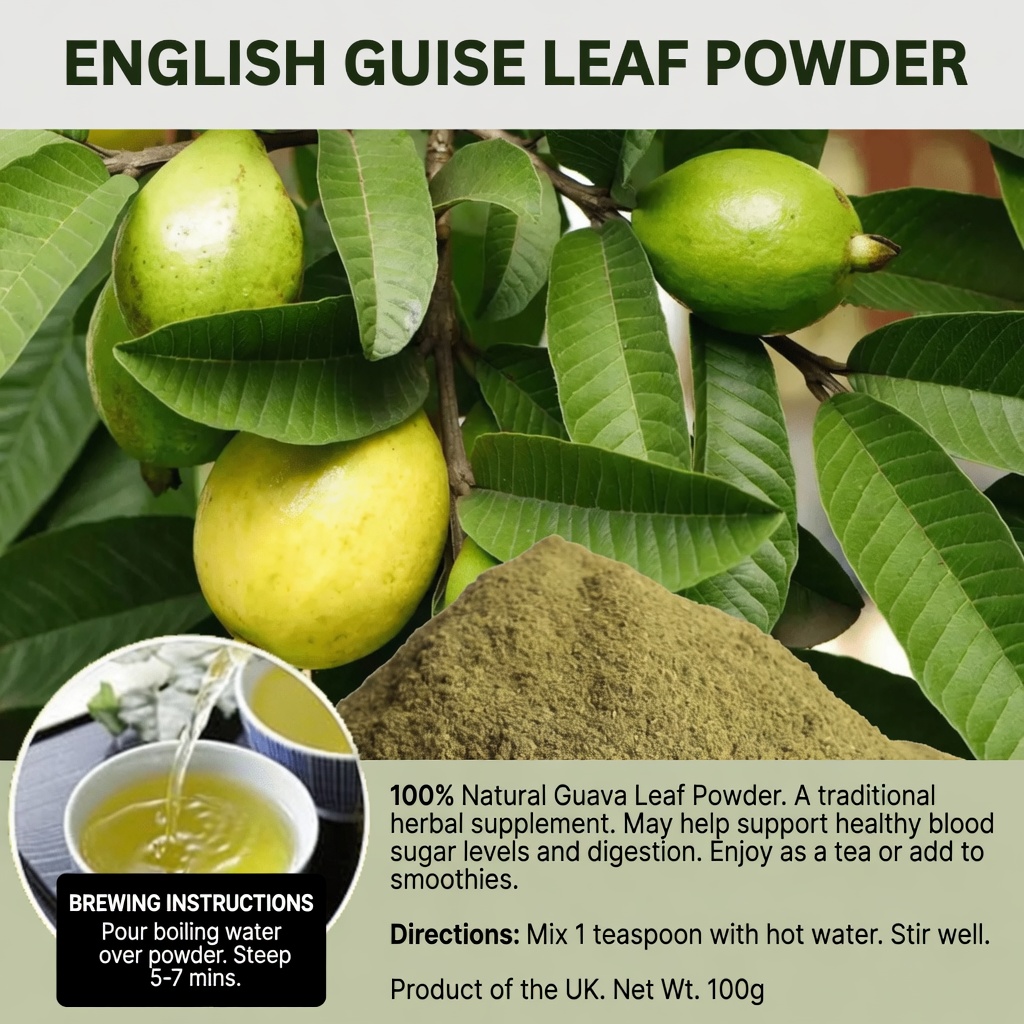
How to Make a Guava Leaf Hair Rinse at Home
If you want to try guava leaves for hair, this is a simple, beginner-friendly method:
What you’ll need
- Fresh or dried guava leaves
- Water
- A pot (for boiling)
- Optional: aloe vera gel for extra soothing
Step-by-step directions
- Rinse the leaves thoroughly to remove dust and debris.
- Add a handful of leaves to a pot of water and boil for 10–15 minutes to create a guava leaf tea.
- Optional stronger method: blend fresh leaves with water, then strain.
- Let the liquid cool completely.
- Apply to your scalp and hair, ensuring the scalp is well-saturated.
- Massage gently for 5–10 minutes.
- Cover with a shower cap for 1–3 hours (some people leave it on overnight).
- Rinse with cool water.
- Use 3–4 times per week, adjusting based on how your scalp feels.
Safety tip
- Always do a patch test (inner arm or behind the ear) before full use.
- Stop immediately if you notice burning, redness, or irritation.
Guava Leaves vs. Other Popular Hair Options
Here’s a quick comparison of common approaches:
-
Guava leaves
- Natural, low-cost, and multi-purpose (scalp comfort, strength, shine)
- Evidence: traditional use + emerging lab research
- Side effects: typically low when used correctly
-
Minoxidil
- Often effective for regrowth for certain patterns of thinning
- Evidence: strong clinical support
- Side effects: possible dryness, itching, irritation
-
Biotin supplements
- Can help if you’re deficient; otherwise results vary
- Evidence: mixed for hair growth in non-deficient individuals
- Side effects: usually low, but not always necessary
-
Commercial shampoos
- Helpful for cleansing and cosmetic improvements
- Evidence: varies widely by formula
- Side effects: possible buildup, scalp sensitivity depending on ingredients
This is why many people start with gentle, plant-based routines—especially if they want a low-risk addition to their hair care plan.
What Results Timeline Can Look Like
Hair changes are slow, so consistency matters. A realistic timeline may look like:
- Weeks 1–2: scalp feels calmer; less itching or visible flaking
- Weeks 3–4: reduced shedding; possible early baby hairs
- Month 2+: better shine, smoother texture, stronger feel
- Month 3+: potential visible density improvements (photos help track progress)
For best support, combine topical care with:
- A nutrient-dense diet
- Stress management
- Gentle detangling and reduced heat styling
The Best Way to Get Lasting Benefits
Guava leaves tend to work best when used as part of an overall healthy routine—not as a single “miracle fix.” Think of them as a supportive tool alongside good nutrition, scalp massage, and protective hair habits.
Medical note: This article is for informational purposes only and does not replace medical advice. If you have underlying conditions, sudden hair loss, scalp disease, or concerns about thinning, consult a qualified healthcare professional before starting a new routine.
Frequently Asked Questions
How often should I use a guava leaf rinse for hair?
A common starting point is 3–4 times per week. Pay attention to scalp comfort and adjust based on dryness, oiliness, or sensitivity.
Can guava leaves help with every type of hair loss?
They may support general scalp health, strength, and mild shedding, especially when thinning is linked to stress or environmental factors. Results depend on the underlying cause.
Are there precautions when using guava leaves on the scalp?
Yes. Do a patch test first, avoid use if you have a known guava allergy, and discontinue immediately if irritation occurs.