
Clove Tea: A Warming, Caffeine-Free Herbal Drink for Everyday Comfort
Occasional bloating after meals, feeling low on energy when seasons shift, or simply wanting a cozy alternative to standard drinks are common, everyday issues. When those small discomforts start to pile up, many people look for simple, natural options that feel soothing and easy to maintain.
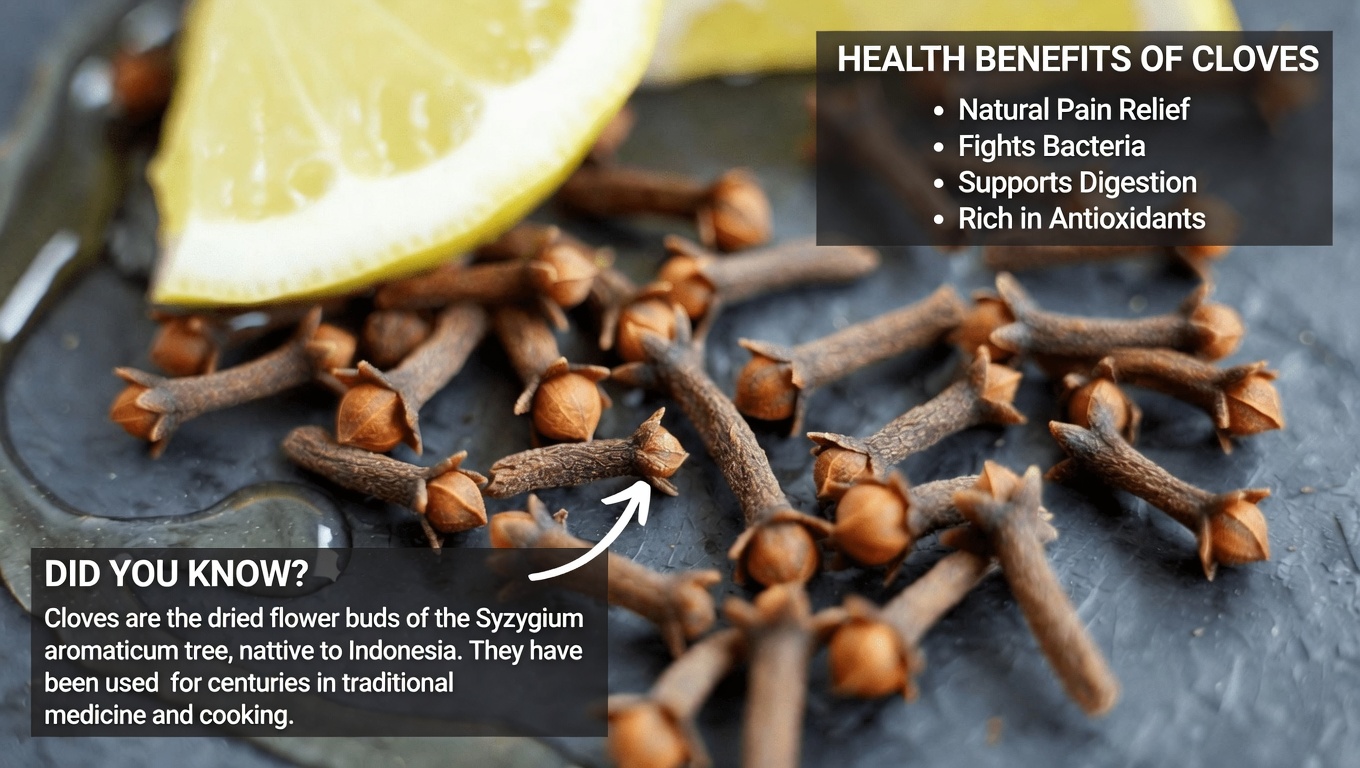
Clove tea—an aromatic infusion made from the dried flower buds of Syzygium aromaticum—has been valued in traditional wellness routines for generations. Today, it’s gaining renewed attention because cloves contain notable plant compounds, especially eugenol, known for its wide research interest.
Beyond its bold, spicy taste, clove tea may offer gentle support for daily wellness in ways many don’t expect. Below, you’ll find what it is, potential benefits, a practical recipe, and key safety notes for enjoying it responsibly.

What Is Clove Tea?
Clove tea is an herbal infusion prepared by steeping whole cloves (or lightly crushed cloves) in hot water. This draws out the spice’s signature warmth and releases active plant compounds—most notably eugenol, a natural constituent studied in various scientific contexts.
Unlike black or green tea, clove tea is naturally caffeine-free, so it can fit into morning, afternoon, or evening routines. Many people enjoy it plain, while others enhance the flavor with:
- Honey for gentle sweetness
- Lemon for brightness
- Fresh ginger for extra warmth
- Cinnamon for deeper spice notes
The result is often described as comforting and aromatic—an easy “warm mug” moment, especially on cooler days.
Why Cloves Are Unique: Key Plant Compounds
Cloves are frequently cited as a standout spice due to their concentration of beneficial plant chemicals, particularly polyphenols and eugenol. Scientific reviews (including resources associated with major research databases) often highlight cloves for exceptional antioxidant capacity compared with many other foods and spices.
Key components include:
- Eugenol: the primary aromatic oil in cloves, often studied for how it may help the body handle oxidative stress
- Other phenolic compounds: such as gallic acid, contributing to clove’s overall phytochemical profile
Antioxidants matter because they can help neutralize free radicals—unstable molecules that may contribute to cellular wear over time.

Potential Health Benefits of Clove Tea (What Research Suggests)
Human research on clove tea specifically is still developing, but lab and animal studies on clove compounds suggest several promising areas. Think of these as potential wellness supports, not guaranteed medical outcomes.
1) Antioxidant Support
Cloves are widely recognized for strong antioxidant content. Their polyphenol levels are often reported to exceed many commonly consumed foods on a per-gram basis, which may support long-term cellular resilience.
2) Digestive Comfort After Meals
Traditional use commonly links cloves with digestion. Cloves are considered carminative in many herbal traditions, meaning they may help ease occasional gas, bloating, or mild indigestion. A warm cup after eating can feel especially soothing.
3) Mild Immune and Seasonal Support
In laboratory settings, clove compounds have demonstrated antimicrobial properties. While that doesn’t equate to disease prevention, it may align with why some people use clove tea as a comforting drink during seasonal changes.
4) Oral Freshness
Eugenol has been explored in oral-health contexts due to its antibacterial activity in studies. As part of an overall routine, clove tea may contribute to a fresher mouth feel for some people.
5) Gentle Support for Inflammation Balance
Preclinical research suggests eugenol and related compounds may influence inflammatory pathways. This is one reason cloves are often mentioned in discussions of everyday wellness support.
Antioxidant Strength: How Cloves Compare
Based on common research measurements (such as ORAC-type assays in the literature), cloves are frequently described as:
- Among the top spices for polyphenol concentration
- Often ranking above spices like cinnamon, oregano, or turmeric in certain comparisons
- Higher per gram than many berries or vegetables in antioxidant metrics
How to Make Clove Tea at Home (Simple Step-by-Step Recipe)
Clove tea is easy to prepare and requires no special tools. Here’s a straightforward method for one serving.
Ingredients
- 1–2 teaspoons whole cloves (lightly crushed if you prefer a stronger infusion)
- 1 cup (240 ml) water
- Optional additions:
- 1 teaspoon honey
- 1 lemon slice
- 2–3 thin ginger slices
- 1 small cinnamon stick
Instructions
- Bring the water to a full boil in a kettle or small pot.
- Add the cloves directly to the water (or place them in a mug/teapot first).
- Reduce heat and simmer gently for 10–15 minutes to extract flavor and compounds.
- Strain into a cup using a fine mesh strainer.
- Add honey, lemon, ginger, or cinnamon as desired.
Tip: If you’re new to clove tea, start with fewer cloves or a shorter simmer. The taste can be intense, and a lighter brew is often more enjoyable at first.
Easy, Enjoyable Ways to Drink Clove Tea
To keep clove tea interesting, try fitting it into different moments of the day:
- After meals: Sip slowly as a calming post-lunch or post-dinner ritual
- Morning alternative: A gentle, caffeine-free warm drink instead of coffee
- Evening wind-down: Ideal before bed because it contains no caffeine
- Cold-weather comfort: A cozy option during cooler months
Flavor variations to experiment with:
- A tiny pinch of black pepper for extra heat
- Fresh mint for a cool contrast
- Ginger + cinnamon for a richer, layered spice profile
Safety Notes and Precautions
In moderate amounts, clove tea is generally well tolerated by many healthy adults. A practical guideline is 1–2 cups per day using the recipe amounts above.
Keep these precautions in mind:
- Avoid excessive intake, especially of concentrated clove products (like clove essential oil), which may cause irritation or unwanted effects at high doses.
- If you are pregnant or breastfeeding, consult a healthcare professional before using clove tea regularly due to limited safety data.
- If you have a bleeding disorder, take blood thinners, or are managing blood sugar, speak with a clinician first because clove compounds may interact with certain conditions or medications.
- Start with a small amount to assess personal tolerance.
Conclusion: Should You Add Clove Tea to Your Routine?
Clove tea is a simple, flavorful way to enjoy a time-honored spice in a modern, easy format. With its cozy aroma, naturally caffeine-free profile, and potential antioxidant and digestive comfort support, it can be a pleasant addition to everyday wellness habits.
If you’re looking to expand your herbal tea options—or just want a warming drink that feels different from the usual—clove tea is worth trying.
FAQ
-
How often can I drink clove tea?
Many people do well with 1–2 cups per day. Keep it moderate and adjust based on how you feel. -
Can I use ground cloves instead of whole cloves?
Yes, but whole cloves typically make a cleaner-tasting tea. Ground cloves can create a cloudy infusion and may taste stronger. -
Does clove tea contain caffeine?
No. Clove tea is naturally caffeine-free, making it suitable for evenings or for people avoiding caffeine.
Disclaimer: This content is for informational purposes only and does not provide medical advice. Clove tea is not intended to diagnose, treat, cure, or prevent any disease. Consult a qualified healthcare professional before adding herbal remedies to your routine, especially if you have medical conditions or take medications.