
Kidney Health as You Age: 3 Evidence-Informed Herbal Drinks to Try (Safely)
Kidney health concerns become more common with age in the United States. Symptoms such as ongoing fatigue, mild swelling, or unexpected blood test changes can appear gradually. The Centers for Disease Control and Prevention (CDC) estimates that more than 1 in 7 U.S. adults (about 35.5 million people) live with chronic kidney disease (CKD)—and many don’t realize it until the condition is more advanced.
In many cases, long-term kidney strain is linked to factors like oxidative stress, chronic inflammation, and high blood pressure. Medical care and lifestyle changes remain essential, but newer research is also examining whether certain everyday beverages may offer supportive benefits thanks to their naturally occurring plant compounds.
This guide looks at three widely used herbal options—green tea, hibiscus tea, and black seed (Nigella sativa) infusion—that have been studied for their potential influence on kidney-related markers and the drivers behind kidney stress. You’ll also find practical preparation tips and safety reminders for responsible use.

Why Kidney Health Often Declines Over Time
Kidney function tends to shift naturally as we get older. By the 40s and beyond, daily stressors—diet, blood pressure changes, metabolic issues, and inflammation—can contribute to gradual wear. Some common signs that prompt people to look closer include:
- Persistent low energy or unexplained fatigue
- Mild swelling in ankles or legs
- Lab results showing increased creatinine or reduced eGFR
Research often points to two key themes for kidney wellness: reducing oxidative damage and supporting healthy circulation (including blood pressure control). While beverages can’t replace professional medical treatment, certain plant-based drinks may help address these underlying stress pathways in supportive ways.
Drink #1: Green Tea (Camellia sinensis) — Antioxidant Support in a Cup
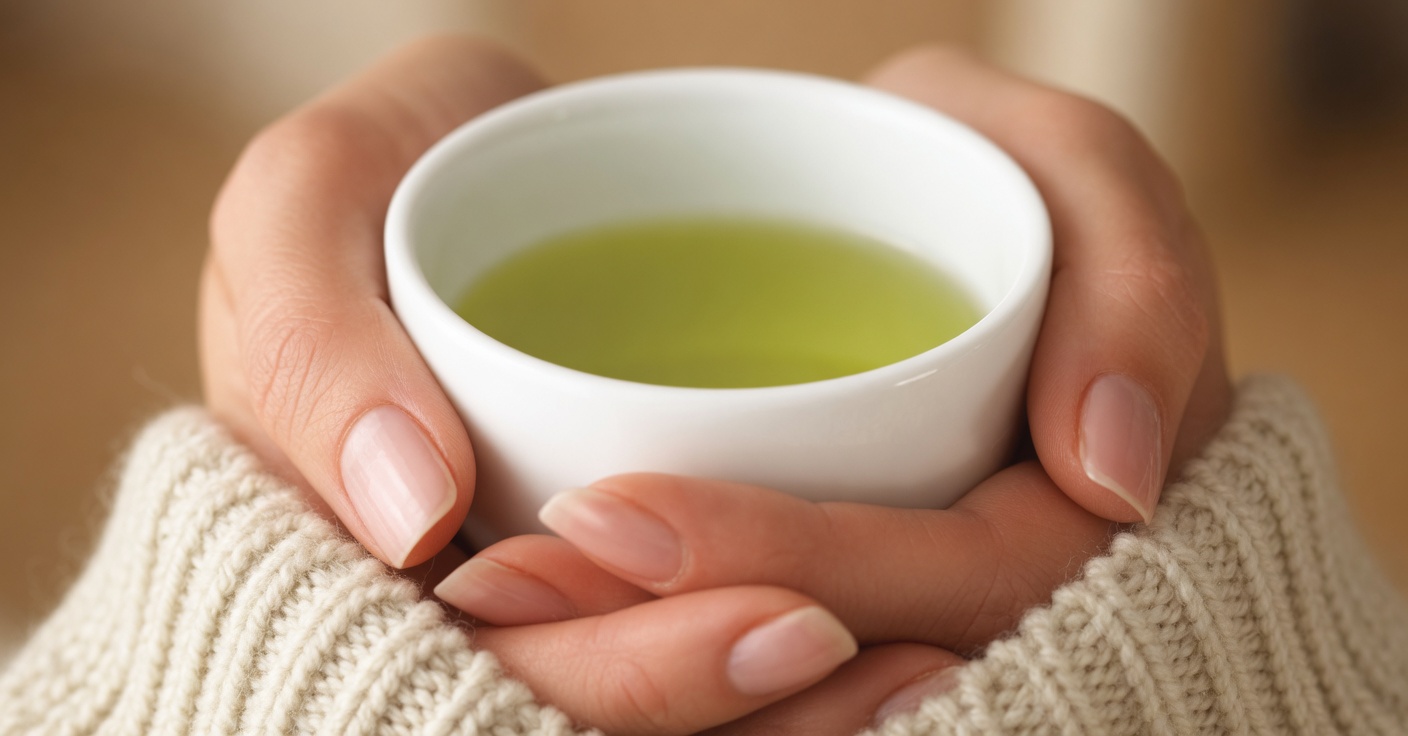
Green tea is made from Camellia sinensis leaves and is known for polyphenols such as EGCG (epigallocatechin gallate). These compounds are widely studied for antioxidant activity, which matters because oxidative stress is strongly associated with cellular strain in kidney tissue.
Several lines of research—including genetic and observational approaches—have reported links between higher tea consumption and improved kidney-related measures, such as better estimated glomerular filtration rate (eGFR) and reduced risk of certain kidney concerns. Clinical trials in specific populations (including people with type 2 diabetes) have also explored green tea’s effects on cardiovascular and metabolic markers, generally noting no harmful changes in core renal markers like creatinine when consumed in reasonable amounts.
How to make it (for best flavor and extraction):
- Heat water to about 175°F / 80°C (avoid boiling to reduce bitterness).
- Steep for 2–3 minutes.
- Drink plain or with a squeeze of lemon if desired.
Why it’s easy to keep up with: Green tea is accessible, affordable, and mild enough for daily routines.
Drink #2: Hibiscus Tea (Hibiscus sabdariffa) — Blood Pressure-Friendly Support
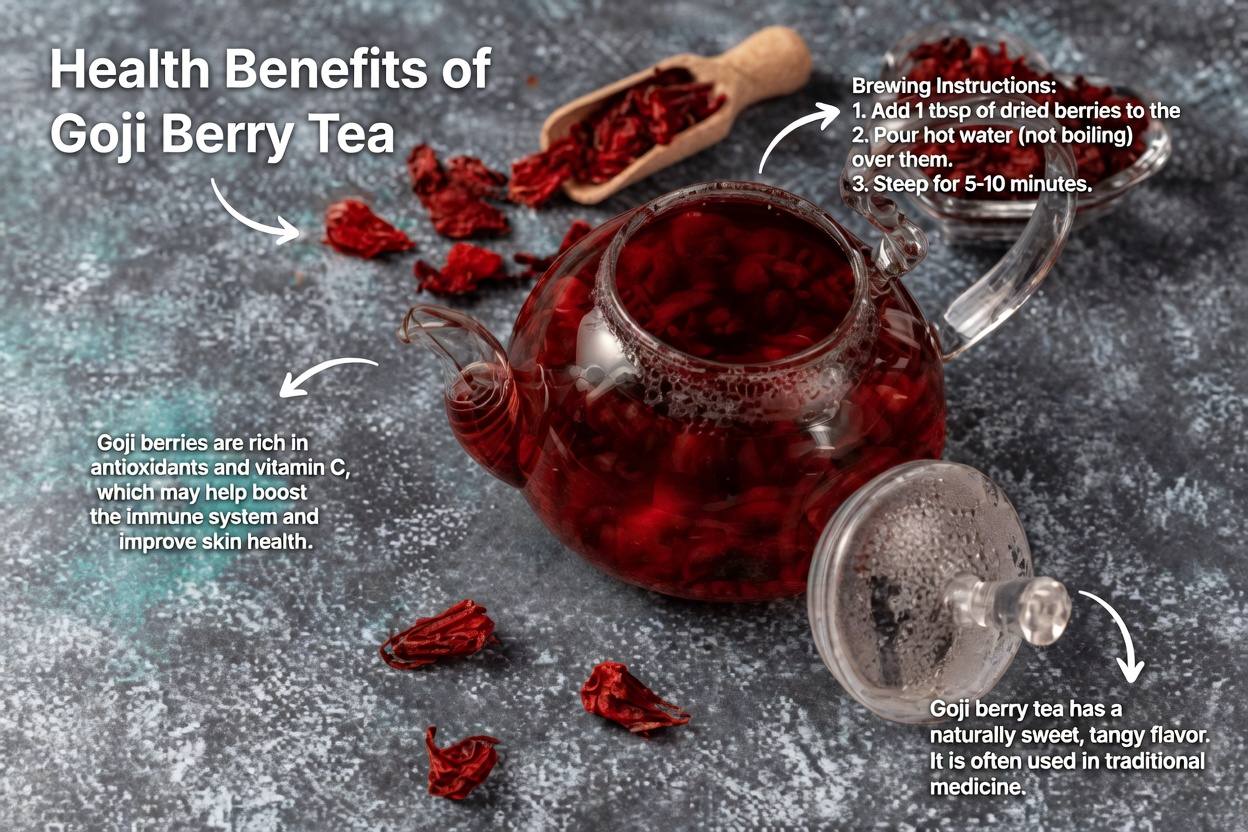
Hibiscus tea is brewed from Hibiscus sabdariffa calyces, producing a deep red, tart drink rich in anthocyanins and organic acids. It’s frequently studied because blood pressure management directly affects kidney workload—when blood pressure is elevated, the kidneys often face more vascular stress over time.
Multiple randomized trials have evaluated hibiscus for supporting healthier blood pressure, with meta-analyses showing consistent reductions in systolic and diastolic readings, especially in people starting with higher values. Some studies have also reported kidney-adjacent outcomes—such as improved urine output and creatinine clearance in certain groups—while noting no concerning shifts in electrolytes or other renal indicators in the studied settings.
How to prepare:
- Use 1–2 teaspoons dried hibiscus calyces
- Steep in 8–16 oz hot water for 5–10 minutes
- Enjoy unsweetened (or add lemon for brightness)
Best time to drink: Since it’s naturally caffeine-free, hibiscus works well in the afternoon or evening.
Drink #3: Black Seed (Nigella sativa) Infusion — Studied for Protective Pathways
Black seed (Nigella sativa), sometimes called black cumin, contains thymoquinone, a compound frequently highlighted in preclinical research. Reviews and animal studies suggest thymoquinone may help protect against multiple forms of kidney stress through mechanisms such as:
- Antioxidant activity
- Anti-inflammatory effects
- Anti-apoptotic pathways (supporting cell survival under stress)
- Possible influence on fibrosis-related markers in models of kidney injury
Most of the strongest evidence remains preclinical (lab and animal research), while human research is still developing. However, black seed has a long history of traditional use and is generally approached as a cautious, small-dose option for those who want to explore supportive habits under medical guidance.
How to make a simple infusion:
- Add 1/4–1/2 teaspoon of seeds to water.
- Simmer for 10 minutes.
- Strain and sip warm.
- Start with the smaller amount to assess tolerance.
Flavor note: It’s naturally peppery. If you choose to sweeten, keep it minimal.
A Simple Weekly Rotation (Variety Without Overdoing One Drink)
Using different drinks across the week may offer a broader mix of supportive properties—antioxidant activity, blood pressure support, and cellular protection—without relying too heavily on a single ingredient.
Sample rotation:
- Monday / Wednesday / Friday: Green tea (1–3 cups)
- Emphasis: antioxidant support and daily consistency
- Tuesday / Thursday: Hibiscus tea (8–16 oz)
- Emphasis: vascular and blood pressure-friendly support
- Saturday / Sunday: Black seed infusion (small serving; start low)
- Emphasis: exploratory, deeper protective pathways
Flavor upgrade (no sugar needed):
- Add a few slices of fresh ginger while steeping for warmth and complexity.
Common Mistakes That Reduce the Benefit
To get more value from these habits, avoid these frequent pitfalls:
- Adding sugar regularly, which can undermine metabolic stability
- Choosing low-quality products that may contain unwanted contaminants
- Using them only occasionally—consistency matters more than intensity
- Taking them too close to medications; consider spacing by about 2 hours if interaction is a concern
- Ignoring tolerance signals (jitters from caffeine, excessive blood pressure lowering, digestive discomfort)
Pair These Drinks with Kidney-Supportive Lifestyle Basics
These beverages work best as part of a bigger routine that supports circulation, nutrient balance, and hydration:
- Add foods like pumpkin seeds (magnesium), walnuts (polyphenols), and oats with berries for steadier energy
- Include light daily movement—e.g., a 10-minute walk after drinking—to support circulation
- Prioritize hydration with plain water (many people aim for 6+ glasses/day, adjusted to medical advice)
- Keep sodium in check to support fluid balance and blood pressure
Key Takeaway
The most important factor is consistency: small, repeatable habits often provide the greatest long-term support. If you want to start simply, choose one drink, use it regularly for a couple of weeks, and note how you feel.
This article is for informational purposes only and does not constitute medical advice. Always consult a qualified healthcare professional before making changes to your diet or routine, especially if you have existing health conditions or take medications.
FAQ
Can these drinks replace prescribed kidney treatments?
No. These beverages are supportive options, not substitutes for medical care, diagnostics, or prescribed medications. Discuss any changes with your clinician.
How much can I drink per day?
A moderate approach is best:
- Green tea: often 1–3 cups/day (watch caffeine sensitivity)
- Hibiscus tea: typically 1–3 cups/day depending on tolerance and blood pressure
- Black seed infusion: start with small amounts; more is not necessarily better
Are there side effects or interactions?
Possible issues include:
- Hibiscus: may lower blood pressure (use caution if already on BP medication)
- Green tea: contains caffeine and may not suit everyone
- Black seed: may interact with certain medications in some cases
If you’re unsure, consult a healthcare professional—especially if you have CKD, diabetes, hypertension, or are taking regular medications.