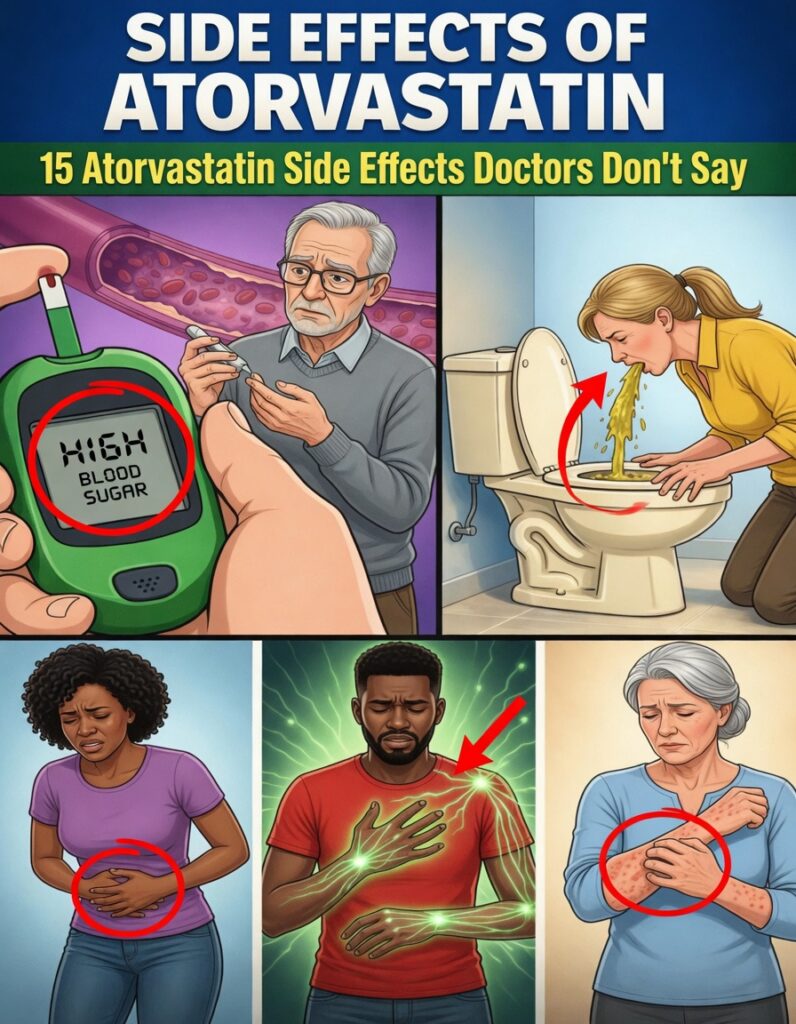
Many people begin atorvastatin to protect cardiovascular health and improve cholesterol numbers, then notice unexpected changes—mild muscle aches, stomach upset, or unusual tiredness. When symptoms appear gradually, it can be difficult to tell what’s normal and what needs medical attention. This guide breaks down the most reported atorvastatin side effects and highlights a simple daily routine that can help you feel more confident and in control.
Why It’s Important to Understand Atorvastatin Side Effects
Atorvastatin (a statin medication) is widely prescribed to help manage cholesterol and support heart health. Large clinical trials and data referenced by organizations such as the American Heart Association generally show that statins are effective and well tolerated.
What often gets missed is that even medications with a strong safety record can still cause side effects for some people. Understanding what may happen can:
- Reduce uncertainty and anxiety
- Help you recognize early warning signs
- Support better conversations with your healthcare provider
Below is what research and real-world patient reports most commonly describe.
Common Atorvastatin Side Effects
Most people who experience side effects report mild symptoms, and many improve after the body adjusts. Still, noticing patterns early can make treatment easier.
1) Muscle Aches or Stiffness
Muscle-related symptoms are among the most discussed atorvastatin side effects. Some users report:
- Soreness or tenderness
- Mild weakness
- Stiffness or tightness
Studies suggest these symptoms occur in a relatively small percentage of users. Discomfort is often mild, but ongoing or intense muscle pain should always be discussed with a clinician.
2) Digestive Upset
Gastrointestinal symptoms can show up early, especially in the first weeks, including:
- Nausea
- Stomach discomfort
- Diarrhea
- Constipation
These issues often fade as the body adapts.
3) Fatigue or Lower Energy
Some people feel more tired than usual after starting atorvastatin. It’s not among the most common reactions, but it can happen. Tracking when fatigue occurs (time of day, after exercise, after meals) can reveal useful patterns.
4) Headaches
Headaches may appear in the early phase of treatment and often improve over time.

Less Common (But Still Important) Side Effects
Less frequent side effects are worth knowing about—mainly so you can monitor appropriately and avoid unnecessary worry.
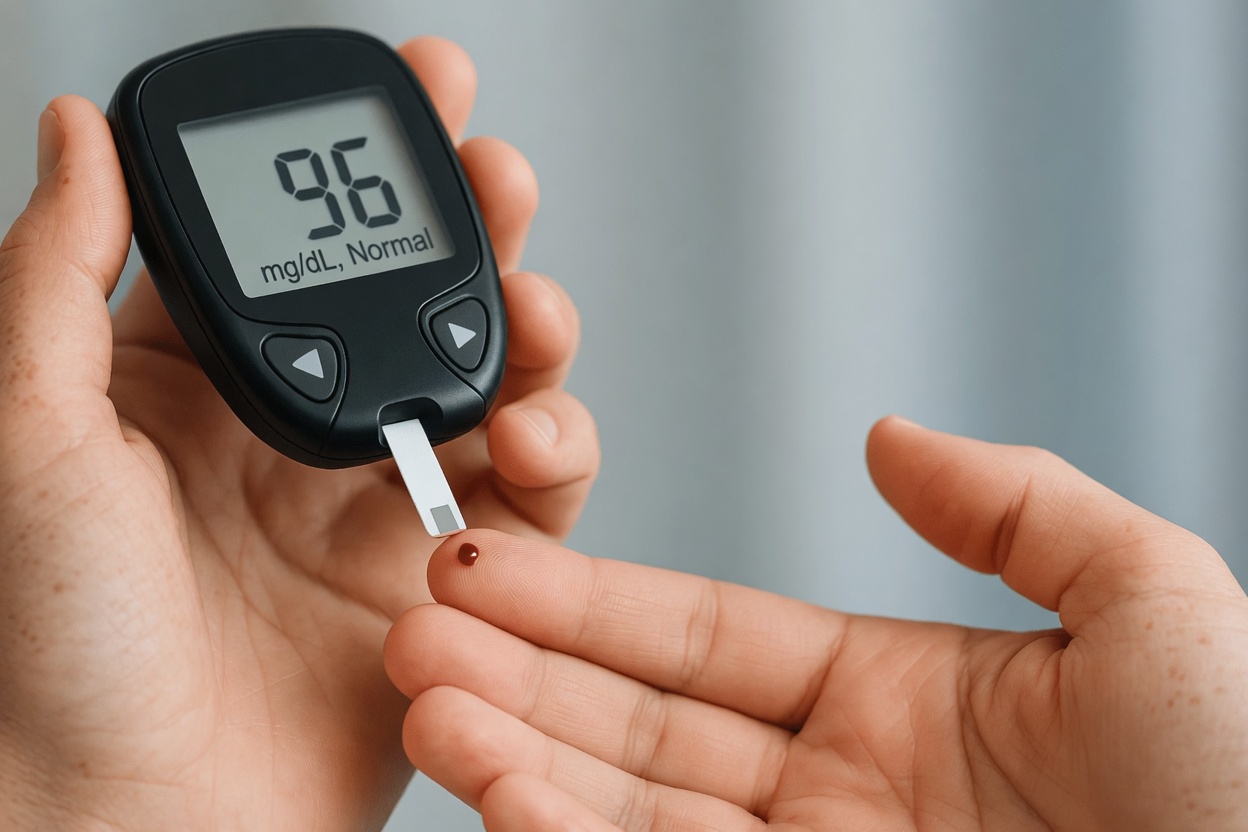
5) Slight Increase in Blood Sugar
Some research suggests statins may cause a small rise in blood glucose for certain individuals. This is usually minimal, but people with prediabetes or metabolic risk factors may benefit from closer monitoring.
6) Liver Enzyme Changes
Bloodwork sometimes shows mild shifts in liver enzymes, which is why clinicians may recommend periodic labs. In most cases, these changes are temporary and not dangerous.
7) Skin Symptoms
Occasionally, people report:
- Rash
- Itching
If symptoms are widespread, worsening, or accompanied by swelling, seek medical advice.
8) Memory or Concentration Concerns
There are anecdotal reports of short-term memory lapses or “brain fog.” Research findings are mixed, and many cases resolve after evaluation. If you notice cognitive changes, it’s reasonable to discuss them promptly with your healthcare provider.
Rare but Serious Reactions (Know the Red Flags)
Serious complications are uncommon, but awareness matters. Rare events include:
- Rhabdomyolysis (severe muscle breakdown)
- Severe allergic reactions
- Persistent or worsening muscle weakness
Seek urgent medical care if you experience:
- Sudden, severe muscle pain
- Dark-colored urine
- Significant swelling or profound weakness
What Can Increase the Risk of Atorvastatin Side Effects?
Several factors may raise the likelihood of side effects.
Higher Dose
Larger doses may be linked to a higher chance of muscle symptoms in some individuals.
Medication and Supplement Interactions
Certain drugs can interact with atorvastatin, including some:
- Antibiotics
- Antifungal medications
Also, grapefruit products can change how the drug is metabolized.
Age and Body Size
Older adults and people with smaller body frames may be more sensitive to medication effects.
Existing Health Conditions
People with kidney or liver conditions may need closer monitoring.
Quick Reference: Side Effects by Frequency
| Category | Common | Less Common | Rare |
|---|---|---|---|
| Muscle | Mild soreness/stiffness | Ongoing weakness | Severe breakdown (rhabdomyolysis) |
| Digestion | Nausea, diarrhea, constipation | Persistent discomfort | Severe abdominal symptoms |
| Metabolic/Labs | Small blood sugar rise | Liver enzyme changes | Significant imbalance |
| Neurological | Headache | Focus/memory concerns | Severe confusion (uncommon) |
What Research Says About Atorvastatin Safety
Large reviews in peer-reviewed medical journals repeatedly show that statins have a strong safety profile when prescribed appropriately. Most users have either no side effects or manageable ones.
It’s also worth noting: some real-world muscle complaints may not always be directly caused by statins. This is sometimes discussed as the nocebo effect, where expectations can shape how symptoms are perceived.
Even so, your symptoms are real and deserve attention. Listening to your body and documenting changes is a smart approach.
Practical Steps to Feel Better (and Stay Consistent)
If you want an actionable plan, start here.
Step 1: Take Atorvastatin at the Same Time Every Day
A consistent schedule helps maintain steadier levels in the body.
Step 2: Avoid Grapefruit
Grapefruit (and related products) may interfere with how atorvastatin is processed.
Step 3: Stay Hydrated
Good hydration may help reduce cramping and muscle discomfort for some people.
Step 4: Use a Simple Symptom Log
Write down:
- When you took the medication
- Any symptoms you noticed
- Severity (for example, 1–10)
Within a couple of weeks, patterns often become clearer.
Step 5: Eat for Muscle and Overall Health
A balanced diet supports treatment tolerance. Prioritize:
- Adequate protein
- Vegetables and fiber-rich foods
- Whole grains and lean protein sources
Step 6: Communicate Early—Don’t Wait Months
If symptoms last beyond a few weeks or worsen, contact your healthcare provider. Dose changes, timing adjustments, or alternative options may be available.
A helpful surprise for many people: gentle daily movement (walking, light stretching) can reduce stiffness. In contrast, complete inactivity may make tightness feel more intense.
When to Contact a Healthcare Professional
Get medical guidance if you notice:
- Severe muscle pain
- Weakness that interferes with daily activities
- Yellowing of the skin or eyes
- Digestive symptoms that won’t improve
Early communication can prevent unnecessary stress and reduce risk.
Balancing Benefits and Side Effects
It’s easy to focus on side effects and lose sight of the goal. For many people, atorvastatin supports cholesterol management as part of a broader heart-health strategy that includes nutrition, movement, sleep, and other lifestyle choices.
The best approach is balanced:
- Don’t ignore symptoms
- Don’t panic over mild, temporary changes
- Stay informed and track what you feel
Conclusion
Most atorvastatin side effects are mild and manageable, with muscle discomfort, digestive changes, fatigue, and headaches among the most commonly reported. Less common effects—like small blood sugar changes or liver enzyme shifts—are typically monitored through routine care. Rare serious reactions exist, but they are uncommon and usually recognizable through clear warning signs.
The daily habit that often makes the biggest difference is consistent dosing paired with symptom tracking. When you calmly observe patterns and communicate early, you replace uncertainty with clarity—and that sense of control is a powerful part of feeling well.
Frequently Asked Questions
1) How long do atorvastatin side effects typically last?
Many mild symptoms improve within a few weeks as your body adjusts. If side effects persist or worsen, consult a healthcare professional.
2) Can lifestyle choices affect how I feel on atorvastatin?
Yes. Hydration, balanced nutrition, consistent timing, and moderate physical activity may improve overall comfort.
3) Should I stop atorvastatin if I develop muscle pain?
Do not stop suddenly without medical guidance. Many cases are mild, but evaluation is important before making changes.
Disclaimer: This content is for informational purposes only and does not replace medical advice from a qualified healthcare professional. Always consult your healthcare provider about medication questions or new symptoms.