Feeling drained by mid-afternoon energy slumps or quietly concerned about your heart can take a daily toll. You may be trying to eat cleaner, stay active, and make “better” choices—yet the health advice online can feel scattered and overwhelming. In reality, lasting results often come from small, repeatable kitchen habits rather than extreme overhauls. One simple ingredient you likely already have—purple onion—may be worth paying attention to.
By the end of this article, you’ll have a quick purple onion recipe you can use all week, plus the science-based reasons it may gently support balanced blood sugar and overall heart wellness.
Why Purple Onions Are Worth Paying Attention To
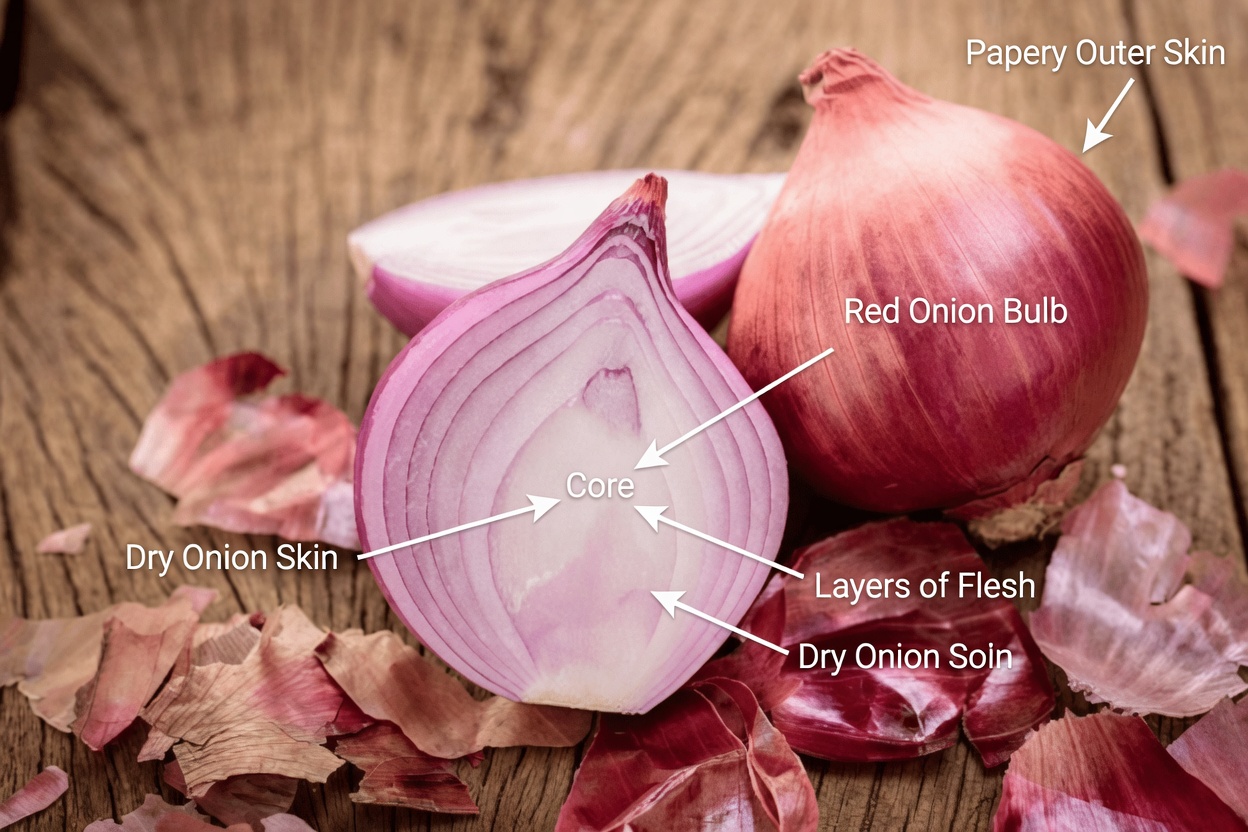
Purple onions are not just a pretty garnish for salads or sandwiches. Their deep color comes from anthocyanins—natural plant pigments also found in berries and red cabbage.
Anthocyanins are antioxidants, meaning they help the body defend cells against oxidative stress. Oxidative stress is associated with aging processes and may contribute to cardiovascular and metabolic strain. No single food “fixes” health, but diets rich in antioxidant-packed vegetables are consistently linked to better long-term outcomes.
Purple onions also contain quercetin, a well-studied flavonoid. Quercetin has been researched for its potential to support:
- Healthy blood vessel function
- Balanced inflammatory response, an important factor in long-term cardiovascular wellbeing
Purple Onions and Blood Sugar: What’s the Connection?
If your energy tends to spike and crash, blood sugar fluctuations may be part of the story. Blood sugar balance isn’t only about avoiding desserts—it’s also about how your body handles carbohydrates throughout the day.
Research in nutrition science has explored how onions (including onion extracts in some studies) may help support healthy blood glucose levels—especially when paired with overall balanced eating habits.
Key reasons purple onions may be supportive include:
- Soluble fiber, which can slow digestion and help reduce sharp glucose spikes
- Quercetin, studied for its potential role in glucose metabolism
- High flavor with low calories, making onions a useful alternative to heavy, sugary sauces
That said, onions work best as part of a bigger foundation: whole grains, lean proteins, healthy fats, and regular movement.
How Purple Onions May Support Heart Wellness
Heart health depends on many variables—blood pressure, cholesterol patterns, inflammation, oxidative stress, sleep, stress, and activity. No single ingredient can guarantee protection, but consistent vegetable-rich eating patterns are strongly associated with better cardiovascular markers.
Purple onions stand out because their key compounds may help support:
- Healthy cholesterol balance
- More responsive blood vessels
- Lower oxidative stress load
Some observational research links anthocyanins to improved vascular function, while quercetin has been examined for its potential to help maintain normal blood pressure within a healthy lifestyle.
One practical advantage matters just as much as the science: purple onions are affordable, widely available, and easy to use daily—and consistency is what drives real change over time.
A Simple Purple Onion Recipe You Can Make Today
Let’s turn the research into something you can actually use.
This quick, fresh purple onion mix takes minutes to prepare and can upgrade meals for days.
Ingredients
- 1 large purple onion, finely chopped
- Juice of 1 lemon
- 1 tablespoon extra virgin olive oil
- A pinch of sea salt
- Optional: chopped parsley, crushed garlic, diced cucumber
Instructions
- Finely chop the purple onion and add it to a bowl.
- Pour in lemon juice and toss gently. Let it rest 5–10 minutes to mellow the bite.
- Add olive oil and a small pinch of salt.
- Stir well, then refrigerate for at least 15 minutes before eating.
Serve it on:
- Grilled vegetables
- Salads
- Whole-grain toast
- Lean proteins (fish, chicken, beans, tofu)
Why this combo makes sense
- Lemon provides vitamin C, which supports antioxidant activity
- Olive oil supplies healthy fats that help absorb fat-soluble nutrients
- Raw purple onion preserves more of its plant compounds than heavily cooked onion
Raw vs. Cooked Purple Onion: Which One Is Better?
Both are beneficial—your best choice is the one you can enjoy consistently.
Raw purple onion
- Higher retention of quercetin and anthocyanins
- Sharper flavor
- Stronger antioxidant profile
Lightly cooked purple onion
- Milder taste
- Easier digestion for some people
- Small decrease in certain antioxidants
If raw onion upsets your stomach, try a quick sauté in olive oil for a few minutes. Avoid long cooking times at high heat, since prolonged heat can reduce some protective compounds.
What the Research Actually Suggests (Without the Hype)
It’s important to keep expectations realistic.
Purple onions do not prevent or cure disease on their own. However, patterns that include a wide variety of vegetables are consistently associated with improved metabolic and cardiovascular markers.
In general, research trends suggest:
- Diets higher in flavonoid-rich foods are often linked to better heart-health indicators
- Quercetin has shown potential in studies for supporting normal blood pressure and glucose regulation within healthy diets
- Major nutrition guidelines repeatedly emphasize daily vegetable intake as a cornerstone habit
In other words, purple onions aren’t a “magic trick”—they’re a smart, evidence-aligned addition to a balanced lifestyle.
Practical Ways to Get More Benefits From Purple Onions
Use these simple strategies to make purple onions more effective as part of your routine.
-
Pair onions with protein
Add them to meals with eggs, beans, fish, lean meats, or yogurt to slow digestion and help stabilize energy. -
Combine with fiber-rich carbs
Try the onion mix with quinoa, brown rice, oats, or whole-grain bread for better blood sugar support. -
Limit refined sugar overall
No “superfood” can cancel out frequent high-sugar intake. Aim for whole foods most of the time. -
Prioritize consistency
One onion-heavy meal won’t change health overnight. Repeatable daily choices create results.
Also worth remembering: sleep, stress management, and movement matter just as much as food. Even a short walk after meals has been shown in studies to support healthier glucose responses.
Common Mistakes to Avoid
Even healthy foods can be misunderstood. Watch out for these traps:
- Treating one food as your main health strategy
- Believing extreme social-media claims about instant results
- Skipping professional medical guidance if you have existing conditions or take medications
Nutrition works best as a steady pattern—not a quick fix.
A Realistic Takeaway
It’s tempting to hope a simple recipe will transform everything instantly. Sustainable wellness rarely works that way.
What purple onions offer is more practical: flavor, versatility, and a concentrated source of plant compounds like anthocyanins and quercetin. When used regularly in balanced meals, they may help support steadier energy and long-term heart wellness.
The real “secret” isn’t the onion alone—it’s the repeatable habit of choosing whole, colorful foods day after day. Purple onions simply make that habit easier to enjoy.
Conclusion
Purple onions provide powerful antioxidants—especially anthocyanins and quercetin—that research has linked to supportive roles in heart health and blood sugar balance when included in an overall healthy lifestyle. Try the simple lemon-olive oil purple onion mix, pair it with protein and fiber, and focus on consistency for the most meaningful long-term benefits.